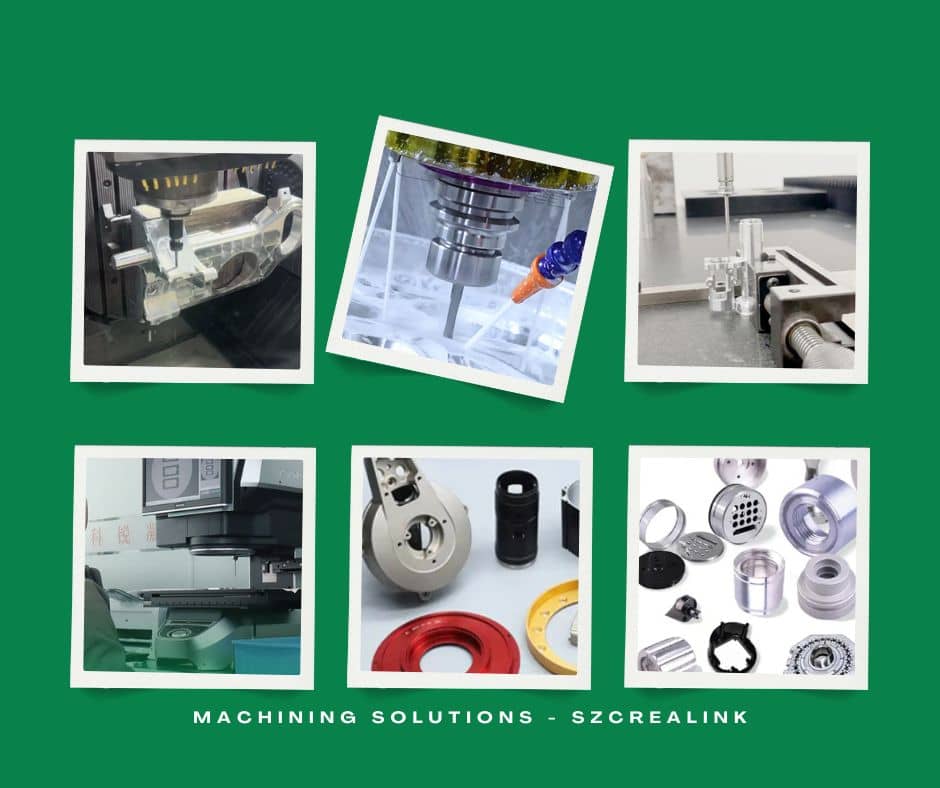
How Precise Is CNC Machining?
Precision is one of the biggest reasons engineers choose CNC machining over other manufacturing methods. Whether you’re developing functional prototypes, assembly-ready components, or mission-critical parts, understanding CNC machining accuracy helps you choose the right supplier and set realistic design expectations.
So – how precise can CNC machining actually be?
Table of Contents
1. Typical Tolerances in CNC Machining
Most professional CNC machining shops can reliably achieve:
✔ ±0.01–0.02 mm
This is the standard tolerance range for everyday mechanical parts.
It is ideal for housings, brackets, fixtures, shafts, covers, and most general components.
This level of accuracy already exceeds what many applications require and is perfect for functional parts that must assemble smoothly and fit consistently.
2. High-Precision Machining Capabilities
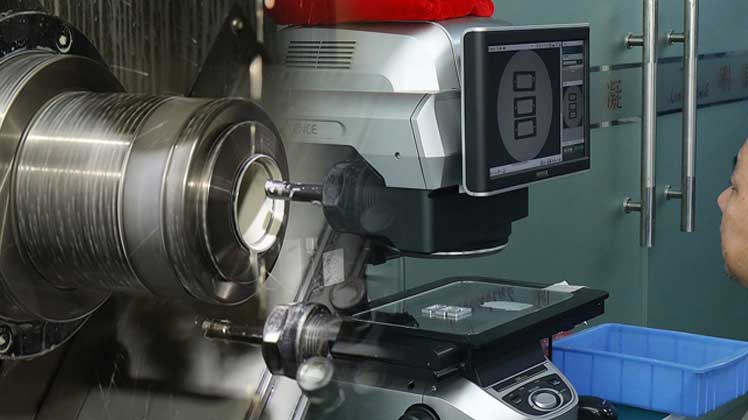
For more demanding projects—such as optical equipment, robotics, injection mold components, or aerospace mechanisms—some advanced machining providers can reach:
✔ ±0.005 mm or better
Achieving this level of precision requires:
-High-end machining centers with thermal stability
-Rigid fixturing and vibration control
-Sharp, coated cutting tools
-Skilled programmers and operators
-Controlled cutting speeds and coolant flow
-Temperature-controlled inspection environments
These ultra-tight tolerances are typically reserved for critical fits, sliding mechanisms, sealing surfaces, and high-accuracy assemblies.
3. What Affects CNC Machining Accuracy?
Even with the best equipment, several factors influence the final precision of a machined part:
• Material type
Aluminum cuts cleanly, while plastics may flex and stainless steel generates more heat.
• Part geometry
Long, thin, or deep-cavity parts are more prone to vibration or deformation.
• Machining strategy
Toolpath, feed rate, and multi-step finishing operations all impact accuracy.
• Thermal expansion
Both the machine and the material change size slightly with temperature.
• Fixturing and workholding
Stable clamping is essential for consistent, repeatable results.
Understanding these variables helps designers choose tolerances that balance performance and manufacturability.
4. What Tolerance Should You Choose?
A good rule of thumb:
| Application Category | Recommended Tolerance |
| Standard mechanical parts | ±0.01–0.05 mm |
| Precision assemblies | ±0.01–0.02 mm |
| High-precision critical components | ±0.005 mm or tighter |
Specifying unnecessarily tight tolerances increases machining time and cost—so choose them where they truly matter.
5. Why Precision Matters
Accurate CNC machining ensures your parts:
-Fit together without modification
-Function correctly in mechanical assemblies
-Maintain consistency from batch to batch
-Reduce time spent on rework or adjustments
High precision isn’t just about numbers – it’s about reliability, stability, and performance throughout the product’s lifecycle.
Final Thoughts
CNC machining is capable of exceptional precision, from ±0.02 mm for everyday parts to ±0.005 mm for advanced applications. The key is selecting a machining partner who understands your requirements and has the equipment, experience, and quality systems to achieve them.