A Complete Guide to CNC Machining Workflow (From RFQ to Delivery)
👉 “What is your typical manufacturing process?”
This is not just a technical question—it reflects deeper concerns:
Can this supplier handle my project professionally?
Will quality be consistent?
Can they control lead time and cost?
A clear, structured manufacturing process is a key signal of a reliable supplier.
In this guide, we will walk you through a complete, real-world CNC machining workflow, from initial inquiry to final delivery—so you know exactly what to expect and how to avoid risks.
Table of Contents
1. Overview: Why Manufacturing Process Matters
A well-defined manufacturing process ensures:
✔ Stable quality
✔ Predictable lead time
✔ Cost control
✔ Smooth communication
👉 In CNC machining, success is not just about machines—it’s about process control.
2. Our Manufacturing Capabilities (Scope of Business)
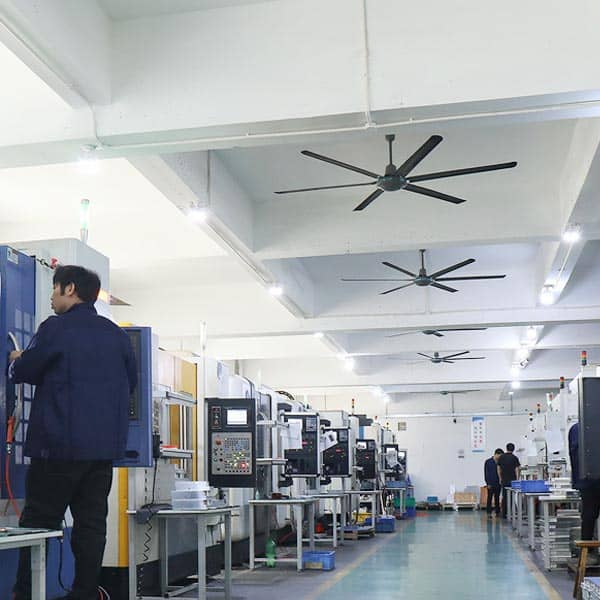
Before diving into the process, here’s what a professional CNC supplier typically covers:
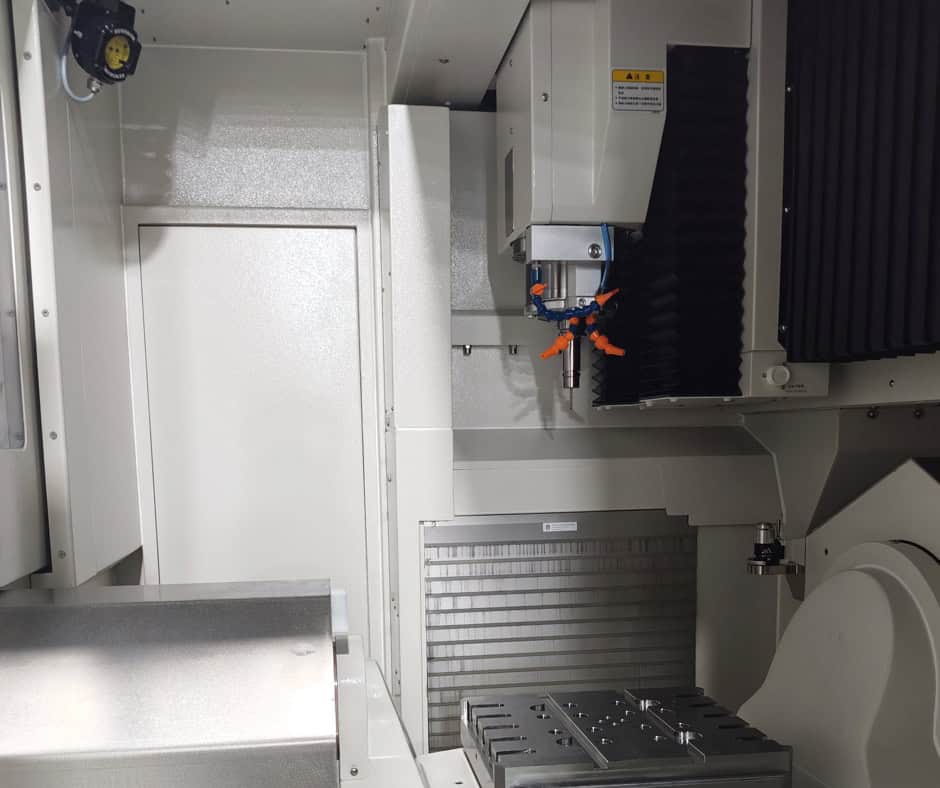
CNC Machining Services:
CNC milling (3-axis, 4-axis, 5-axis)
CNC turning
Swiss-type machining
Drilling, tapping, threading
Materials:
Aluminum (6061, 7075)
Stainless steel (303, 304, 316)
Carbon steel
Brass / copper
Engineering plastics
Secondary Processes:
Surface finishing (anodizing, plating, powder coating)
Heat treatment
Assembly
Logo marking
👉 This integrated capability allows for a complete end-to-end manufacturing solution.
3. Step-by-Step CNC Manufacturing Process
Step 1: RFQ (Request for Quotation)
Everything starts here.
What buyers provide:
2D drawings (PDF)
3D files (STEP / STP / IGES)
Material requirements
Surface finish requirements
Quantity
What we do:
Technical review
Manufacturability analysis (DFM)
Cost estimation
👉 At this stage, a professional supplier may suggest improvements to reduce cost or improve performance.
Step 2: Engineering Review & DFM Analysis
This is where engineering value comes in.
Key checks:
Tolerance feasibility
Wall thickness
Tool accessibility
Surface finish compatibility
Output:
Optimized design suggestions
Risk identification
👉 This step can save 10–30% cost and prevent production issues.
Step 3: Quotation & Technical Confirmation
A complete quotation includes:
Unit price
Tooling cost (if any)
Lead time
Surface finishing details
Tolerance standards
👉 Clear communication here avoids misunderstandings later.
Step 4: Sample / Prototype Production
Before mass production, samples are usually made.
Purpose:
Validate design
Verify dimensions
Confirm finish and logo
Methods:
CNC prototype
3D printing (for quick validation)
👉 Sample approval is critical to avoid large-scale errors.
Step 5: Material Preparation
Includes:
Raw material sourcing
Material certification (if required)
Cutting into workable sizes
👉 Material quality directly impacts final performance.
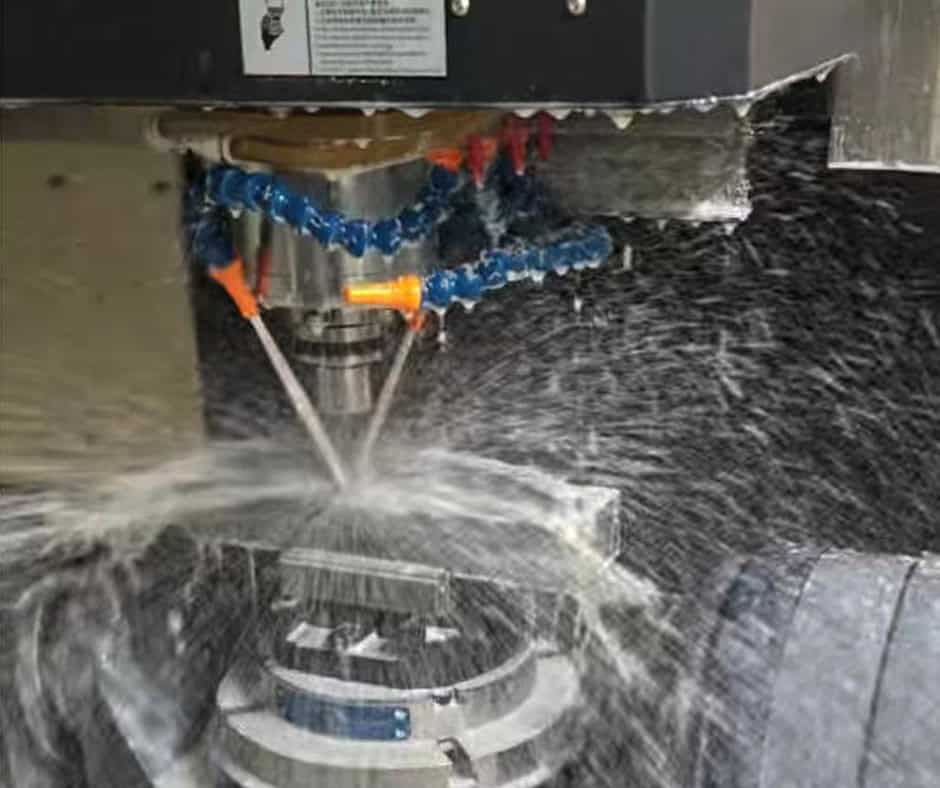
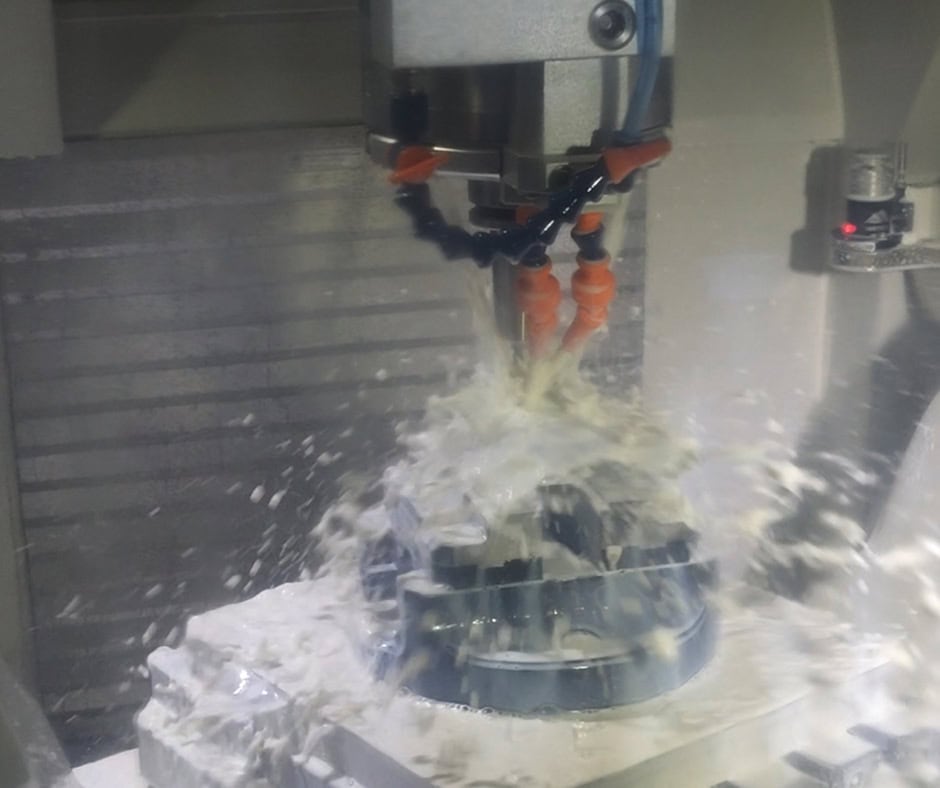
Step 6: CNC Machining
This is the core manufacturing stage.
Processes:
Milling
Turning
Drilling
Threading
Key controls:
Tool selection
Cutting parameters
Machine calibration
👉 Precision depends on both machine capability and operator experience.
Step 7: In-Process Quality Control
Quality is not checked only at the end—it is monitored throughout.
Methods:
First Article Inspection (FAI)
In-process checks
Tool wear monitoring
👉 This prevents defects early instead of fixing them later.
Step 8: Secondary Operations
After machining, parts often require additional processes:
Common operations:
Deburring
Surface finishing
Heat treatment
Logo marking
👉 These steps significantly affect final quality and appearance.
Step 9: Surface Finishing
Depending on requirements, finishes may include:
Anodizing
Powder coating
Electroplating
Polishing
👉 Finish selection impacts durability, appearance, and cost.
Step 10: Final Inspection (Quality Assurance)
Before shipment, all parts undergo final inspection.
Inspection tools:
CMM (Coordinate Measuring Machine)
Calipers / micrometers
Surface roughness testers
Reports:
Inspection report
Material certificate
Compliance documents
👉 This ensures parts meet all specifications.
Step 11: Cleaning & Packaging
Cleaning:
Oil removal
Dust removal
Packaging:
Anti-rust protection
Foam / custom packaging
👉 Proper packaging prevents damage during transportation.
Step 12: Shipping & Delivery
Options:
Express (DHL, FedEx)
Air freight
Sea freight
👉 Lead time depends on urgency and cost considerations.
4. Typical Lead Time Breakdown
| Stage | Time |
| Quotation | 1–3 days |
| Sample production | 3–10 days |
| Mass production | 10–30 days |
| Finishing | 3–7 days |
| Shipping | 3–30 days |
👉 Total timeline depends on complexity and quantity.
5. How We Ensure Quality & Consistency
A reliable supplier focuses on:
1. Process Standardization
SOPs for each step
2. Skilled Technicians
Experience matters
3. Advanced Equipment
CNC machines, CMM, etc.
4. Continuous Improvement
Feedback loop
👉 Quality is built into the process—not inspected at the end.
6. Common Problems in Manufacturing (And How to Avoid Them)
❌ Unclear drawings
👉 Solution: Provide complete files
❌ Unrealistic tolerances
👉 Solution: Consult supplier
❌ Ignoring finishing impact
👉 Solution: Confirm early
❌ No sample approval
👉 Solution: Always validate
7. How This Process Helps You as a Buyer
✔ Lower risk
✔ Faster communication
✔ Better cost control
✔ Reliable delivery
👉 You don’t just buy parts—you gain a stable supply chain partner.
8. High-Converting Inquiry Template
Use this to start a project:
“We would like to request a quotation for CNC machined parts.
Please find attached drawings and specifications.
Kindly review and advise on manufacturability, lead time, and recommended finishing options.”
👉 This shows professionalism and speeds up response.
9. Why Choose a One-Stop CNC Manufacturer?
Instead of working with multiple vendors, a full-service supplier offers:
✔ End-to-end control
✔ Faster turnaround
✔ Consistent quality
✔ Reduced coordination cost
👉 One supplier = less risk, more efficiency.
10. Conclusion: Process Defines Reliability
A supplier with a clear, structured process can:
Deliver consistent quality
Reduce production risks
Optimize cost and lead time
👉 That’s what separates professional manufacturers from average ones.
11. Ready to Start Your Project?
We support a complete CNC machining process from design review to final delivery.
👉 Send us your drawings, and we will provide:
Engineering feedback
Competitive quotation
Optimized manufacturing solution