
CNC Milling Services for Custom Precision Parts
SzCrealink provides custom CNC milling services for prototypes, one-off parts, and production runs.
Send us your 2D drawing or 3D CAD file, and our engineering team will review the part, confirm the machining requirements, and prepare a quotation.
We machine aluminum, stainless steel, carbon steel, titanium, brass, copper, engineering plastics, and other materials according to the application and drawing requirements.
From a simple mounting plate to a complex multi-feature component, our job is straightforward: understand your drawing, manufacture the part to specification, inspect it, and get it to you ready for use.
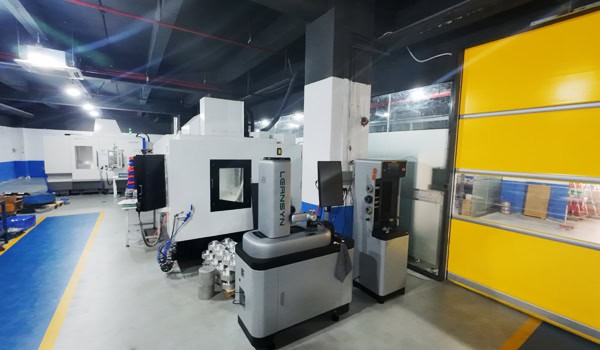
Custom CNC Milling Parts Manufacturing
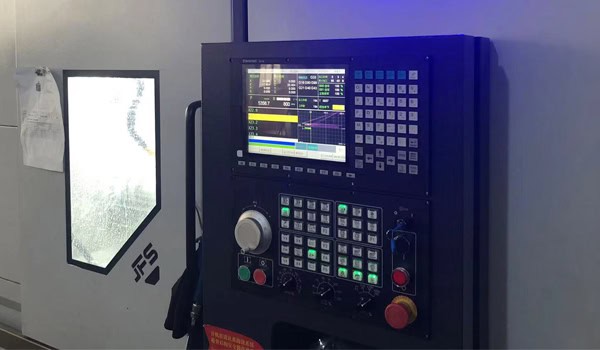
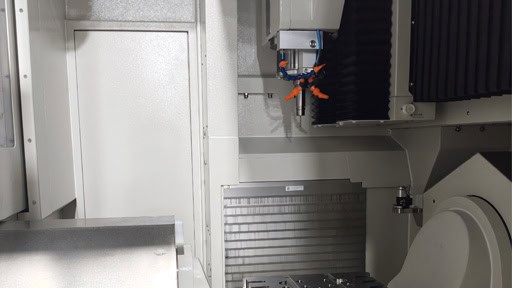
CNC Milling Machines & Project Showcase
CNC Milling Service Highlights
Custom parts from 1 piece to production quantities
50+ CNC machines for flexible production scheduling
Metal and engineering plastic machining
Tolerances manufactured according to your drawing
Prototype and small-batch production
Inspection reports available when required
Surface finishing and secondary processes
Quotations within 24 working hours
International shipping by courier, air, or sea
CNC Milling Based on Your Drawings
You can send us a 2D engineering drawing, 3D CAD model, or both. Our engineers review the design before production rather than simply putting the file into a machining program.
We check the details that can affect the final part and the manufacturing cost, including:
✪Material and material grade
✪Critical dimensions and tolerances
✪Hole sizes and positions
✪Threads and tapped features
✪Machining access
✪Thin walls and deep pockets
✪Surface-finish requirements
✪Special inspection requirements
If something in the drawing could make the part difficult or unnecessarily expensive to manufacture, we can discuss it with you before machining begins.
This drawing-review stage is particularly useful for prototypes and new designs, where a small change to the geometry can sometimes reduce machining time or make inspection easier.
CNC Milling From Prototype to Production
One-Off and Prototype Parts
We can manufacture prototypes for:
Fit and assembly checks
Functional testing
Design verification
Engineering evaluation
Pre-production testing
There is no minimum order quantity, so you can start with a single CNC milled part.
Small-Batch Production
The machining process can be documented and repeated for subsequent orders, helping maintain consistency between batches.
Repeat and Production Orders
We focus on stable machining processes, repeatable inspection, material availability, and consistent finishing so that later batches continue to match the approved part.
Lead time depends on the material, geometry, quantity, finishing, and inspection requirements. Fast turnaround can be arranged for suitable parts after drawing review.
What Parts Can We CNC Mill?
Typical parts we manufacture include:
✪Mounting plates
✪Housings
✪Covers
✪Fixtures and jigs
✪Mechanical blocks
✪Flanges
✪Structural components
✪Machine components
✪Optical and electronic mounting parts
✪Custom enclosures
✪Prototype components
The machining approach depends on the geometry.
Simple parts may only require standard 3-axis milling, while components with features on several faces or more complex surfaces may require additional setups or multi-axis machining.
Rather than applying the same process to every part, we select the machining approach according to the drawing and the features that need to be produced.
CNC Milling Materials
Aluminum
Aluminum is one of the most commonly machined materials for CNC milling. It is relatively lightweight, easy to machine, and available in a range of grades.
It is commonly used for:
Housings
Brackets
Mounting plates
Fixtures
Structural components
Anodizing can be added when additional surface protection, appearance, or wear resistance is required.
Stainless steel
Stainless steel is suitable when corrosion resistance and mechanical strength are important.
304 stainless steel is a common general-purpose option, while 316 may be considered for more demanding environments.
Carbon steel
Carbon steel is often used for mechanical and structural components where strength and cost are important considerations.
Additional surface treatment may be used when improved corrosion protection is required.
Titanium
Titanium is selected for applications where high strength-to-weight ratio and corrosion resistance justify its higher material and machining cost.
Brass and Copper
Brass and copper are useful where electrical conductivity, thermal conductivity, or specific mechanical properties are required.
Engineering Plastics
Engineering plastics can be machined when low weight, electrical insulation, chemical resistance, or reduced friction is important.
If the material is not specified in your drawing, we can discuss suitable options based on the intended application.
Surface Finishing for CNC Milled Parts
Depending on the material and application, we can arrange additional finishing processes such as:
✪Anodizing
✪Powder coating
✪Sandblasting
✪Polishing
✪Black oxide
✪Passivation
✪Plating
The finish should be selected according to what the part needs to do.
For example, anodizing may be appropriate for aluminum parts that require additional surface protection, while passivation is commonly used for stainless steel to improve corrosion resistance.
If a surface finish is specified on the drawing, we manufacture and inspect the part according to that requirement.
How We Handle a CNC Milling Project
1. Send Your CAD Files
Common formats include:
STEP / STP,IGES / IGS,X_T,SLDPRT,DWG,DXF,PDF
2. Drawing and Manufacturability Review
Our engineers review the design and identify the dimensions, materials, tolerances, finishes, and other requirements that affect manufacturing.
3. Quotation
For complete project information, quotations are typically provided within 24 working hours.
4. CNC Programming and Machining
The appropriate tools, workholding method, machining sequence, and cutting conditions are selected according to the material and geometry.
5. Inspection
Inspection can include dimensional measurement, thread inspection, visual inspection, surface-finish checks, and CMM inspection when required.
6. Finishing, Packaging and Delivery
Where CNC Milling Accuracy Matters
The critical dimensions are usually the ones that affect:
✪Assembly
✪Alignment
✪Movement
✪Sealing
✪Interchangeability
✪Functional performance
For these features, the drawing may specify tighter dimensional or geometric tolerances.
We manufacture according to the tolerances specified on your drawing rather than applying unnecessarily tight tolerances to every feature.
This approach can help balance part performance and manufacturing cost.
Quality Control for CNC Milled Parts
Our quality process covers the manufacturing stages from incoming material through final inspection.
Depending on the project, we can check:
✪Critical dimensions
✪Hole diameter and position
✪Thread dimensions
✪Flatness
✪Parallelism
✪Perpendicularity
✪Surface finish
✪Overall appearance
✪Final part conformity
Inspection reports can be supplied when required.
Our CNC milling production operates under an ISO 9001 quality management system, with inspection requirements based on customer drawings and project specifications.
CNC Milling Applications
We manufacture CNC milled components for a range of industries and equipment manufacturers.
Medical Equipment
Aerospace
Automotive
Robotics
Industrial Equipment
Machine components, fixtures, mounting structures, housings, and custom parts for industrial machinery and automation systems.
Electronics and Communication Equipment







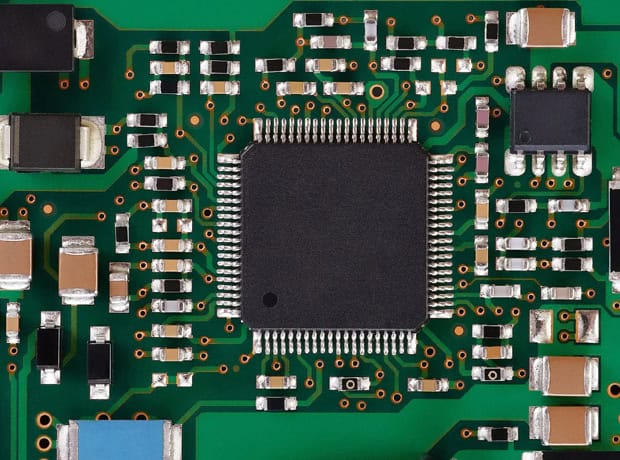
Why Customers Work With SzCrealink
Direct Manufacturing
Flexible Quantities
You can start with one prototype and move into small-batch or repeat production as the design develops.
Engineering Review Before Production
Multiple Materials and Finishes
Drawing-Based Quality Control
Your drawing is the reference for manufacturing and inspection. Critical dimensions and specified tolerances are treated accordingly.
International Delivery
We work with overseas customers and can coordinate packaging and international shipping after production and inspection.
What Determines the Cost of CNC Milling?
Two parts with similar dimensions can have very different machining costs. The main factors include:
Material
Part Geometry
Deep pockets, thin walls, complex surfaces, internal features, and difficult tool access can increase machining time.
Tolerances
Tight tolerances may require additional machining control, inspection, and sometimes additional operations.
Quantity
Surface Treatment
Anodizing, plating, passivation, powder coating, and other finishes add processing time and cost.
Inspection
CMM inspection, dimensional reports, material certificates, and other documentation may be required for more demanding projects.
For an accurate quotation, the best approach is to send the drawing, material, quantity, and finishing requirements together.
Frequently Asked Questions
What types of parts can you manufacture with CNC milling?
We manufacture custom brackets, plates, housings, fixtures, structural components, machine parts, enclosures, and other components based on customer drawings.
Can you make only one CNC milled part?
Yes. We accept one-piece prototypes as well as small-batch and production orders.
What materials can you CNC mill?
Common materials include aluminum, stainless steel, carbon steel, titanium, brass, copper, and engineering plastics. Other materials can be reviewed based on the project.
What file formats can I send?
You can send common 3D CAD formats such as STEP, STP, IGES, IGS, X_T, and SLDPRT, along with 2D drawings in DWG, DXF, or PDF format.
Can you machine parts to tight tolerances?
Yes. CNC milling tolerances are manufactured according to the requirements specified on the drawing. The achievable tolerance for a particular feature depends on its material, geometry, size, and machining process.
How long does CNC milling take?
Lead time depends on the part geometry, material, quantity, finishing, and inspection requirements. Suitable prototype and small-batch projects may be completed on an expedited schedule, with the actual lead time confirmed after drawing review.
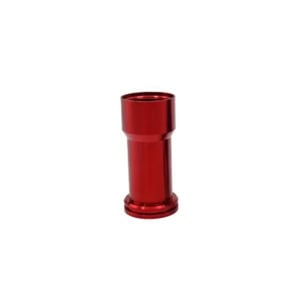
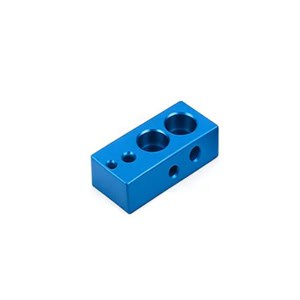
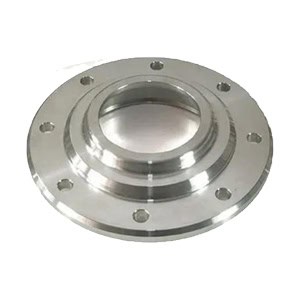
Real-Life CNC Milling Case Studies
See the products we’ve created for our clients and use them as a reference for your project.

Get a CNC Milling Quote
Have a drawing ready?
Send us your 2D drawing or 3D CAD file, together with the material, quantity, surface finish, and any special inspection requirements.
We will review the project, confirm the manufacturing requirements, and provide a quotation within 24 working hours for complete inquiries.