A Complete Guide to Surface Finishing for CNC Machined Parts
👉 “What surface treatments can you provide?”
Surface treatment is not just about appearance—it directly impacts:
Corrosion resistance
Wear resistance
Product lifespan
Brand perception
Final cost
Choosing the wrong surface treatment can lead to:
❌ Premature corrosion
❌ Poor product appearance
❌ Customer complaints
❌ Increased warranty costs
That’s why experienced buyers don’t just ask what is available—they ask what is suitable.
In this guide, we’ll walk you through:
Full range of surface treatments for CNC parts
Engineering differences and applications
Cost vs performance trade-offs
How to select the right treatment for your project
👉 And most importantly: how to use surface finishing to improve both product performance and profitability.
Table of Contents
1. What Is Surface Treatment in CNC Machining?
Surface treatment refers to post-processing techniques applied to machined parts to improve their surface properties.
Key functions:
Protect against corrosion and oxidation
Improve wear resistance
Enhance surface hardness
Achieve desired appearance (color, texture)
Improve adhesion for coatings
👉 In precision manufacturing, surface treatment is not optional—it is part of the engineering design.
2. Our Surface Treatment Capabilities (Scope of Business)
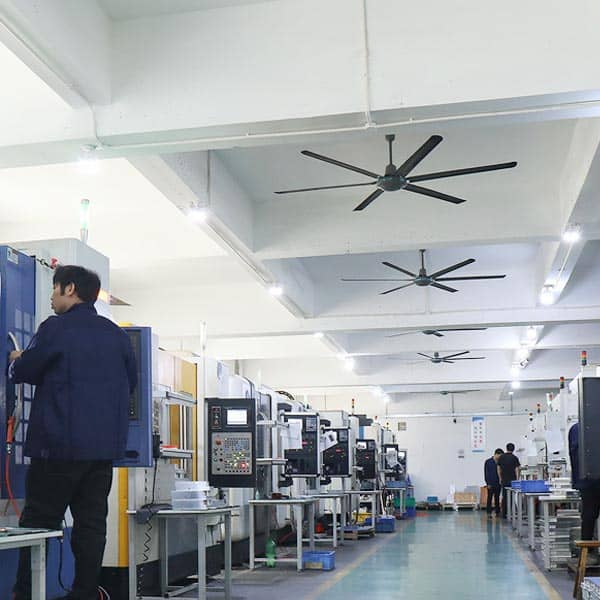
We provide one-stop machining + finishing solutions, ensuring consistency and efficiency.
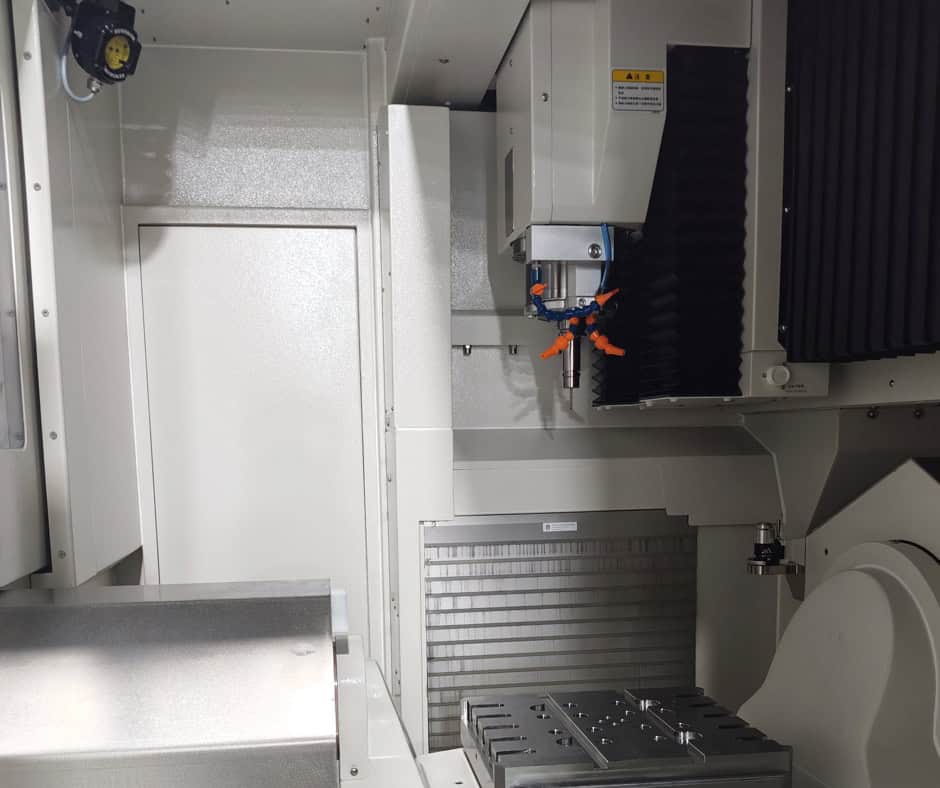
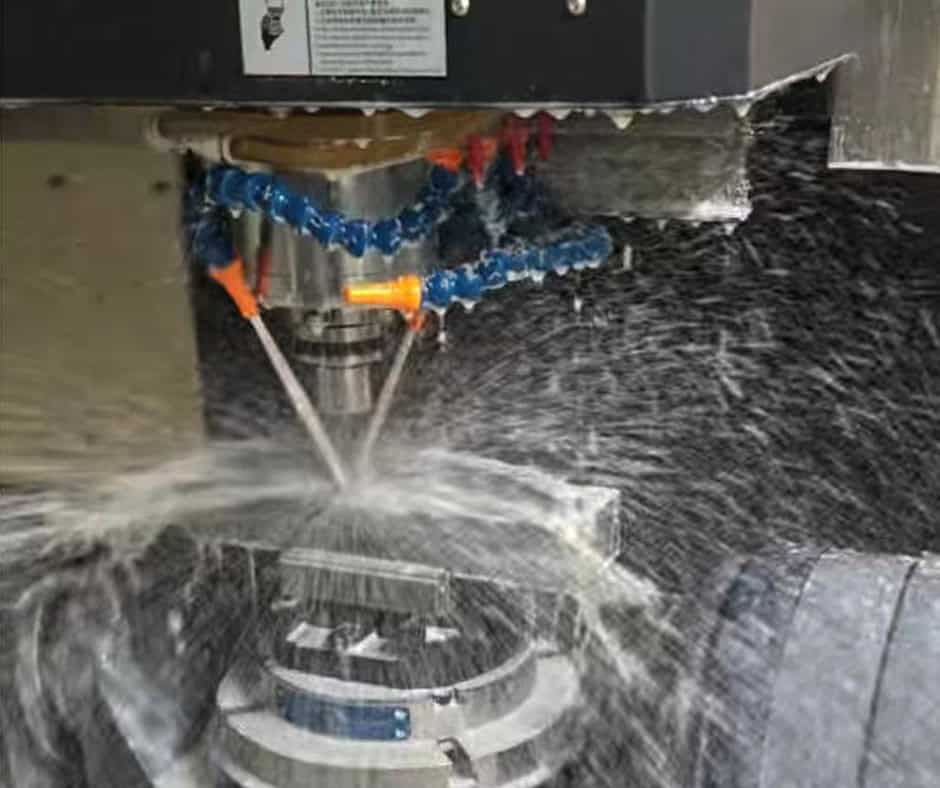
CNC Machining:
3-axis / 4-axis / 5-axis milling
CNC turning
Swiss machining
Materials:
Aluminum
Stainless steel
Carbon steel
Brass / copper
Engineering plastics
Surface Treatments We Provide:
Anodizing (Type II / Type III)
Powder coating
Electroplating (zinc, nickel, chrome)
Polishing / mirror finishing
Brushing
Sandblasting
Painting / spray coating
Black oxide
Passivation
Galvanizing
Electrophoresis (E-coating)
👉 This integrated capability ensures shorter lead times, better quality control, and consistent finishes.
3. Main Surface Treatment Methods Explained
3.1 Anodizing (Aluminum)
Process:
Electrochemical oxidation creates a protective oxide layer.
Types:
Type II (decorative)
Type III (hard anodizing)
Advantages:
✔ Excellent corrosion resistance
✔ Increased surface hardness
✔ Color options available
Applications:
Electronics housings
Automotive parts
Aerospace components
Engineering Insight:
👉 Hard anodizing can reach hardness levels up to HV400–500.
3.2 Powder Coating
Process:
Electrostatic powder + heat curing.
Advantages:
✔ Thick, durable coating
✔ Excellent weather resistance
✔ Wide color selection
Thickness:
Typically 60–120 μm
Applications:
Outdoor equipment
Structural components
Limitation:
❌ Not suitable for tight tolerance areas
3.3 Electroplating
Types:
Zinc plating
Nickel plating
Chrome plating
Advantages:
✔ Improved corrosion resistance
✔ Metallic appearance
✔ Functional coatings (conductivity, wear)
Applications:
Fasteners
Automotive parts
Electrical components
Engineering Note:
👉 Coating thickness affects dimensional tolerance.
3.4 Sandblasting
Process:
High-speed abrasive particles create a uniform matte surface.
Advantages:
✔ Removes machining marks
✔ Improves coating adhesion
Often Combined With:
👉 Anodizing or painting
3.5 Polishing (Mirror Finish)
Process:
Mechanical polishing for smooth, reflective surfaces.
Advantages:
✔ Premium appearance
✔ Low surface roughness
Applications:
Decorative parts
Medical components
3.6 Brushing (Hairline Finish)
Features:
Linear texture
Modern industrial look
Advantages:
✔ Scratch-resistant appearance
✔ Hides fingerprints
3.7 Painting / Spray Coating
Advantages:
✔ Flexible colors and designs
✔ Suitable for complex shapes
Applications:
Consumer products
Equipment housings
3.8 Black Oxide (Steel)
Features:
Black surface conversion coating
Advantages:
✔ Minimal dimensional change
✔ Low cost
3.9 Passivation (Stainless Steel)
Process:
Removes free iron to enhance corrosion resistance.
Advantages:
✔ Maintains natural appearance
✔ Improves durability
3.10 Galvanizing
Types:
Hot-dip galvanizing
Electro-galvanizing
Advantages:
✔ Heavy-duty corrosion protection
3.11 Electrophoresis (E-Coating)
Process:
Electrochemical coating with uniform coverage.
Advantages:
✔ Excellent corrosion resistance
✔ Uniform thickness
4. Surface Treatment Comparison
| Treatment | Corrosion Resistance | Wear Resistance | Appearance | Cost | Precision Impact |
| Anodizing | High | High | Premium | Medium | Low |
| Powder coating | High | High | Colorful | Medium | Medium |
| Electroplating | High | Medium | Metallic | Medium-High | Medium |
| Sandblasting | Low | Low | Matte | Low | None |
| Polishing | Medium | Low | Glossy | High | None |
| Black oxide | Low | Low | Black | Low | None |
| Galvanizing | Very high | Medium | Industrial | Low | High |
5. How to Choose the Right Surface Treatment
Step 1: Application Environment
Indoor vs outdoor
Exposure to moisture or chemicals
👉 Determines corrosion requirements
Step 2: Functional Requirements
Wear resistance
Electrical conductivity
Friction control
Step 3: Tolerance Considerations
Some coatings add thickness:
Anodizing → slight increase
Plating → measurable
Powder coating → significant
👉 Critical for precision assemblies
Step 4: Appearance Requirements
Color
Texture (matte/glossy)
Branding
Step 5: Budget Optimization
👉 Balance cost vs performance
6. Common Mistakes Buyers Make
❌ Choosing based on appearance only
❌ Ignoring coating thickness
❌ Over-specifying finish
❌ Skipping sample validation
👉 These lead to higher cost and risk
7. How Surface Treatment Adds Business Value
Less corrosion = fewer replacements
2. Enhances Brand Perception
Better finish = higher perceived quality
3. Enables Premium Pricing
High-end finishes justify higher margins
8. High-Converting Inquiry Template
Use this when contacting suppliers:
“To recommend the most suitable surface treatment, could you please advise based on:
1.Application environment
2.Material
3.Surface finish requirement
4.Tolerance constraints
We are looking for the best balance between performance and cost.”
👉 This positions you as a professional buyer.
9. Why Choose a One-Stop Machining + Finishing Supplier?
Working with an integrated supplier means:
✔ Better quality consistency
✔ Faster turnaround
✔ Lower logistics cost
✔ Single point of responsibility
👉 This reduces risk and improves efficiency.
10. Conclusion: Surface Treatment Is a Strategic Decision
👉 A performance upgrade
👉 A cost factor
👉 A competitive advantage
Choosing the right treatment helps you:
Reduce failure risk
Improve product quality
Increase customer satisfaction
11. Ready to Optimize Your Surface Treatment?
We provide complete surface finishing solutions tailored to your parts, materials, and applications.
👉 Send us your drawings and requirements—we will recommend:
The most suitable surface treatment
Cost-effective options
Stable production solutions