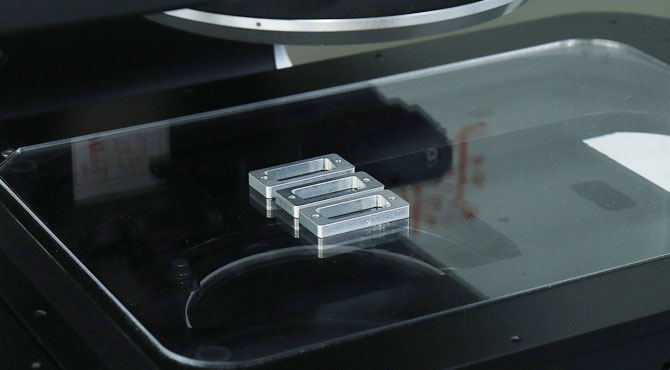
Precision CNC Manufacturing Process
From raw material to finished component, our process is defined by rigorous engineering, advanced technology, and strict quality control. Explore the steps we take to ensure your parts are manufactured with absolute accuracy and delivered on time.
Precision Manufacturing, Transparent Process
From blueprint to finished product, we define the precision and efficiency of every step.

1. Design Phase
Every CNC production process begins with a clear design. At this stage, we turn ideas into workable plans by defining the purpose, function, and shape of the part. This helps ensure the final product will meet both technical and practical needs.
1.1 Conceptualization: Our engineers work with you to understand what the part needs to do, how it should look, and any limits it must follow – like space, weight, or performance. From there, we sketch out the basic concept and direction.
1.2 CAD Modeling: Next, we bring the concept to life using CAD software such as SolidWorks, AutoCAD, or CATIA. We build a precise 2D or 3D model that includes every critical detail: dimensions, tolerances, and features. This model is the digital blueprint that guides the rest of the CNC production process.
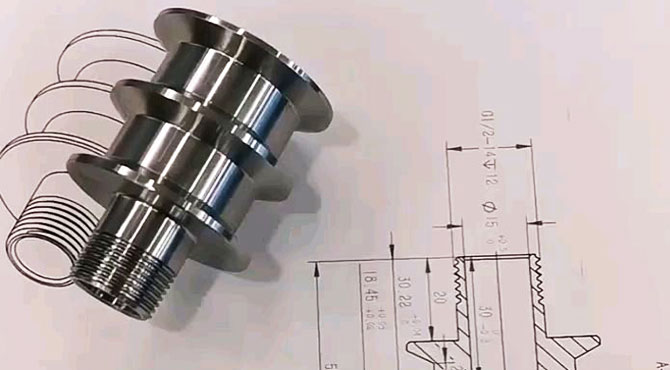
2. Programming Phase
Once the design is ready, the next step in the CNC production process is programming - this is where planning becomes action. We prepare everything the machine needs to cut, drill, or mill with accuracy.
2.1 CAM Integration: We bring the CAD model into CAM (Computer-Aided Manufacturing) software. Here, we map out how the machine will move – tool paths, entry points, and cut directions are all carefully planned.
2.2 G-Code Generation: The CAM system then turns this plan into G-code – a series of commands that tell the CNC machine exactly what to do, from how fast to cut to how deep to drill.
2.3 Simulation: Before we even touch a piece of material, we run simulations to preview the process. This helps us catch any errors early, saving both time and cost in the later stages of the CNC production process.
3. Material Selection
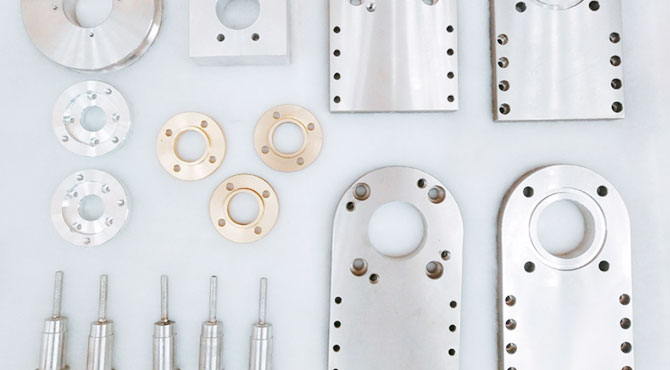
Choosing the right material is a key step in the CNC production process. It’s not just about picking metal or plastic - it’s about making sure the material fits the job, both in performance and precision.
3.1 Metal or Non-Metal: We start by selecting the best material for your part — aluminum, steel, titanium, brass, or high-grade plastics – depending on what your project needs in terms of strength, weight, or heat resistance.
3.2 Procurement: Once the material is chosen, we source the exact sizes and quantities needed, so there’s no waste and no delays.
3.3 Preparation: Then we cut the raw material down to the correct size and shape, getting it ready to be mounted on the CNC machine. This step helps ensure the rest of the CNC production process runs efficiently from the start.
4. Machine Setup
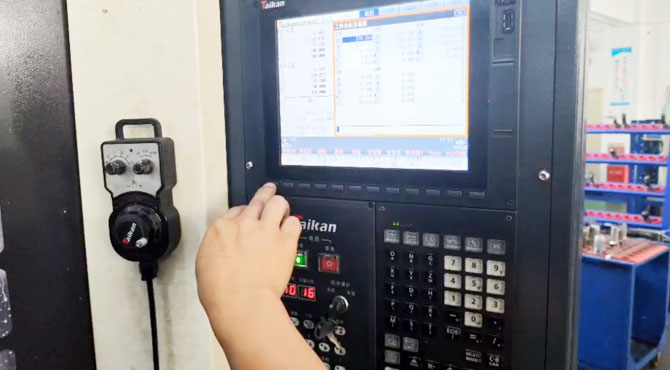
Before the machining begins, everything needs to be set up with care. This stage of the CNC production process makes sure the tools, materials, and machine are perfectly aligned for smooth and accurate operation.
4.1 Workholding: We securely fix the material onto the CNC machine using vices, clamps, or custom fixtures. This keeps the part stable during cutting, no matter how complex the operation.
4.2 Tool Selection: Next, we load the right cutting tools for the job – whether it’s end mills for milling, drills for holes, or lathe tools for turning. The correct tool setup is essential for clean, precise cuts.
4.3 Machine Calibration: We then set a zero point – the machine’s reference position – so every movement is measured from the correct starting location. This ensures high accuracy during machining.
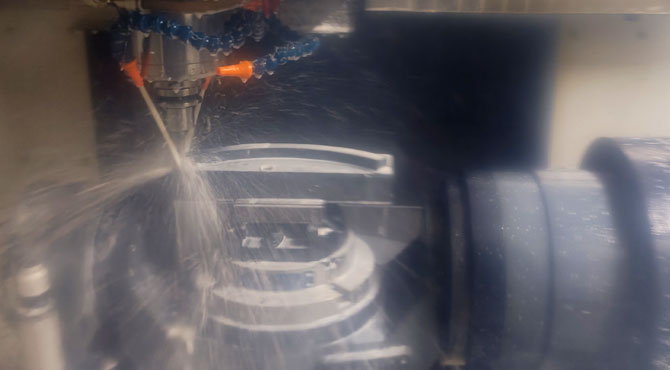
4.4 Cutting Fluids: Finally, we prepare the cooling and lubrication system to manage heat and reduce tool wear. A well-managed cutting environment means better results and longer tool life.
5. Machining Phase
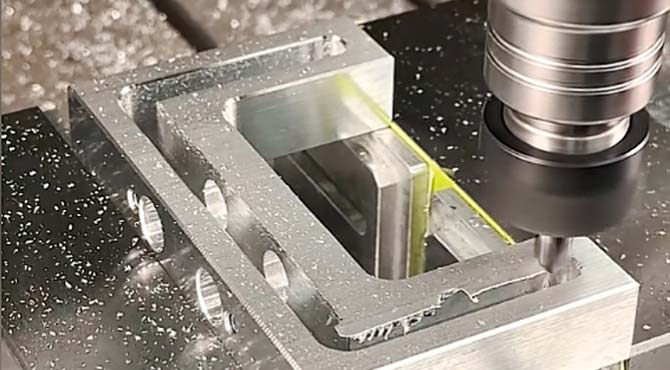
This is where the action happens. In this stage of the CNC production process, the machine brings your design to life by shaping the material into its final form - with precision and consistency.
5.1 Initial Machining:The CNC machine follows the G-code instructions step by step to perform operations like: Milling – cutting the material with rotating tools Turning – spinning the material while a tool shapes it Drilling – creating clean, accurate holes Grinding – smoothing the surface for a refined finish
5.2 In-Process Inspection:As the machine works, we check the part regularly using calipers, micrometers, or other tools. These inspections help catch any small variations early and ensure every part meets your exact size and quality requirements.
In this phase of the CNC production process, accuracy is everything – and we keep a close eye on every cut.
6. Quality Inspection
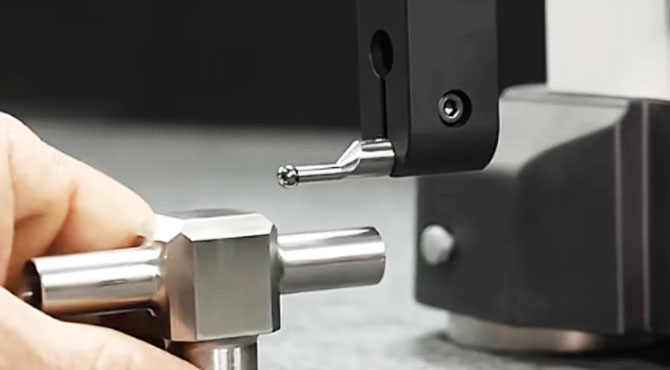
No part leaves our shop without a full check. In this part of the CNC production process, we carefully inspect every detail to make sure it meets your exact standards - and ours.
6.1 Dimensional Inspection:We measure each part using precise tools like calipers, gauges, or a CMM (Coordinate Measuring Machine) to confirm it’s the right size and shape, exactly as designed.
6.2 Surface Quality:We check for any imperfections like scratches, dents, or burrs that could affect performance or appearance. Clean finishes matter – both visually and functionally.
6.3 Tolerances:Finally, we make sure the part stays within the required tolerance range (for example, ±0.01mm). This ensures your parts will fit, function, and perform just as they should.
In the CNC production process, quality control isn’t just a final step – it’s a promise.
7. Post-Processing
After CNC machining, a few final steps help improve the part’s quality, safety, and durability:
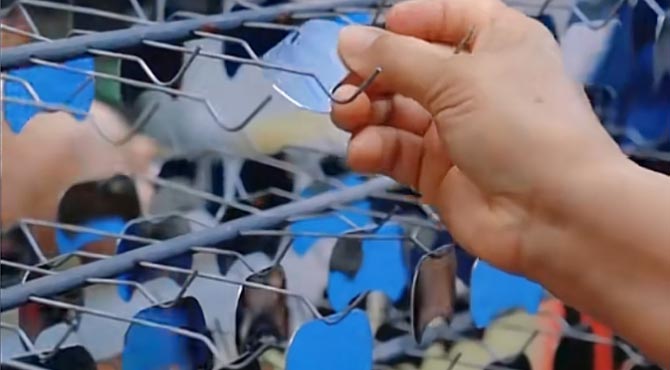
7.1 Deburring: Smooth out sharp edges or leftover burrs so the part is safe to handle and fits properly during assembly.
7.2 Surface Finishing: Treatments like anodizing, polishing, or painting give the part a cleaner look and protect it from rust, scratches, and wear.
7.3 Heat Treatment: Heating and cooling the material in a controlled way to make it stronger or harder, depending on what the part needs.
These finishing steps are key to getting a CNC part that’s not only precise, but also ready to perform well in real-world use.
8. Assembly (if applicable)
If the CNC project includes more than one part, the final step is putting everything together:
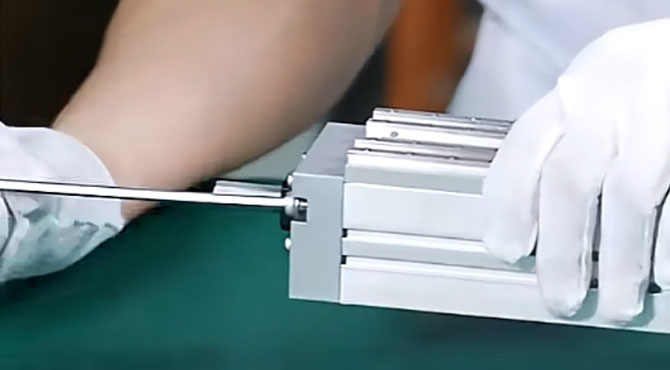
8.1 Assemble the Parts: Fit the machined pieces together according to the design. This could mean building a full product or just a part of it (a sub-assembly).
8.2 Check Fit and Alignment: Make sure all parts line up correctly and connect the way they’re supposed to.
8.3 Function Test: If required, test the assembly to confirm it works as expected before moving on.
Assembly turns precision-machined components into a complete and usable product – an important final step in the CNC production process.
9. Packaging and Shipping
Once the CNC parts are finished and ready, the final task is to get them safely to the customer:
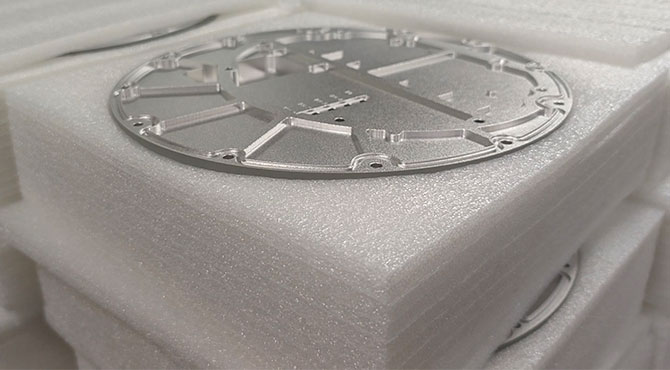
9.1 Protect the Parts: Use materials like foam padding, plastic wrap, or custom-made boxes to keep the parts secure during transport.
9.2 Add Clear Labels: Mark each package with important info – such as job numbers, customer names, or special handling instructions – to avoid mix-ups.
9.3 Arrange Delivery: Choose a reliable shipping method to make sure the parts arrive in good condition and on time.
Proper packaging and shipping help make sure all the effort that went into CNC production pays off – with the final product arriving safely and ready to use.
Why Our Process Works
Our CNC production workflow is designed not just for precision – but for real results our clients can count on:
– Consistent Quality: Every batch meets the same high standards, thanks to strict process control and repeatable setups.
– Faster Lead Times: Smart job preparation and efficient machine programming help us deliver quicker without cutting corners.
– Fewer Errors: By running simulations and checking designs upfront, we reduce mistakes before machining even begins.
– Reliable Delivery: With a streamlined process from start to finish, your parts arrive on time and ready to use.
– Lower Rework Rates: Accuracy at every step means less rework, saving time and money for both sides.
Our process doesn’t just make parts – it makes your projects smoother, faster, and more predictable.
01.Engineering and Preparation
Even before the machine tools are started up, our engineering team is already working to ensure the success of your project. We don’t just perform machining; we are your technical partner throughout the manufacturing process.
01.1 DFM (Design for Manufacturability) Analysis: Upon receiving your CAD/2D drawings, our senior engineers will review them within 24 hours. We not only verify dimensions but also identify potential risks (such as thin-wall deformation, difficulties in deep-hole machining, and tool interference), and provide optimization recommendations to reduce costs.
01.2 Intelligent Programming and Simulation: We use Mastercam/UG software to generate efficient toolpaths and perform software simulations to ensure zero collisions and zero overcutting in the programs.
02.Precision Manufacturing
Leveraging a cluster of high-end equipment and standardized operating procedures, we transform digital models into high-precision physical parts.
02.1 Raw Material Selection: We use only raw materials from renowned steel mills and suppliers, verifying material certificates before stocking to ensure quality from the source.
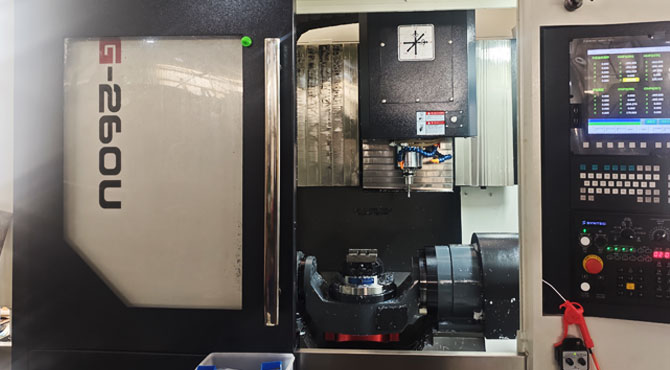
02.2 Multi-Axis Machining: Equipped with 5-axis machining centers from DMG MORI, MAZAK, and others, we achieve complex surface machining in a single setup, eliminating cumulative errors caused by multiple repositioning.
02.3 Process Control: Rough machining for stress relief, finish machining for dimensional accuracy. For difficult-to-machine materials such as stainless steel and titanium alloys, we employ custom cutting tools and cooling strategies to ensure surface finish.
03.Quality Assurance
Quality is built in, not inspected in. Nevertheless, we have established a rigorous three-tier inspection system to ensure that every part delivered to you meets the specifications outlined in the drawings.
03.1 First-piece Inspection: Before mass production begins, a full-dimension inspection of the first piece must be completed. Production lines may only commence after the first piece has been signed off.
03.2 In-Process Inspection: Operators conduct random checks of critical dimensions every 2 hours, monitor tool wear, and make timely adjustments to ensure consistent precision from the first part to the 1,000th.
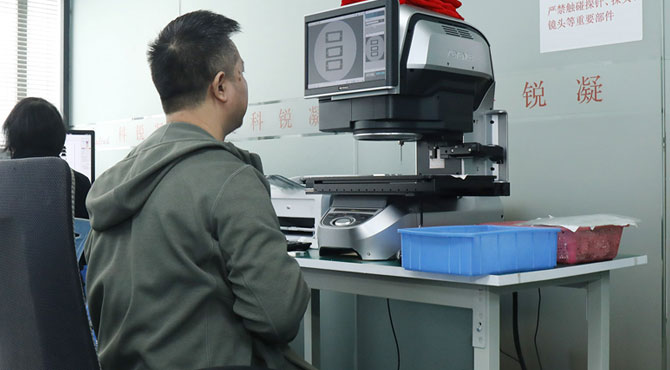
03.3 Final Shipping Inspection: Equipped with coordinate measuring machines, image measuring instruments, height gauges, and other equipment, we perform 100% verification of critical dimensions on finished products and can provide inspection reports with the shipment.
04.Surface Treatment and Delivery
We have integrated a comprehensive post-processing supply chain to provide you with a “one-stop” delivery experience, eliminating the hassle of sourcing external suppliers.
04.1 Surface Treatment Management: Whether it’s anodizing (multiple colors), nickel/zinc plating, electroless nickel plating, or sandblasting, brushing, and polishing, we maintain strict acceptance standards to ensure both appearance and performance meet specifications.
04.2 Professional Packaging and Logistics: We use rust-proof paper, vacuum packaging, and bubble wrap protection to ensure parts remain free from impact damage and oxidation during long-distance transport.