Materials for CNC Machining
We machine a wide range of materials to meet different performance and cost requirements. Our capabilities cover aluminum, stainless steel, brass, copper, and engineering plastics, suitable for both prototypes and mass production.
Not sure which material to choose? Our team provides practical recommendations based on your design, application, and budget – helping you get reliable parts without overengineering or unnecessary cost.
Materials We Support
We support a wide range of materials for CNC machining and custom manufacturing, covering metals, plastics, and engineering composites. All materials are sourced from certified and reliable suppliers to ensure consistent quality, traceability, and performance. Below are some of the commonly used materials, selected to meet different machining processes, tolerances, and application requirements across industries.


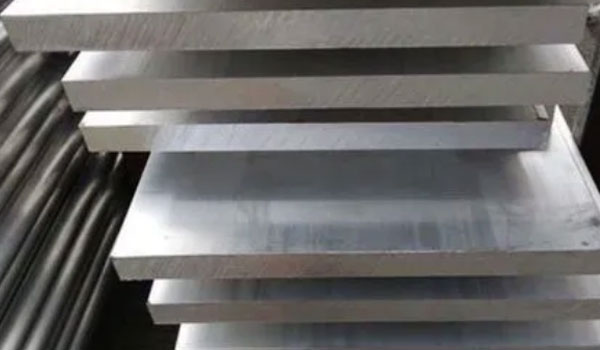
Aluminum Materials
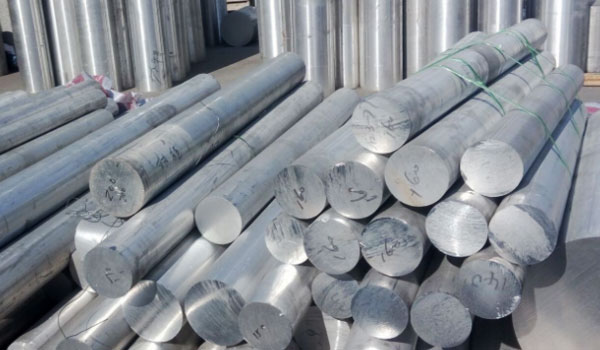
Aluminum Materials
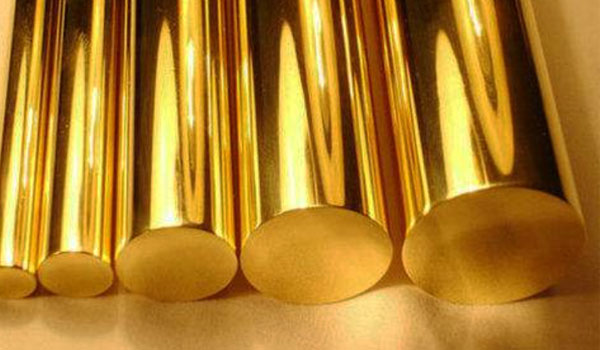
Brass Materials
Material Categories & Their Advantages (Specific)
Plastics
Plastics offer advantages such as corrosion resistance, electrical insulation, and lightweight performance, making them suitable for functional parts, housings, optical components, and more.
Acrylic:High clarity and good surface finish – widely used for displays, covers, and visual components.
ABS:Impact-resistant and versatile, commonly used for structural and appearance parts.
Nylon:Tough and wear-resistant—ideal for gears, sliders, and mechanical components.
POM (Delrin/Acetal):Excellent dimensional stability, ideal for precision moving parts.
PTFE (Teflon):Known for unmatched chemical resistance and non-stick properties – used for seals, insulation, and high-performance components.
PEEK:A high-performance engineering plastic with metal-like strength, high temperature resistance, and superb durability for demanding environments.
Polycarbonate:Transparent and highly impact-resistant – used for protective covers and optical elements.
PVC:Cost-effective with strong corrosion resistance, suitable for housings, piping, and general industrial components.
6061 Aluminum Alloy
7075 Aluminum Alloy
Brass H59
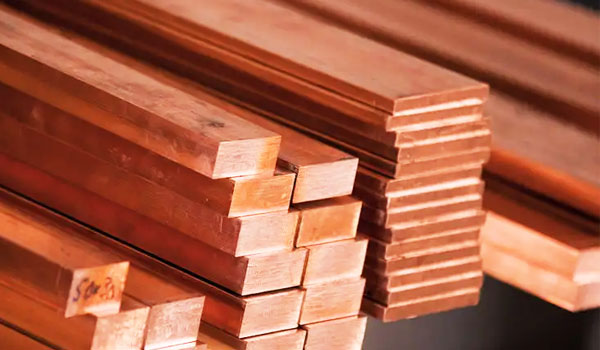
Pure Copper T2
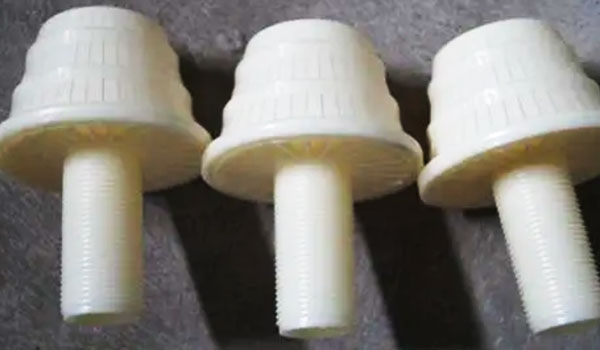
ABS Plastic
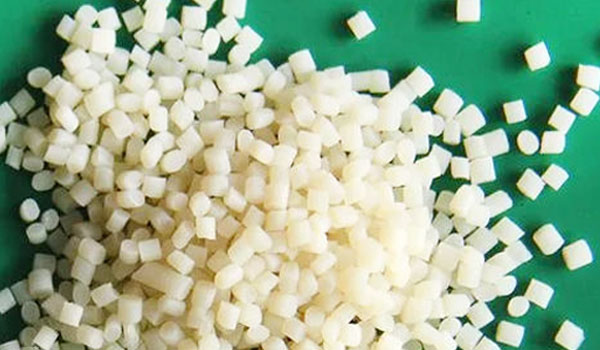
Polyoxymethylene-POM
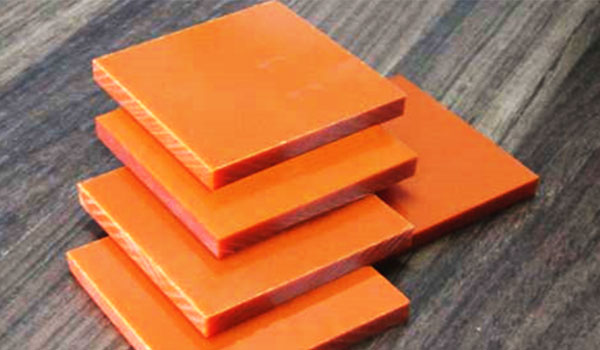
Bakelite
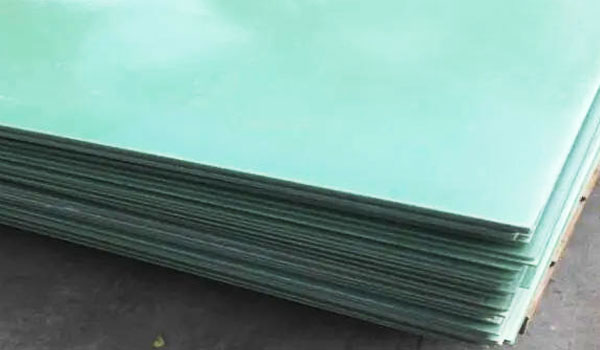
Epoxy Glass Fiber Board
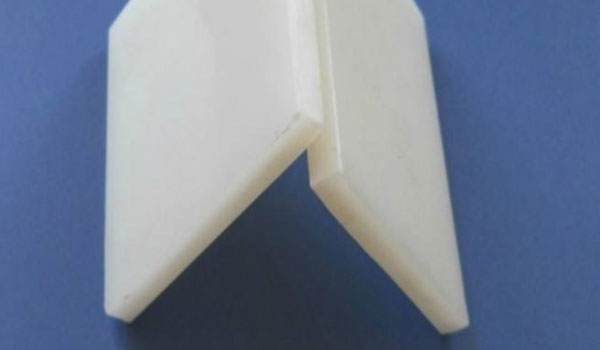
Nylon 6
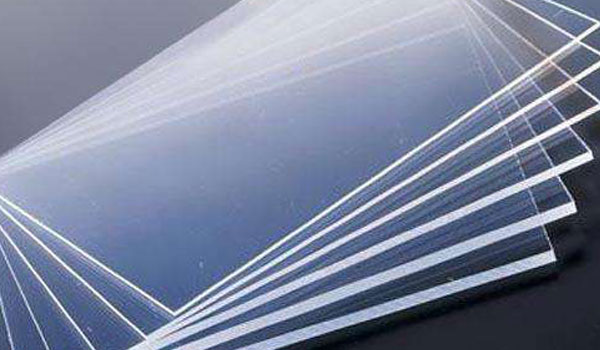
Polycarbonate – PC
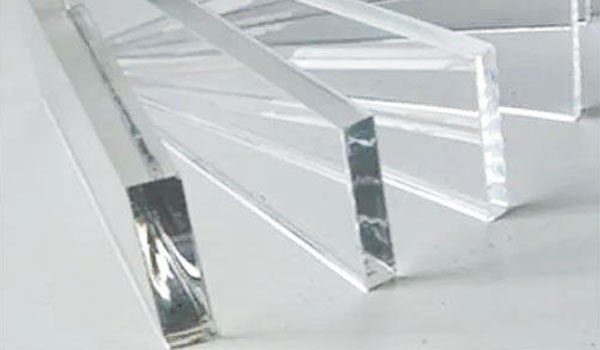
Acrylic
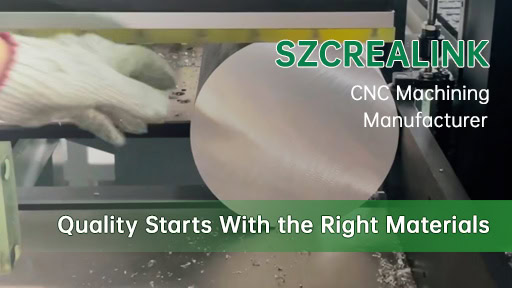
Quality Starts With the Right Materials
Every part we make begins with carefully selected raw materials. We don’t just “use” metal – we choose it. Each batch is checked for consistency, strength, and surface condition before it enters our workshop.
Aluminum for lightweight precision;
Stainless steel for durability;
Brass and copper for high stability;
Steel alloys for strength;
Titanium and engineering plastics for special performance needs.
By controlling material quality from the very beginning, we ensure every finished part is stable, accurate, and built to last.