A Complete Guide to Logo Marking for CNC Machined Parts
Many buyers underestimate logo application methods until they face issues like:
❌ Logos fading after use
❌ Inconsistent marking across batches
❌ Poor visual quality affecting brand image
A professional supplier doesn’t just “add a logo”—they recommend the right marking method based on material, finish, and application.
In this guide, we’ll break down:
All major logo application methods
Engineering differences between each method
Cost vs durability trade-offs
How to choose the best option for your parts
👉 And most importantly: how to ensure your logo enhances your product—not weakens it.
Table of Contents
1. Why Logo Application Matters in CNC Machining
Logo marking plays a critical role in:
1.1 Brand Recognition
A clean, durable logo increases perceived product value.
1.2 Traceability
Batch numbers, QR codes, and serial numbers are often required in:
Automotive
Aerospace
Medical
1.3 Compliance
Some industries require permanent marking for identification.
👉 This means logo marking is not cosmetic—it’s functional and strategic.
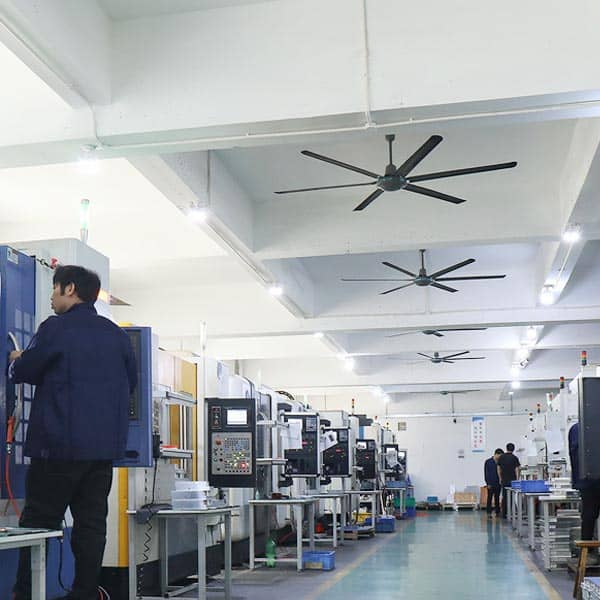
2. Our Machining & Logo Application Capabilities
We provide integrated CNC machining + finishing + marking solutions, ensuring consistency and efficiency.
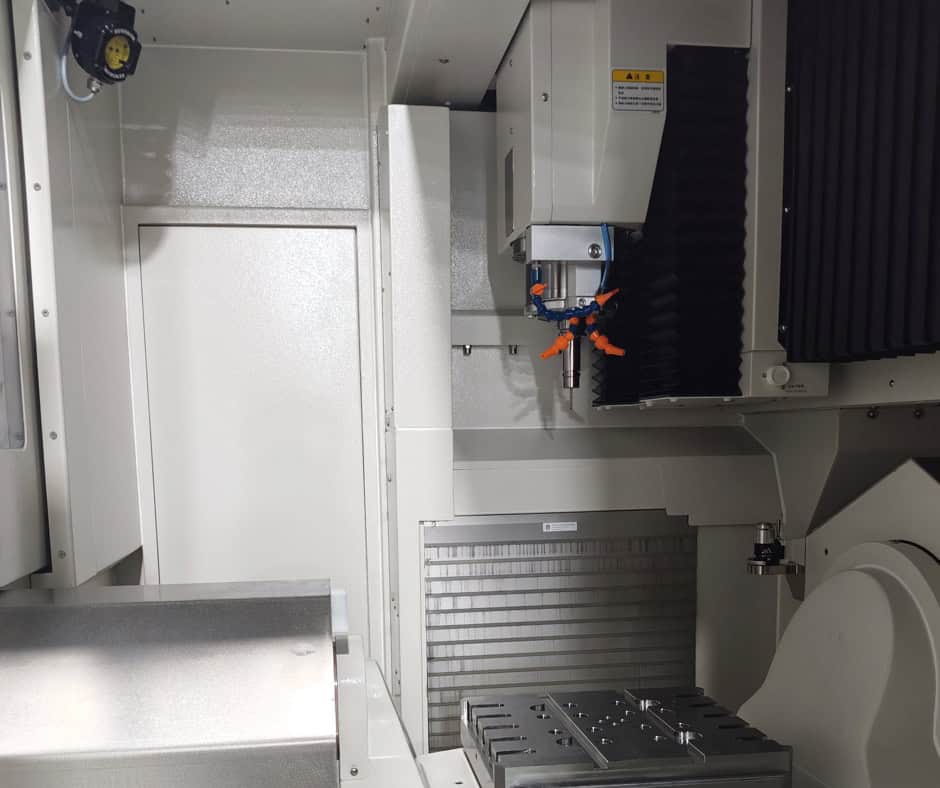
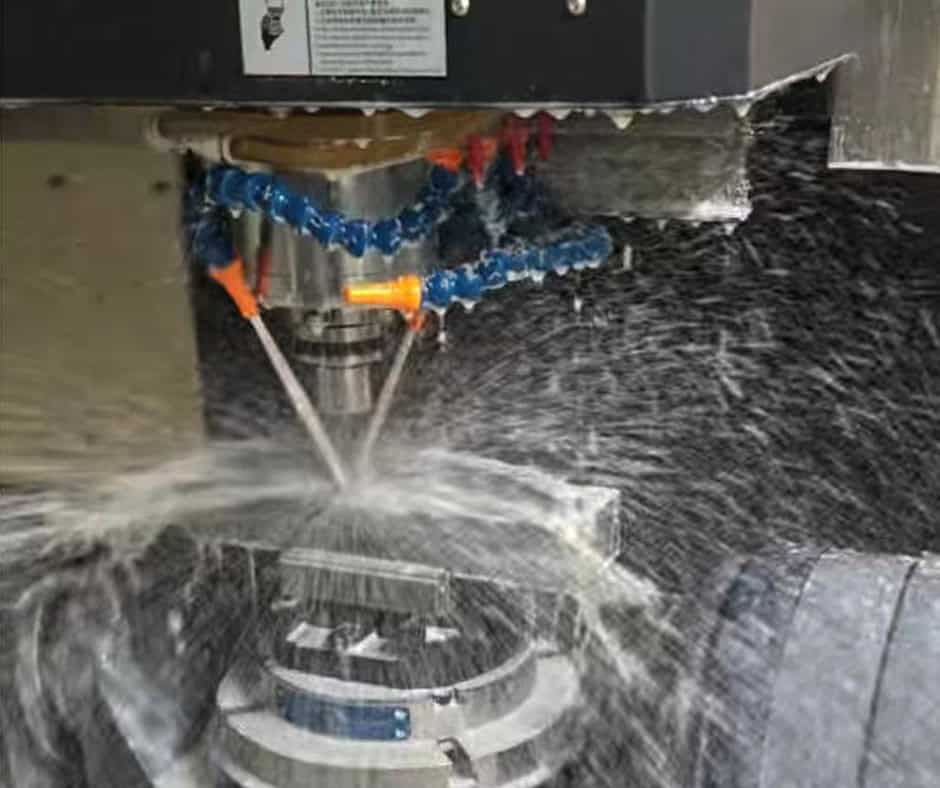
CNC Machining:
Milling (3/4/5 axis)
Turning
Swiss machining
Materials:
Aluminum
Stainless steel
Steel
Brass
Plastics
Logo Application Methods:
Laser engraving
CNC engraving
Silk screen printing
Pad printing
Etching
Embossing / debossing
UV printing
👉 This one-stop capability ensures shorter lead time, better alignment, and consistent branding.
3. Main Logo Application Methods Explained
3.1 Laser Engraving (Most Recommended)
Process:
A laser beam removes or alters the surface material to create the logo.
Advantages:
✔ Permanent marking
✔ High precision
✔ Works on metal and plastic
✔ No ink or chemicals
Best for:
Aluminum (especially anodized)
Stainless steel
Industrial components
Engineering Insight:
👉 On anodized aluminum, laser engraving removes the anodized layer, creating high contrast.
Conversion Tip:
👉 “Laser engraving is the most durable and cost-effective solution for long-term branding.”
3.2 CNC Engraving
Process:
Mechanical cutting using CNC tools to carve the logo.
Advantages:
✔ Deep, permanent marking
✔ Suitable for harsh environments
Limitations:
❌ Higher cost
❌ Longer machining time
Best for:
Heavy-duty industrial parts
Molds and tooling
3.3 Silk Screen Printing
Process:
Ink is applied through a mesh screen.
Advantages:
✔ Low cost
✔ Good for simple logos
✔ Suitable for flat surfaces
Limitations:
❌ Not very durable
❌ Can fade over time
Best for:
Indoor products
Consumer goods
3.4 Pad Printing
Process:
Transfers ink using a silicone pad.
Advantages:
✔ Works on curved surfaces
✔ Good detail reproduction
Limitations:
❌ Limited durability
Applications:
Small parts
Irregular shapes
3.5 Chemical Etching
Process:
Chemical reaction removes material to create markings.
Advantages:
✔ Fine detail
✔ Uniform finish
Applications:
Stainless steel plates
Nameplates
3.6 Embossing / Debossing
Embossing: raised logo
Debossing: recessed logo
Advantages:
✔ Premium look
✔ No fading
Limitations:
❌ Requires tooling
3.7 UV Printing
Process:
UV-cured ink printing directly onto surface.
Advantages:
✔ Full color logos
✔ High resolution
Limitations:
❌ Moderate durability
4. Comparison of Logo Application Methods
| Method | Durability | Cost | Precision | Surface Type | Best Use |
| Laser engraving | Very high | Medium | High | Metal/plastic | Industrial |
| CNC engraving | Extremely high | High | Medium | Metal | Heavy-duty |
| Silk screen | Low | Low | Medium | Flat | Consumer |
| Pad printing | Low-Medium | Low | High | Curved | Small parts |
| Etching | High | Medium | High | Metal | Nameplates |
| Embossing | Very high | High | Medium | Metal | Premium |
| UV printing | Medium | Medium | High | Various | Branding |
5. How to Choose the Right Logo Method (Engineering + Sales Approach)
Step 1: Material Type
Aluminum → Laser engraving / anodizing + laser
Steel → Laser / etching / engraving
Plastic → UV printing / pad printing
Step 2: Surface Finish
👉 Critical but often ignored:
Anodized → Laser works best
Powder coated → Laser or printing
Polished → Engraving preferred
Step 3: Durability Requirements
Outdoor / industrial → Laser or CNC engraving
Indoor → Printing options
Step 4: Logo Complexity
Simple logo → Any method
Complex / multi-color → UV or printing
Step 5: Budget
Low cost → Silk screen / pad printing
Premium → Engraving / embossing
6. High-Converting Customer Communication Template
Use this in emails or WhatsApp:
“To recommend the best logo application method, could you please share:
1.Material of the part
2.Surface finish
3.Logo design (file if available)
4.Durability requirement (indoor/outdoor)
We will suggest the most suitable and cost-effective solution for your project.”
👉 This positions you as a technical consultant, not just a supplier.
7. Common Mistakes to Avoid
❌ Ignoring surface finish compatibility
❌ Not testing logo visibility
❌ Skipping sample approval
👉 Result: customer complaints + rework cost
8. How Logo Application Increases Product Value
1. Stronger Brand Identity
Clear, consistent logos build trust.
2. Higher Perceived Quality
Precision marking = precision manufacturing.
3. Better Market Positioning
Premium marking methods justify higher pricing.
9. Why Work With a Supplier Offering Integrated Solutions
Choosing a supplier who handles machining + finishing + logo marking means:
✔ Better consistency
✔ Faster production
✔ Lower coordination cost
✔ One-point responsibility
👉 This reduces risk and improves efficiency.
10. Conclusion: Surface Treatment Is a Strategic Decision
👉 A branding tool
👉 A functional requirement
👉 A quality signal
If done correctly, it helps you:
Strengthen your product image
Improve customer trust
Increase market competitiveness
11. Ready to Apply Your Logo Professionally?
We support a full range of logo application methods tailored to your parts, materials, and usage scenarios.
👉 Send us your drawings and logo files, and we will recommend the best solution for performance, durability, and cost.