What Is 1018 Steel?
1018 steel is a low-carbon mild steel widely used in general engineering and manufacturing applications. It contains approximately 0.18% carbon, which gives it a balanced combination of strength, ductility, and machinability.
Because of its relatively low carbon content, 1018 steel is easy to form, weld, and machine compared to higher-carbon steels. It is commonly supplied in cold-drawn or hot-rolled condition and is often selected for shafts, pins, structural components, and precision-machined parts where moderate strength is sufficient.
Table of Contents
Naming, Standards & Common Terms
1018 steel belongs to the AISI/SAE carbon steel classification system. In this system:
•The first two digits (“10”) indicate plain carbon steel.
•The last two digits (“18”) indicate approximately 0.18% carbon content.
Common designations and equivalents include:
•AISI 1018
•SAE 1018
•ASTM A108 (cold-finished carbon steel bars)
•ASTM A29 (general carbon steel bars)
•UNS G10180 (Unified Numbering System)
In European standards, similar grades may be referenced under EN standards such as C15E, though exact chemical composition and mechanical properties may vary slightly.
It is important to distinguish 1018 steel from other low-carbon steels such as 1020 steel. While they are similar, small differences in carbon content can affect strength and hardness.
Key Properties & Performance Characteristics
1018 steel is chosen for its balanced mechanical behavior and processing flexibility.
Moderate Strength
It offers sufficient tensile and yield strength for general mechanical applications.
Why it matters:
Suitable for load-bearing components that do not require high-strength alloy steels.
Excellent Machinability
Cold-drawn 1018 machines cleanly with good surface finish.
Why it matters:
Reduces machining time and tool wear in CNC operations.
Good Weldability
Low carbon content minimizes cracking risk during welding.
Why it matters:
Allows fabrication without complex preheating procedures.
Ductility & Formability
1018 steel can be bent and formed without cracking.
Why it matters:
Useful for brackets, supports, and formed structural parts.
Surface Hardening Capability
Although not through-hardenable like high-carbon steel, it can be case hardened.
Why it matters:
Surface hardness can be improved for wear resistance while maintaining a tough core.
1018 Steel vs 1020 Steel
1018 steel and 1020 steel are often compared because both are low-carbon steels.
The primary difference lies in carbon content. 1020 steel contains slightly more carbon (around 0.20%), which results in slightly higher strength but slightly reduced ductility.
Strength
•1020 steel typically has marginally higher tensile strength.
•1018 offers excellent balance between strength and workability.
Machinability
•Both machine well, but cold-drawn 1018 often provides better dimensional consistency.
Weldability
•Both grades weld easily due to low carbon content.
Typical Use Cases
•Choose 1018 for precision shafts, pins, and machined parts.
•Choose 1020 when slightly higher strength is desired without moving to alloy steel.
For most general-purpose machining applications, the performance difference is modest.
Manufacturing, Processing & Practical Considerations
1018 steel is commonly processed through machining, welding, forming, and surface finishing.
Machining
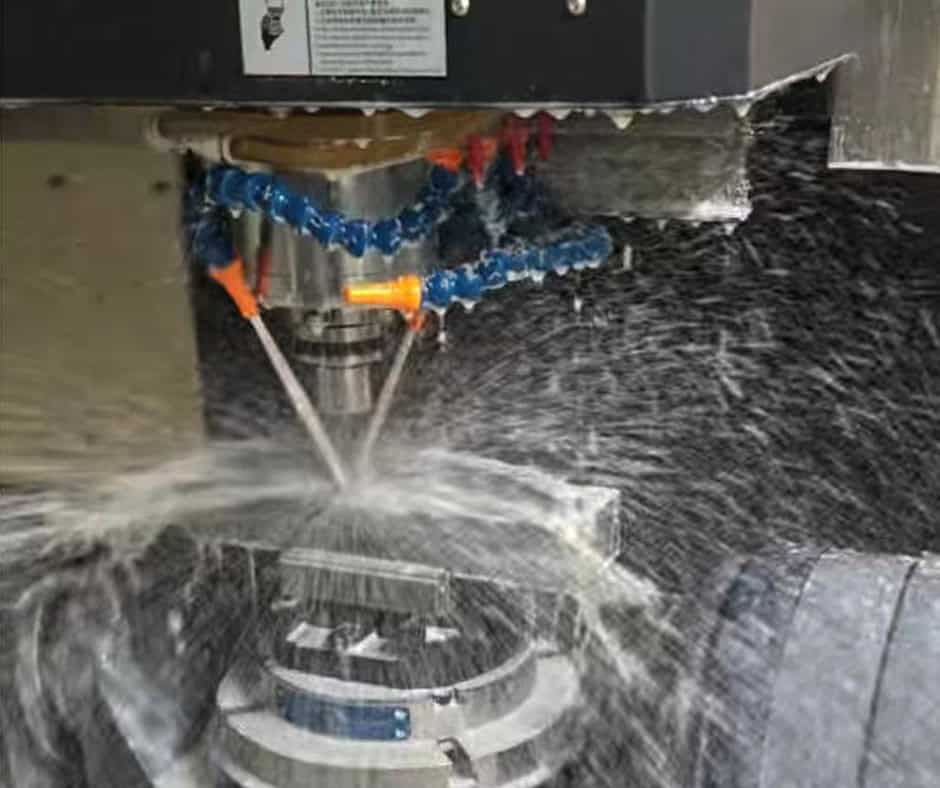
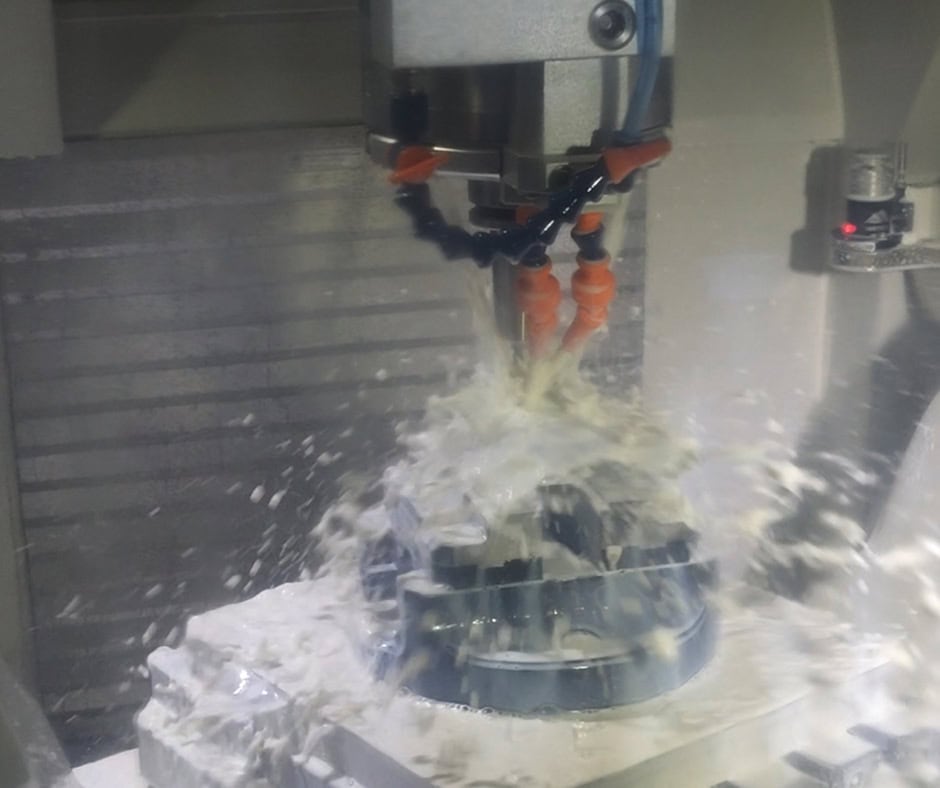
In practice, cold-drawn 1018 provides better dimensional accuracy and smoother surface finishes compared to hot-rolled material. Proper cutting speeds and tooling help prevent built-up edge during machining.
Welding
Due to its low carbon content, 1018 steel can be welded using standard MIG or TIG processes. Preheating is typically not required for thinner sections.
Heat Treatment
1018 is not suitable for through-hardening. However, case hardening processes such as carburizing can improve surface wear resistance.
Surface Treatment
It can be plated, painted, or coated to improve corrosion resistance since mild steel is susceptible to rust.
When working with 1018, selecting the correct supply condition (cold-drawn vs hot-rolled) significantly affects machining results and dimensional tolerance.
Typical Applications & Industries
1018 steel is widely used in industries where moderate strength and ease of fabrication are required.
General Machinery
Shafts, spindles, pins, and fasteners benefit from its machinability and strength.
Automotive
Used for brackets, studs, and non-critical structural components.
Construction & Fabrication
Plates, supports, and frames where welding and forming are needed.
Industrial Equipment
Custom machined parts that require consistent tolerances but not high alloy performance.
Its versatility makes it one of the most commonly specified mild steels in manufacturing.
Cost, Forms & Procurement Considerations
Several factors influence the cost and sourcing of 1018 steel:
Material Form
Common forms include:
•Round bar
•Square bar
•Flat bar
•Plate
•Cold-drawn bar
•Hot-rolled bar
Cold-drawn material typically costs more due to additional processing but offers improved tolerances and surface finish.
Volume
Larger orders reduce per-unit cost.
Processing Requirements
Additional machining, surface finishing, or case hardening increases total project cost.
Certification
Material test reports (MTRs) and compliance documentation may affect pricing but are often required in industrial applications.
Since 1018 is widely available, it is generally considered an economical choice among carbon steels.
FAQs About 1018 Steel
1. Is 1018 steel strong?
It provides moderate strength suitable for general mechanical components, but it is not as strong as alloy or high-carbon steels.
2. Can 1018 steel be hardened?
It cannot be effectively through-hardened, but it can be case hardened to improve surface wear resistance.
3. Is 1018 steel easy to machine?
Yes. Cold-drawn 1018 is known for good machinability and smooth surface finish in CNC operations.
4. Does 1018 steel rust?
Yes. As a plain carbon steel, it is prone to corrosion and typically requires coating or plating for protection.
5. What is the difference between hot-rolled and cold-drawn 1018 steel?
Cold-drawn 1018 offers better dimensional accuracy and surface finish, while hot-rolled material is usually more economical and suitable for less precise applications.