Why is machining expensive-yet still indispensable?
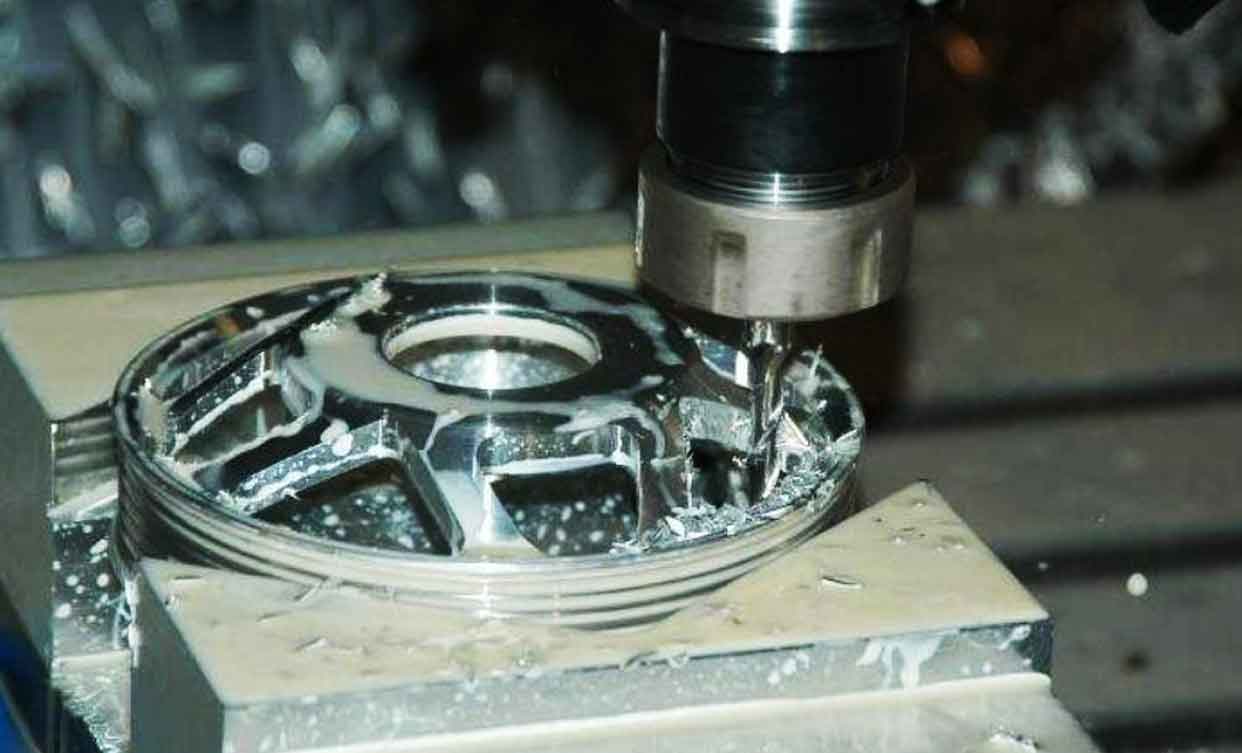
In the world of modern manufacturing, machining plays a foundational and irreplaceable role. But for those unfamiliar with the industry, it’s easy to wonder: if machining is so costly, why is it still a go-to choice for so many industries? Let’s explore what machining really is, the challenges it presents, and most importantly, why it remains such a vital part of production today.
Table of Contents
1.Understanding Machining
2.The Downsides of Machining
3.Why Machining Still Matters
3.1 No Need for Molds—Lower Upfront Costs
One of the biggest advantages of machining is its flexibility. There’s no need to invest in custom molds or dies. Instead, manufacturers can start production directly from CAD drawings or blueprints. This significantly reduces lead times and upfront development costs, making machining especially attractive for prototypes or small-batch orders.
3.2 Exceptional Precision
Machining excels when it comes to accuracy. With tolerances that can reach as fine as 0.01 mm—or even tighter—machining is the preferred method for parts requiring intricate detail and consistent dimensional stability. This makes it ideal for industries like aerospace, medical devices, and automotive engineering.
3.3 Superior Surface Finish
Even after surface treatments, components made through casting or forging often don’t match the smooth, polished finish achievable through machining. Additionally, machining is often used for secondary processes such as deburring, hole drilling, or detailed finishing, ensuring a higher-quality final product.
3.4 Speed and Stability
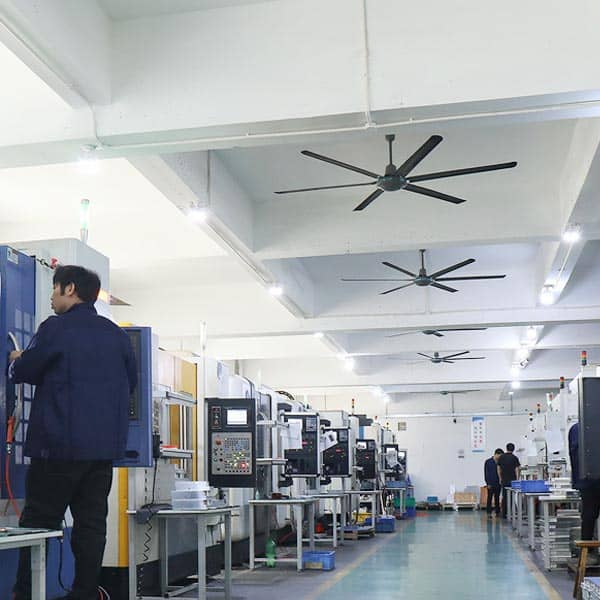
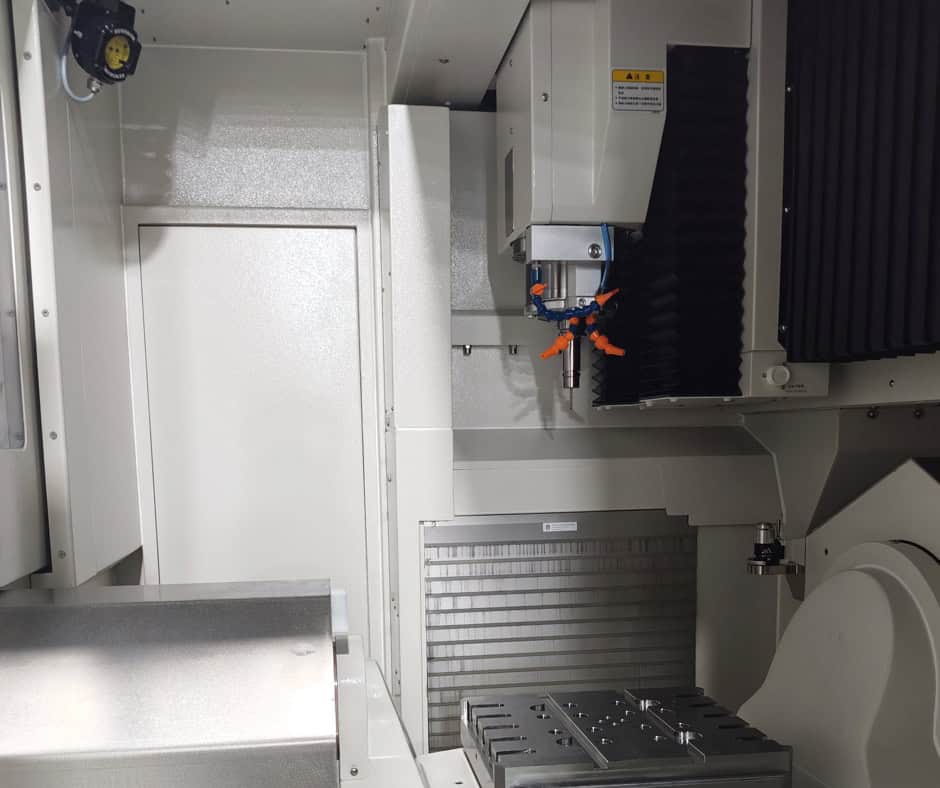
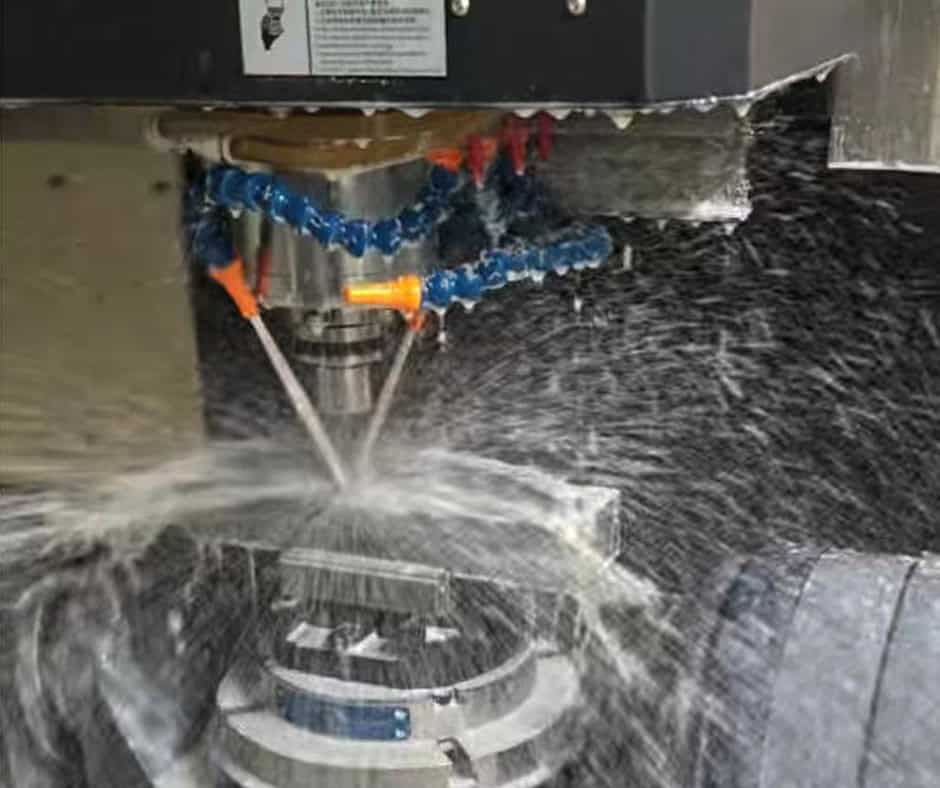
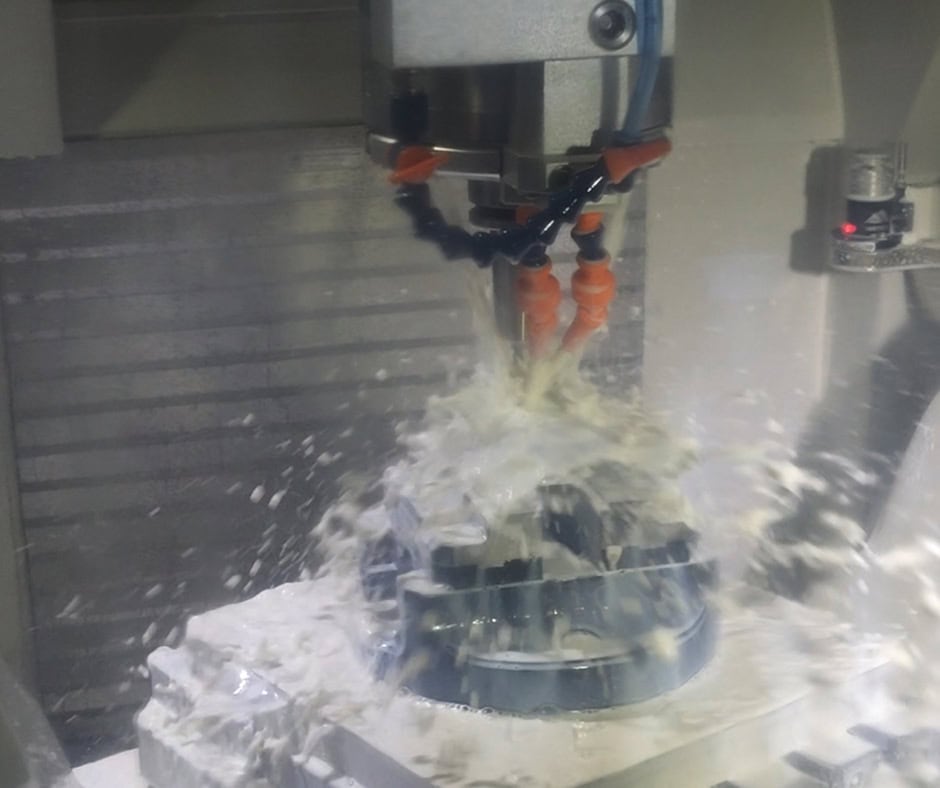
Contrary to the belief that machining is slow, modern CNC machines can handle high-speed operations and complex geometries efficiently. Combined with automation and precision, machining offers consistent results, reducing the likelihood of defects due to human error.
3.5 Versatility Across Materials and Designs
Whether you’re working with metal, plastic, or composite materials, machining offers broad compatibility. It can be used to produce everything from simple bolts to intricate custom components. This adaptability makes it invaluable for custom jobs and varied design requirements.