Introduction: What Is a Driver Box Base?
A Driver Box Base is the structural foundation of an electronic driver enclosure or control box. It serves as the primary mounting platform for electronic components such as driver boards, power supplies, controllers, terminal blocks, cooling modules, and wiring assemblies. The base also provides accurate positioning, structural support, and protection for internal components while ensuring reliable assembly with the enclosure cover.
Depending on the application, a Driver Box Base may perform several essential functions:
Supporting and locating electronic components
Providing mounting interfaces for PCBs and electrical hardware
Improving structural rigidity of the enclosure
Dissipating heat from electronic devices
Protecting internal components from vibration and mechanical impact
The most common manufacturing materials include:
Aluminum 6061 – Excellent machinability, lightweight, corrosion resistance, and thermal conductivity.
Aluminum 5052 – Better sheet forming capability for fabricated enclosures.
Stainless Steel 304/316 – Higher strength and corrosion resistance for harsh environments.
Carbon Steel – Cost-effective for industrial equipment with protective coatings.
This Driver Box Base is manufactured from Standard Aluminum 6061 using precision CNC machining, followed by white or black spray painting. Burrs are completely removed, surfaces are cleaned, and all dimensions follow customer engineering drawings and specified tolerances to ensure excellent assembly quality.
Table of Contents
Common Names & Industry Terminology
Although “Driver Box Base” is a widely used description, similar products may be referred to by different names depending on the industry.
Common industry terms include:
Driver Box Base
Driver Housing Base
Driver Enclosure Base
Controller Box Base
Electronic Control Box Base
Power Supply Housing Base
CNC Machined Enclosure Base
Electronics Housing Bottom Plate
Base Plate for Driver Module
Electrical Control Housing Base
Design Differences
Although these names often describe similar components, there are subtle differences.
| Name | Typical Application |
| Driver Box Base | Servo drivers, motor drivers, LED drivers |
| Controller Box Base | PLCs, industrial controllers |
| Housing Base | Mechanical enclosure component |
| Base Plate | Simple mounting platform without side walls |
| Enclosure Base | Complete housing bottom with sealing features |
Applicable Manufacturing Standards
Unlike standardized fasteners or bearings, Driver Box Bases are generally custom-manufactured according to customer drawings.
Common reference standards include:
ISO 2768 — General dimensional tolerances
ISO 8015 — Geometrical Product Specifications (GPS)
ISO 1101 — Geometric tolerancing
ASTM B221 — Aluminum alloy extrusions
ASTM B209 — Aluminum plate materials
RoHS and REACH compliance (when required)
In most industrial projects, the engineering drawing always takes precedence over general standards.
Key Performance Characteristics
1. High Structural Strength
Although Aluminum 6061 is lightweight, it provides excellent mechanical strength for supporting internal electronic assemblies.
Benefits include:
Stable mounting
Reduced deformation
Long service life
Excellent rigidity
2. Excellent Corrosion Resistance
Aluminum naturally forms an oxide layer that protects against corrosion.
After spray painting, the corrosion resistance improves even further, making the base suitable for:
Factory automation
Indoor industrial equipment
Light outdoor installations
Humid environments
3. Precision CNC Machining
Modern CNC machining ensures:
Accurate hole positioning
Tight dimensional tolerances
Flat mounting surfaces
Reliable component alignment
Precision machining minimizes assembly errors and improves production consistency.
4. Excellent Surface Finish
After machining, every component undergoes:
Burr removal
Edge smoothing
Surface cleaning
Spray painting (white or black)
The finished surface offers:
Better appearance
Improved corrosion protection
Reduced handling risks
Cleaner product presentation
5. Good Heat Dissipation
Aluminum 6061 has high thermal conductivity, allowing heat generated by electronic drivers and power modules to transfer efficiently to the enclosure.
This helps:
Reduce operating temperature
Improve component lifespan
Increase system reliability
6. High Assembly Accuracy
Proper machining ensures:
Consistent hole spacing
Accurate threaded holes
Flat sealing surfaces
Reliable cover installation
These characteristics simplify assembly and reduce production time.
7. Long-Term Reliability
A combination of quality material, precision machining, and protective coating provides excellent long-term performance under continuous industrial operation.
Driver Box Base vs. Sheet Metal Electrical Enclosure Base
Although both products serve as enclosure foundations, they are designed for different manufacturing methods and applications.
| Comparison | Driver Box Base (CNC Machined) | Sheet Metal Enclosure Base |
| Primary Application | Precision electronic equipment | General electrical cabinets |
| Manufacturing | CNC milling, drilling, tapping | Laser cutting, bending, welding |
| Dimensional Accuracy | Very high | Moderate |
| Structural Complexity | Complex pockets and machined features | Simple folded structures |
| Surface Finish | Excellent | Good |
| Cost | Higher | Lower for large enclosures |
Which One Should You Choose?
Choose a Driver Box Base when:
Precision positioning is critical
Multiple machined features are required
Electronic components require accurate alignment
Heat dissipation is important
Choose a Sheet Metal Base when:
Large enclosure size is required
Production volume is high
Cost reduction is the primary objective
Structural precision requirements are moderate
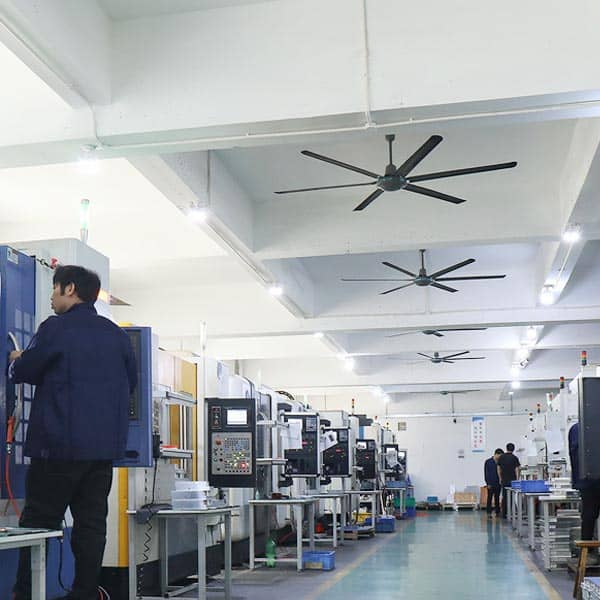
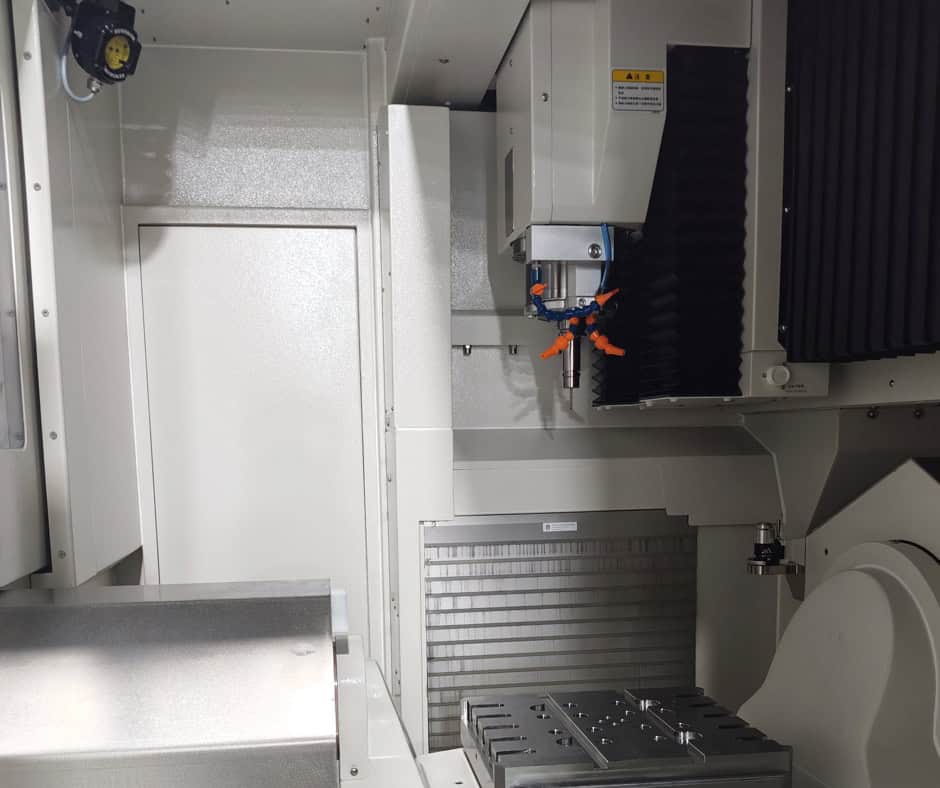
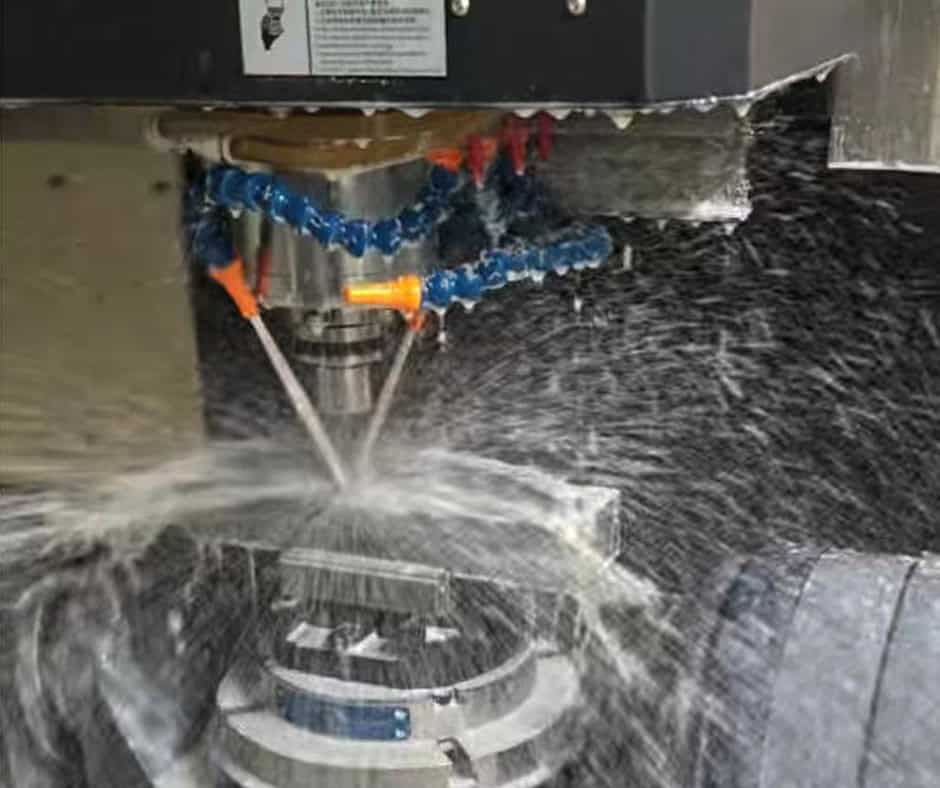
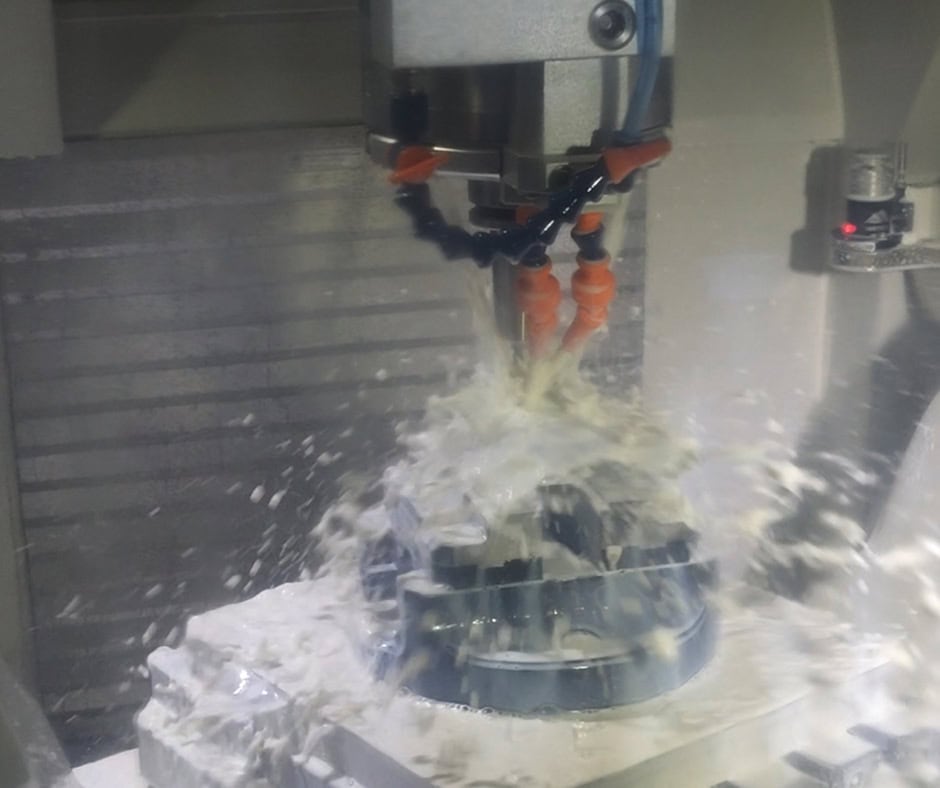
CNC Machining & Production Process
Manufacturing a Driver Box Base typically involves multiple precision machining operations.
Material Selection
Common materials include:
Aluminum 6061 (most common)
Aluminum 7075
Aluminum 5052
Stainless Steel 304
Stainless Steel 316
This product uses Standard Aluminum 6061, balancing strength, machinability, corrosion resistance, and cost.
Typical CNC Machining Operations
Production commonly includes:
CNC face milling
Pocket milling
Profile milling
Precision drilling
Reaming
Tapping
Counterboring
Chamfering
Thread machining
Manufacturing Challenges
Several critical factors must be carefully controlled during production:
Hole Position Accuracy
Driver modules often require precise mounting hole locations to ensure proper alignment.
Flatness Control
The mounting surface must remain flat to ensure stable installation and effective heat transfer.
Thin-Wall Deformation
Lightweight aluminum designs may include thin walls, requiring optimized cutting parameters to minimize distortion.
Surface Quality
Machining marks, scratches, and burrs must be minimized before coating.
Post-Processing
After machining, components typically undergo:
Complete burr removal
Ultrasonic cleaning
Surface inspection
White or black spray painting
Thread inspection
Dimensional inspection using CMM or precision gauges
Final visual inspection
Protective packaging
Applications
Driver Box Bases are widely used in numerous industrial sectors.
Industrial Automation
Used for:
Servo driver enclosures
PLC control systems
Motion control equipment
Industrial robots
CNC Machine Tools
Installed in:
Servo control boxes
Electrical cabinets
Motor driver systems
Machine control units
LED Lighting Systems
Used as the base for:
LED driver housings
Power supply enclosures
Intelligent lighting controllers
Renewable Energy Equipment
Common in:
Solar inverter systems
Battery management systems
Energy storage controllers
Charging equipment
Medical Equipment
Used in:
Medical power supply enclosures
Diagnostic instruments
Laboratory equipment
Precision control systems
Telecommunications Equipment
Applied in:
Communication power modules
Signal processing equipment
Industrial networking devices
Base station electronics
What Influences the Cost?
Several factors determine the final manufacturing cost of a Driver Box Base.
Material Grade
Aluminum 6061 offers an excellent balance of cost and performance.
Aluminum 7075 increases material costs but provides higher strength.
Stainless steel significantly increases machining time and tooling wear.
Machining Complexity
Cost increases with:
Deep pockets
Multiple setups
Precision threaded holes
Tight geometric tolerances
Complex 3D features
Quantity
Higher production volumes reduce unit cost through improved machine utilization and fixture efficiency.
Tolerance Requirements
Tighter tolerances require:
Additional machining passes
More frequent tool changes
Increased inspection time
Surface Treatment
Additional finishing options such as:
Spray painting
Anodizing
Powder coating
Sandblasting
all contribute to the total cost.
Inspection & Certification
Special requirements, including:
CMM inspection reports
Material certificates
RoHS/REACH compliance
First Article Inspection (FAI)
PPAP documentation
can increase manufacturing costs.
Available Supply Options
Manufacturers typically offer:
Prototype machining
Low-volume production
Medium-volume production
OEM manufacturing
Custom machining according to drawings
Fully assembled enclosure components
Frequently Asked Questions (FAQs)
1. What is the primary purpose of a Driver Box Base?
A Driver Box Base provides structural support, accurate positioning, and secure mounting for electronic drivers, controllers, and power modules while forming the foundation of an equipment enclosure.
2. Why is Aluminum 6061 commonly used?
Aluminum 6061 offers an excellent combination of strength, lightweight properties, corrosion resistance, thermal conductivity, and machinability, making it ideal for precision electronic housings.
3. Can Driver Box Bases be customized?
Yes. Most Driver Box Bases are custom-machined based on customer drawings, including dimensions, hole patterns, threaded features, surface finishes, and tolerance requirements.
4. What manufacturing process is typically used?
The production process generally includes CNC milling, drilling, tapping, chamfering, deburring, cleaning, surface coating, dimensional inspection, and final quality control.
5. Why are burr removal and cleaning important?
Removing burrs prevents assembly interference, protects wiring and components from damage, improves operator safety, and enhances the adhesion and appearance of the spray-painted finish.
6. What information is required for an accurate quotation?
To prepare an accurate quotation, manufacturers typically require:
2D drawings or 3D CAD files (STEP, IGES, or similar)
Material specification
Surface finish requirements
Quantity
Dimensional and geometric tolerances
Inspection or certification requirements
Delivery schedule and destination
Conclusion
A Driver Box Base is a critical structural component in electronic enclosures, combining mechanical support, precise positioning, and thermal management in a single machined part. Manufactured from Aluminum 6061 with precision CNC machining, followed by white or black spray painting, it delivers high dimensional accuracy, reliable long-term performance, and an attractive finish. Whether used in industrial automation, CNC machinery, renewable energy systems, medical devices, or telecommunications equipment, a well-designed Driver Box Base helps ensure stable assembly, efficient heat dissipation, and dependable operation throughout the product’s lifecycle.