Introduction: What Is PEI Ultem Amber?
PEI Ultem Amber refers to precision components manufactured from polyetherimide (PEI), a high-performance engineering thermoplastic widely recognized under the ULTEM™ material family. Characterized by its distinctive translucent amber color, PEI combines exceptional mechanical strength, dimensional stability, heat resistance, and electrical insulation, making it an excellent choice for demanding industrial and engineering applications.
Unlike commodity plastics, PEI maintains its mechanical properties even under elevated temperatures and repeated mechanical loading. It is frequently selected for components that require both precision machining and long-term reliability.
Typical functions of PEI Ultem Amber machined parts include:
Electrical insulation
Structural support
Precision positioning
Wear-resistant guidance
Lightweight replacement for metal components
High-temperature mechanical components
Although many industrial fixtures and brackets are traditionally manufactured from aluminum or stainless steel, PEI offers several unique advantages:
Lower weight
Electrical insulation
Excellent chemical resistance
High heat resistance
No corrosion
Reduced machining-induced stresses
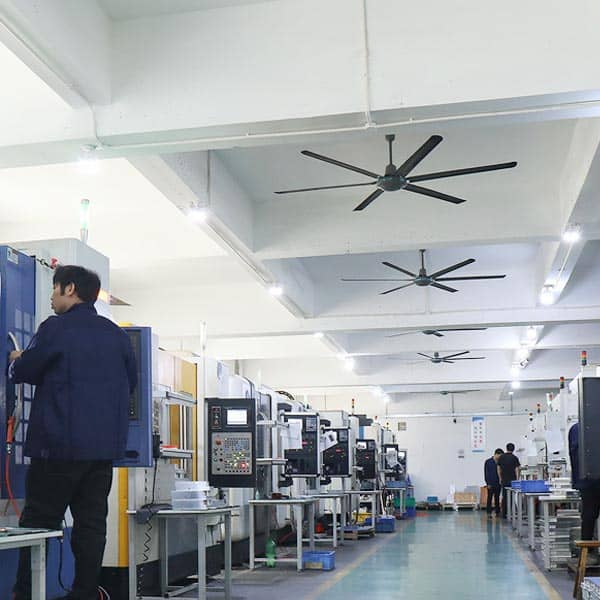
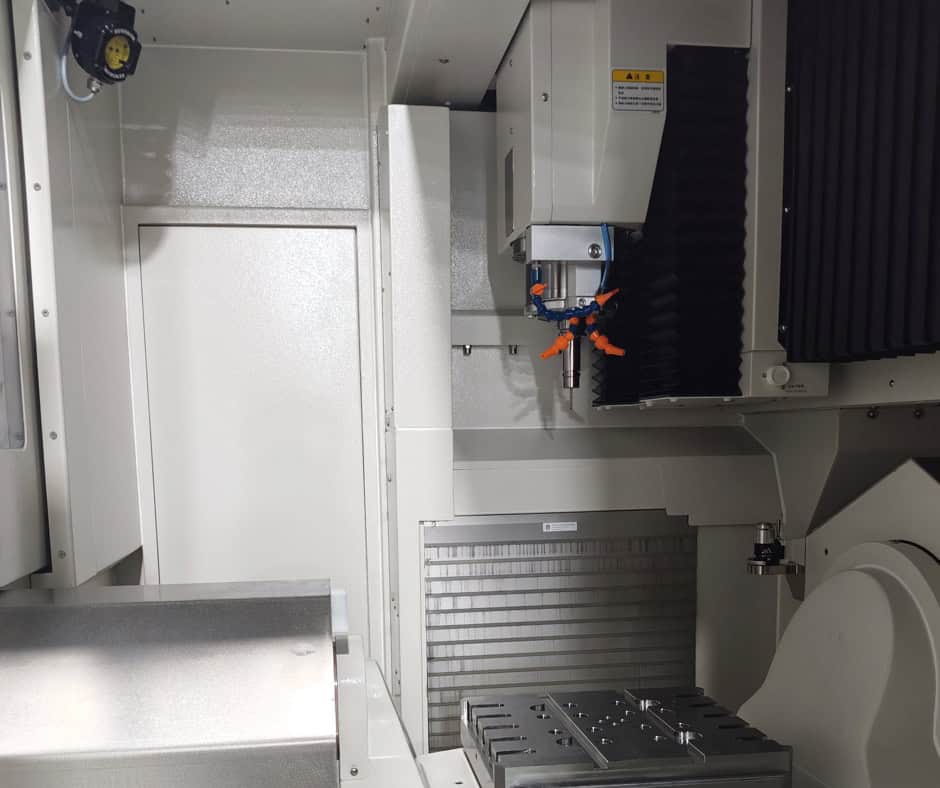
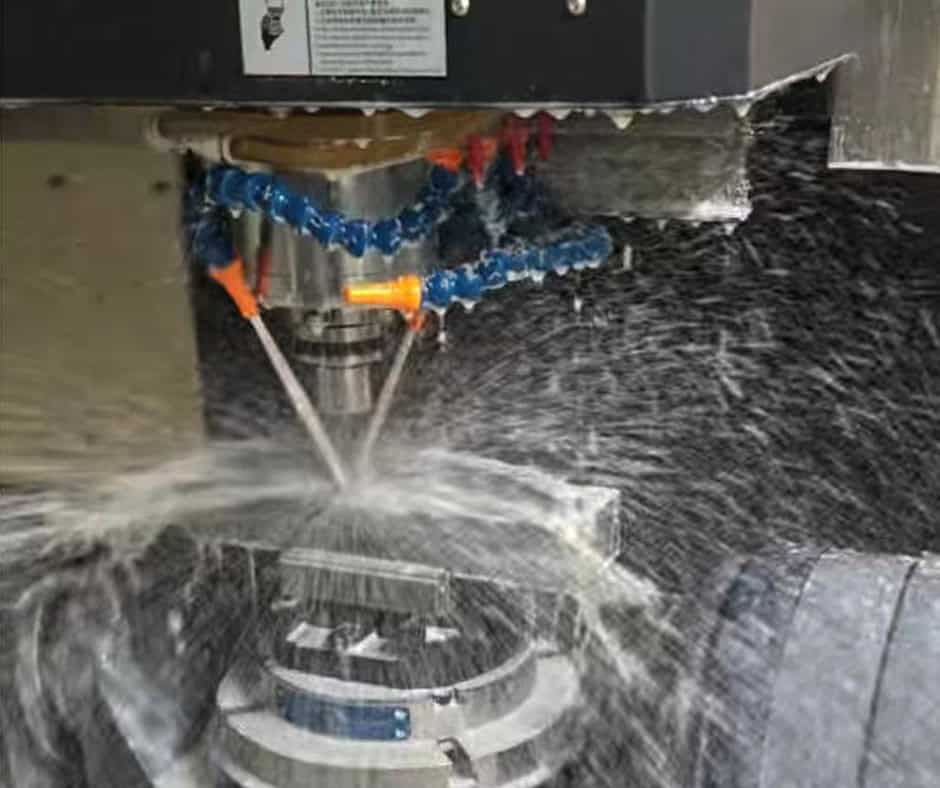
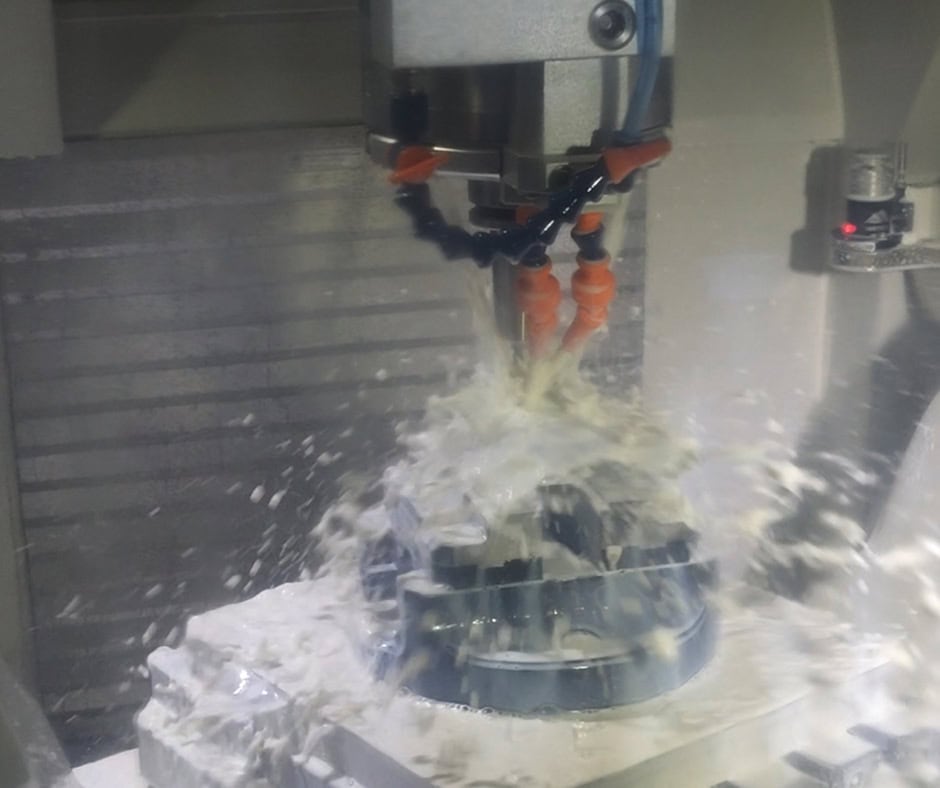
These parts are commonly manufactured using precision CNC milling, CNC turning, drilling, and tapping, allowing complex geometries while maintaining tight dimensional tolerances and excellent surface quality.
The example part described here features:
Material:PEI (ULTEM™ Amber)
Surface Finish:Deburring and smoothing
Surface Roughness:Ra 3.2 μm (125 μin) or finer depending on machining requirements
Table of Contents
Common Names & Industry Terminology
PEI components are known by several names depending on industry, supplier, or application.
Common terminology includes:
PEI Machined Parts
ULTEM Machined Components
ULTEM 1000 Parts
Polyetherimide Components
PEI Plastic Parts
Amber PEI Components
High-Temperature Plastic Parts
Precision PEI CNC Parts
CNC Machined ULTEM
Engineering Thermoplastic Components
Material Variants
Different grades are selected based on performance requirements.
| Material | Characteristics |
| ULTEM 1000 | Standard unfilled PEI with high strength and transparency |
| ULTEM 2100 | 10% glass fiber reinforced |
| ULTEM 2200 | 20% glass fiber reinforced |
| ULTEM 2300 | 30% glass fiber reinforced for higher rigidity |
| ULTEM 1010 | Medical and food-contact capable grades |
Glass-filled grades provide greater stiffness but are more difficult to machine.
Manufacturing Standards
PEI machined components may reference standards such as:
ISO 2768 (General tolerances)
ISO 1302 (Surface texture)
ISO 8015 (GPS principles)
ASTM D5205 (PEI material specification)
ASTM D638 (Mechanical testing)
ASTM D790 (Flexural properties)
In practical manufacturing, however, most PEI components are produced according to customer CAD models and engineering drawings, with dimensional tolerances and inspection requirements defined by the project rather than generic standards.
Key Performance Characteristics
1. Excellent High-Temperature Resistance
PEI maintains outstanding mechanical performance at temperatures that exceed the capabilities of many engineering plastics.
Typical advantages include:
Continuous service temperatures around 170°C
High heat deflection temperature
Low thermal expansion
Stable performance during thermal cycling
This makes PEI suitable for electronics, aerospace, and industrial equipment.
2. Outstanding Dimensional Stability
Precision mechanical assemblies require materials that maintain accurate dimensions.
PEI exhibits:
Very low creep
Low moisture absorption
Excellent dimensional consistency
Stable tolerances over long service life
These properties help maintain assembly accuracy without frequent recalibration.
3. High Mechanical Strength
Although considerably lighter than aluminum, PEI provides impressive structural strength.
Benefits include:
High tensile strength
Excellent rigidity
Good impact resistance
High fatigue resistance
It performs well in lightweight structural applications.
4. Superior Electrical Insulation
PEI is widely used where electrical isolation is essential.
Its properties include:
High dielectric strength
Excellent arc resistance
Low dielectric loss
Stable electrical performance over temperature
Common applications include semiconductor equipment, electrical fixtures, and connectors.
5. Excellent Chemical Resistance
PEI resists exposure to many industrial chemicals.
It performs well against:
Oils
Grease
Alcohol
Weak acids
Cleaning agents
This extends service life in demanding manufacturing environments.
6. Precision Machining Capability
PEI machines extremely well compared with many engineering plastics.
CNC machining can achieve:
Tight dimensional tolerances
Clean edges
Fine surface finishes
Complex geometries
Thin-wall features
The specified finish:
Deburring and smoothing (Ra 3.2 μm / 125 μin)
provides safer handling while reducing stress concentrations around machined edges.
7. Long-Term Reliability
PEI combines thermal stability, mechanical strength, and chemical resistance into a material suitable for long service life.
Advantages include:
Low maintenance
Minimal deformation
Long operating life
Stable mechanical properties
Excellent repeatability
PEI is often compared with PEEK because both are high-performance engineering plastics.
| Comparison | PEI Ultem | PEEK |
| Typical Applications | Electronics, fixtures, aerospace interiors | Medical implants, aerospace engines, chemical processing |
| Maximum Temperature | Very high | Extremely high |
| Mechanical Strength | Excellent | Superior |
| Chemical Resistance | Excellent | Outstanding |
| Machinability | Easier | More difficult |
| Material Cost | Lower | Significantly higher |
Which Should You Choose?
Choose PEI Ultem Amber when:
Electrical insulation is required
High temperatures are expected
Lightweight structures are preferred
Cost efficiency is important
Precision CNC machining is needed
Choose PEEK when:
Extreme chemical exposure exists
Continuous operating temperatures exceed PEI capabilities
Maximum mechanical performance justifies the higher material cost
CNC Machining & Manufacturing Considerations
Material Selection
Common PEI grades include:
ULTEM 1000
ULTEM 2100
ULTEM 2200
ULTEM 2300
Medical-grade ULTEM
Material selection depends on:
Mechanical loading
Temperature
Electrical requirements
Regulatory compliance
Wear resistance
Typical CNC Manufacturing Process
A typical production workflow includes:
1. Material preparation
2. CNC milling
3. CNC turning (if rotational features are required)
4. Drilling
5. Reaming
6. Thread milling or tapping
7. Chamfering
8. Edge deburring
9. Surface smoothing
10. Ultrasonic cleaning
11. Dimensional inspection
12. Final packaging
Manufacturing Challenges
Machining PEI requires careful process control.
Typical challenges include:
Heat Generation
Improper cutting parameters can soften the material and reduce surface quality.
Burr Control
Thin sections may develop small burrs requiring manual finishing.
Dimensional Stability
Internal stresses must be minimized to maintain accuracy after machining.
Surface Finish
Feed rate and tool sharpness significantly influence the final surface roughness.
Post-Processing
After machining, parts commonly undergo:
Deburring
Edge smoothing
Cleaning
Dimensional inspection
Visual inspection
Packaging
Unlike aluminum or stainless steel, PEI generally does not require anodizing or passivation.
Applications
Aerospace
Used in:
Cabin interior components
Electrical insulation parts
Lightweight brackets
Sensor housings
Electronics
Common applications include:
Test fixtures
PCB supports
Connector components
Insulating plates
Semiconductor Manufacturing
PEI is widely used for:
Wafer handling fixtures
Vacuum equipment components
Positioning blocks
Precision spacers
Medical Equipment
Typical applications include:
Diagnostic instruments
Laboratory fixtures
Sterilizable mechanical components
Precision positioning devices
Medical-grade PEI is available for applications requiring biocompatibility or repeated sterilization.
Industrial Automation
Used in:
Robot end-effectors
Guide blocks
Precision clamps
Sensor mounts
Custom fixtures
Automotive
Applications include:
Electrical insulation components
Testing fixtures
Lightweight structural supports
High-temperature sensor holders
What Influences the Price?
Several factors affect the manufacturing cost of PEI Ultem Amber components.
Material Grade
Standard PEI is more economical than glass-filled or medical-grade variants.
Machining Complexity
Features that increase cost include:
Deep cavities
Thin walls
Complex contours
Multiple setups
Tight tolerances
Surface Finish
Additional smoothing and polishing operations increase machining time.
Tolerance Requirements
Ultra-tight tolerances require more precise machining and additional inspection.
Order Quantity
Costs vary depending on production volume:
Prototype
One-off parts
Small batches
Medium-volume production
OEM manufacturing
Inspection Requirements
Additional certifications such as:
First Article Inspection (FAI)
CMM reports
Material certificates
Dimensional inspection reports
can increase total production cost.
Frequently Asked Questions (FAQs)
1. What is PEI Ultem Amber mainly used for?
PEI Ultem Amber is primarily used for precision components requiring high temperature resistance, electrical insulation, dimensional stability, and lightweight performance in industries such as aerospace, electronics, medical devices, and industrial automation.
2. Why choose PEI instead of aluminum?
PEI offers excellent electrical insulation, lower weight, corrosion resistance, and outstanding thermal stability. It is ideal when metal conductivity or weight would be a disadvantage.
3. Can PEI Ultem parts be custom CNC machined?
Yes. PEI is well suited to custom CNC milling, turning, drilling, tapping, and complex precision machining based on customer CAD files or engineering drawings.
4. What surface finish can be achieved on PEI machined parts?
Typical machined finishes range from **Ra 3.2 μm (125 μin)** to finer values, depending on the machining process and application requirements. Deburring and edge smoothing improve handling safety and reduce stress concentrations.
5. What information is needed for an accurate quotation?
To prepare a quotation, manufacturers typically require:
2D drawings or 3D CAD files (STEP, IGES, or similar)
Material grade (e.g., ULTEM 1000 or glass-filled PEI)
Quantity
Tolerance requirements
Surface finish specification
Inspection or certification requirements
Delivery schedule
6. Is PEI suitable for high-temperature industrial environments?
Yes. PEI retains excellent mechanical properties at elevated temperatures and offers long-term dimensional stability, making it a reliable choice for demanding industrial applications where conventional plastics would deform or lose strength.
Conclusion
PEI Ultem Amber is one of the most versatile high-performance engineering thermoplastics available for precision CNC machining. Combining high heat resistance, exceptional dimensional stability, electrical insulation, and excellent machinability, it serves as an ideal material for components used in aerospace, electronics, semiconductor manufacturing, medical equipment, industrial automation, and automotive systems. With precision CNC processing, deburred edges, and a Ra 3.2 μm surface finish, PEI machined parts deliver the reliability, accuracy, and long service life required for modern engineering applications.