Why Is Aerospace Parts Machining So Challenging?
Table of Contents
The aerospace industry stands at the forefront of engineering and innovation. At its core lies the need for highly reliable and precise components to ensure the safety and performance of aircraft and spacecraft. As the industry grows, the demand for quality aerospace parts machining continues to rise. However, producing such components is far from easy—there are many challenges and strict requirements to meet.
Why Aerospace Parts Are Difficult to Machine
1.One major challenge is the materials
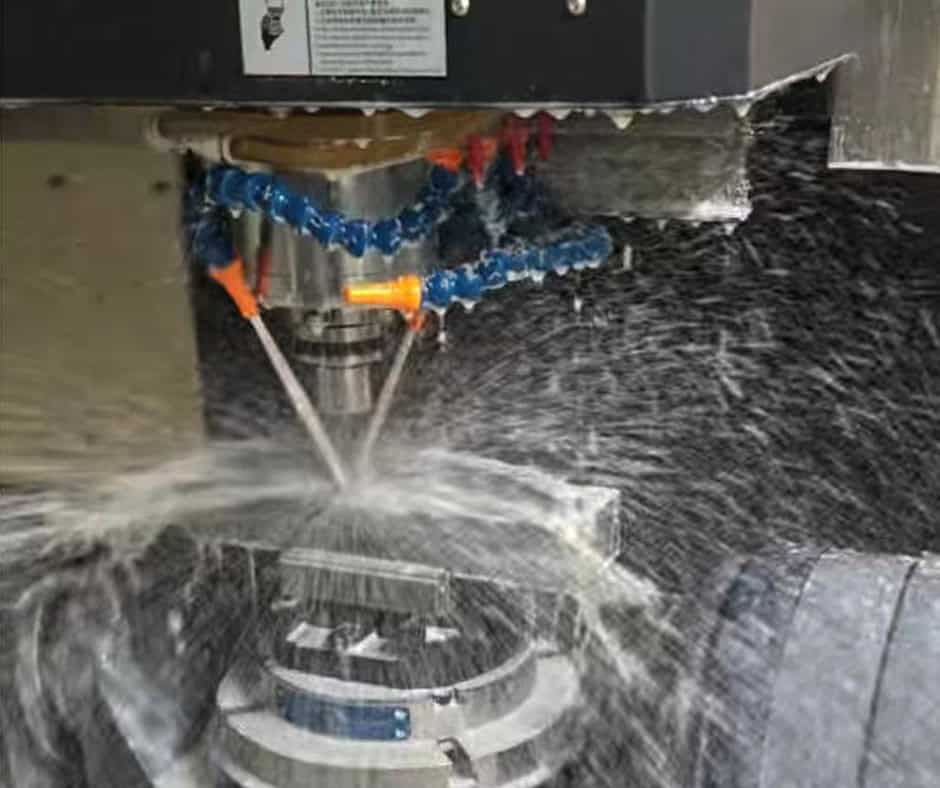
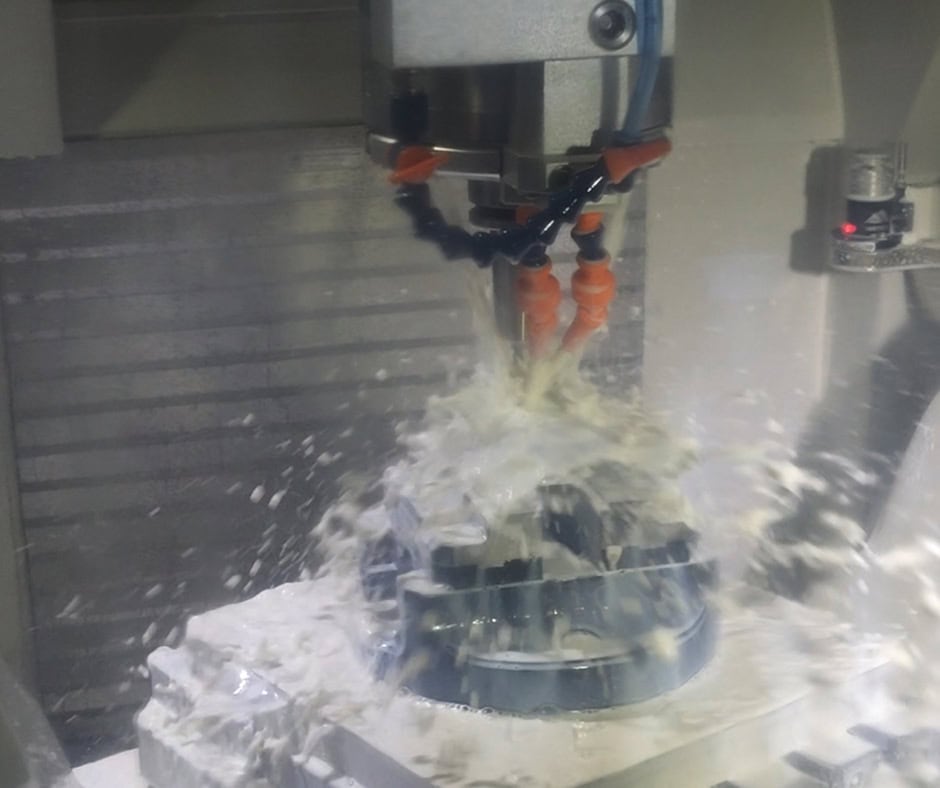
Aerospace components often use special materials like titanium alloys, high-temperature alloys, and nickel-based alloys. These materials are known for their strength, hardness, and heat resistance—but that also makes them difficult to machine. For example, titanium alloys are tough and have low plasticity, which makes cutting harder and causes tools to wear quickly or even stick to the material.
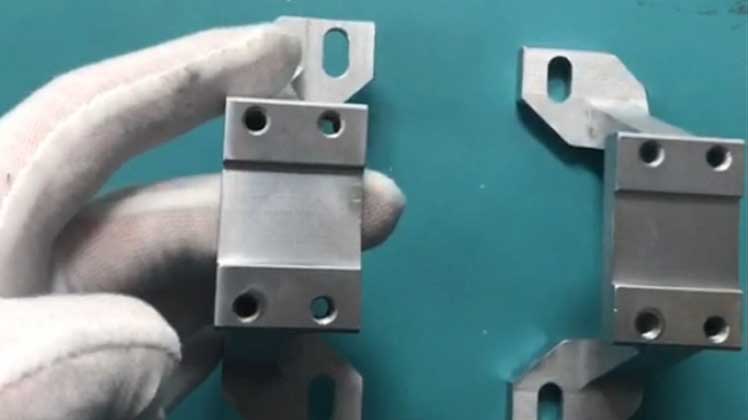
2.Another challenge is the complex manufacturing process
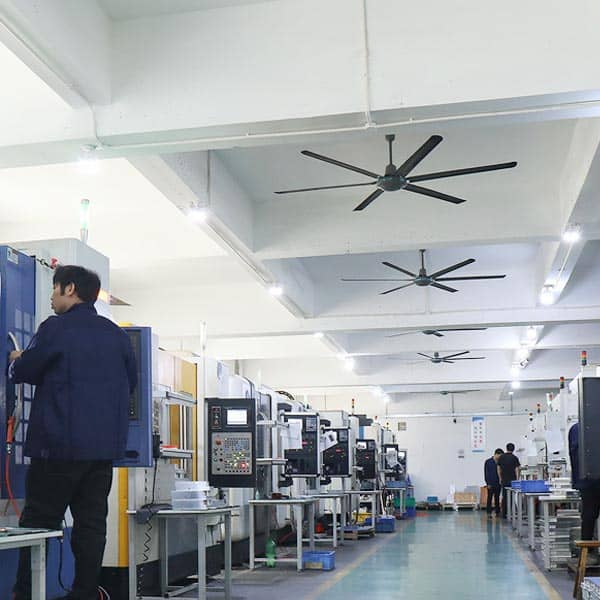
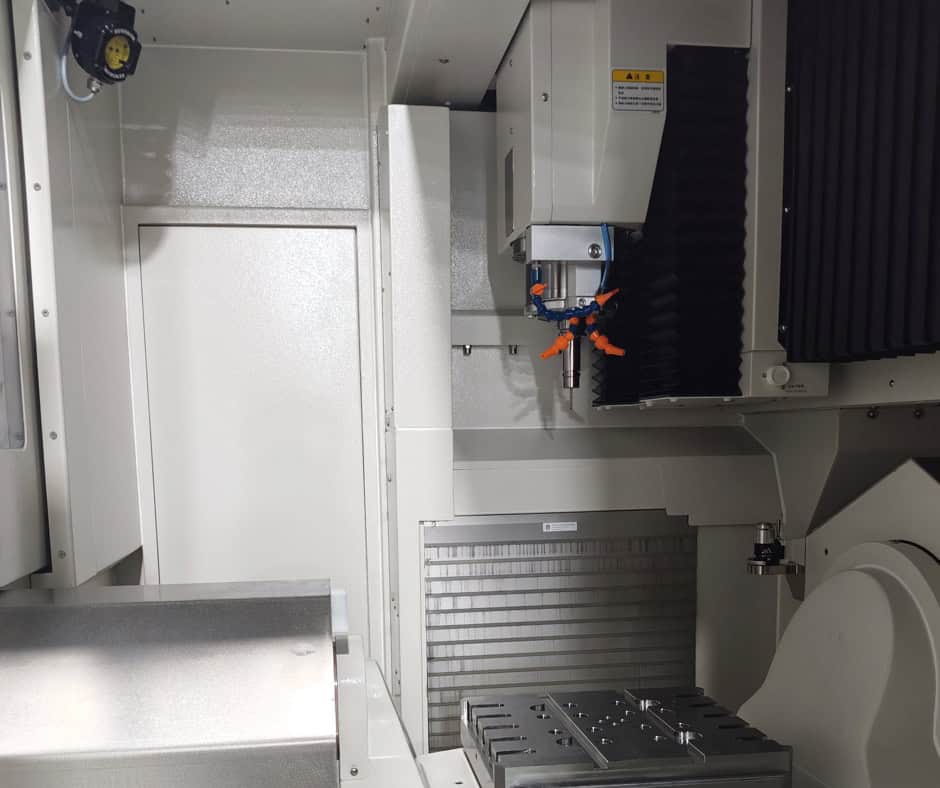
Aerospace parts often go through multiple stages—such as cutting, grinding, and assembling. Every stage requires high precision, and any deviation could affect performance. Especially for precision machining, technologies like CNC machining centers and wire EDM are required to maintain tolerances within microns.
3.Surface Quality and Finishing Requirements
In addition to accuracy, surface quality is critical. Aerospace parts often need to meet extremely high standards for smoothness, hardness, and resistance to contamination. Traditional surface treatments like manual polishing are not enough. Specialized finishing processes are necessary to meet aerospace-grade requirements.
4.Key Features of Aerospace Parts
4.1 Material Requirements
Aerospace parts must perform under extreme conditions. That’s why they require materials that are:
High strength and low weight
Corrosion-resistant
Heat-stable at high temperatures
Common aerospace materials include:
High-strength aluminum alloys (e.g., 7075): lightweight and corrosion-resistant
Titanium alloys: high strength-to-weight ratio, often used in engines and fasteners
Superalloys: retain strength at high temperatures, used in turbines and engine nozzles
Carbon fiber composites: reduce weight while maintaining rigidity and durability
4.2 Manufacturing Process
High precision machining is a must. Processes include:
CNC milling and turning
Heat treatment for hardness and strength
Welding and riveting
Surface treatments for wear and corrosion resistance
Every step must meet strict dimensional, thermal, and structural standards.
4.3 Machining Difficulties
Machining aerospace parts is technically demanding:
Complex shapes with tight tolerances
Hard-to-machine materials like superalloys
Large part sizes requiring specialized equipment
Strict quality control to meet international standards
5.Final Thoughts
Aerospace parts machining is all about precision, reliability, and consistency. From material selection to final inspection, every detail matters. Manufacturers must understand the technical requirements and be able to deliver with confidence. Working with experienced CNC machining partners is essential to ensure flight safety and long-term performance.