Why CNC Machining Is Critical to the Robotics Industry?
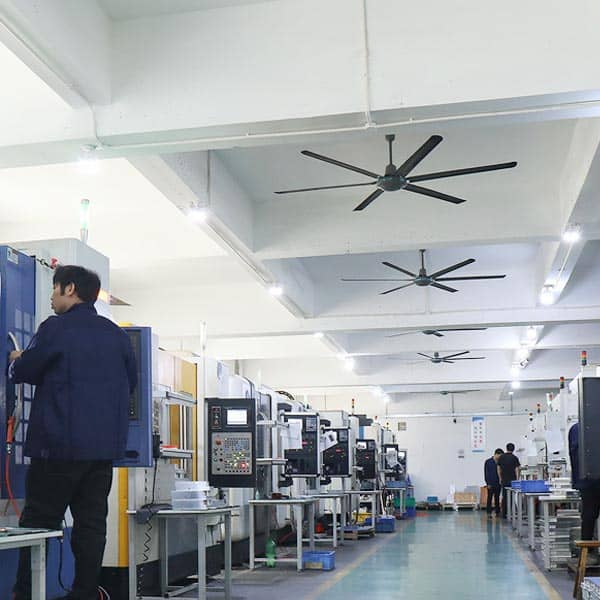
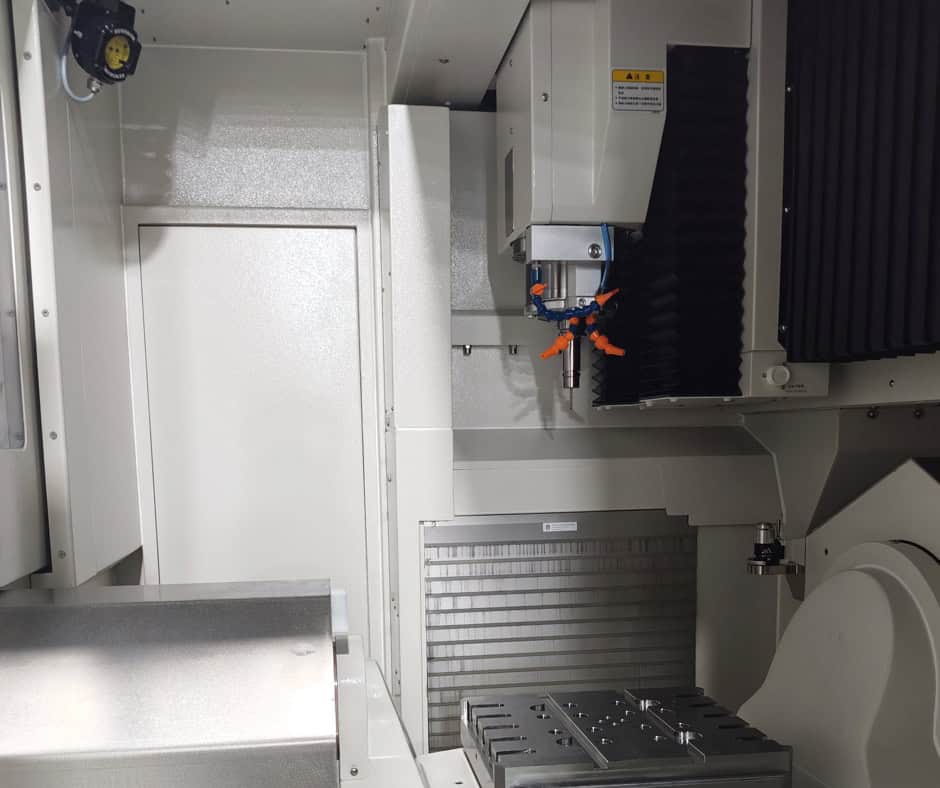
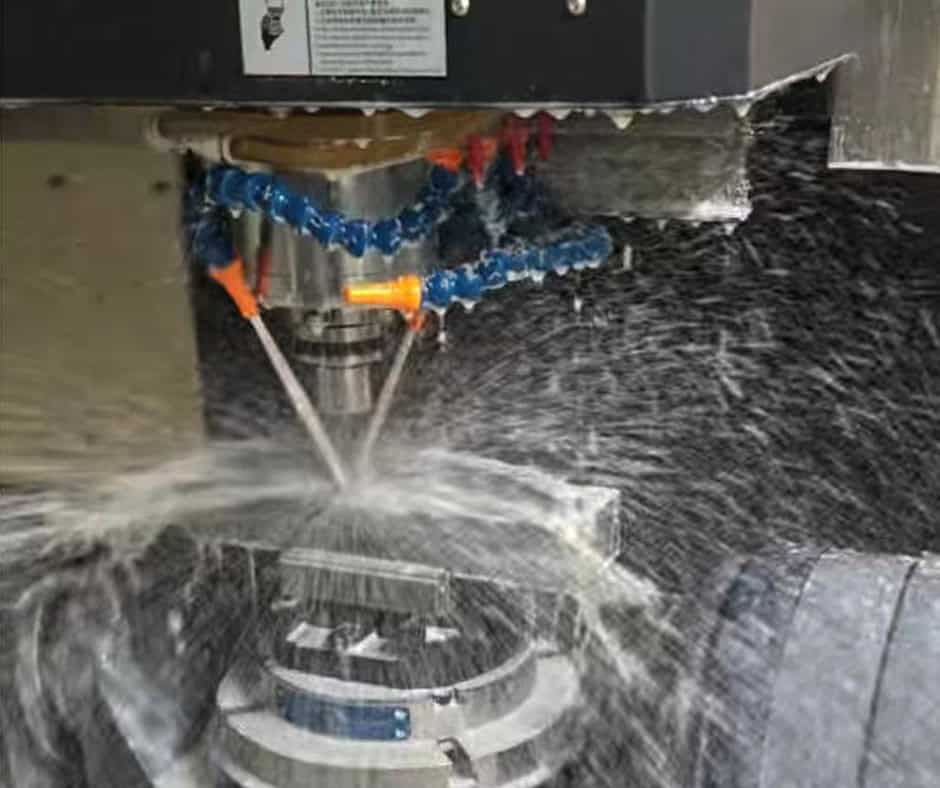
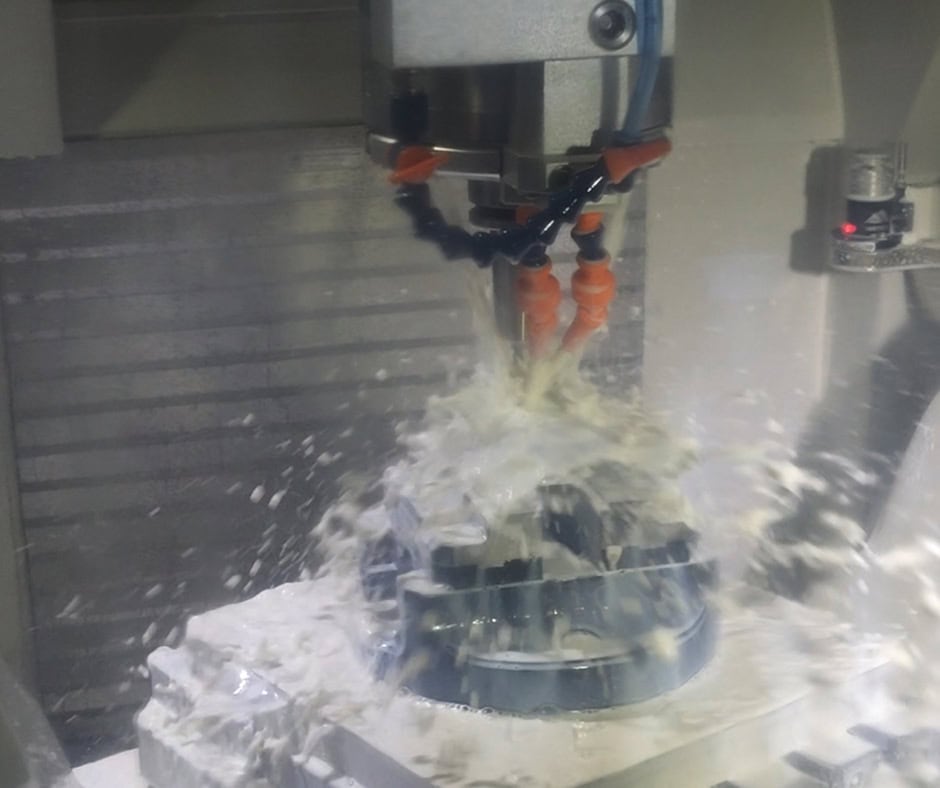
In today’s advanced manufacturing landscape, robotics technology plays a vital role in driving industrial automation and intelligent production. As robots become more integrated into various industrial applications, the importance of precision in their construction cannot be overstated. CNC (Computer Numerical Control) machining is at the heart of this precision, offering unmatched accuracy, efficiency, and adaptability for manufacturing robotic components.
Table of Contents
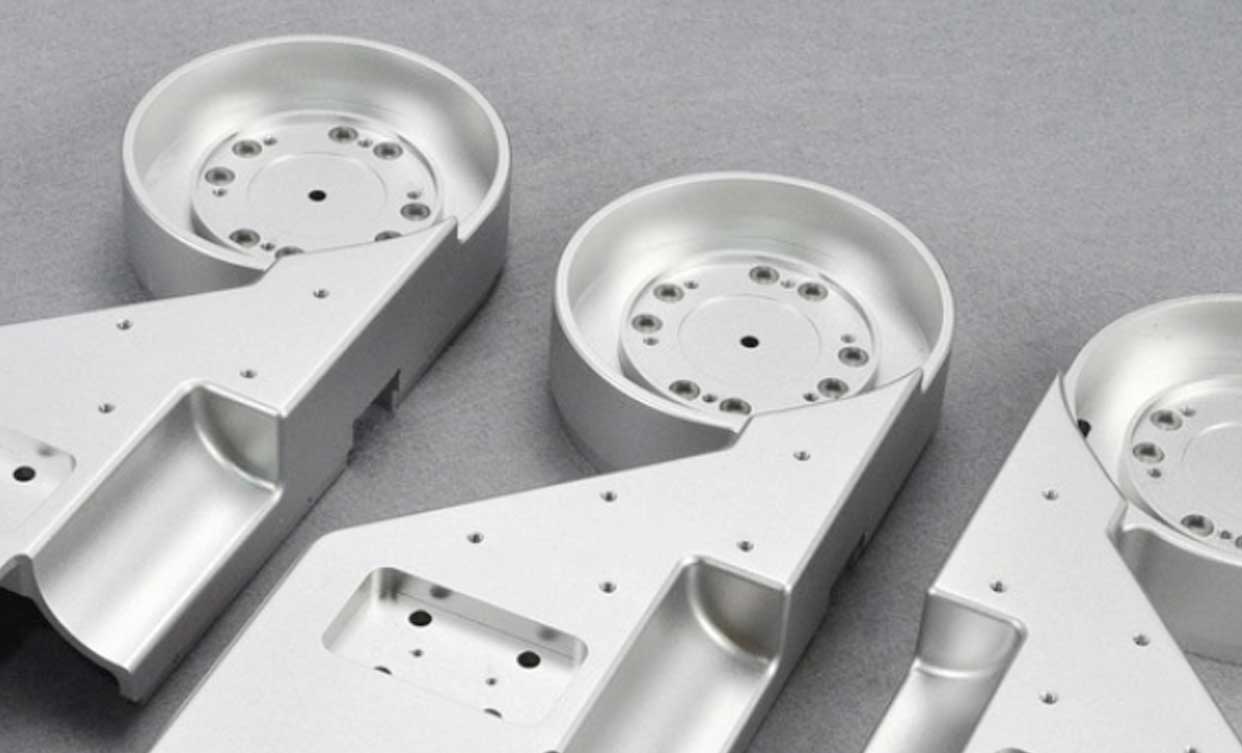
1.CNC Machining: Tailored for Robotics Parts
2.Types of Robot Parts Made with CNC Machining
Robots come in various forms such as articulated, SCARA, Delta, and Cartesian types. Regardless of type, most robots share five essential components:
2.1 Mechanical Arms
Robot arms, like human arms, are segmented into joints named shoulder, elbow, and wrist. These arms need to be strong to lift and move objects, making CNC machining the best option for crafting parts like joints, bearings, and structural housings.
2.2 End Effectors
End effectors are tools attached to the end of a robot arm, such as grippers or suction cups. These typically include CNC-machined components to ensure precise attachment and easy interchangeability for different tasks.
2.3 Motors
Motors drive robotic movement and consist of many CNC-machined parts, including housings, brackets, shafts, and gears. These parts must be dimensionally accurate and durable to ensure reliable performance.
2.4 Controllers
Controllers serve as the robot’s brain, interpreting data from sensors and directing motion. The PCBs used in controllers are often CNC-machined to fit exact specifications before being populated with electronic components.
2.5 Sensors
Sensors feed environmental data to the controller. They too often involve CNC-machined circuit boards and housings to ensure proper placement and protection.
2.6 Custom Fixtures and Tooling
Though not part of the robot, fixtures and jigs are essential for positioning and holding parts during robotic operations. CNC machining is ideal for producing these custom, one-off components quickly and efficiently.
3.Conclusion
CNC machining’s precision, speed, and material versatility make it an indispensable technology in robotics manufacturing. As the demand for intelligent and adaptable robotic systems grows, manufacturers must rely on CNC machining to deliver the custom, high-performance parts that modern robots require. Choosing the right CNC machining partner is key to staying ahead in this dynamic industry.