What Surface Treatments Can Improve Hardness?

What Surface Treatments Can Improve Hardness?

Improving the hardness of metal surfaces is essential in many industries, especially when parts are used in tough environments. A harder surface means better wear resistance, longer product life, and improved performance. So, what surface treatments can help increase hardness? Let’s look at three simple and effective options: chemical, physical, and mechanical treatments.

Table of Contents

1.Chemical Treatments
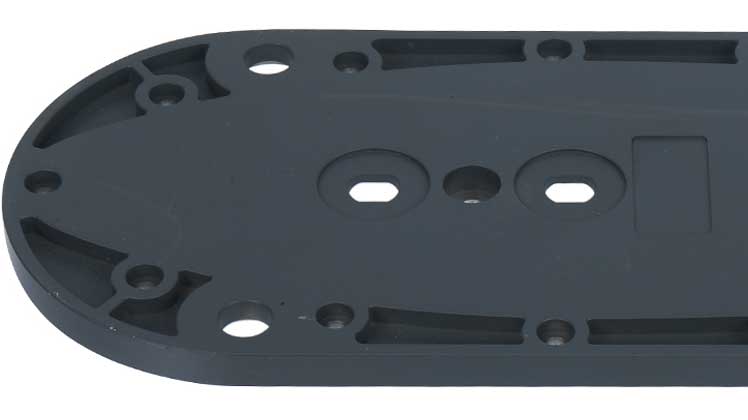
Chemical treatments involve applying a protective coating on the metal surface to improve hardness and resistance to corrosion. One common method is electroplating, which uses electricity to deposit a layer of hard metal like chromium, nickel, molybdenum, or tungsten onto the surface. These coatings make the surface tougher and more durable.
Another chemical method is anodizing, often used for aluminum parts. It creates a thick oxide layer that increases surface hardness and protects against wear and corrosion. Processes like acid washing and sandblasting can also prepare the surface by cleaning it and adding texture, helping other treatments stick better.
What Surface Treatments Can Improve Hardness

2.Physical Treatments

Physical surface treatments change the structure of the material’s surface using heat or pressure. A popular method is plasma nitriding. It’s done in a high-temperature nitrogen-rich environment and forms a hard, wear-resistant layer on the surface. This layer protects the metal from damage and extends its service life.
Another technique is thermal spraying. This involves spraying molten ceramic or metal particles onto the surface to create a strong, protective coating. It’s commonly used for machine parts that need high wear resistance and heat protection.

3.Mechanical Processing

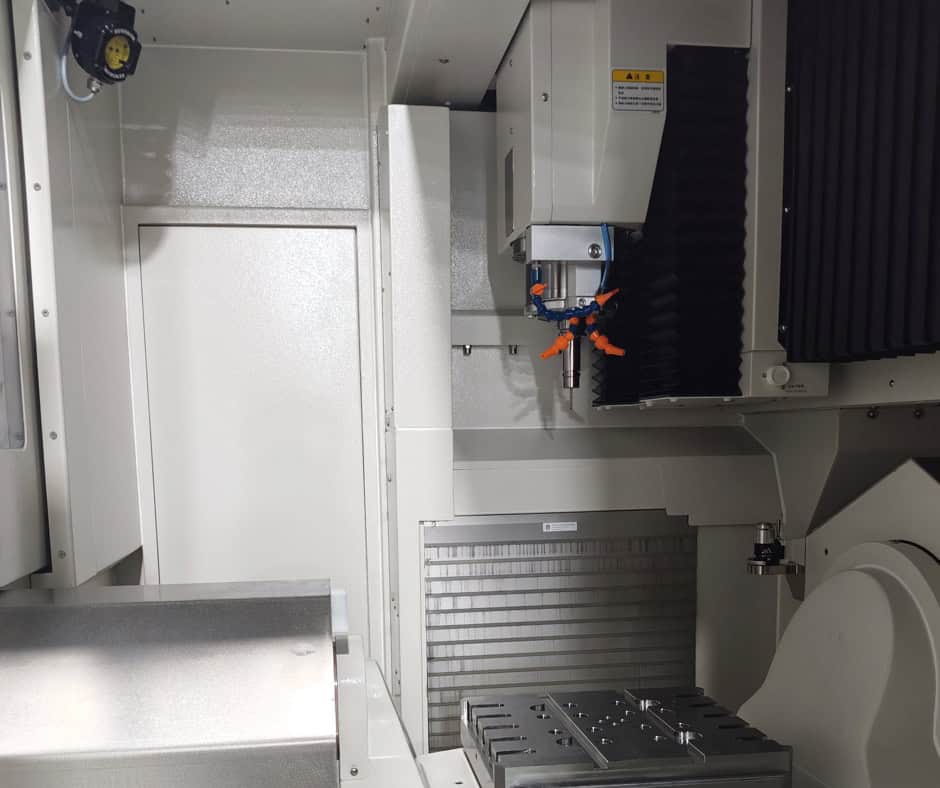
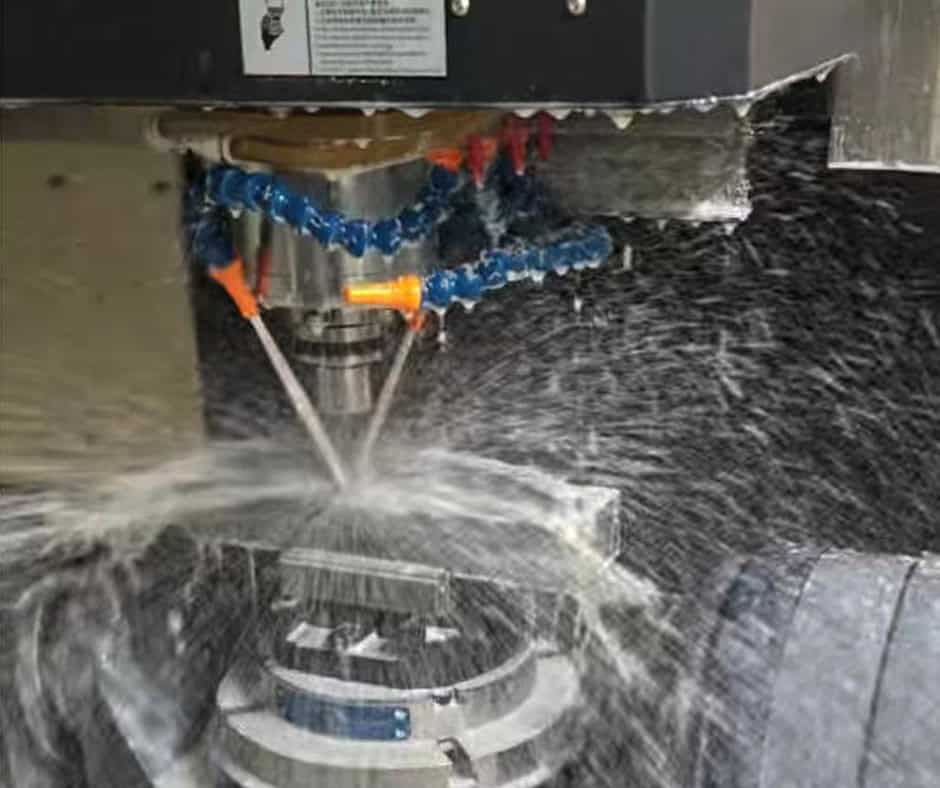
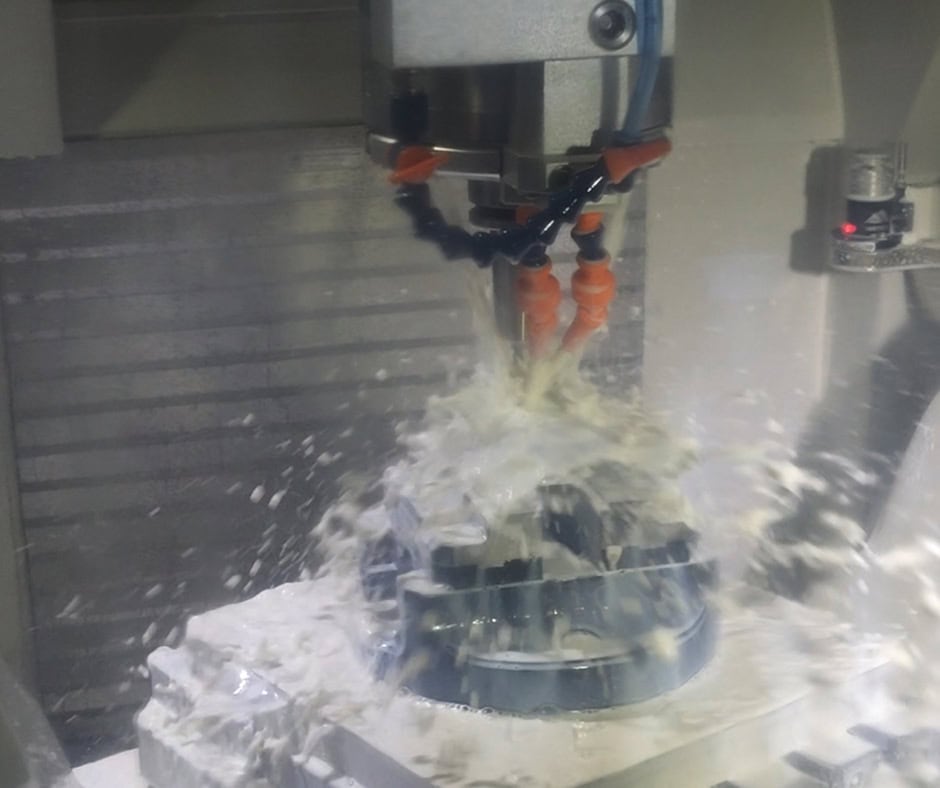
Mechanical methods improve surface hardness by physically shaping and refining the surface. Grinding, for example, uses friction to remove small particles from the metal surface, making it smoother and harder. Precision turning and milling are also used to shape parts with high accuracy, creating a strong, even surface that can better resist damage.

4.Conclusion

To increase the hardness of metal surfaces, there are several effective methods to choose from. Chemical treatments like electroplating and anodizing, physical methods such as plasma nitriding and thermal spraying, and mechanical processes like grinding and milling all play important roles. By selecting the right treatment based on the material and performance needs, manufacturers can ensure their products are tougher, last longer, and work better in demanding conditions.
Easonh-of-SzCrealink-Info

Hi, I’m Eason from SzCrealink, your partner for high-precision CNC machining. I am committed to delivering reliable, cost-efficient solutions for everything from one-off prototypes to large-scale production. Let’s connect to discuss how we can support your upcoming projects.

Let’s Talk >>

Recent Posts :

Scroll to Top