What Surface Finish Can CNC Precision Machining Achieve?
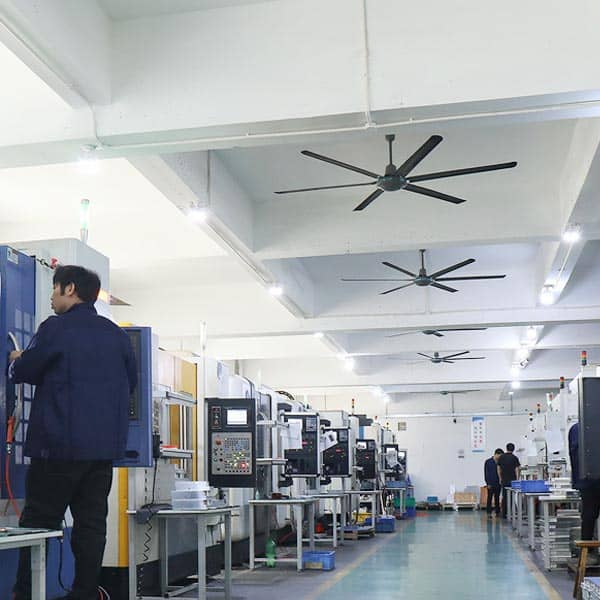
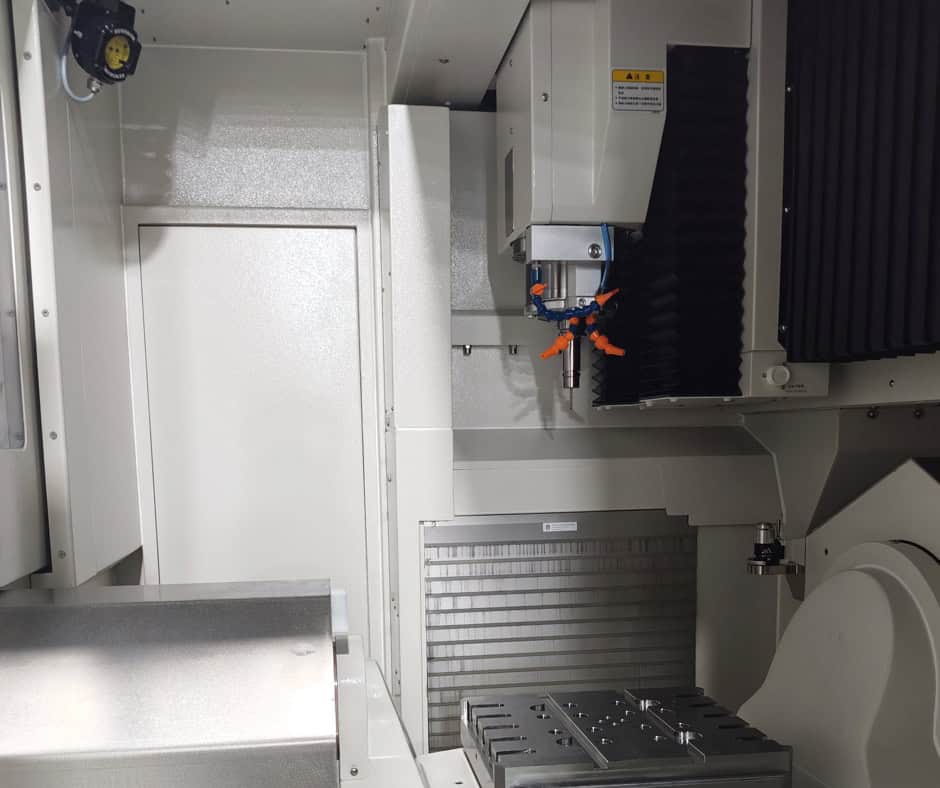
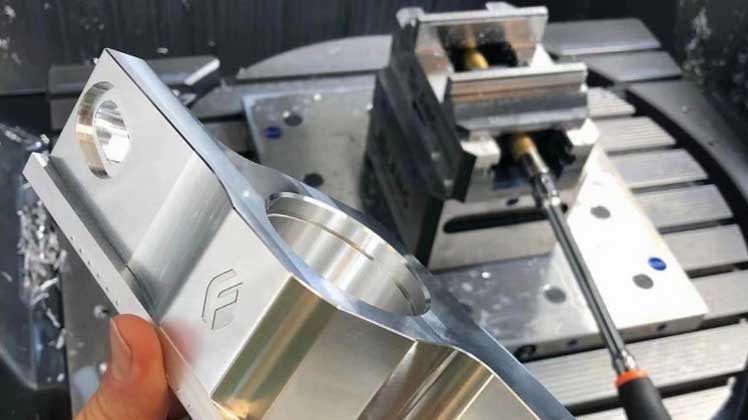
CNC machining is widely known for its high accuracy and efficiency. With strong integrated capabilities, CNC machines can complete multiple processes in one setup, making them especially suitable for producing complex or high-precision parts. For small-batch or multi-variety production, CNC machining is often the best choice.
But when it comes to surface finish, many people wonder: Just how smooth can CNC machining get?
Table of Contents
1.What Affects CNC Surface Finish?
The final surface finish depends on several factors, including:
The machining method used (turning, milling, grinding, etc.)
Cutting tools and parameters (tool sharpness, speed, feed rate)
Material of the workpiece
Machine vibration and precision
Friction between the tool and the surface during cutting
Different processes and materials leave behind different surface textures—some smooth, some with visible tool marks.
Let’s take a closer look at the typical surface roughness levels CNC machining can achieve for different methods. These values are generally expressed in Ra (Roughness Average) measured in micrometers (µm).
2.CNC Turning Surface Finish
CNC turning involves rotating the workpiece while a cutting tool moves linearly to shape it.
General turning: Ra 1.6 – 0.8 µm
Rough turning: Ra 20 – 10 µm (for fast material removal)
Semi-finishing & finishing: Ra 10 – 0.16 µm
Mirror turning (with diamond tools): Ra 0.04 – 0.01 µm
Mirror turning is used for soft metals like aluminum or copper and can produce a shiny, reflective finish.
3.CNC Boring Surface Finish
Boring is used to enlarge existing holes with high precision.
Standard boring: Ra 2.5 – 0.16 µm
Precision boring: Ra 0.63 – 0.08 µm
4.CNC Milling Surface Finish
Milling uses a rotating tool to remove material from a stationary workpiece.
General milling: Ra 6.3 – 1.6 µm
Rough milling: Ra 20 – 5 µm
Semi-finishing: Ra 10 – 2.5 µm
Finishing: Ra 6 – 0.63 µm
5.Grinding Surface Finish
Grinding uses abrasive wheels to finely cut the surface, often used in precision machining.
General grinding: Ra 1.25 – 0.16 µm
Precision grinding: Ra 0.16 – 0.04 µm
Superfinishing: Ra 0.04 – 0.01 µm
Mirror polishing: Ra < 0.01 µm
6.Why Does Surface Finish Matter?
Surface finish affects more than just appearance. It impacts:
Fit and function of mechanical parts
Wear resistance and friction
Fatigue strength
Noise and vibration
Sealing performance
While smoother finishes often improve performance, they also increase machining time and cost. That’s why choosing the right surface finish depends on the part’s purpose—over-specifying can waste time and money.
7.Tips to Improve Surface Finish
Even though CNC machines offer great precision, tool marks and micro-defects can still remain. To improve surface finish:
Use sharper, high-quality tools
Adjust feed rate and spindle speed
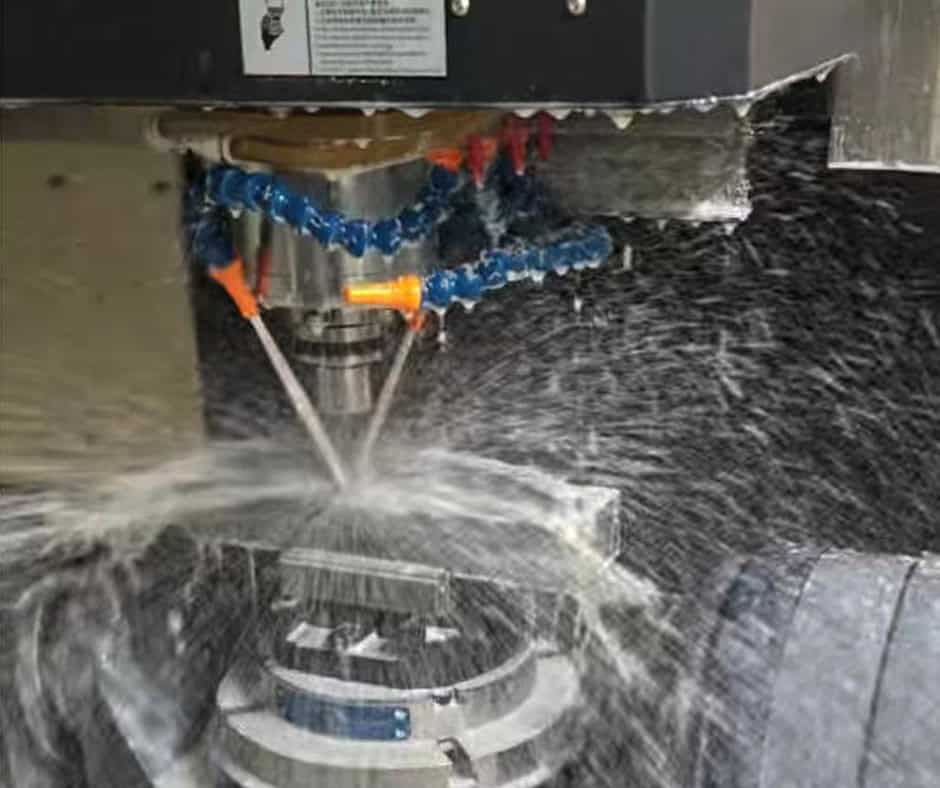
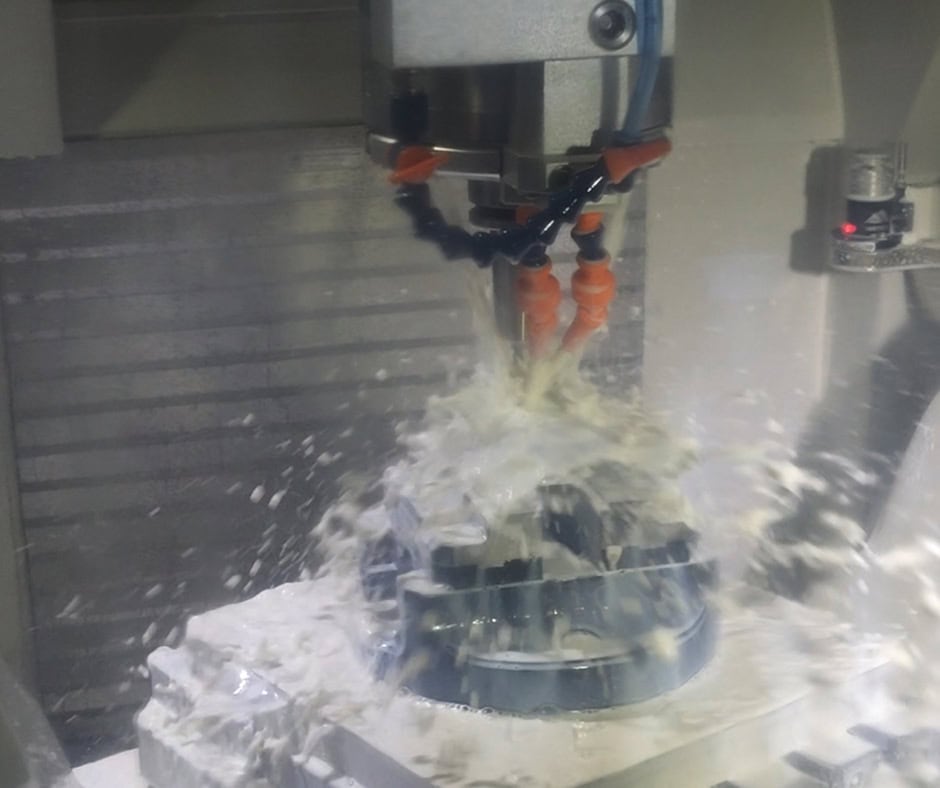
Apply coolant or lubrication to reduce friction
Add post-processing steps like polishing, sandblasting, or anodizing
8.Conclusion
So, what surface finish can CNC precision machining achieve? It depends on the method:
Turning: Ra 1.6–0.8 µm (or better with diamond tools)
Milling: Ra 6.3–1.6 µm
Boring: Ra 2.5–0.16 µm
Grinding: Down to Ra < 0.01 µm with mirror polishing
These values serve as a general guide. Actual results depend on your material, machine setup, and desired finish. At SzCrealink, we help you choose the best machining process and finish to balance quality, performance, and cost.
Need precision CNC parts with the right surface finish? Get in touch with our team today!