What Should You Do Before CNC Machining?
Table of Contents
1. Understand the Drawings—Down to the Last Detail
Every job begins with the blueprint. We carefully review all dimensions, tolerances, materials, and machining notes. If something’s unclear, we clarify it before proceeding. It’s simple: the better you understand the drawing, the fewer mistakes you’ll make.
2. Prep the Right Tools and Gauges
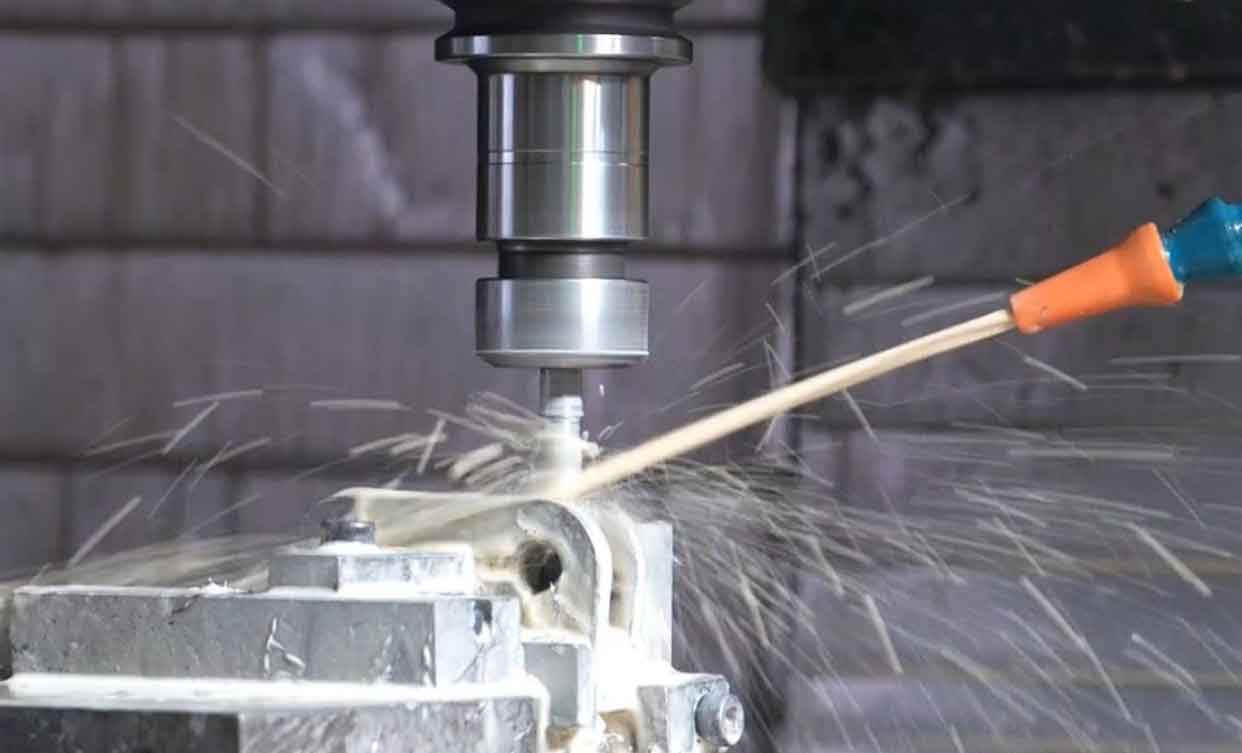
We match tools to the material and machining process—no guesswork. That includes cutting tools, measuring instruments, and backup parts. Everything is double-checked for accuracy and condition before setup begins.
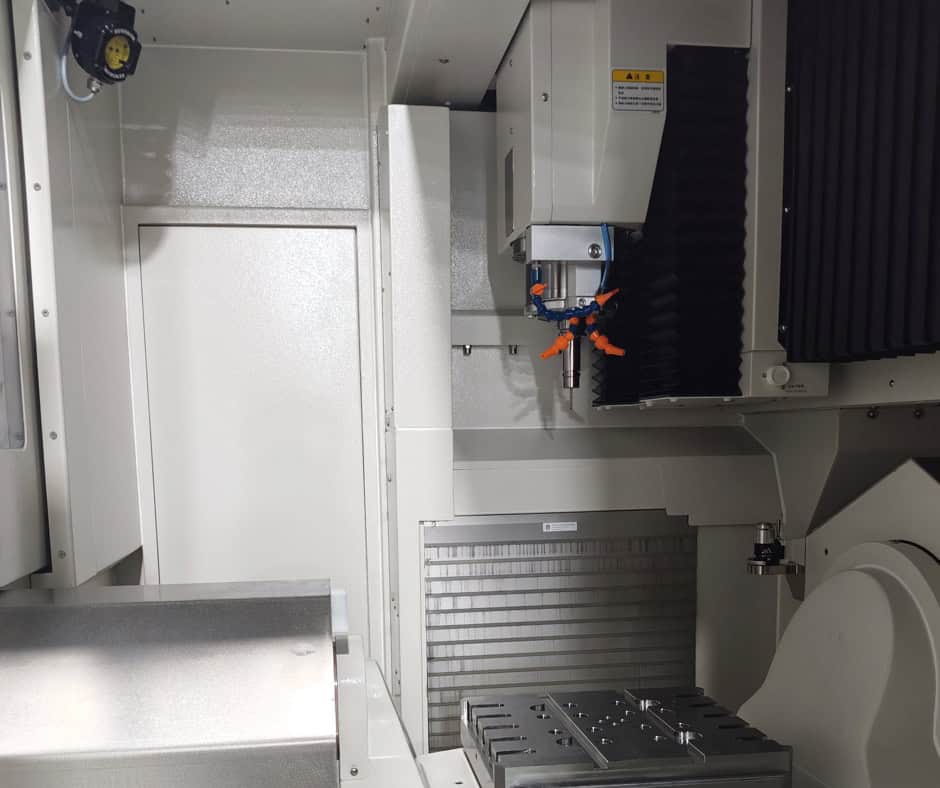
3. Select the Workpiece and Fixturing Method
We choose materials that meet the spec, then set up secure, vibration-free clamping. Proper fixturing isn’t optional—it’s the foundation for dimensional accuracy and machining stability.
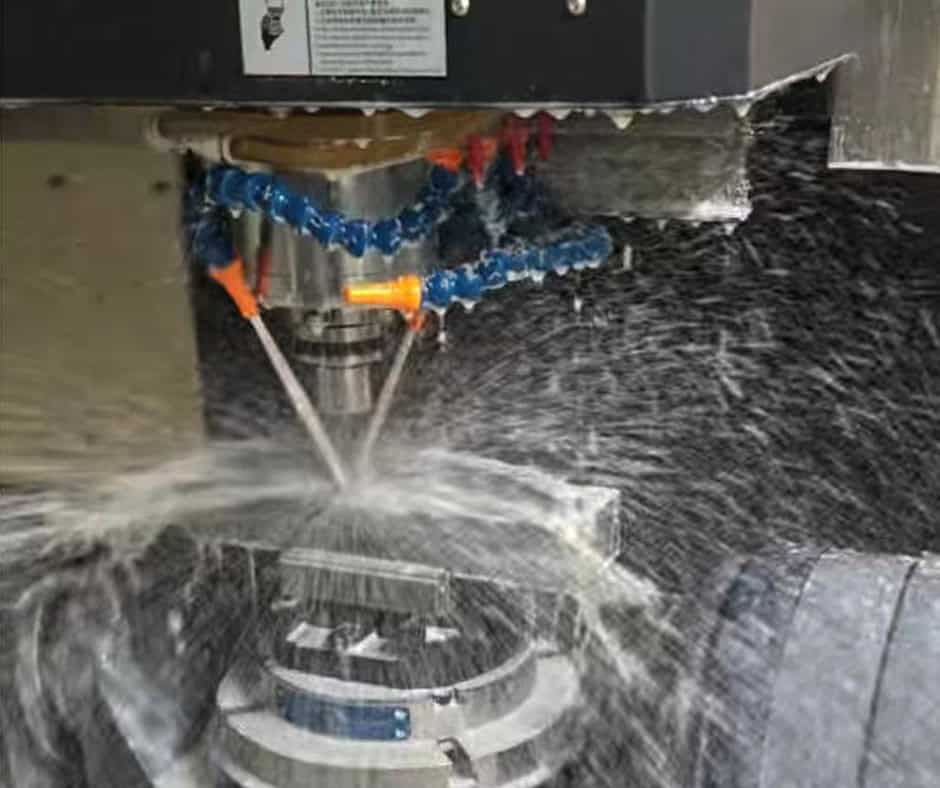
4. Dial in the Cutting Parameters
Different materials call for different speeds, feeds, and depths of cut. We optimize settings to strike the best balance between precision, tool life, and efficiency.
5. Double-Check Tool Fit and Condition
Even the best tools wear out. Before every job, we confirm the tool length and weight are within machine specs—and we replace any tool showing signs of wear or damage.
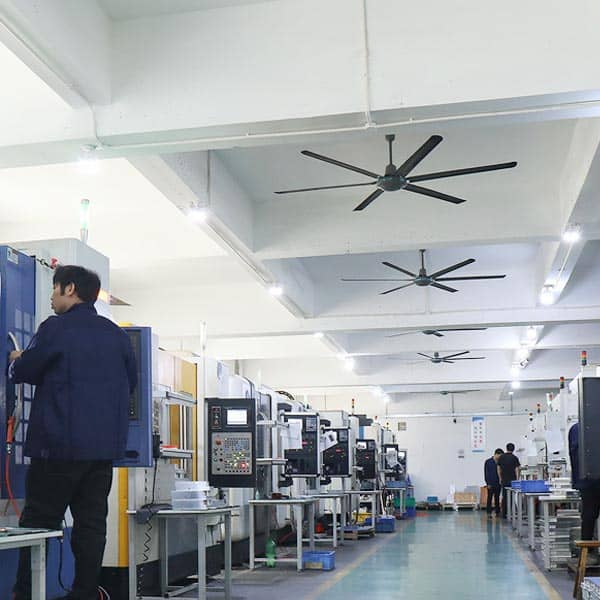
6. Clear the Work Area
Obstacles around the machine can cause more than delays—they’re a safety hazard. We keep our space clean and open for smooth, uninterrupted operation.
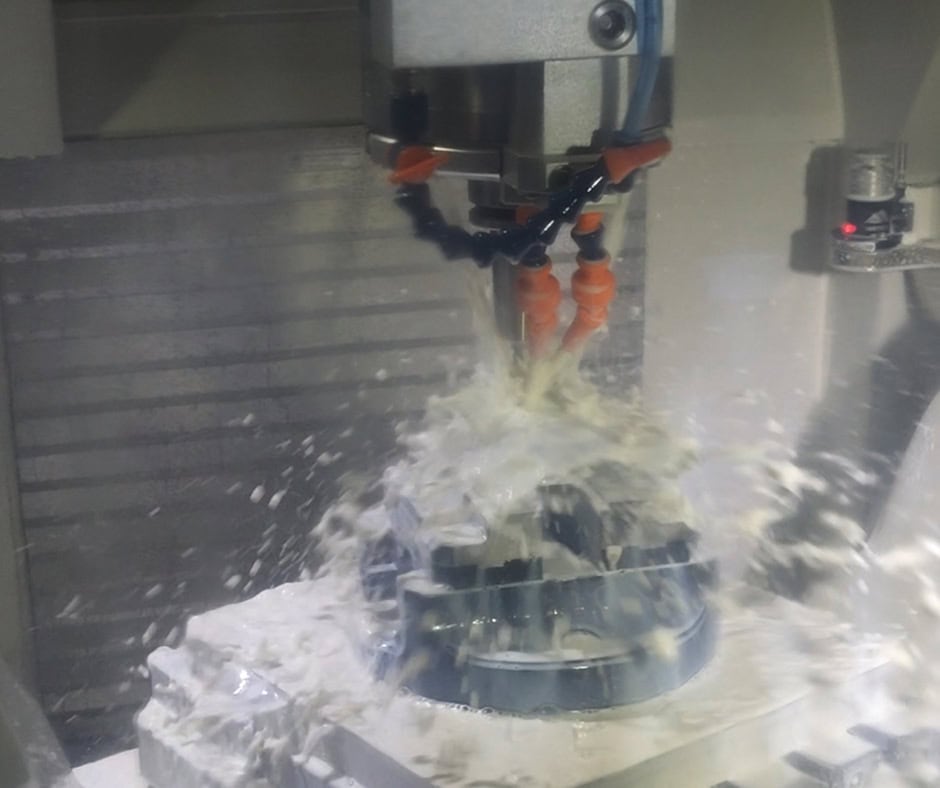
7. Inspect the Lubrication System
Some machines rely on scheduled lubrication to prevent wear. We always check the system status before startup to avoid unnecessary damage during operation.