What Is Teflon?
Teflon is a well-known synthetic polymer used for its exceptional non-stick and chemical-resistant properties. The material is scientifically known as polytetrafluoroethylene (PTFE), a fluoropolymer made from carbon and fluorine atoms arranged in a highly stable molecular structure.
In practical engineering use, Teflon refers to PTFE materials that provide low friction, high temperature resistance, and excellent chemical stability. Because of these characteristics, it is widely used in industrial sealing components, coatings, electrical insulation, and precision machined plastic parts.
Table of Contents
Naming, Standards & Common Terms
The name Teflon is commonly used in everyday language, but in technical contexts the material is usually referred to as PTFE (polytetrafluoroethylene).
Common Names and Terminology
•PTFE – Scientific name of the polymer
•Teflon – Commercial brand name historically associated with PTFE
•Fluoropolymer – Family of polymers that includes PTFE
•Virgin PTFE – Pure PTFE with no additives
•Filled PTFE – PTFE reinforced with materials such as glass fiber, carbon, or graphite
International Standards
PTFE materials are commonly specified according to several standards:
•ASTM D4894 – Standard specification for PTFE resins
•ASTM D1710 – Standard specification for extruded PTFE shapes
•ISO 12086 – Plastics fluoropolymer materials classification
•ASTM D1457 – Molded PTFE shapes
These designations typically refer to PTFE material forms rather than different chemical compositions.
Key Properties & Performance Characteristics
Teflon (PTFE) is widely used because of its combination of chemical stability and low friction.
Extremely Low Friction
PTFE has one of the lowest coefficients of friction among solid materials.
Why it matters:
It is ideal for bearings, bushings, and sliding components where reduced wear is important.
High Temperature Resistance
PTFE can operate continuously at temperatures up to around 260°C (500°F).
Why it matters:
Suitable for applications exposed to heat, such as seals and insulation.
Excellent Chemical Resistance
PTFE resists almost all industrial chemicals, acids, and solvents.
Why it matters:
Used in chemical processing equipment and laboratory components.
Electrical Insulation
The material has strong dielectric properties.
Why it matters:
Commonly used in wiring insulation and electronic components.
Non-Stick Surface
The surface energy of PTFE is extremely low.
Why it matters:
Materials do not easily adhere, making it useful for coatings and processing equipment.
Teflon vs Nylon
Teflon and nylon are both engineering plastics, but they serve different purposes.
Core Difference
PTFE focuses on chemical resistance and low friction, while nylon provides higher mechanical strength and wear resistance.
Mechanical Strength
•Teflon: Softer material with lower load capacity
•Nylon: Stronger and more rigid
Friction Performance
•Teflon: Extremely low friction
•Nylon: Moderate friction
Chemical Resistance
•Teflon: Superior resistance to chemicals
•Nylon: Can absorb moisture and react with certain chemicals
Typical Selection
Choose Teflon when chemical stability or non-stick properties are critical.
Choose nylon when higher strength and load capacity are required.
Manufacturing, Processing & Practical Considerations
Teflon cannot be processed using conventional thermoplastic methods like injection molding in the same way as many plastics.
Compression Molding
PTFE powder is often compressed and sintered to form solid shapes.
Ram Extrusion
Used to produce rods, tubes, and continuous profiles.
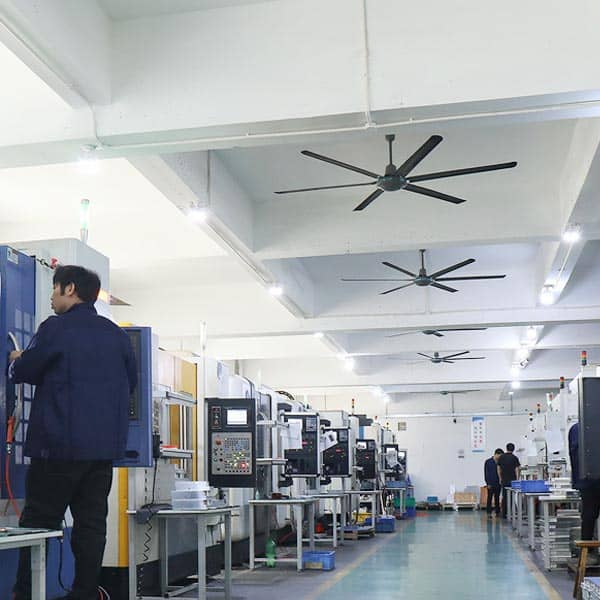
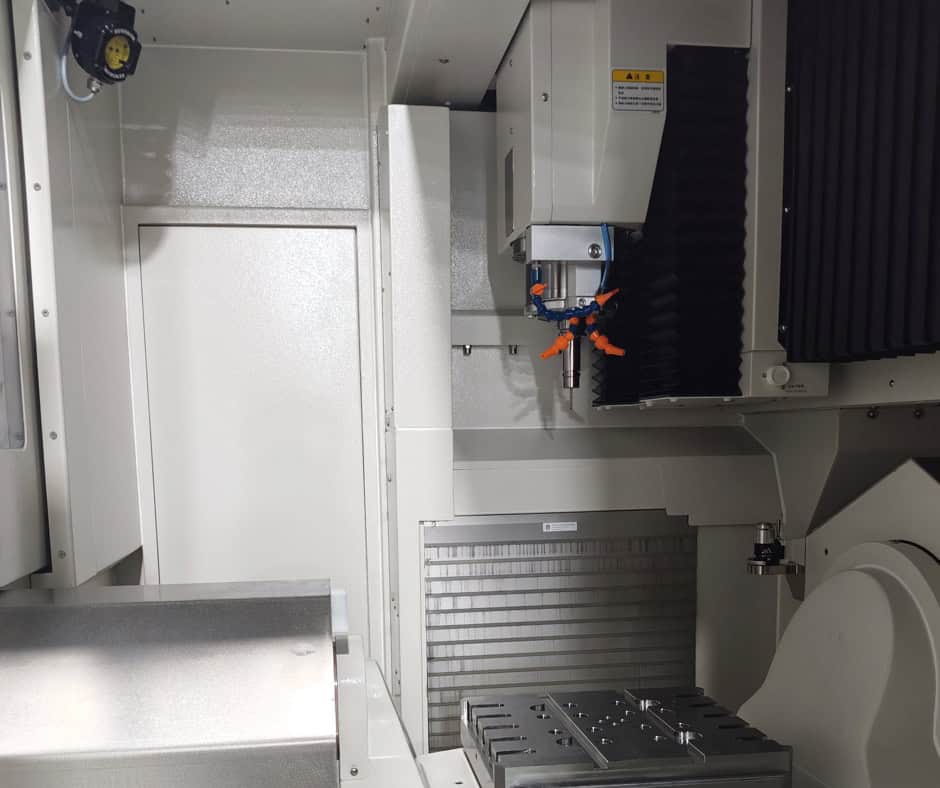
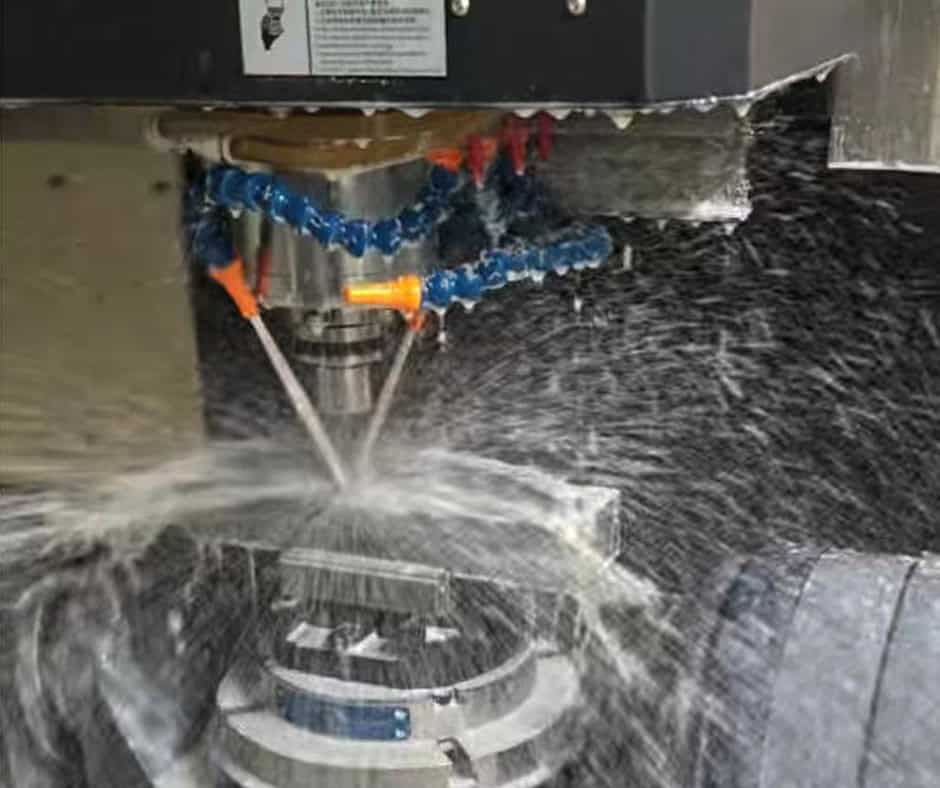
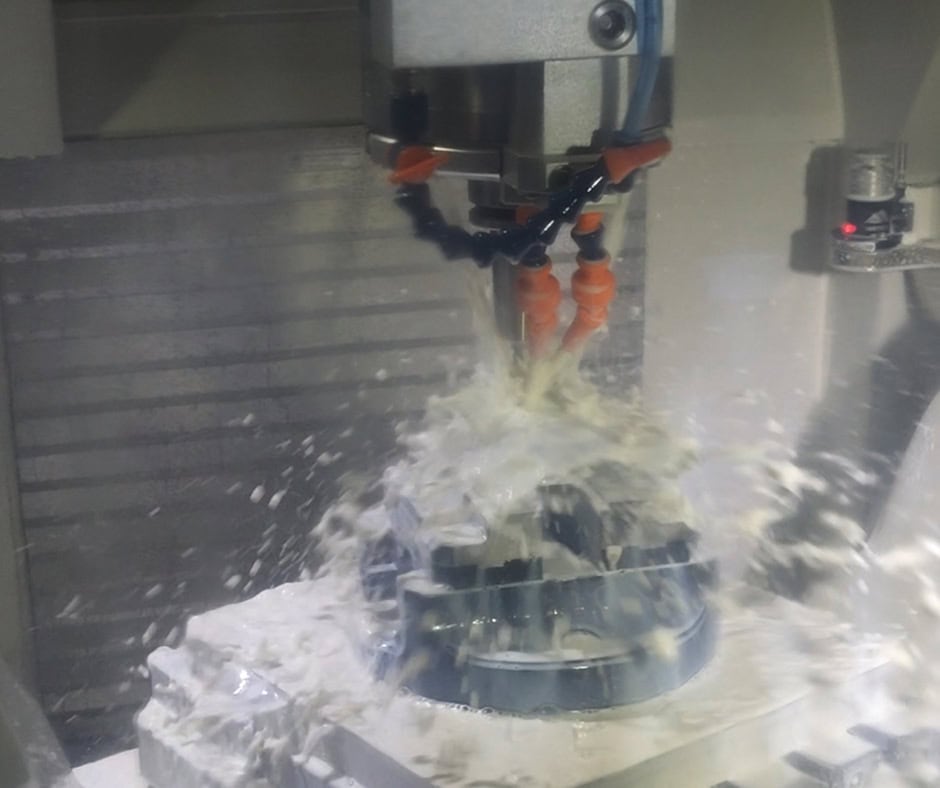
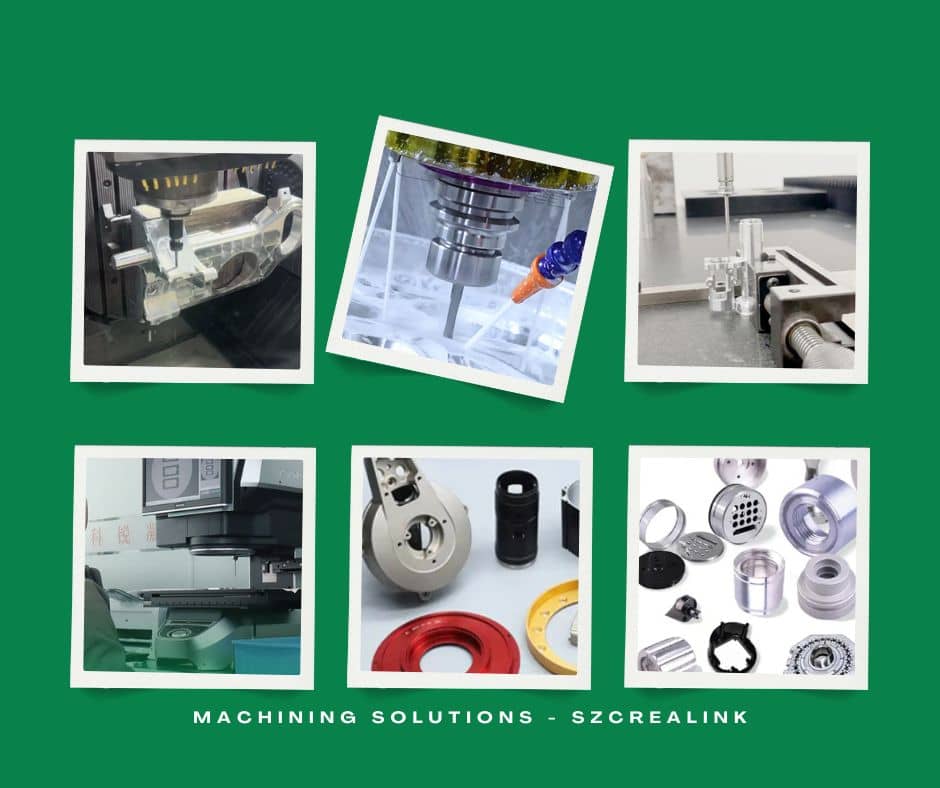
CNC Machining
In practice, PTFE components are frequently machined from semi-finished stock shapes.
When working with PTFE:
•The material is soft and may deform under cutting pressure
•Sharp tools and controlled feed rates improve surface finish
•Proper fixturing helps prevent dimensional distortion
These considerations are important when producing precision parts.
Typical Applications & Industries
Teflon materials are used in many industries where chemical resistance or low friction is required.
Chemical Processing
Used for gaskets, seals, and valve components exposed to aggressive chemicals.
Food Processing
Non-stick surfaces make PTFE suitable for food handling equipment and processing lines.
Electronics and Electrical
Used in wire insulation, connectors, and high-frequency components because of excellent dielectric properties.
Automotive and Machinery
Applied in bearings, bushings, and sliding components where lubrication is limited.
Medical Equipment
Used in catheters, tubing, and specialized devices due to chemical stability and low reactivity.
Cost, Forms & Procurement Considerations
The price of PTFE materials depends on several technical factors.
Material Grade
Virgin PTFE is generally more expensive than filled PTFE, while reinforced grades may cost more due to additives.
Manufacturing Method
Parts produced through machining or complex forming processes may have higher costs.
Material Form
PTFE is commonly supplied as:
•Rods
•Sheets
•Tubes
•Films
•Molded shapes
Order Volume
Large production quantities usually reduce unit costs.
Because PTFE is a specialty engineering polymer, it is typically more expensive than common plastics such as polyethylene or polypropylene.
FAQs About Teflon
1. Is Teflon the same as PTFE?
Yes. Teflon is a commercial name commonly used to refer to PTFE (polytetrafluoroethylene). In technical documentation, PTFE is the preferred term.
2. What makes Teflon non-stick?
The surface of PTFE has extremely low surface energy. This prevents most substances from bonding to it, creating the well-known non-stick behavior.
3. Is Teflon safe for industrial use?
PTFE is chemically stable and widely used in industrial equipment, electrical insulation, and processing systems when used within recommended temperature limits.
4. Can Teflon be machined?
Yes. PTFE is often machined from rod or sheet stock using CNC equipment. However, the material is relatively soft and requires careful cutting parameters.
5. What industries use Teflon the most?
PTFE is commonly used in chemical processing, electronics, food processing, aerospace, and industrial machinery where corrosion resistance and low friction are important.