Aluminum composite material (ACM) is a lightweight, flat panel material widely used in architecture, signage, and interior design. It is valued for its strength-to-weight ratio, clean appearance, and design flexibility.
If you’ve ever asked “what is aluminum composite material and why is it used so often?”—this guide explains it clearly, without unnecessary jargon.
Table of Contents
What Is Aluminum Composite Material Made Of?
At its most basic level, aluminum composite material is a three-layer structure:
•Two thin aluminum sheets on the outside
•One lightweight core in the middle
These layers are permanently bonded together to form a rigid, stable panel.
Think of it like a sandwich: the aluminum skins provide strength and surface quality, while the core reduces weight and adds stiffness. This structure allows large panels to remain flat without the thickness and mass of solid aluminum.
Because of this engineered design, aluminum composite material is easier to handle, easier to fabricate, and more versatile than many traditional metal sheets.

What Is the Difference Between ACM and ACP?
You may see both terms used:
•ACM (Aluminum Composite Material)
•ACP (Aluminum Composite Panel)
In practice, they refer to the same material. The difference is mostly about context:
•ACM is the broader technical term for the material itself
•ACP is commonly used when referring to finished panels used in construction or cladding
When people ask “what is aluminum composite material”, they are usually referring to both.
Where Is Aluminum Composite Material Used?
Aluminum composite material is used wherever designers need a balance of appearance, durability, and low weight.
Common applications include:
•Building facades and exterior wall cladding
•Interior wall panels and ceilings
•Corporate and retail signage
•Column covers and decorative features
•Transportation interiors and vehicle skins
Its smooth surface, color consistency, and ability to be cut, bent, or routed make it suitable for both functional and decorative uses.
Why Aluminum Composite Material Is Preferred Over Solid Aluminum
One of the main reasons aluminum composite material is so widely used is how it compares to solid aluminum sheets.
Compared with solid aluminum, ACM offers:
•Much lower weight at the same panel size
•Better flatness over large areas
•Easier fabrication (routing, folding, shaping)
•Improved thermal and acoustic performance when used in wall systems
•Lower installation and support costs
Solid aluminum is strong, but it becomes heavy and expensive as panel size increases. ACM solves this problem without sacrificing appearance or durability.
Fire Performance and Core Types Explained Simply
When discussing what aluminum composite material is, it’s important to understand that not all ACM panels are the same. The biggest difference lies in the core material, especially for fire safety.
Common core types include:
•Polyethylene (PE) core
Lightweight and flexible, mainly used for signage and interior applications where fire risk is low.
•Fire-retardant (FR) core
Modified with mineral fillers to slow flame spread, commonly used in commercial buildings.
•Mineral or A2 core
Made largely from non-combustible materials, used for high-rise buildings and strict fire-code applications.
Fire performance is determined not only by the panel, but by the entire wall assembly. This is why project-specific testing and documentation are always required for exterior cladding.
How Aluminum Composite Material Is Fabricated
Another reason aluminum composite material is so popular is how easily it can be processed.
ACM panels can be:
•Cut with standard metalworking tools
•Routed to create folds and sharp edges
•Bent into curves and cassette shapes
•Drilled, fastened, or bonded to subframes
Because the aluminum skins are thin and the core is stable, fabricators can create clean, precise shapes without cracking or distortion when proper techniques are used.
This makes ACM ideal for both simple flat panels and complex architectural designs.
Acoustic and Thermal Performance in Wall Systems
By itself, aluminum composite material is lightweight and does not block sound or heat. Its performance improves when used as part of a layered wall system.
Typical ACM wall assemblies include:
•The ACM panel as the exterior finish
•A ventilated air gap behind the panel
•Insulation (such as mineral wool)
•A structural substrate or backup wall
This combination helps manage noise, temperature, and moisture while keeping the exterior surface clean and modern.
Lifecycle Value: Why ACM Is Cost-Effective
When evaluating what aluminum composite material really offers, it’s important to look beyond the initial panel price.
ACM provides long-term value because it:
•Resists corrosion and weathering
•Requires minimal maintenance
•Maintains color and flatness over time
•Allows damaged panels to be replaced individually
High-quality finishes and proper installation further extend service life, making ACM a cost-effective choice for both commercial and architectural projects.
When Precision Fabrication Matters
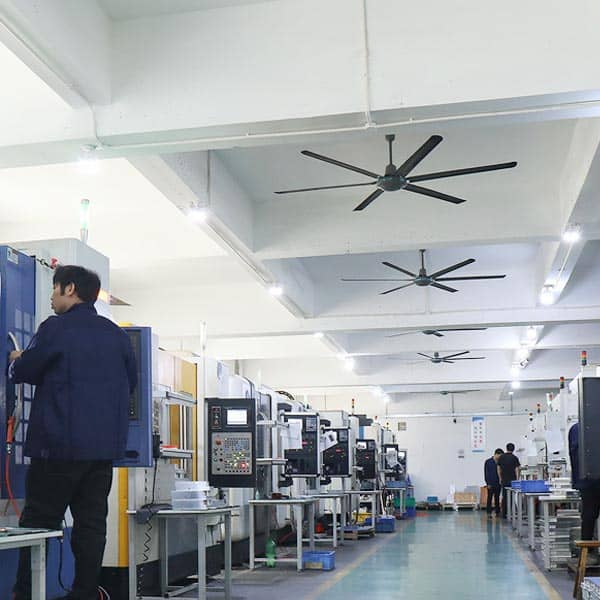
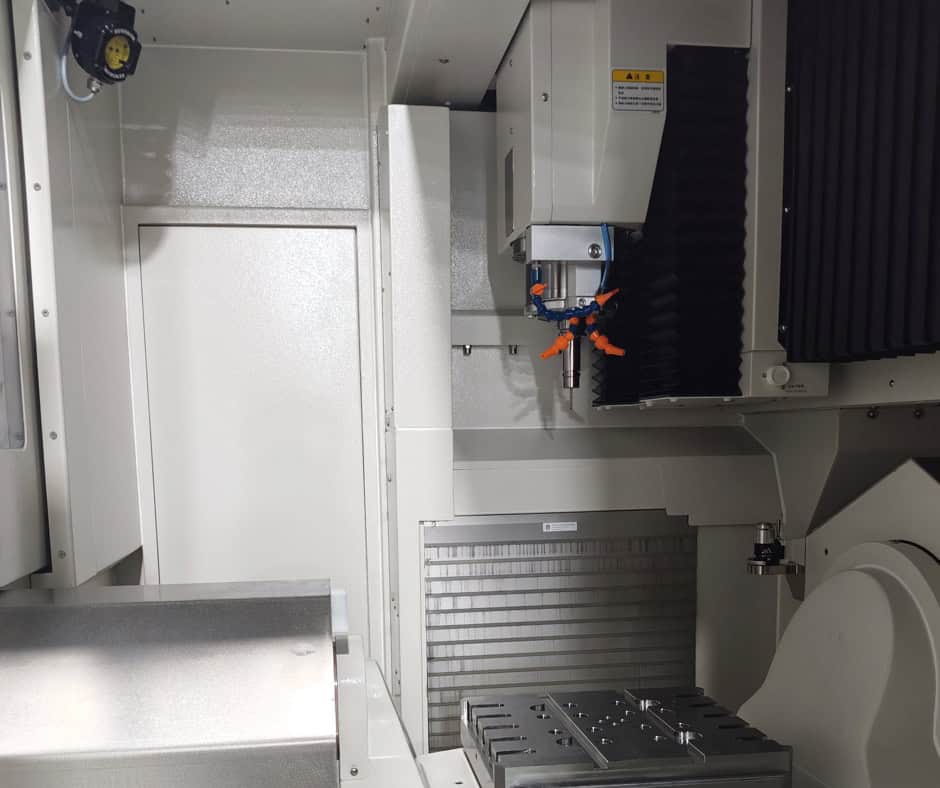
For projects involving tight tolerances, complex shapes, or repeated components, aluminum composite material is often paired with precision CNC fabrication.
Professional machining ensures:
•Accurate routing and edge detailing
•Consistent results across multiple panels
•Clean interfaces with brackets, frames, and substructures
This is especially important for architectural facades, custom signage, and engineered assemblies where appearance and fit must meet exact specifications.
Final Summary: What Is Aluminum Composite Material?
Aluminum composite material is a lightweight, engineered panel made from aluminum skins bonded to a stable core. It combines:
•Strength without excessive weight
•Design flexibility with clean aesthetics
•Durability with low maintenance
That combination explains why ACM is used worldwide in buildings, interiors, and signage.
Understanding what aluminum composite material is – and how it performs in real applications – helps designers, builders, and buyers choose the right solution with confidence.