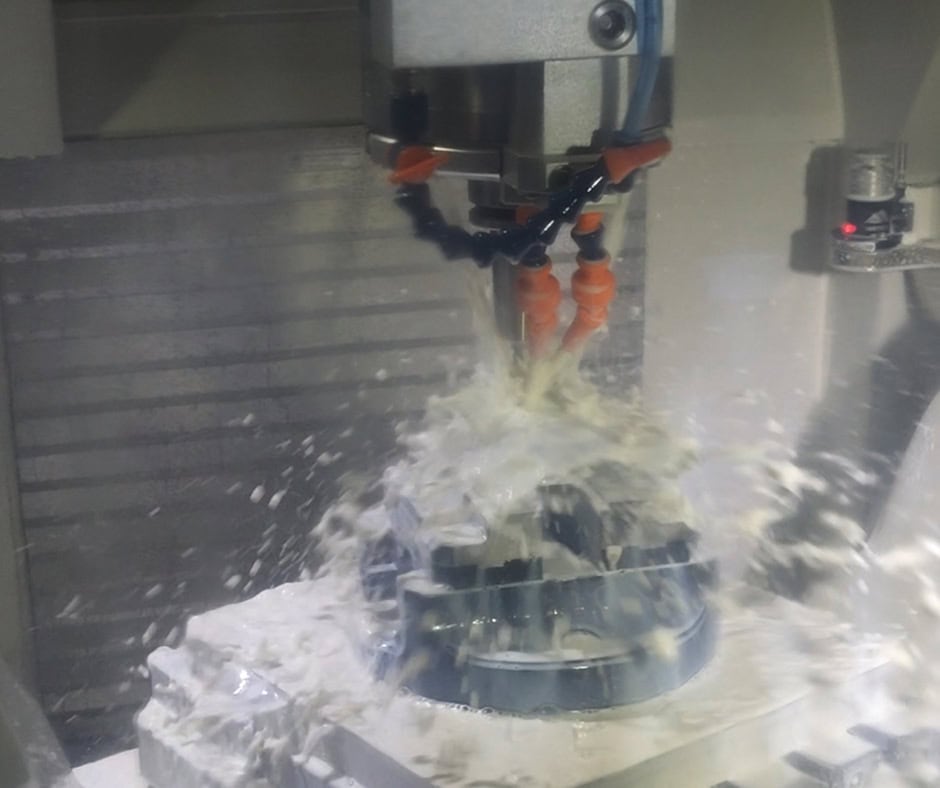
A Complete Guide to Surface Finishing for Precision Components
Many buyers focus on material, tolerance, and price—but overlook finishes. The result?
❌ Parts corrode too fast
❌ Appearance doesn’t meet market expectations
❌ Products fail in real-world applications
This is where professional suppliers stand out.
In this guide, we’ll walk you through:
•All major finishing options for machined parts
•Engineering-level selection criteria
•Cost vs performance trade-offs
•How to choose the right finish for your application
👉 And most importantly: how to avoid costly mistakes and speed up your sourcing decisions.
Table of Contents
1. What Is Surface Finishing in CNC Machining?
Surface finishing refers to post-processing treatments applied to machined parts to modify their surface properties.
It directly affects:
•Corrosion resistance
•Wear resistance
•Surface roughness (Ra)
•Appearance and color
•Electrical conductivity
•Assembly performance
👉 In precision machining, finish is not optional—it is part of the engineering specification.
2. Our Machining & Finishing Capabilities (Scope of Business)
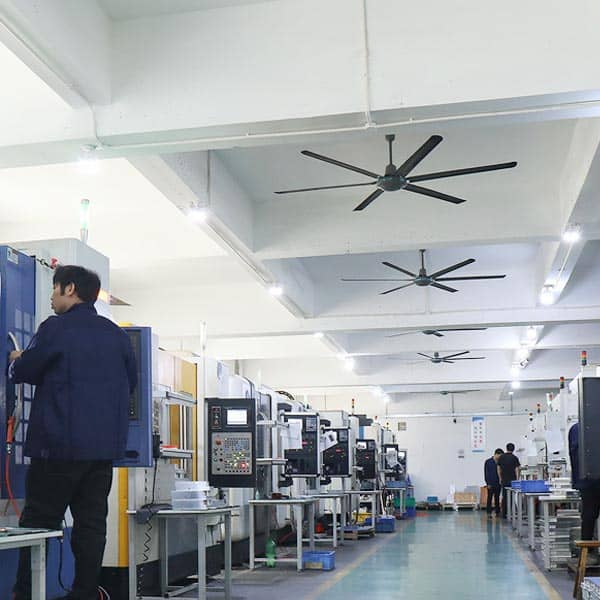
To better serve global B2B buyers, we typically offer a one-stop solution:
CNC Machining Processes:
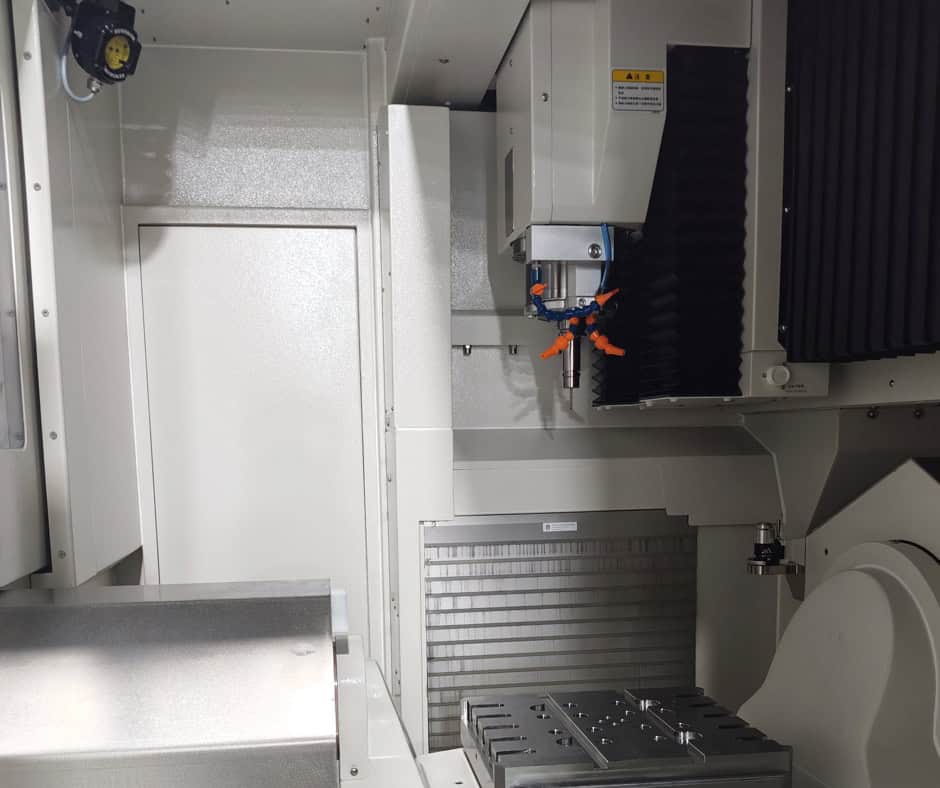
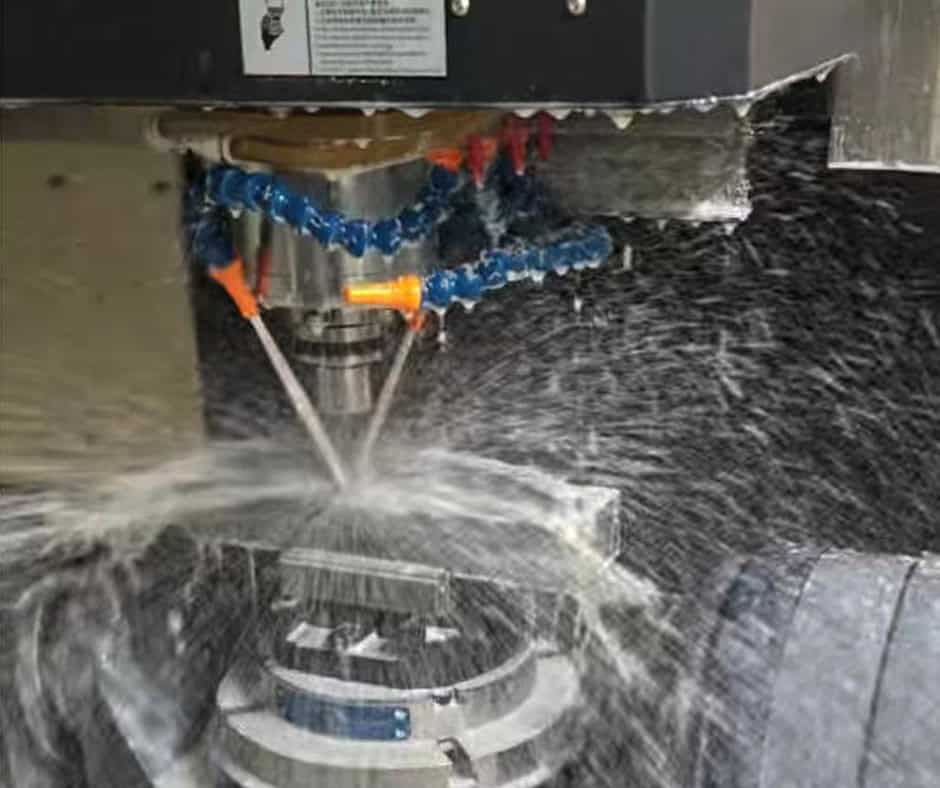
•CNC milling (3-axis, 4-axis, 5-axis)
•CNC turning
•Swiss machining (for high precision small parts)
•Drilling, tapping, threading
Materials We Work With:
•Aluminum (6061, 7075, etc.)
•Stainless steel (303, 304, 316)
•Carbon steel
•Brass / copper
•Engineering plastics (POM, ABS, Nylon, PTFE)
Surface Finishing Services:
•Anodizing
•Powder coating
•Electroplating
•Polishing / brushing
•Sandblasting
•Painting
•Black oxide
•Passivation
•Galvanizing
👉 This integrated capability ensures shorter lead times, better quality control, and consistent finish results.
3. Main Types of Finishes for Machined Parts
3.1 As-Machined Finish
Description:
•Parts are delivered directly after CNC machining
•Visible tool marks remain
Surface Roughness:
•Typically Ra 1.6–3.2 μm
Advantages:
✔ Lowest cost
✔ Fastest delivery
Limitations:
❌ Poor corrosion resistance
❌ Industrial appearance only
Best for:
•Internal components
•Functional prototypes
3.2 Anodizing (For Aluminum Parts)
Process:
Electrochemical oxidation forming a protective oxide layer.
Types:
•Type II (standard anodizing)
•Type III (hard anodizing)
Thickness:
•5–25 μm (Type II)
•Up to 50 μm (hard anodizing)
Advantages:
✔ Excellent corrosion resistance
✔ Improved wear resistance
✔ Aesthetic color options
Applications:
•Electronics housings
•Automotive parts
•Aerospace components
Engineering Insight:
👉 Hard anodizing significantly increases surface hardness (up to ~HV500).
3.3 Powder Coating
Process:
Electrostatic powder applied and cured at high temperature.
Advantages:
✔ Thick protective layer
✔ Excellent outdoor durability
✔ Wide color range (RAL)
Thickness:
•60–120 μm
Limitations:
❌ Not suitable for tight tolerance areas
Applications:
•Outdoor equipment
•Structural components
3.4 Electroplating
Common Types:
•Zinc plating
•Nickel plating
•Chrome plating
Advantages:
✔ Enhanced corrosion resistance
✔ Metallic appearance
✔ Functional coatings (conductivity, wear)
Applications:
•Fasteners
•Automotive components
•Electrical parts
Engineering Note:
👉 Plating thickness must be considered in tolerance stack-up.
3.5 Sandblasting
Process:
Abrasive blasting to create uniform texture.
Surface Result:
•Matte finish
•Non-reflective
Advantages:
✔ Removes machining marks
✔ Improves coating adhesion
Often Combined With:
👉 Anodizing or painting
3.6 Polishing & Brushing
Polishing:
•Smooth, reflective surface
Brushing:
•Linear texture
Applications:
•Decorative parts
•Consumer products
Note:
👉 Requires additional labor → higher cost
3.7 Black Oxide (For Steel)
Features:
•Black surface conversion coating
Advantages:
✔ Mild corrosion resistance
✔ No dimensional change
Applications:
•Tools
•Fasteners
3.8 Passivation (For Stainless Steel)
Process:
Removes free iron to improve corrosion resistance.
Advantages:
✔ Enhances natural corrosion resistance
✔ No visual change
Applications:
•Medical devices
•Food-grade components
3.9 Galvanizing
Types:
•Hot-dip galvanizing
•Electro-galvanizing
Advantages:
✔ Heavy-duty corrosion protection
Applications:
•Structural steel
•Outdoor installations
4. Surface Finish Comparison for CNC Parts
| Finish | Corrosion Resistance | Wear Resistance | Appearance | Cost | Precision Impact |
| As-machined | Low | Low | Raw | Low | None |
| Anodizing | High | Medium-High | Premium | Medium | Low |
| Powder coating | High | High | Colorful | Medium | Medium |
| Electroplating | High | Medium | Metallic | Medium-High | Medium |
| Sandblasting | Low | Low | Matte | Low | None |
| Polishing | Medium | Low | Glossy | High | None |
| Black oxide | Low-Medium | Low | Black | Low | None |
5. How to Select the Right Finish (Engineering + Sales Logic)
Step 1: Define the Environment
•Indoor / outdoor?
•Exposure to moisture, salt, chemicals?
👉 Determines corrosion requirements
Step 2: Check Functional Requirements
•Wear resistance needed?
•Electrical conductivity?
•Friction control?
Step 3: Consider Tolerances
Some finishes add thickness:
•Anodizing: slight increase
•Plating: measurable buildup
•Powder coating: significant thickness
👉 Critical for precision assemblies
Step 4: Align with Appearance
•Matte vs glossy
•Color requirements
•Branding consistency
Step 5: Balance Cost vs Performance
👉 Over-spec = unnecessary cost
👉 Under-spec = product failure
6. High-Converting Inquiry Response (For Your Sales Team)
Use this to guide customers:
“To recommend the most suitable surface finish for your machined parts, could you please share:
1.Application environment (indoor/outdoor, corrosion exposure)
2.Functional requirements (wear, conductivity, etc.)
3.Appearance preference (color, texture)
4.Tolerance requirements
We will suggest the best technical and cost-effective solution accordingly.”
👉 This positions you as an engineering-driven supplier, not just a manufacturer.
7. Common Mistakes Buyers Make
8. How Surface Finishing Increases Your Product Value
From a business perspective:
1. Better Market Positioning
•Premium finish = higher selling price
2. Longer Product Lifespan
•Reduces warranty claims
3. Stronger Brand Perception
•Surface quality = perceived quality
9. Why Work With a One-Stop Machining Supplier?
Choosing a supplier with in-house or integrated finishing capabilities means:
✔ Better quality control
✔ Shorter lead time
✔ Lower logistics cost
✔ Consistent results
👉 Instead of managing multiple vendors, you get one accountable partner.
10. Conclusion: Finish Is Not Optional—It’s Strategic
👉 A performance enhancer
👉 A cost factor
👉 A competitive advantage
If you can guide your customers to the right finish:
•You reduce risk
•You increase trust
•You close deals faster
11. Ready to Choose the Right Finish?
If you’re sourcing CNC machined parts, we can support you with:
•Engineering-based finish recommendations
•Sample validation
•Cost-performance optimization
•Fast and stable production
👉 Send us your drawings or requirements, and we’ll recommend the best finishing solution for your project.