What are the 5 Key Factors Affecting CNC Machining Accuracy for Metal Parts?
In CNC programming, mastering the correct methods and techniques is crucial for enhancing the accuracy of machined parts. So, what exactly determines the machining accuracy of metal parts in CNC processes? Drawing from years of practical machining experience, we summarize the following five key factors:
Table of Contents
1.Thermal Effects on the Machine
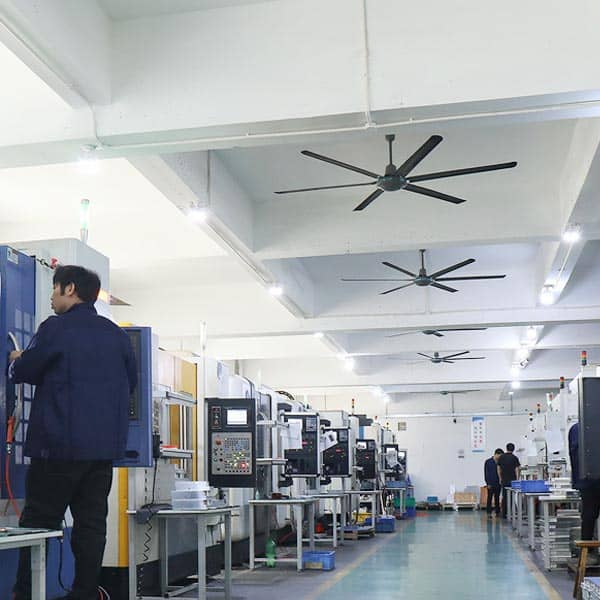
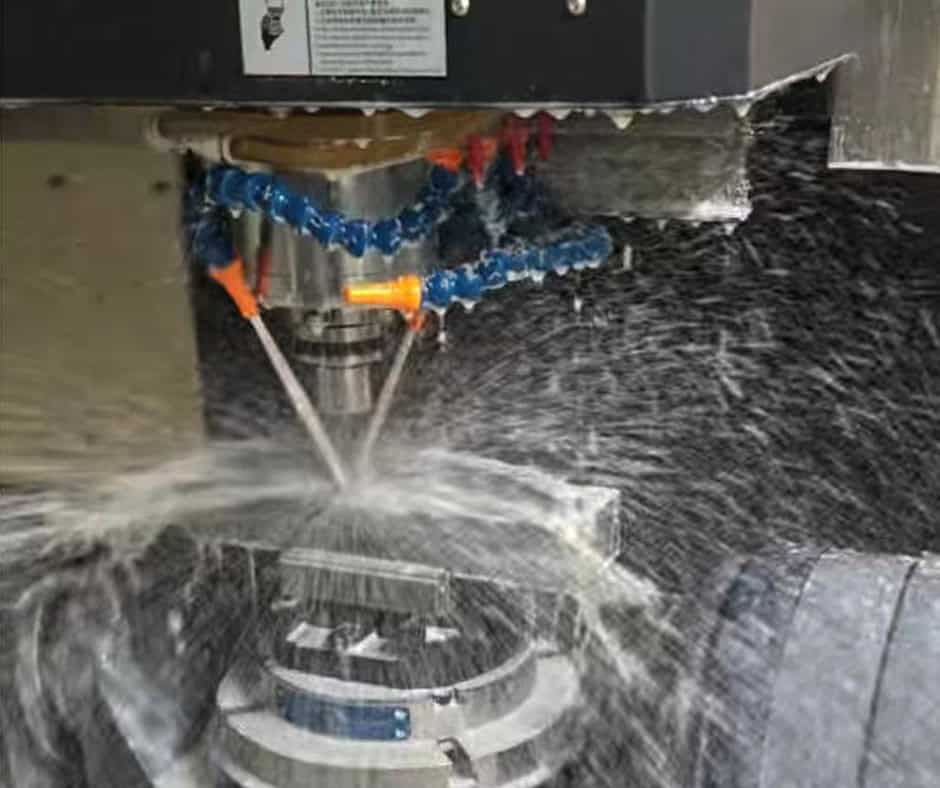
During operation, CNC machines generate considerable heat due to motor activities and friction between components, causing the overall temperature of the machine to rise. This thermal expansion can result in tool displacement, part expansion, and increased component wear, consequently reducing machining accuracy. Additionally, CNC machines are often installed in enclosed or poorly ventilated spaces, further complicating heat dissipation. Hence, effectively managing machine operating temperatures is crucial for maintaining high precision.

2.Tool Errors and Wear
Tools inherently possess geometric errors due to limitations in their production process, and installation procedures may introduce additional inaccuracies. Continuous friction and high temperatures during extended tool usage lead to deformation and progressive wear, increasing dimensional errors. Once tool wear reaches a certain threshold, timely replacement becomes essential, as excessive wear can severely compromise machining accuracy.
3.Positioning Errors
Machining precision demands stringent control over surface finish, shape profiles, and relative positioning. However, minor deviations or wear in the machine’s transmission system and rotating axes can cause positioning errors, impacting the final shape and dimensional accuracy of parts, potentially resulting in batch rejections. Therefore, regular maintenance and calibration of equipment to minimize positioning errors are critical.
4.Overall System Errors
The CNC machining system comprises multiple subsystems and components, each influencing the overall machining accuracy. Such system errors accumulate over prolonged use and are challenging to eliminate completely. Nonetheless, these errors can be significantly reduced through technological upgrades, regular maintenance, and optimization of equipment assembly.