What Is SUS630 Material?
SUS630 material is a precipitation-hardening martensitic stainless steel defined under the JIS standard, commonly known internationally as 17-4PH stainless steel. It combines high strength, good corrosion resistance, and excellent mechanical performance through heat treatment.
In practical terms, SUS630 stainless steel is widely used in aerospace, automotive, marine, and precision engineering components where both strength and corrosion resistance are required. The material can be supplied in solution-treated condition and then aged to specific hardness levels such as SUS630 H900.
Table of Contents
Naming, Standards & Common Terms
SUS630 is the JIS designation for a grade that is internationally recognized under several equivalent standards.
Common Designations
•JIS SUS630
•17-4PH stainless steel
•17-4 precipitation hardening stainless steel
•UNS S17400
•ASTM A564 Type 630
•AMS 5643 / AMS 5622 (aerospace standards)
When people search for sus630 material equivalent or sus630 equivalent, they are typically referring to:
•AISI 630
•UNS S17400
•European equivalent: 1.4542 (X5CrNiCuNb16-4)
The terms 17 4PH SUS630 and SUS630 vs 17-4 describe the same base alloy under different naming systems. In most applications, SUS630 and 17-4PH are considered equivalent, though minor compositional tolerances may vary by region or supplier.
SUS630 is a chromium-nickel-copper stainless steel designed for precipitation hardening, which distinguishes it from standard austenitic stainless grades.
Key Properties & Performance Characteristics
SUS630 material properties make it suitable for high-performance structural components.
High Strength After Aging
Through precipitation hardening (e.g., H900 condition), SUS630 achieves very high tensile and yield strength.
Why it matters:
Allows use in load-bearing shafts, fasteners, and structural parts where conventional stainless steel may not be strong enough.
Good Corrosion Resistance
Comparable to 304 stainless steel in many environments.
Why it matters:
Suitable for marine, chemical, and moderately corrosive industrial environments.
Heat Treatment Flexibility
Different aging conditions (H900, H1025, H1150) provide adjustable strength and toughness.
Why it matters:
Engineers can balance hardness and ductility depending on application requirements.
Moderate Toughness
While strong, SUS630 maintains acceptable impact resistance compared to other high-strength steels.
Magnetic Structure
As a martensitic precipitation-hardening steel, SUS630 is magnetic.
Why it matters:
Important for applications sensitive to magnetic properties.
SUS630 vs 17-4PH Stainless Steel
When comparing SUS630 vs 17 4, the key point is that they refer to the same alloy under different standards.
The core difference lies not in composition but in naming systems:
•SUS630 – Japanese Industrial Standard (JIS) designation
•17-4PH – AISI/ASTM common name
•UNS S17400 – Unified Numbering System
In terms of performance:
Mechanical Strength
Identical when heat treated to the same condition (e.g., H900).
Corrosion Resistance
Equivalent under similar environments.
Processing
Machining and heat treatment behavior are the same.
Cost
Pricing differences usually relate to regional supply chains rather than material composition.
In practical engineering decisions, SUS630 vs 17-4 is not a material performance comparison but a standards comparison.
Manufacturing, Processing & Practical Considerations
SUS630 stainless steel requires controlled processing to achieve optimal performance.
Machining
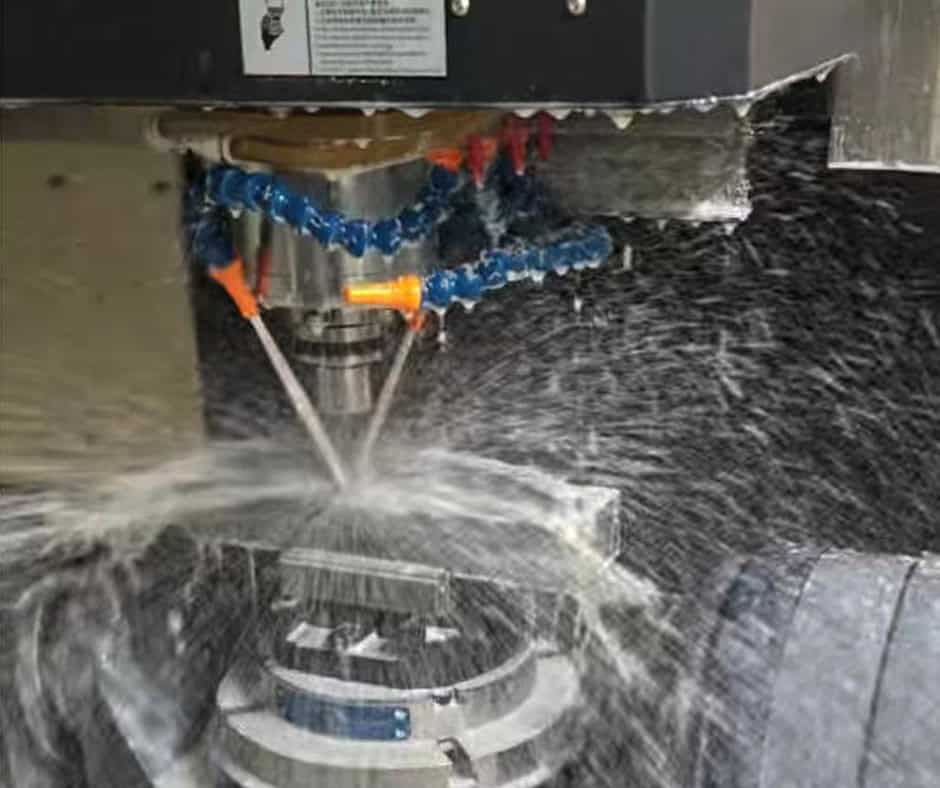
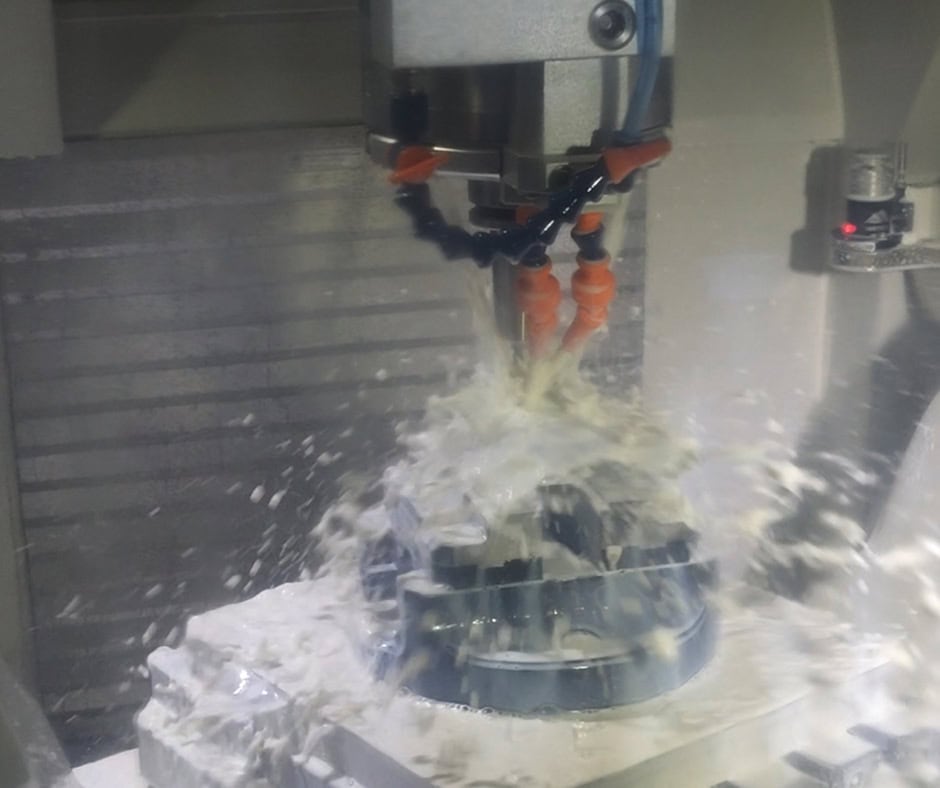
In practice, SUS630 is easier to machine in the solution-treated (Condition A) state before aging. After aging to H900, hardness increases significantly, making machining more difficult.
Heat Treatment
The typical process involves:
1.Solution treatment
2.Rapid cooling
3.Aging at controlled temperature (e.g., 900°F for H900)
Improper aging temperature can affect final strength and toughness.
Welding
Welding is possible but should be followed by appropriate heat treatment to restore properties.
Distortion Control
Because strength develops during aging rather than quenching, dimensional distortion is generally lower than conventional martensitic stainless steels.
When working with SUS630, process control during heat treatment directly determines final mechanical performance.
Typical Applications & Industries
SUS630 material is widely used where strength and corrosion resistance must coexist.
Aerospace
Structural brackets, turbine components, and fasteners benefit from high strength-to-weight ratio.
Automotive
High-strength shafts, gears, and performance components.
Marine
Pump shafts, valves, and hardware exposed to corrosive environments.
Oil & Gas
High-pressure components requiring mechanical strength and corrosion resistance.
Precision Engineering
Molds, tooling, and mechanical assemblies where dimensional stability is critical.
Its versatility makes it suitable for both structural and mechanical applications.
Cost, Forms & Procurement Considerations
Several factors influence SUS630 material cost:
Heat Treatment Condition
SUS630 H900 or other aged conditions typically cost more than solution-treated material due to additional processing.
Product Form
Common supply forms include:
•Round bar
•Flat bar
•Plate
•Forgings
•Wire
Certification
Aerospace-grade materials requiring AMS certification increase cost.
Volume
Bulk orders reduce per-unit pricing.
Compared to standard austenitic stainless steels, SUS630 is generally more expensive due to alloy content and precipitation hardening capability. However, its high strength may reduce total system cost by enabling smaller component sizes.
FAQs About SUS630 Material
1. Is SUS630 the same as 17-4PH?
Yes. SUS630 is the JIS designation equivalent to 17-4PH stainless steel under ASTM/AISI standards.
2. What is SUS630 H900?
SUS630 H900 refers to material aged at approximately 900°F, resulting in very high strength and hardness.
3. What is the SUS630 material equivalent?
Common equivalents include UNS S17400 and EN 1.4542.
4. Is SUS630 stainless steel corrosion resistant?
Yes. It provides good corrosion resistance, comparable to 304 stainless steel in many environments.
5. What is the difference between SUS630 vs 17-4?
There is no significant compositional difference. The terms represent the same precipitation-hardening stainless steel under different standards.