What Is SUS304 Stainless Steel?
SUS304 stainless steel is an austenitic chromium-nickel stainless steel defined under the Japanese Industrial Standards (JIS). It is equivalent to the internationally recognized 304 stainless steel grade and is known for its balanced corrosion resistance, formability, and weldability.
In practical engineering use, SUS304 stainless steel is widely selected for structural, industrial, and food-grade applications because it offers reliable performance in moderate corrosive environments without requiring complex heat treatment. Its stable austenitic structure provides good mechanical properties and ease of fabrication.
Table of Contents
Naming, Standards & Common Terms
SUS304 is the JIS designation for a material equivalent to AISI 304 stainless steel. Although the name differs by region, the base alloy composition is essentially the same.
Common Designations
•JIS SUS304
•AISI 304
•ASTM 304
•UNS S30400
•EN 1.4301 (X5CrNi18-10)
Relevant Standards
JIS G4303 / G4304 – Stainless steel bars and plates
ASTM A240 – Stainless steel plate and sheet
ASTM A276 – Stainless steel bars
ISO 15510 – Chemical composition standards
SUS304 should not be confused with SUS304L (low carbon version) or SUS316 (molybdenum-containing grade with improved corrosion resistance). While these materials are closely related, their corrosion performance and welding behavior differ slightly.
Key Properties & Performance Characteristics
SUS304 stainless steel is widely used because of its balanced performance profile.
Corrosion Resistance
Contains approximately 18% chromium and 8% nickel.
Why it matters:
Provides good resistance to atmospheric corrosion, moisture, and many mild chemicals.
Austenitic Structure
Non-hardenable by heat treatment and generally non-magnetic in annealed condition.
Why it matters:
Offers good ductility and formability for fabrication.
Good Weldability
Can be welded using common welding processes without preheating.
Why it matters:
Suitable for tanks, frames, piping, and structural assemblies.
Formability
Can be cold formed, deep drawn, and bent without cracking.
Why it matters:
Commonly used for sinks, enclosures, and formed industrial components.
Moderate Strength
Lower strength compared to precipitation-hardening stainless steels.
Why it matters:
Appropriate for general-purpose structural and industrial parts rather than high-load components.
SUS304 Stainless Steel vs SUS316 Stainless Steel
The primary difference between SUS304 and SUS316 lies in corrosion resistance and alloy composition.
Composition
SUS304: Chromium-nickel stainless steel
SUS316: Contains additional molybdenum for improved corrosion resistance
Corrosion Resistance
SUS316 performs better in chloride-rich or marine environments.
SUS304 is suitable for most indoor and mild outdoor applications.
Cost
SUS316 is generally more expensive due to molybdenum content.
SUS304 is more economical for general industrial use.
Typical Applications
Choose SUS304 for food processing, architectural structures, and general fabrication.
Choose SUS316 for marine hardware, chemical processing, and coastal environments.
Selection depends on exposure conditions and long-term durability requirements.
Manufacturing, Processing & Practical Considerations
SUS304 stainless steel is relatively easy to fabricate, but certain considerations improve results.
Machining
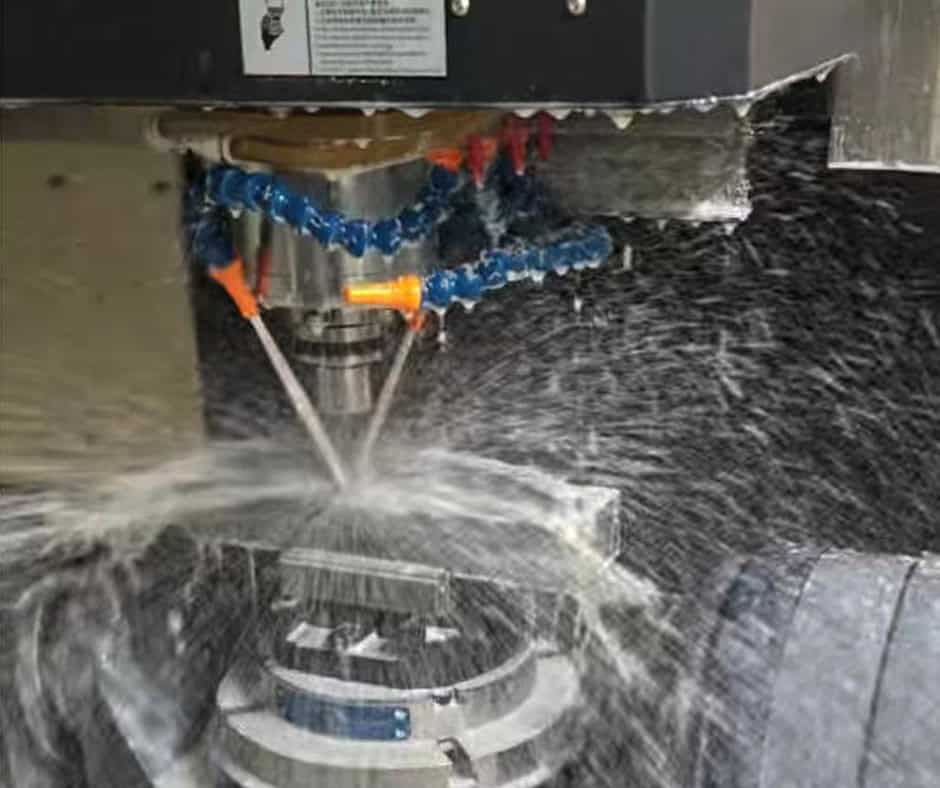
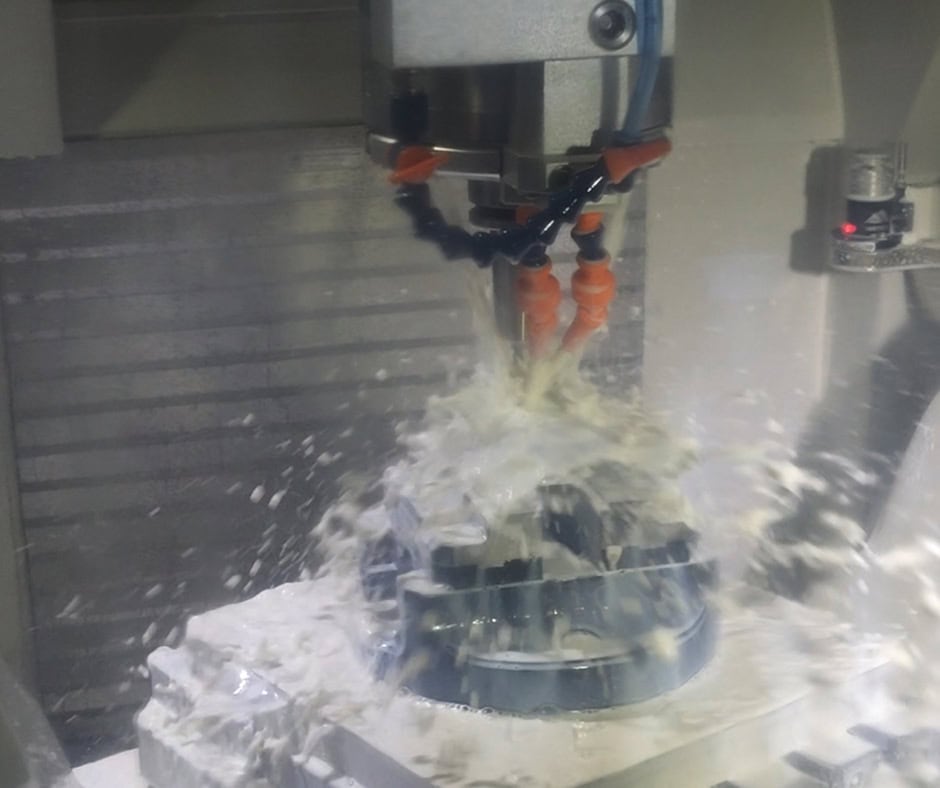
In practice, SUS304 has lower machinability than carbon steel due to work hardening. Using sharp tools and proper cutting speeds helps prevent surface hardening.
Welding
Standard TIG, MIG, and arc welding processes are suitable. Post-weld cleaning improves corrosion resistance.
Cold Working
Cold forming increases strength through strain hardening.
Surface Finishing
Can be supplied in mill finish, brushed, polished, or mirror finish depending on application.
Proper process control minimizes distortion and maintains dimensional accuracy during fabrication.
Typical Applications & Industries
SUS304 stainless steel is widely used across industries due to its versatility.
Food & Beverage
Processing equipment, storage tanks, kitchen appliances.
Construction & Architecture
Handrails, cladding panels, decorative elements.
Automotive
Trim components, brackets, and exhaust system parts.
Industrial Equipment
Frames, enclosures, piping systems.
Household Products
Sinks, cookware, and hardware fittings.
Its combination of corrosion resistance and workability makes it one of the most commonly specified stainless steels worldwide.
Cost, Forms & Procurement Considerations
Several factors influence SUS304 stainless steel procurement.
Product Forms
Common supply forms include:
•Sheet
•Plate
•Round bar
•Flat bar
•Pipe and tubing
•Coil
Surface Finish
Brushed or polished finishes increase processing cost compared to mill finish.
Certification
Material test reports and compliance documentation may affect pricing.
Order Volume
Larger quantities generally reduce unit cost.
SUS304 is typically more affordable than higher-alloy stainless grades, making it a cost-effective solution for many industrial applications.
FAQs About SUS304 Stainless Steel
1. Is SUS304 the same as 304 stainless steel?
Yes. SUS304 is the JIS designation equivalent to AISI 304 stainless steel.
2. Is SUS304 magnetic?
In annealed condition, it is generally non-magnetic, but cold working may induce slight magnetism.
3. Does SUS304 stainless steel rust?
It resists rust in most environments but may corrode in high-chloride or marine conditions.
4. Can SUS304 be heat treated to increase hardness?
No. It cannot be hardened by heat treatment but can gain strength through cold working.
5. What is the difference between SUS304 and SUS304L?
SUS304L has lower carbon content, improving weld corrosion resistance in certain applications.