Stainless steel screws are widely used in construction, manufacturing, and product assembly—but choosing the right type is not as simple as picking a size off the shelf. Environment, material pairing, installation method, and even torque control all play a role in whether your fasteners perform reliably over time.
This guide breaks down how to select, install, and validate stainless steel screws so your assemblies stay strong, corrosion-resistant, and trouble-free.
Table of Contents
1. Start with the Environment: Where Will the Screws Be Used?
The operating environment is the first and most important factor when selecting stainless steel screws.
•Indoor or dry environments
For general indoor use or protected outdoor areas, 304 stainless steel screws are typically sufficient. They offer good corrosion resistance and cost efficiency.
•Outdoor, coastal, or chemical exposure
In marine, poolside, or coastal conditions—or where salt, moisture, or chemicals are present—316 stainless steel screws are the safer choice. The added molybdenum improves resistance to chlorides and aggressive corrosion.
Rule of thumb:
If corrosion would be costly or difficult to fix later, choose the higher-grade screw from the start.
2. Match the Screw Type to the Application
Using the correct screw design improves both performance and installation efficiency.
•Stainless steel wood screws
Best for timber and composite materials. Coarse threads improve grip and reduce splitting.
•Stainless steel sheet metal screws / self-tapping screws
Designed to cut threads into thin metal or plastic. Pilot holes are often required.
•Self-drilling stainless steel screws
Ideal for thin steel or light structural applications. The drill-point tip eliminates pre-drilling.
•Machine screws and socket head cap screws
Used with tapped holes or nuts in metal assemblies where precision and repeatability matter.
Choosing the right head style (Phillips, Torx, hex, socket) also affects torque control and installation reliability – especially in stainless steel, where slipping or galling can occur.
3. Prevent Common Installation Problems
Even high-quality stainless steel screws can fail if installed incorrectly.
Pilot Holes Matter
•Pilot holes reduce splitting in wood and lower driving torque in metal.
•Proper sizing improves thread engagement and alignment.
Control Torque and Speed
•Avoid high-speed drivers – excessive heat increases the risk of galling (thread seizing).
•Use moderate torque and stop immediately if resistance spikes.
Use Anti-Seize When Needed
For stainless-on-stainless assemblies or large structural screws, a small amount of anti-seize lubricant dramatically reduces the risk of thread locking.
4. Watch Out for Mixed-Material Corrosion
Stainless steel screws are often used with aluminum, carbon steel, or other metals. In wet or outdoor environments, this can lead to galvanic corrosion.
To reduce risk:
•Use non-conductive washers or spacers
•Apply sealants or coatings at contact points
•Choose 316 stainless steel screws in aggressive environments
These simple steps can significantly extend service life.
5. Quality Verification Before You Buy
Not all stainless steel screws on the market are equal. Before placing bulk or critical orders:
•Confirm grade labeling (304 / A2, 316 / A4)
•Verify head type, thread standard, and finish
•Request datasheets or certificates for structural or outdoor use
•Check supplier quality systems and customer track record
For large projects, bulk stainless steel screws are more cost-effective—but only if grade and consistency are verified upfront.
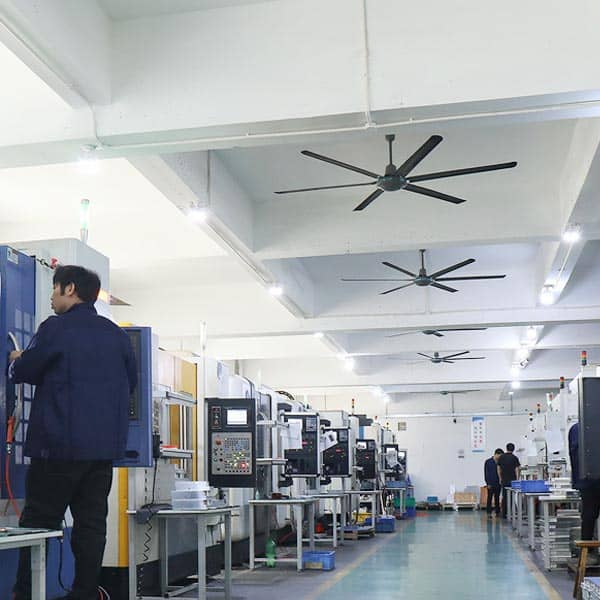
6. Prototyping and DFM: Validate Before Full Production
When stainless steel screws are part of a new design, early validation saves time and money.
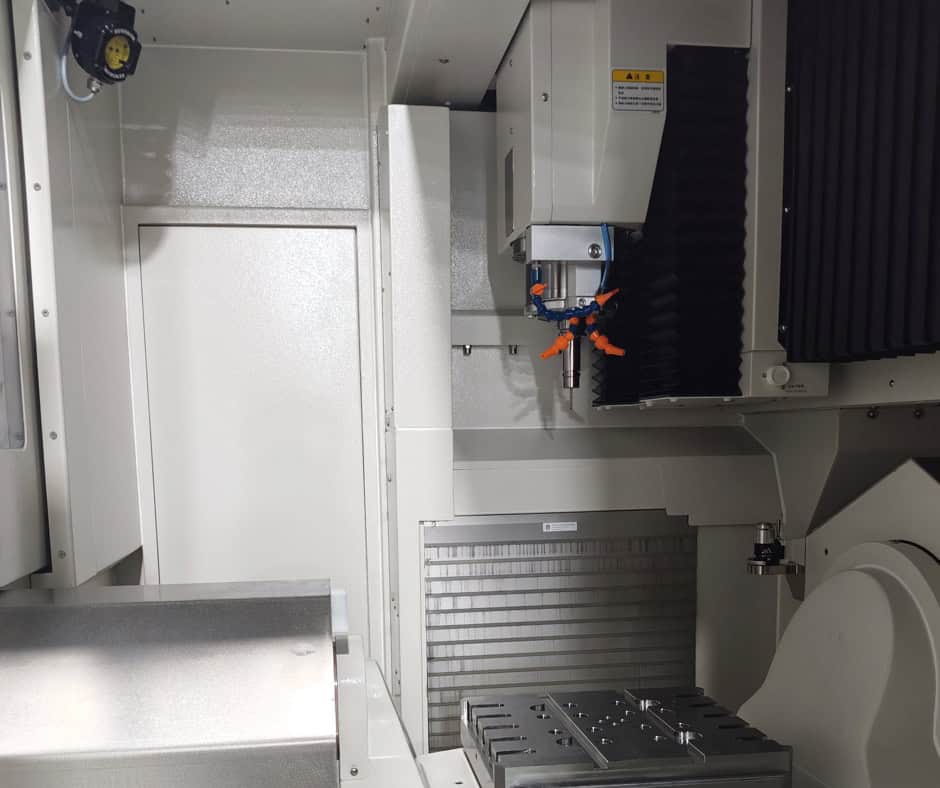
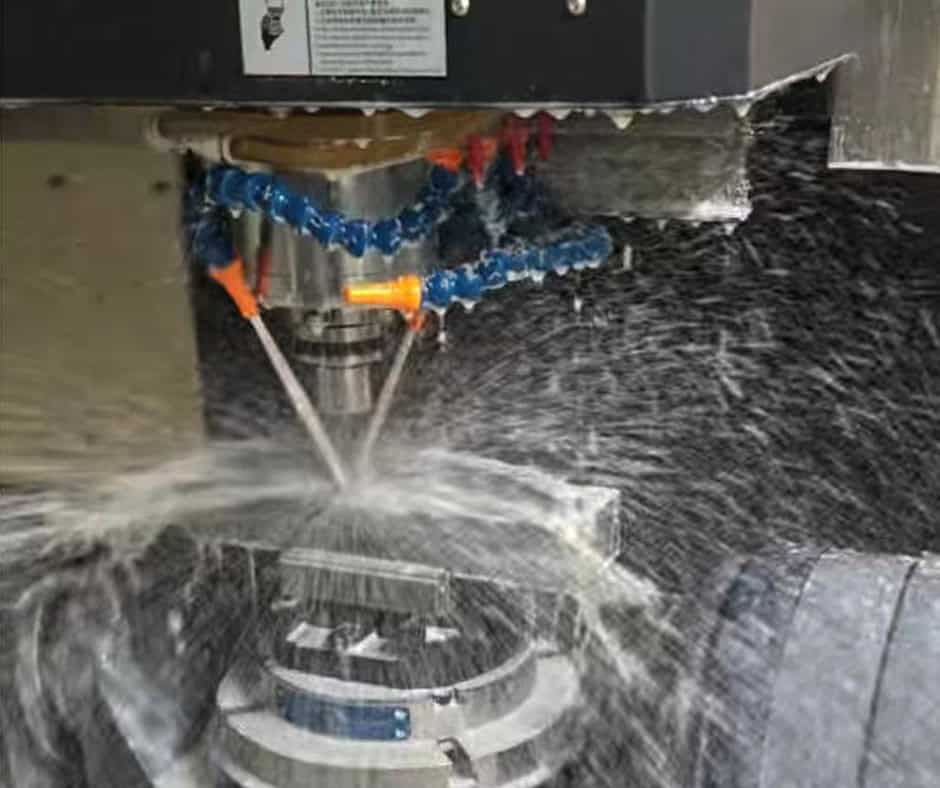
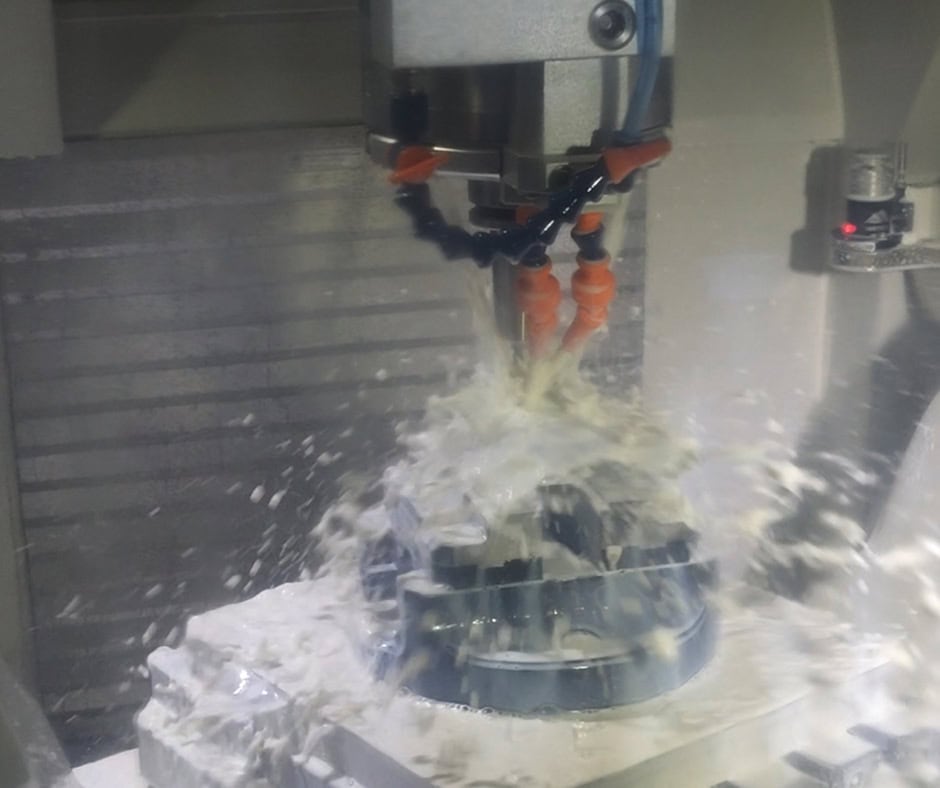
Using rapid prototyping (CNC machining, molded samples, or test assemblies) allows you to:
•Verify hole size, countersinks, and clearances
•Test thread engagement in metal and plastic
•Confirm accessibility for tools during assembly
•Identify galling or alignment issues early
Design for Manufacturability (DFM) feedback helps optimize fastener selection before scaling to production – reducing rework and delays.
7. Practical Takeaways
•Choose screw grade based on environment, not just cost
•Match screw type and thread to the material
•Use pilot holes, controlled torque, and lubrication when needed
•Isolate stainless steel from dissimilar metals in wet conditions
•Prototype and test with real fasteners before committing to volume
By following these principles, stainless steel screws deliver what they are known for: strength, corrosion resistance, and long-term reliability.