Required Documents to Start a CNC Machining Project
Before CNC machining can begin, manufacturers need clear and complete information about your part. Providing the right documents upfront ensures accurate quoting, faster production, and fewer mistakes during machining.
This guide explains the essential documents you should prepare before starting a CNC machining project – and why each one matters.
Table of Contents
1. 3D CAD File (STEP / STP / IGS)
A 3D model is the foundation of any CNC machining job. It allows engineers to fully visualize the geometry of your part and understand how it will be manufactured.
Accepted formats:
STEP / STP (.step / .stp) – most preferred
IGS / IGES (.igs / .iges) – also widely used
Why it’s important:
Provides accurate dimensions
Shows complex shapes, pockets, and contours
Helps determine machining strategy and cost
Allows for quick feasibility checks
A high-quality 3D file speeds up quoting and reduces communication back-and-forth.
2. 2D Technical Drawing with Tolerances
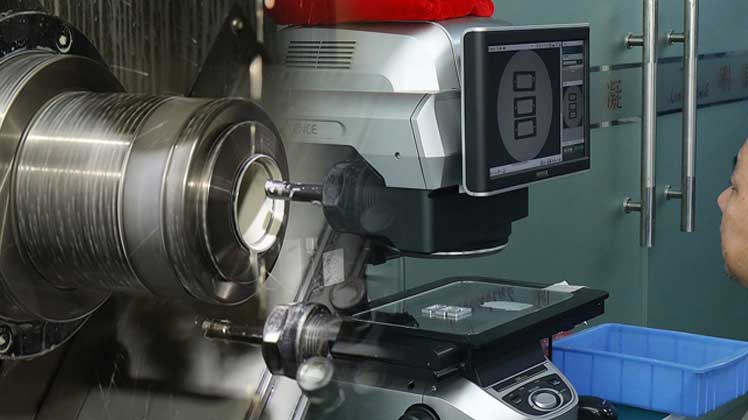
While the 3D file defines the geometry, the 2D drawing defines the requirements – especially tolerances, symbols, threads, and critical dimensions.
Your 2D drawing should include:
Tolerances (general + feature-specific)
Hole specifications (thread type, depth, fit)
Critical dimensions
Surface finish requirements
Geometric dimensioning & tolerancing (GD&T), if needed
Why it matters:
CNC machines can achieve high accuracy, but they need clear targets. The 2D drawing ensures engineers produce the part exactly as intended.
3. Material Requirements
Choosing the right material affects performance, cost, and machining speed.
Common CNC materials include:
Aluminum (6061, 7075, 2024…)
Stainless steel (304, 316, 303…)
Carbon steel
Brass & copper
Titanium
Engineering plastics (ABS, POM, PC, Nylon, PEEK…)
Why it matters:
Different materials require different tool paths
Harder materials take more time and cost more
Surface treatments depend on the material
Providing material details upfront ensures accurate pricing and planning.
4. Quantity and Surface Treatment Requirements
Your desired quantity and finishing needs help determine production time, cost, and process setup.
Quantity matters because:
Small batches are ideal for fast prototyping
Large quantities may require fixture optimization or multi-machine setups
Volume affects lead time and per-unit cost
Surface treatments you can specify include:
Anodizing
Powder coating
Sandblasting
Electroplating
Polishing
Laser engraving
Why this information is essential:
Finishing processes add extra time and cost, and the manufacturer must plan them in advance.
Final Thoughts
Providing complete and accurate documents ensures your CNC machining project starts smoothly.
To begin production, you should prepare:
3D CAD file (STEP/STP/IGS)
2D drawing with tolerances and threads
Material specifications
Quantity and surface finishing requirements
With these details, your machining partner can deliver a precise quote, optimize production, and ensure your parts are manufactured exactly to your expectations.