Quality Control Essentials for CNC Machining Services
Table of Contents
1. Request Material Certifications
Material is the foundation of every machined part. If the material is incorrect or substandard, no amount of machining accuracy can fix the problem. Material certificates, often called Mill Test Reports (MTR), confirm that the raw materials used in production match the required specifications.
Why material certifications matter:
Verifies alloy type and material grade (e.g., 6061-T6, SUS304, brass C3604)
Confirms mechanical properties such as hardness and tensile strength
Ensures compliance with industry or customer standards
Prevents supplier substitution with cheaper materials
What to check on the certificate:
Material specification
Supplier or factory name
Batch number
Chemical composition
Mechanical property values
By reviewing certificates in advance, you avoid costly rework and protect your customer’s trust.
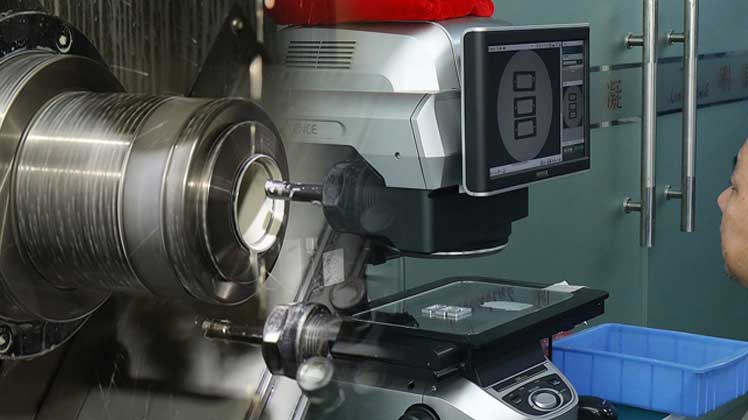
2. Ask for CMM Inspection Reports
For parts with tight tolerances, complex geometries, or critical features, a CMM (Coordinate Measuring Machine) inspection report is essential. It provides an objective measurement of each dimension against the drawing requirements.
What a CMM report tells you:
Actual measured values of key dimensions
GD&T features such as position, flatness, concentricity
Pass/fail status per tolerance
Stability of machining accuracy across the batch
Why CMM reports are valuable:
Reduces disputes with customers
Ensures critical dimensions are verified before shipment
Helps identify potential machining issues early
Gives you higher confidence when handling high-precision orders
Using CMM data allows you to provide more professional and reliable service, especially for aerospace, medical, and robotics industries.
3. Request Photos and Videos Before Shipment
Visual inspection is one of the simplest and most effective ways to confirm product quality remotely. Photos and videos give you a real view of machining finish, part cleanliness, quantity, packaging, and labeling.
What to check visually:
Surface finish consistency
Chamfering and deburring quality
Presence of scratches, dents, or tool marks
Thread quality and hole cleanliness
Correct quantity and packaging layout
Label accuracy for each batch or SKU
Benefits of photo and video checks:
Catch issues before shipment
Confirm packaging meets your requirements
Ensure no missing parts
Reduce surprises when the customer receives the goods
This step is especially important for new suppliers or high-volume shipments.
4. Build a Simple Yet Effective Quality Checklist
You don’t need a complicated procedure to maintain high standards. A clear checklist ensures nothing gets overlooked.
Sample QC checklist:
Material certificate received and verified
Dimensional inspection report (CMM or manual)
Surface finish checked
Thread gauge results (Go/No-Go)
Photo/video inspection completed
Packaging confirmed
Shipping labels correct
A standardized checklist improves your consistency and reduces risk across multiple projects.
5. Communicate Quality Expectations Clearly
Quality issues often arise from unclear communication rather than technical difficulty. Make sure your supplier understands:
Which dimensions are critical
Which surfaces must meet appearance standards
What tolerance adjustments are acceptable
What packaging is required
Whether a CMM report is mandatory
Clear communication saves time, reduces rework, and keeps your supply chain reliable.
6.Conclusion: Quality Control Builds Reputation and Trust
Quality control is not just about catching mistakes—it’s about preventing them. By requesting material certifications, CMM reports, and detailed pre-shipment photos or videos, you create a transparent quality process that protects both your business and your customers.
In the CNC machining world, reliability is everything. Strong quality control practices build your reputation and make customers more confident in giving you long-term projects.