What Is POM CNC Machining?
POM CNC machining refers to the precision machining of polyoxymethylene (POM), an engineering thermoplastic commonly known as acetal or Delrin, using computer numerical control (CNC) equipment. It involves removing material from POM rods, sheets, or blocks to create dimensionally accurate components with tight tolerances.
POM is valued for its high strength, low friction, and excellent dimensional stability, which makes it suitable for precision mechanical parts. CNC machining allows manufacturers to produce gears, bushings, housings, and structural components from POM with consistent accuracy and repeatability.
Table of Contents
Naming, Standards & Common Terms
POM is known by several names in industry, which often leads to confusion. The most common designations include:
•POM (Polyoxymethylene) – The generic material name.
•Acetal – A widely used commercial term for POM.
•Delrin® – A well-known brand name for homopolymer POM.
•POM-C – Copolymer version with improved chemical resistance.
•POM-H – Homopolymer version with slightly higher strength and stiffness.
In technical documentation, POM materials may be specified according to standards such as ASTM D6100 (acetal molding and extrusion materials) or ISO 9988 for polyoxymethylene plastics.
When referring to “POM CNC machining,” the term typically covers both POM-H and POM-C unless a specific grade is stated. The machining process itself does not change the base polymer classification but may require grade selection depending on load, moisture exposure, or dimensional requirements.
Key Properties & Performance Characteristics
POM is frequently selected for CNC machining because of its balanced mechanical and processing properties.
High Strength and Stiffness
POM offers good tensile strength and rigidity compared to many other plastics. In practice, this allows it to replace metal in light-load structural parts.
Low Friction and Good Wear Resistance
Its naturally low coefficient of friction makes it suitable for sliding components such as gears, bearings, and guide rails.
Dimensional Stability
POM maintains its shape well under moderate temperature changes and low moisture absorption. This stability is important for precision parts that must hold tight tolerances.
Good Machinability
When machining POM, chips break cleanly and surfaces can achieve smooth finishes. Tool wear is relatively low compared to glass-filled plastics.
Chemical Resistance
POM resists fuels, oils, and many solvents, making it suitable for mechanical and industrial environments. However, it can be sensitive to strong acids and oxidizing agents.
Moderate Temperature Resistance
Typical continuous service temperature is around 80–100°C, depending on grade. It is not intended for high-temperature structural use.
These properties make POM CNC machining a practical solution when strength, precision, and wear resistance are required without the weight of metal.
POM CNC Machining vs Nylon CNC Machining
POM CNC machining and nylon CNC machining are often compared because both materials are engineering plastics used in mechanical parts.
The core difference lies in moisture behavior and dimensional stability. POM absorbs less moisture than nylon, which gives it better dimensional consistency in humid environments.
Performance
•POM offers higher stiffness and better dimensional stability.
•Nylon generally has higher impact resistance and toughness.
Processing
•POM machines with cleaner chip formation and lower risk of stringing.
•Nylon can be more flexible during machining and may require additional support.
Cost
•Both materials are typically comparable in cost, though specific grades vary.
Typical Use Cases
•Choose POM for precision gears, bushings, and components where tight tolerances are critical.
•Choose nylon for impact-resistant parts or where higher fatigue resistance is needed.
The final decision depends on mechanical load, environmental conditions, and tolerance requirements.
Manufacturing, Processing & Practical Considerations
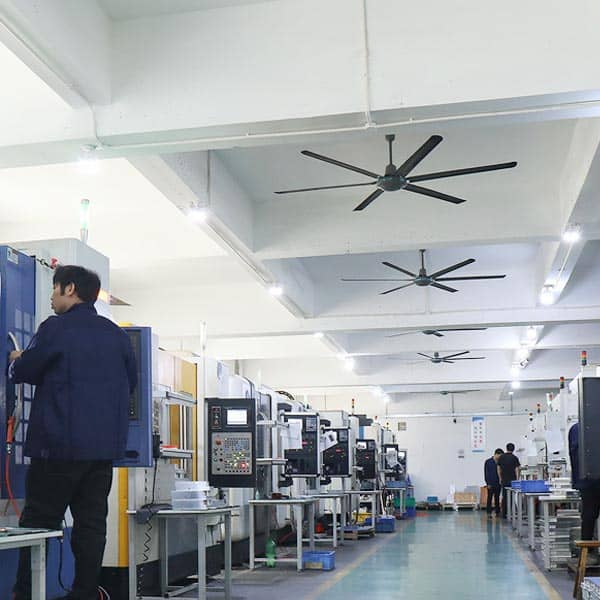
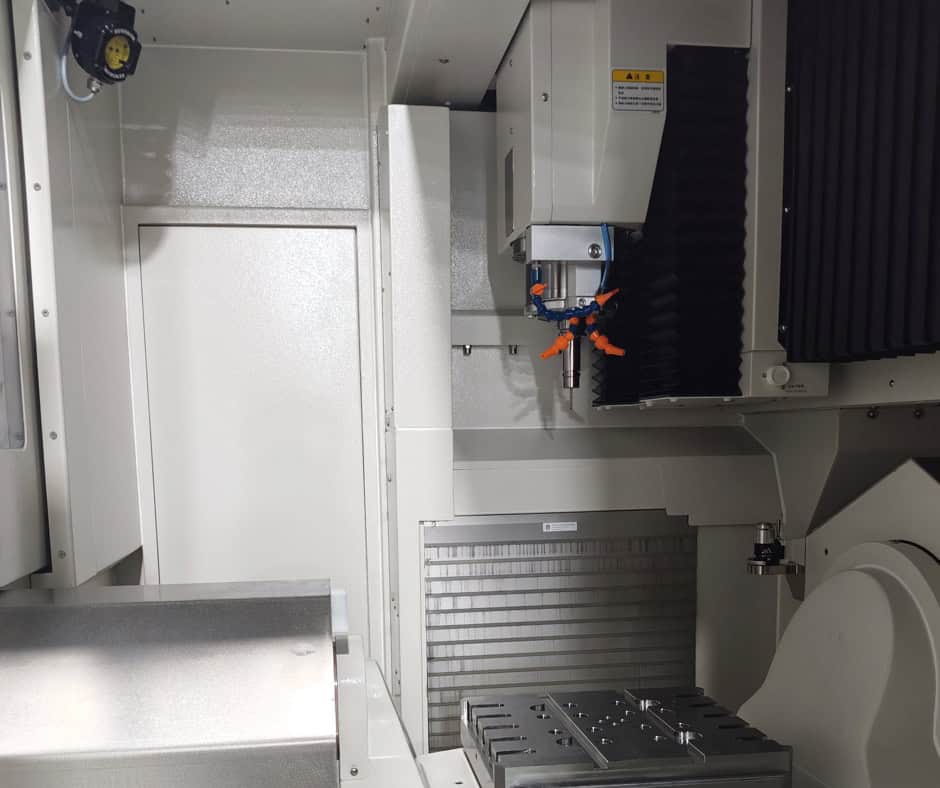
POM CNC machining commonly involves milling, turning, drilling, and threading operations. Both 3-axis and multi-axis machining centers can be used depending on part complexity.
Material Preparation
POM is usually supplied in rods, sheets, or plates. Proper clamping is important because excessive pressure may cause deformation.
Cutting Parameters
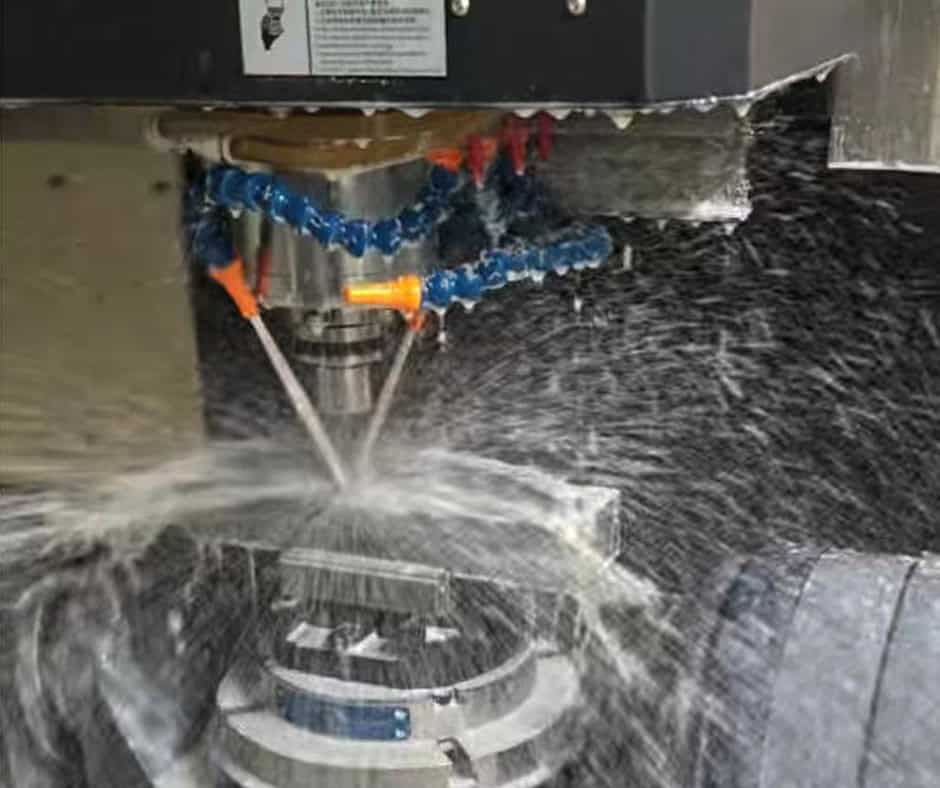
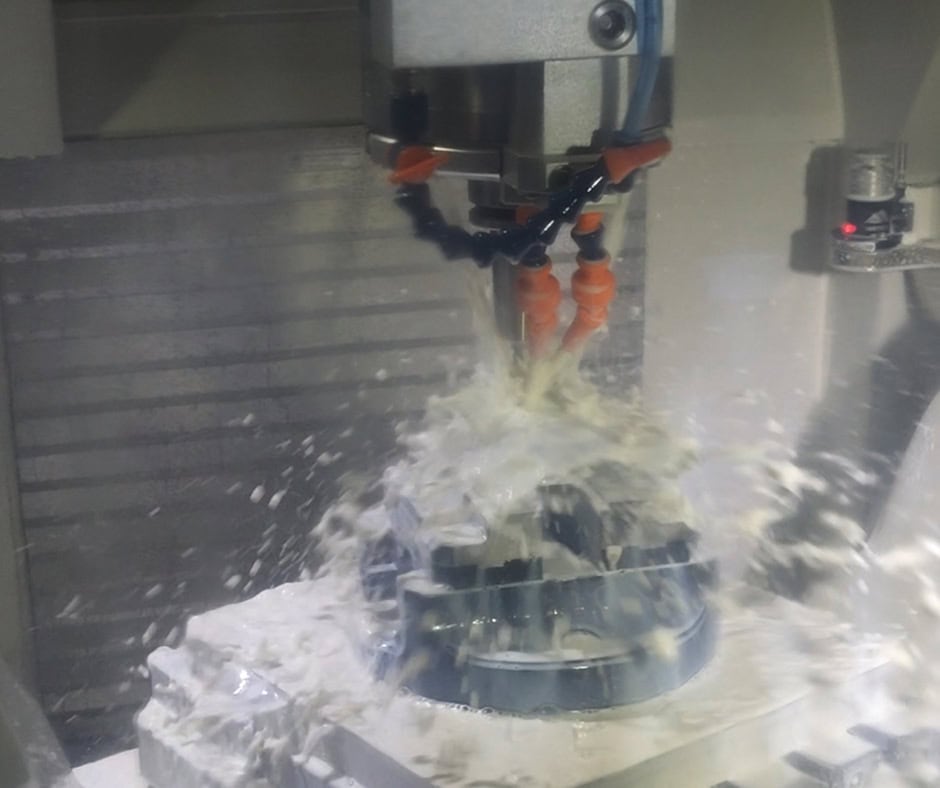
In practice, sharp tools and moderate cutting speeds produce the best surface finish. Because POM has low melting temperature compared to metals, excessive heat can cause surface smearing.
Tolerance Control
POM’s low moisture absorption supports stable tolerances. However, temperature changes during machining can still affect precision, so controlled environments are recommended for high-accuracy parts.
Finishing
Parts can be deburred easily. Polishing or light surface finishing may be applied when appearance or reduced friction is required.
When working with POM, attention to chip evacuation and heat management helps maintain surface quality and dimensional accuracy.
Typical Applications & Industries
POM CNC machining is widely used across multiple industries due to its mechanical reliability and wear performance.
Automotive
Fuel system components, clips, gears, and interior mechanical parts benefit from POM’s chemical resistance and dimensional stability.
Industrial Equipment
Bushings, rollers, conveyor components, and sliding elements use POM for its low friction and wear resistance.
Electronics & Electrical
Insulating parts, housings, and structural supports take advantage of POM’s electrical insulation properties.
Consumer Products
Precision mechanical parts in appliances and devices rely on POM for strength and consistent performance.
Medical & Food Equipment (Non-implant)
Certain grades of acetal are used in handling equipment and fixtures where mechanical strength and low moisture absorption are required.
Cost, Forms & Procurement Considerations
The cost of POM CNC machining depends on several factors:
Material Grade
Homopolymer and copolymer versions differ slightly in price and performance. Specialty grades (e.g., reinforced or food-grade) may increase cost.
Part Complexity
Multi-axis machining, tight tolerances, and intricate geometries increase machining time and overall cost.
Volume
Higher production volumes generally reduce unit cost due to setup cost distribution.
Certification Requirements
If material traceability, compliance documentation, or specific industry certifications are required, procurement costs may increase.
Material Forms
POM is commonly supplied as:
•Rods
•Sheets
•Plates
•Tubes
Buyers should confirm grade, dimensional tolerance, and certification needs before placing orders to avoid rework or delays.
FAQs About POM CNC Machining
1. Is POM suitable for precision mechanical parts?
Yes. POM offers good dimensional stability and low friction, making it suitable for gears, bushings, and precision components.
2. What is the difference between POM-H and POM-C?
POM-H (homopolymer) generally provides slightly higher strength and stiffness, while POM-C (copolymer) offers better chemical resistance and improved stability in certain environments.
3. Can POM replace metal parts?
In light-load and low-temperature applications, POM can replace metal to reduce weight and machining cost. However, it is not suitable for high-temperature or heavy structural loads.
4. Is POM easy to machine?
Yes. POM machines cleanly with good chip control and can achieve smooth surface finishes using standard CNC equipment.
5. What tolerances can be achieved in POM CNC machining?
Tolerances depend on part size and geometry, but precision machining can typically achieve tight tolerances comparable to other engineering plastics when proper process control is applied.