What Is Plastic PE Material?
Plastic PE material refers to polyethylene, one of the most widely used thermoplastic polymers in the world. It is produced from polymerized ethylene monomers and is valued for its lightweight structure, chemical resistance, and cost efficiency.
In engineering and industrial contexts, PE plastic material is commonly selected for packaging, piping, containers, insulation, and machined components. Its versatility comes from the availability of multiple density grades, each offering different mechanical and thermal characteristics.
Table of Contents
Material Classifications, Standards & Industry Terminology
Plastic PE material is generally classified by density and molecular structure rather than a single grade name.
Common Types of PE
•LDPE (Low-Density Polyethylene)
•LLDPE (Linear Low-Density Polyethylene)
•HDPE (High-Density Polyethylene)
•UHMW-PE (Ultra-High Molecular Weight Polyethylene)
Each type differs in strength, stiffness, flexibility, and wear resistance.
Standards & Specifications
Depending on the application, PE materials may comply with:
•ASTM D3350 – Classification for polyethylene pipe materials
•ASTM D4976 – Standard specification for PE molding materials
•ISO 4427 – PE pipes for water supply
•FDA or food-grade certifications (for packaging use)
Although all are polyethylene, LDPE, HDPE, and UHMW-PE are not interchangeable. Mechanical strength and processing methods vary significantly between grades.
Mechanical & Functional Performance Characteristics
Plastic PE material offers a combination of lightweight construction and chemical durability.
Lightweight Structure
PE has low density compared to most engineering plastics.
Why it matters:
Reduces shipping weight and overall system mass.
Chemical Resistance
Resistant to acids, alkalis, and many solvents.
Why it matters:
Suitable for chemical storage tanks and piping systems.
Impact Resistance
Especially in HDPE and UHMW grades.
Why it matters:
Useful in containers, liners, and protective components.
Low Moisture Absorption
Minimal water uptake.
Why it matters:
Maintains dimensional stability in humid environments.
Wear Resistance (UHMW-PE)
Ultra-high molecular weight PE has excellent abrasion resistance.
Why it matters:
Ideal for sliding components and wear strips.
Moderate Temperature Resistance
Lower heat resistance compared to high-performance plastics.
Why it matters:
Best suited for low to medium temperature applications.
Plastic PE Material vs PP (Polypropylene)
Polyethylene (PE) and polypropylene (PP) are often compared due to similar cost and availability.
Core Difference
PE is generally more flexible and impact-resistant, while PP offers higher stiffness and temperature resistance.
Mechanical Performance
•PE: Better impact resistance at low temperatures
•PP: Higher rigidity and slightly better heat resistance
Chemical Resistance
Both perform well in chemical environments, though PP may tolerate slightly higher temperatures.
Processing
Both are suitable for injection molding, extrusion, and blow molding.
When to Choose PE
Select PE for flexible packaging, pipes, impact-resistant containers, and sliding parts.
When to Choose PP
Choose PP for rigid containers, automotive interior components, and applications requiring higher heat tolerance.
Fabrication & Processing Considerations
Plastic PE material is processed using common thermoplastic manufacturing techniques.
Injection Molding
Widely used for producing containers, caps, and molded components.
Blow Molding
Common for bottles and hollow products.
Extrusion
Used for pipes, sheets, and films.
CNC Machining
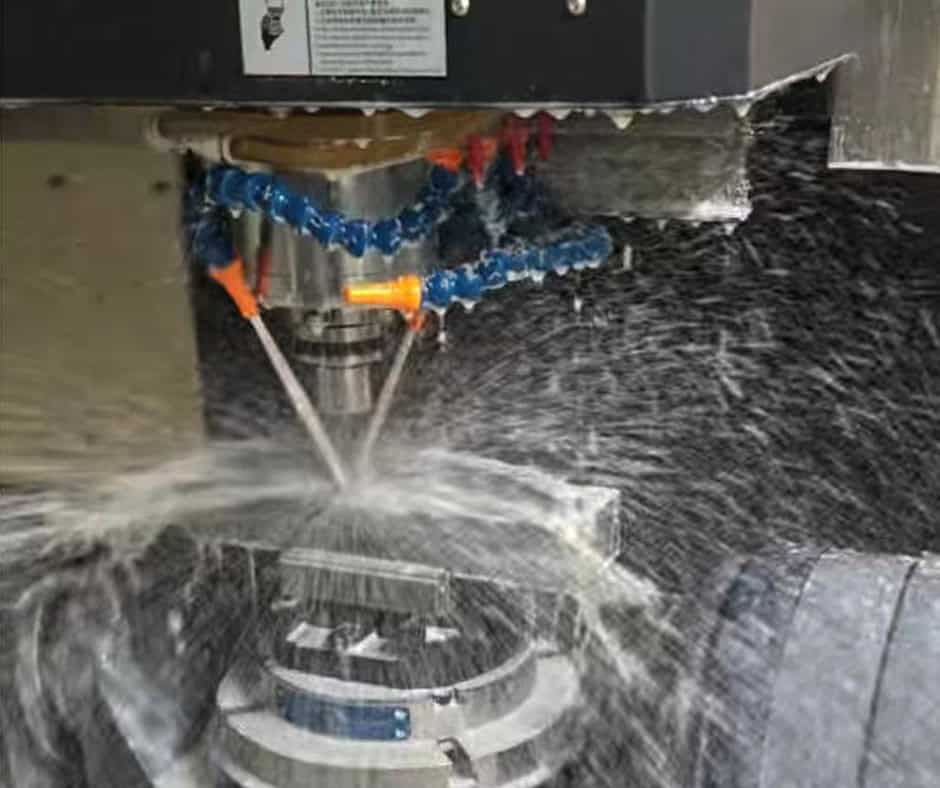
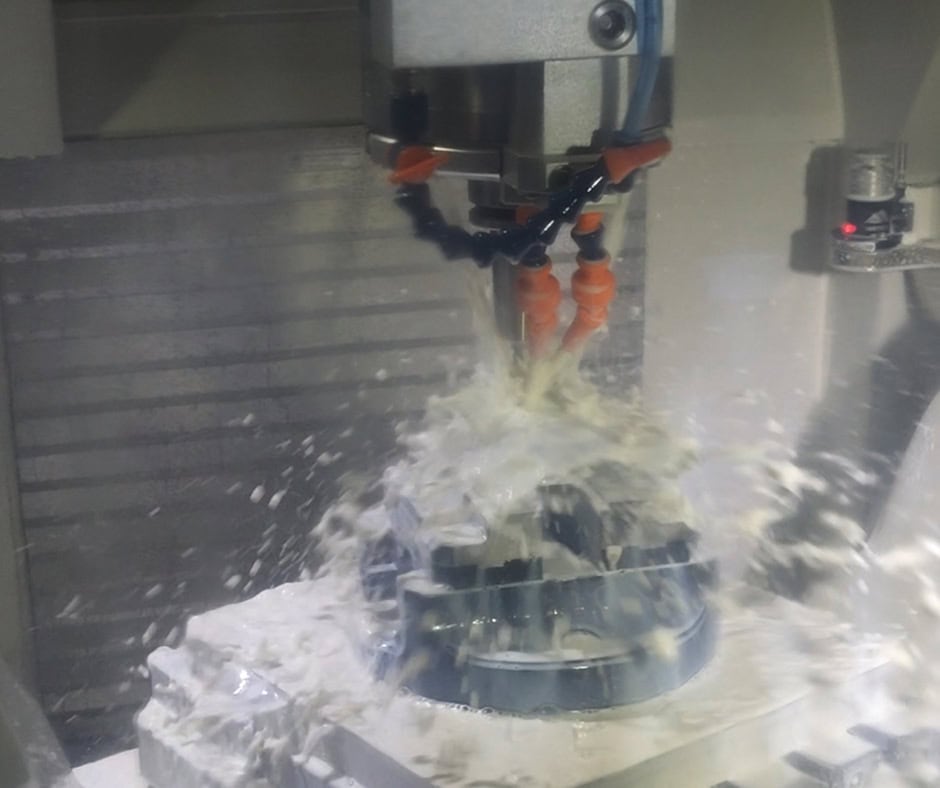
In practice, HDPE and UHMW-PE machine easily but may require sharp tools to prevent surface tearing.
Welding
PE can be heat welded, particularly in piping systems.
Because PE has a relatively low melting point, temperature control during processing is essential to avoid deformation.
Industrial & Commercial Applications
Plastic PE material is used across multiple industries.
Packaging
Films, bags, bottles, and protective wraps.
Water & Gas Distribution
HDPE pipes for municipal and industrial systems.
Agriculture
Irrigation piping and greenhouse films.
Food Industry
Cutting boards, containers, and liners (food-grade PE).
Industrial Equipment
Wear strips, sliding components, and tank liners (UHMW-PE).
Its combination of durability and affordability makes it one of the most widely used plastics globally.
Pricing Drivers, Supply Forms & Buying Factors
Several factors influence PE material procurement.
Material Grade
UHMW-PE costs more than LDPE or HDPE due to higher molecular weight and performance.
Product Form
Common supply forms include:
•Sheet
•Rod
•Tube
•Film
•Pellets for molding
Volume
Large-volume production reduces per-unit material cost.
Certification
Food-grade or pressure-rated pipe materials may require compliance documentation, increasing cost.
Plastic PE material is generally considered cost-effective compared to engineering plastics such as PEEK or nylon.
Frequently Asked Questions About Plastic PE Material
1. What does PE stand for in plastic?
PE stands for polyethylene, a thermoplastic polymer made from ethylene monomers.
2. Is PE plastic safe for food contact?
Yes, food-grade polyethylene is widely used in packaging and containers.
3. What is the difference between HDPE and LDPE?
HDPE is stronger and more rigid, while LDPE is more flexible and softer.
4. Can PE plastic be recycled?
Yes. Many forms of polyethylene, especially HDPE and LDPE, are recyclable.
5. Is PE plastic heat resistant?
It has moderate heat resistance but is not suitable for high-temperature structural applications.