Understanding PEEK Material in Engineering Applications
PEEK material (polyether ether ketone) is a high-performance thermoplastic polymer known for its exceptional strength, heat resistance, and chemical stability. It belongs to the PAEK (polyaryletherketone) family and is widely used in aerospace, medical, semiconductor, and high-end industrial applications.
Unlike general plastics, PEEK maintains mechanical integrity at elevated temperatures and under continuous load. Because of this, peek plastic material is often selected as a lightweight alternative to metal in demanding environments where strength, dimensional stability, and chemical resistance are critical.
Table of Contents
Technical Naming, Grades & Industry Designations
PEEK is the abbreviation for polyether ether ketone, a semi-crystalline high-performance engineering polymer.
Common Technical Terms
•PEEK polymer
•PEEK plastic
•PEEK thermoplastic
•PEEK filament (used in high-temperature 3D printing)
•PEEK tubing
•PEEK implant grade
Standards & Specifications
Depending on application, PEEK materials may comply with:
•ASTM D6262 – Standard classification system for PEEK
•ISO 10993 – Biocompatibility (for medical-grade PEEK)
•FDA compliance – For food-contact grades
•Aerospace material standards for high-performance polymers
Different grades may include:
•Unfilled PEEK
•Glass-filled PEEK
•Carbon fiber–reinforced PEEK
•Medical-grade implant PEEK
When referencing peek material equivalent, it is important to distinguish PEEK from other high-performance plastics such as PEI (Ultem) or PPS. They are not direct substitutes due to differences in temperature resistance and mechanical strength.

Mechanical & Thermal Performance Overview
PEEK material properties make it suitable for high-load and high-temperature environments.
High Temperature Resistance
Continuous use temperature can reach approximately 250°C (482°F).
Why it matters:
Suitable for aerospace components and engine-adjacent parts.
Excellent Mechanical Strength
PEEK offers high tensile strength and good fatigue resistance.
Why it matters:
Can replace metal in lightweight structural applications.
Chemical Resistance
Resistant to most organic and inorganic chemicals.
Why it matters:
Ideal for oil & gas, semiconductor, and chemical processing environments.
Low Moisture Absorption
Minimal dimensional change in humid environments.
Why it matters:
Maintains tight tolerances in precision parts.
Wear & Friction Performance
Low friction coefficient and high wear resistance.
Why it matters:
Used for bushings, bearings, and sliding components.
Coefficient of Thermal Expansion
PEEK has a relatively low thermal expansion compared to standard plastics.
Why it matters:
Improves dimensional stability during temperature changes.
PEEK Material vs PTFE
PEEK and PTFE are both high-performance polymers but serve different purposes.
Core Difference
PEEK is a structural engineering plastic with high strength, while PTFE is primarily valued for extreme chemical resistance and low friction.
Mechanical Strength
•PEEK: High strength and stiffness
•PTFE: Lower mechanical strength
Temperature Resistance
•Both perform well at elevated temperatures
•PEEK maintains better structural load capacity at high temperature
Machinability
•PEEK machines similarly to high-performance plastics
•PTFE is softer and may deform under cutting loads
Cost
PEEK is generally more expensive due to its advanced performance profile.
When to choose PEEK:
Structural components, aerospace parts, medical implants.
When to choose PTFE:
Sealing, chemical liners, non-stick applications.
Processing, Machining & Fabrication Insights
Working with peek plastic requires attention to heat and tooling.
CNC Machining
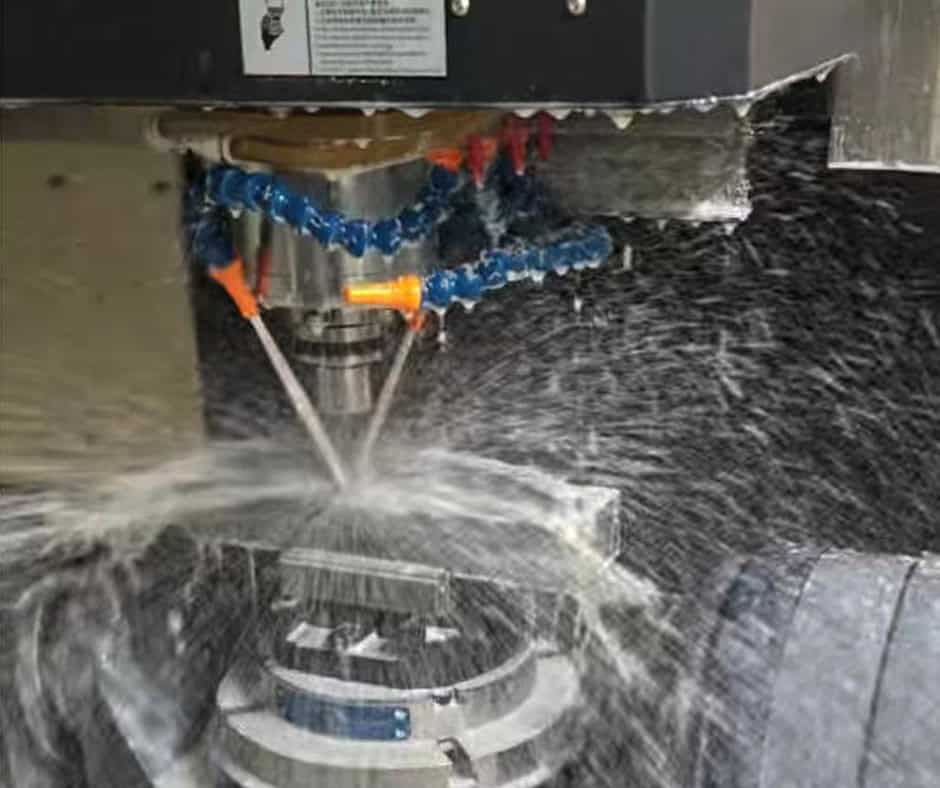
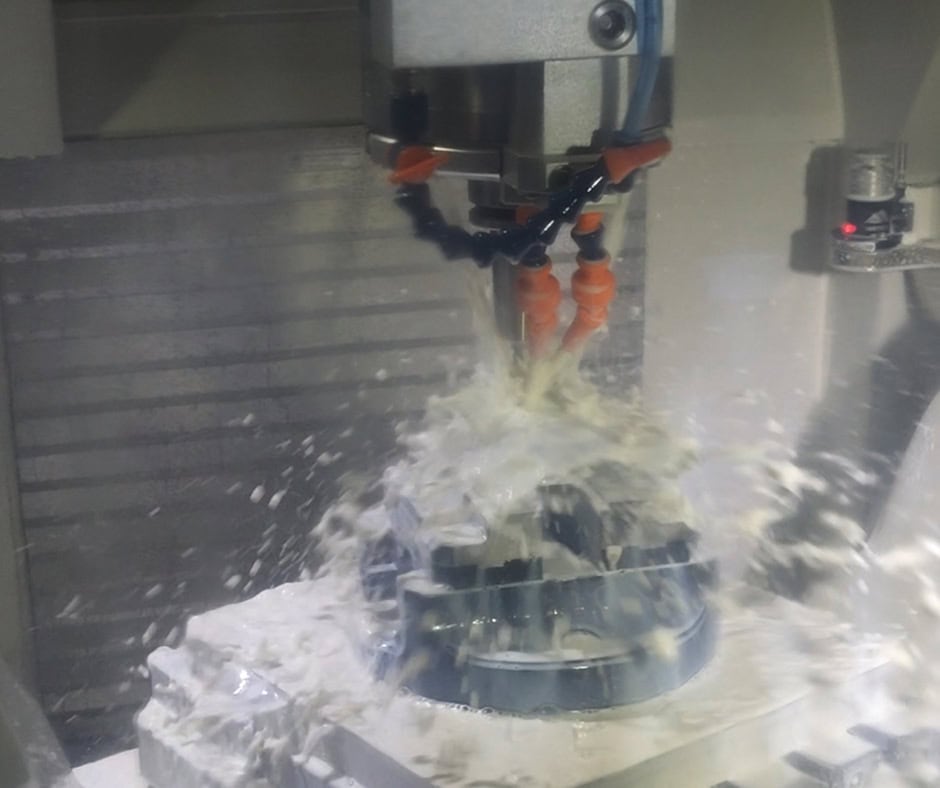
In practice, PEEK machines cleanly but generates heat. Sharp tools and proper chip evacuation are important to prevent surface melting.
Injection Molding
Requires high processing temperatures and controlled cooling to maintain crystallinity.
3D Printing
PEEK filament is used in high-temperature industrial printers. Strict chamber temperature control is necessary to avoid warping.
Drilling & Tapping
Threads can be machined effectively, but controlled feed rates improve finish quality.
Surface Finishing
PEEK can be polished or machined to achieve tight tolerances for precision applications.
Experience shows that temperature management during processing is critical to achieving consistent material properties.
Industry Use Cases & Functional Applications
PEEK material is selected in industries requiring extreme performance.
Aerospace
Structural brackets, insulation components, and lightweight replacement for aluminum parts.
Medical
Spinal implants, orthopedic devices, and dental components due to biocompatibility.
Semiconductor
Wafer handling tools and chemical-resistant parts.
Oil & Gas
Seals, valve components, and downhole tools exposed to aggressive chemicals.
Automotive
High-temperature bushings and transmission components.
Its ability to combine strength, chemical resistance, and thermal stability makes it suitable for demanding engineered systems.
Pricing Factors, Product Forms & Sourcing Advice
Several factors influence peek material cost.
Grade Selection
Carbon-filled and medical-grade PEEK cost more than unfilled grades.
Product Form
Common forms include:
•Rod
•Sheet
•Plate
•Tube
•PEEK tubing
•PEEK fiament for 3D printing
Certification
Medical and aerospace certifications increase procurement cost.
Volume
Bulk purchasing reduces per-unit material pricing.
PEEK is considered a premium engineering polymer. While the initial material cost is higher than standard plastics, its durability and performance often reduce long-term maintenance and replacement costs.
Frequently Asked Questions About PEEK Material
1. What is PEEK material used for?
PEEK is used in aerospace, medical implants, semiconductor tooling, and high-temperature industrial components due to its strength and chemical resistance.
2. Is PEEK stronger than metal?
PEEK is not stronger than structural steel, but it offers a high strength-to-weight ratio and can replace metal in lightweight applications.
3. Can PEEK be 3D printed?
Yes. PEEK filament can be printed using high-temperature industrial 3D printers with controlled heated chambers.
4. Is PEEK chemically resistant?
Yes. It resists most solvents, fuels, and chemicals, making it suitable for harsh environments.
5. Why is PEEK material expensive?
Its advanced polymer chemistry, high processing temperature requirements, and specialized applications contribute to higher cost compared to standard plastics.