What Is PA6 Material?
PA6 material, also known as Polyamide 6 or Nylon 6, is a widely used engineering thermoplastic produced through the polymerization of caprolactam. It is known for its high mechanical strength, good wear resistance, and excellent balance of toughness and processability.
In industrial applications, PA6 is commonly selected for mechanical components that require durability, impact resistance, and moderate temperature performance. It is used in both injection-molded and machined parts across automotive, electrical, and general engineering sectors.
Table of Contents
Industry Naming, Standards & Technical Designations
PA6 material is identified under multiple international naming systems.
Common Names
•PA6 (Polyamide 6)
•Nylon 6
•Polycaprolactam
•Cast Nylon 6 (for extruded or cast forms)
Standards & Specifications
Depending on application, PA6 may comply with:
•ISO 1874 – Polyamide molding materials
•ASTM D4066 – Nylon material classification
•UL 94 – Flammability rating (for electrical applications)
•FDA or food-grade compliance (for specific grades)
PA6 should not be confused with PA66 (Nylon 6,6). While both belong to the polyamide family, they differ in melting point, crystallinity, and mechanical performance.
Modified grades may include:
•Glass fiber–reinforced PA6
•Flame-retardant PA6
•Oil-filled PA6
•Impact-modified PA6
Each grade provides different mechanical and thermal characteristics.
Mechanical & Functional Performance Overview
PA6 material is widely selected for its balanced engineering performance.
High Mechanical Strength
Provides good tensile strength and impact resistance.
Why it matters:
Suitable for load-bearing plastic components.
Excellent Wear Resistance
Performs well in sliding and friction environments.
Why it matters:
Commonly used for gears, bushings, and wear pads.
Good Fatigue Resistance
Withstands repeated mechanical stress.
Why it matters:
Ideal for dynamic mechanical parts.
Moderate Heat Resistance
Melting temperature is around 220°C.
Why it matters:
Suitable for medium-temperature industrial environments.
Moisture Absorption
Absorbs moisture from the environment.
Why it matters:
Dimensional changes must be considered in precision applications.
Electrical Insulation
Good dielectric properties.
Why it matters:
Frequently used in electrical housings and connectors.
PA6 Material vs PA66
PA6 and PA66 are often compared in engineering material selection.
Core Difference
PA66 has a higher melting point and slightly higher stiffness, while PA6 offers better impact resistance and easier processing.
Mechanical Strength
•PA66: Higher stiffness and heat resistance
•PA6: Better impact toughness
Processing
PA6 generally flows better during injection molding, making it easier to process.
Cost
PA6 is often slightly more economical.
Selection Guidance
Choose PA6 for impact resistance and cost efficiency.
Choose PA66 for higher temperature and structural stiffness requirements.
Processing, Machining & Fabrication Insights
PA6 material can be processed using several manufacturing methods.
Injection Molding
Common for mass production of industrial components. Proper drying before molding is critical due to moisture absorption.
Extrusion
Used for rods, sheets, and tubes.
CNC Machining
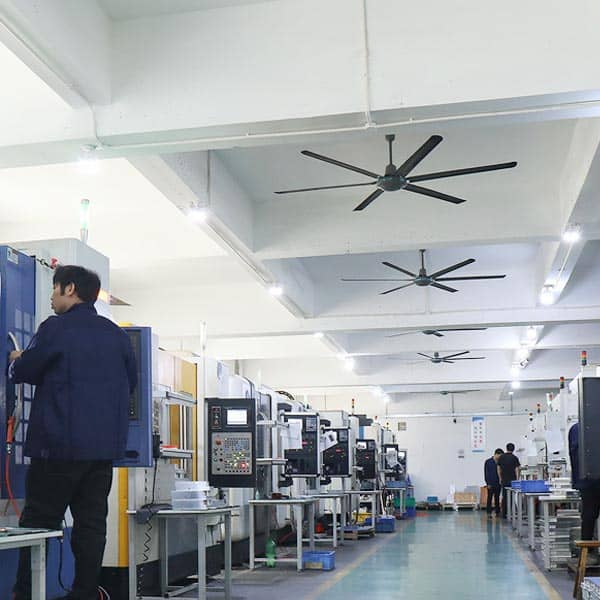
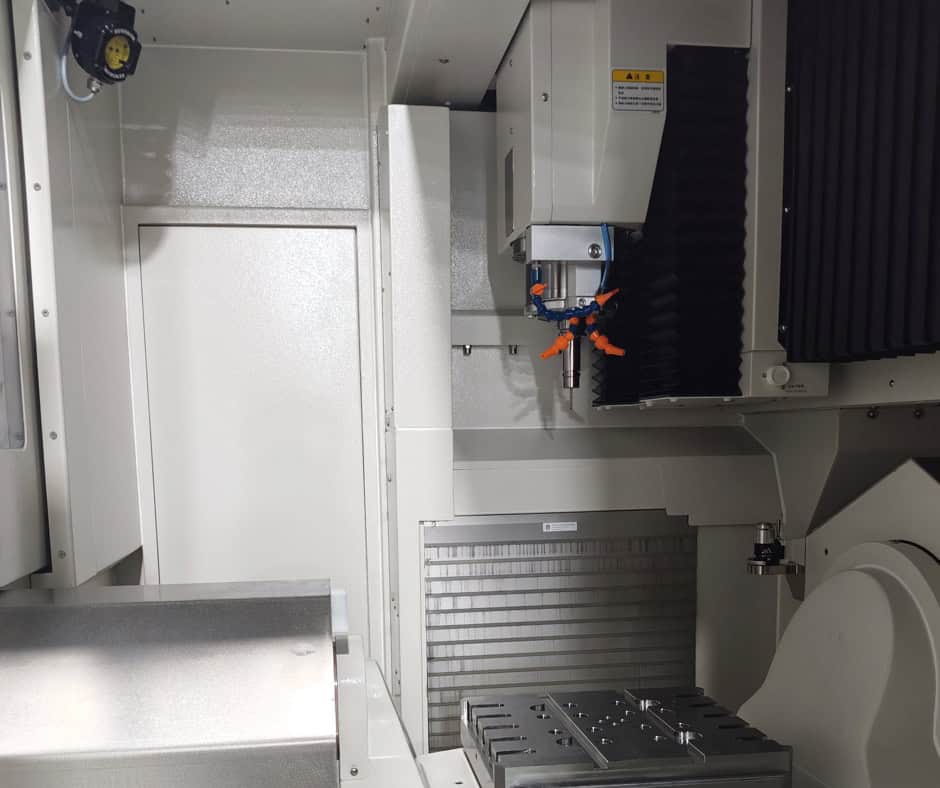
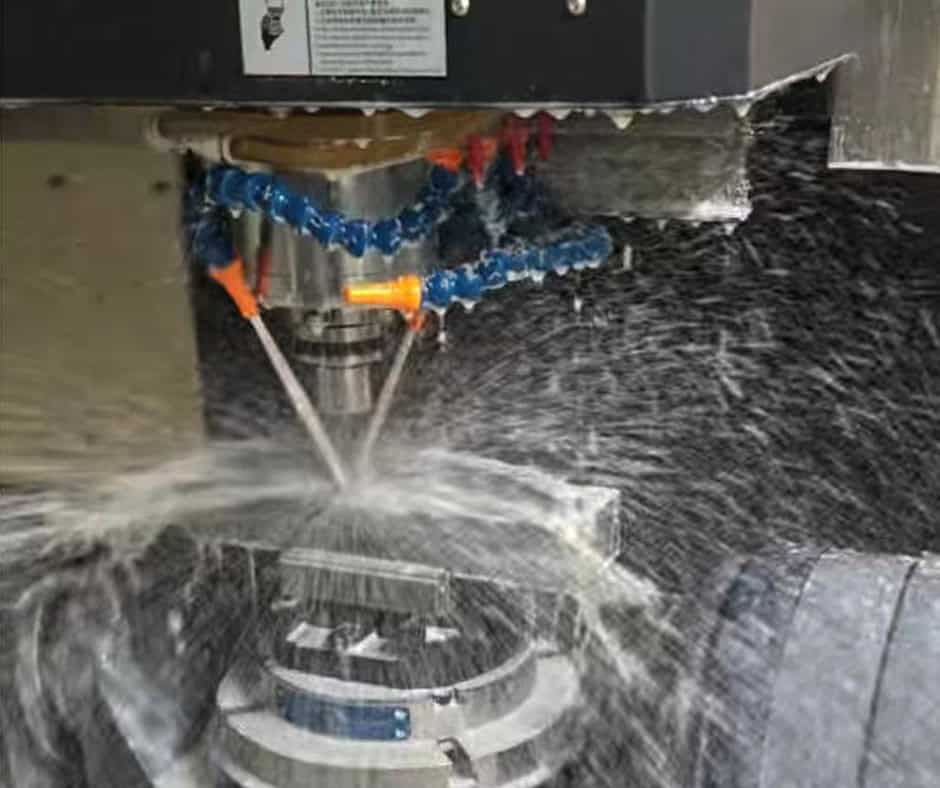
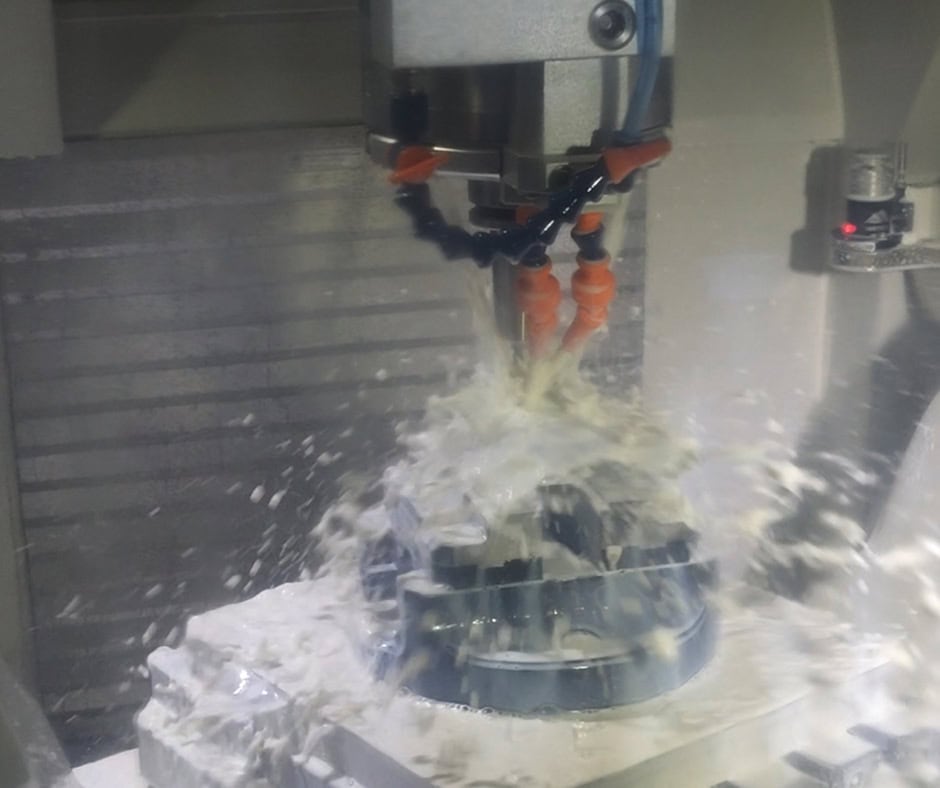
In practice, PA6 machines easily but may require sharp tools to prevent surface melting or deformation.
Welding & Assembly
Ultrasonic welding and mechanical fastening are common assembly methods.
Moisture conditioning may be necessary before final dimensional inspection to ensure stability.
Typical Applications & Industrial Use Cases
PA6 material is used across multiple industries.
Automotive
Engine covers, brackets, and interior structural components.
Industrial Machinery
Gears, rollers, bushings, and sliding elements.
Electrical & Electronics
Insulating housings and connectors.
Consumer Goods
Power tool components and structural housings.
Packaging & Mechanical Systems
Lightweight structural parts requiring strength and durability.
Its combination of strength, wear resistance, and cost-effectiveness makes it one of the most commonly used engineering plastics.
Cost Factors, Product Forms & Sourcing Considerations
Several elements influence PA6 procurement decisions.
Material Grade
Glass-filled and flame-retardant grades cost more than unfilled PA6.
Product Form
Common forms include:
•Pellets (for molding)
•Sheet
•Rod
•Tube
Volume
Large production volumes reduce per-unit cost.
Certification
Electrical or food-grade compliance may increase pricing.
Compared to high-performance plastics like PEEK, PA6 is significantly more economical while still offering strong mechanical performance.
Frequently Asked Questions About PA6 Material
1. What is PA6 material commonly used for?
PA6 is used for gears, bushings, automotive parts, and electrical components due to its strength and wear resistance.
2. Is PA6 the same as Nylon 6?
Yes. PA6 and Nylon 6 refer to the same polymer.
3. Does PA6 absorb moisture?
Yes. It absorbs moisture from the environment, which can affect dimensions and mechanical properties.
4. Can PA6 be machined?
Yes. PA6 can be CNC machined effectively with proper tooling and temperature control.
5. What is the difference between PA6 and PA66?
PA66 has higher heat resistance and stiffness, while PA6 offers better impact resistance and easier processing.