Managing Delivery Times in CNC Machining Services
A smooth delivery timeline requires confirming three essential stages: production lead time, surface finishing lead time, and packaging and shipping time. When you manage each stage clearly, you create a predictable and professional experience for your customers.
Table of Contents
1. Confirm Production Lead Time
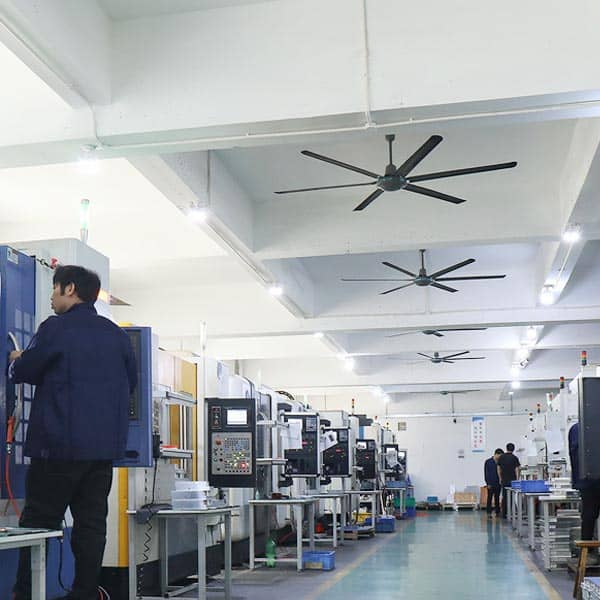
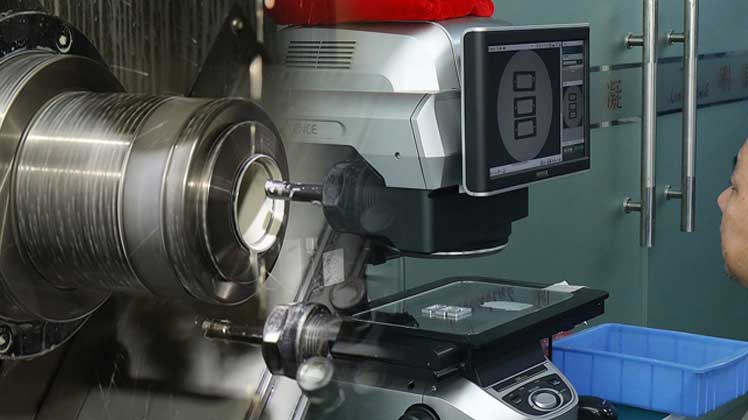
Production lead time is the foundation of your schedule. It depends on part complexity, material availability, machining hours, and your supplier’s workload. Never assume the lead time—always confirm it before quoting.
What affects production lead time:
Material purchase or stock availability
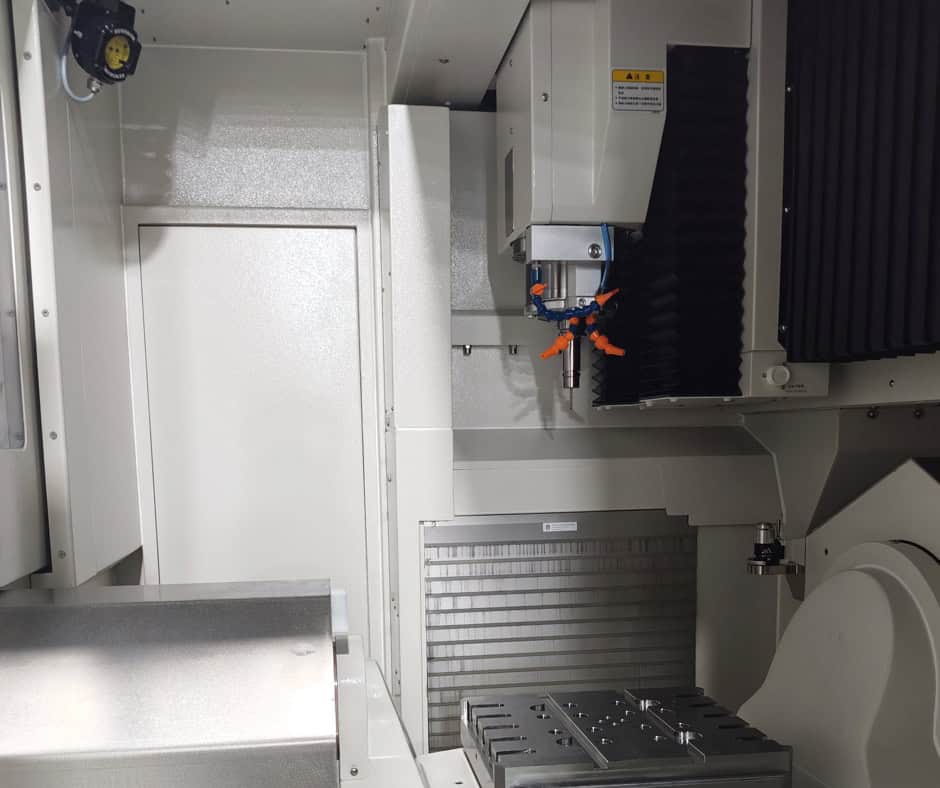
Machining complexity (3-axis vs. 5-axis)
Fixture requirements
Quantity and batch size
Supplier’s current queue
Risk of rework or tooling adjustments
Best practices for managing production schedules:
Ask the supplier for realistic, not optimistic, timelines
Confirm if there are bottlenecks in the workshop
Add buffer time for complex or tight-tolerance parts
Update customers proactively if anything changes
A well-managed production timeline reduces stress and ensures you deliver on your promise.
2. Confirm Surface Finishing Lead Time
Many CNC parts require finishing steps such as anodizing, plating, powder coating, bead blasting, or heat treatment. These processes are often outsourced to specialized finishing factories—meaning their schedules directly affect yours.
Why surface finishing needs separate confirmation:
Some finishers batch-process parts only on certain days
High season (electronics, automotive) may cause delays
Different finishes require different curing or drying times
Color matching can extend the schedule
Reject rates may require refinishing
How to manage finishing lead times:
Ask for the exact number of days required
Confirm whether weekends and holidays affect the schedule
Request photos from the finisher before final approval
Reserve backup finishing suppliers for urgent orders
When finishing is well coordinated, your project stays on track even during busy periods.
3. Confirm Packaging and Shipping Time
Even after machining and finishing are complete, the job isn’t done. Proper packaging and accurate shipping arrangements ensure that parts arrive in perfect condition and on time.
Packaging time considerations:
Custom packaging requirements (foam, bags, labels)
Special protection for sharp edges or delicate surfaces
Carton or crate preparation
Quantity verification and labeling
Shipping time considerations:
Courier speed (DHL, FedEx, UPS, TNT)
Sea/rail freight timelines for large orders
Export documentation and customs clearance
Weather or seasonal logistics delays
Best practices:
Confirm packing time for every project
Verify shipping estimates with tracking numbers
Inform customers of dispatch timing immediately
Provide photos of packaging to avoid disputes
Good packaging and clear shipping coordination prevent damage, loss, and complaints.
4. Combine All Steps Into a Complete Delivery Timeline
A reliable CNC service provider doesn’t give a single “total lead time” — they break it down clearly.
Example timeline:
Production: 7 days
Surface finishing: 4 days
Packaging: 1 day
Express shipping: 3–5 days
Total estimated delivery time: 11–13 days
Breaking the timeline into stages helps customers understand your process and gives them confidence in your planning.
5. Communicate Delivery Updates Proactively
Delays happen—but silence makes them worse. Customers appreciate suppliers who update them early and honestly.
Tips for proactive communication:
Provide weekly progress updates
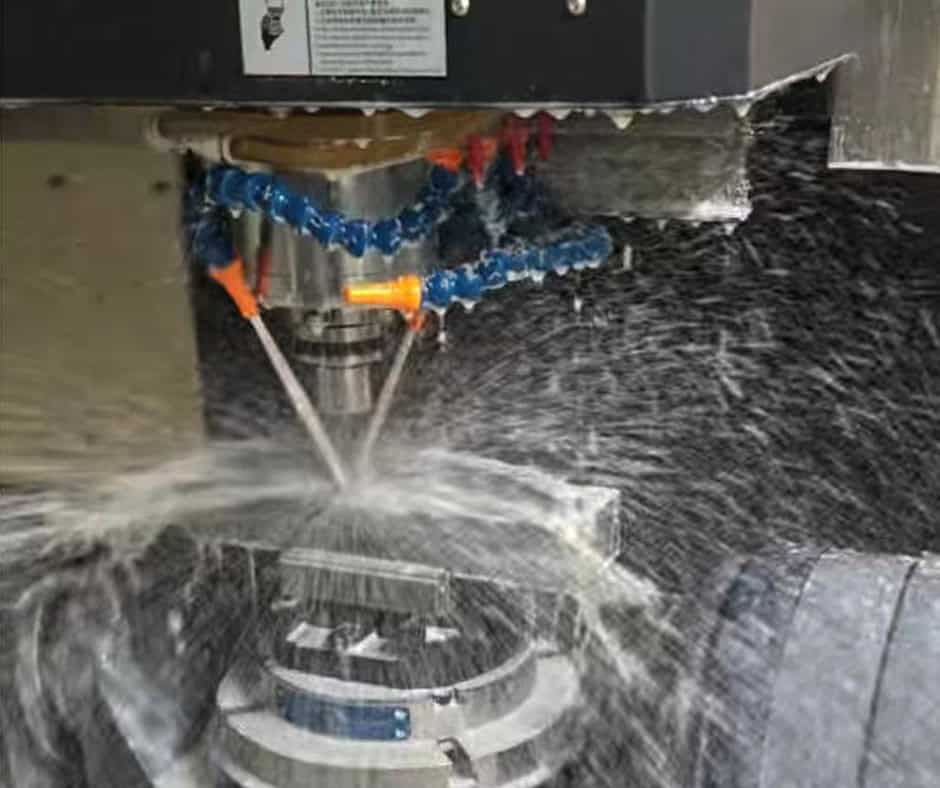
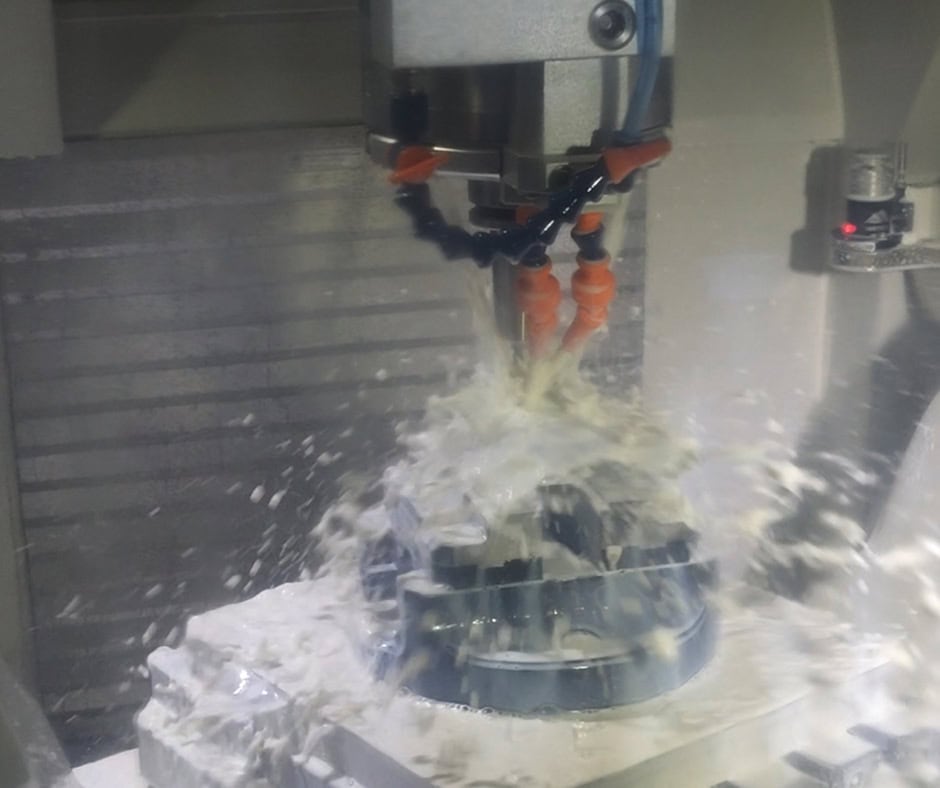
Send photos during machining and finishing stages
Notify customers immediately if something unexpected occurs
Offer solutions, not just explanations
Proactive communication transforms potential frustration into trust.
6. Conclusion: Managing Delivery Times Builds Reliability
Delivering on time is one of the strongest ways to prove your professionalism. By confirming production lead time, surface finishing schedules, and packaging/shipping time, you create a predictable process that customers can rely on.
Consistent, transparent delivery management becomes a core competitive advantage—turning first-time customers into long-term partners.