What Is Machining Aluminum 6061?
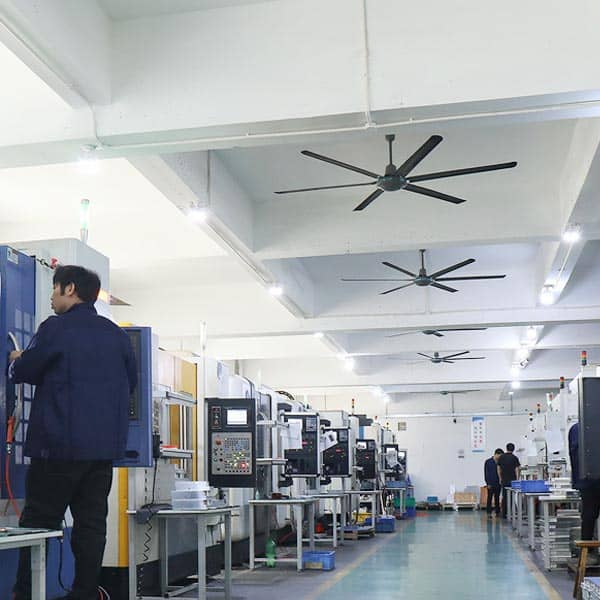
Machining aluminum 6061 refers to the manufacturing process of cutting, drilling, milling, or turning 6061 aluminum alloy into precise components using CNC or conventional machining methods. It involves shaping this heat-treatable aluminum alloy into finished parts that meet dimensional, mechanical, and surface requirements.
6061 is one of the most widely used aluminum grades due to its balanced strength, corrosion resistance, and machinability. When engineers discuss machining aluminum 6061, they typically refer to working with 6061-T6 or 6061-T651 temper conditions, which provide improved mechanical performance and dimensional stability.
This material is commonly selected for structural and mechanical parts where moderate strength, low weight, and reliable processing performance are required.
Table of Contents
Naming, Standards & Common Terms
Aluminum 6061 is part of the 6xxx series aluminum alloys, which are aluminum-magnesium-silicon alloys. The number “6061” identifies its chemical composition category within the Aluminum Association (AA) designation system.
In international standards, 6061 aluminum is commonly specified under:
•ASTM B221 – Aluminum and aluminum-alloy extruded bars, rods, wire, profiles, and tubes
•ASTM B209 – Aluminum and aluminum-alloy sheet and plate
•AMS 4027 / AMS 4026 – Aerospace material specifications for 6061 sheet and plate
•ISO 6361 – Wrought aluminum and aluminum alloy sheets and strips
Temper designations such as 6061-T6, 6061-T651, and 6061-O indicate different heat treatment conditions. For example:
•T6 – Solution heat-treated and artificially aged
•T651 – T6 with stress relief by stretching
•O – Annealed (soft condition)
Although the base composition remains the same, temper condition significantly affects mechanical properties and machining behavior. Therefore, when specifying machining aluminum 6061, both the alloy and temper must be clearly defined.
Key Properties & Performance Characteristics
When selecting machining aluminum 6061, engineers consider several core properties:
1. Mechanical Strength
6061-T6 offers good tensile and yield strength for a lightweight alloy. It is strong enough for structural components while remaining easier to machine than many high-strength aluminum grades.
Why it matters:
Provides structural reliability without excessive tool wear during machining.
2. Excellent Machinability
6061 machines cleanly and produces consistent chips. It allows higher cutting speeds compared to many steels.
Why it matters:
Reduces cycle time, improves surface finish, and supports close tolerances.
3. Corrosion Resistance
The magnesium and silicon combination provides good resistance to atmospheric corrosion and many industrial environments.
Why it matters:
Suitable for outdoor equipment, marine-adjacent components, and general industrial applications.
4. Thermal Conductivity
6061 has good thermal conductivity compared to steels.
Why it matters:
Helps dissipate heat during machining and makes it suitable for heat sinks and structural frames exposed to temperature variations.
5. Weldability
Unlike some high-strength aluminum alloys, 6061 can be welded using common methods.
Why it matters:
Enables fabricated assemblies in addition to machined components.
Machining Aluminum 6061 vs 7075 Aluminum
The core difference between machining aluminum 6061 and 7075 lies in strength versus machinability and cost.
Performance:
7075 aluminum offers significantly higher strength and is often used in aerospace and high-stress applications. However, 6061 provides a better balance of strength, corrosion resistance, and weldability.
Machinability:
Both alloys machine well, but 6061 is generally easier to process and less prone to stress cracking after machining.
Cost:
6061 is typically more economical than 7075, making it suitable for general-purpose structural components.
Typical Use Cases:
•Choose 6061 for frames, housings, brackets, and general mechanical parts.
•Choose 7075 when maximum strength-to-weight ratio is critical and welding is not required.
For many commercial and industrial applications, 6061 remains the more versatile and cost-effective option.
Manufacturing, Processing & Practical Considerations
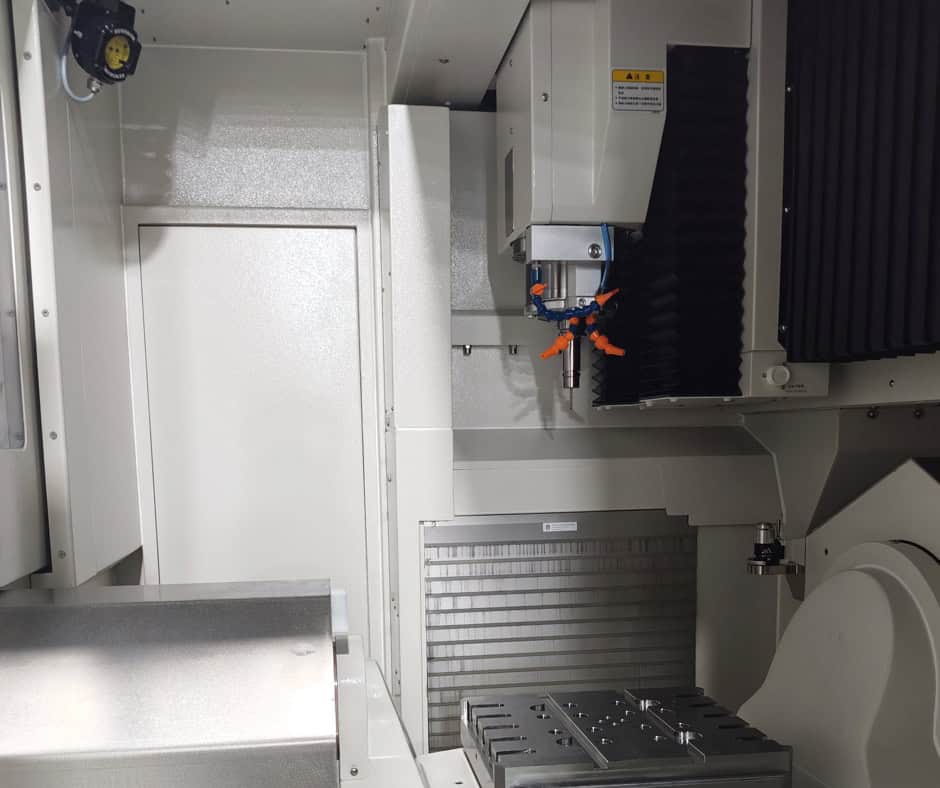
Machining aluminum 6061 is commonly performed using CNC milling, turning, drilling, and tapping.
Common Processing Methods
•CNC milling for complex geometries
•CNC turning for shafts and cylindrical components
•Drilling and tapping for threaded features
•Surface finishing such as anodizing or bead blasting
Practical Considerations
Chip Control:
In practice, maintaining proper cutting speed and feed rate ensures clean chip formation and prevents built-up edge on tools.
Tool Selection:
Sharp carbide tools with proper coatings improve surface finish and extend tool life.
Heat Management:
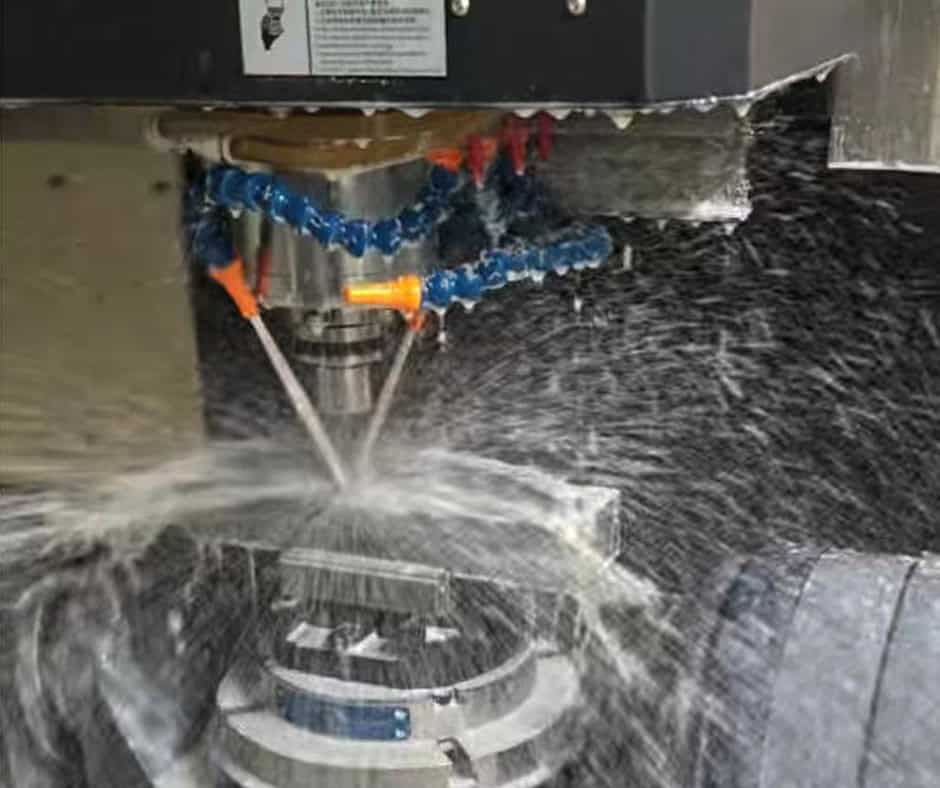
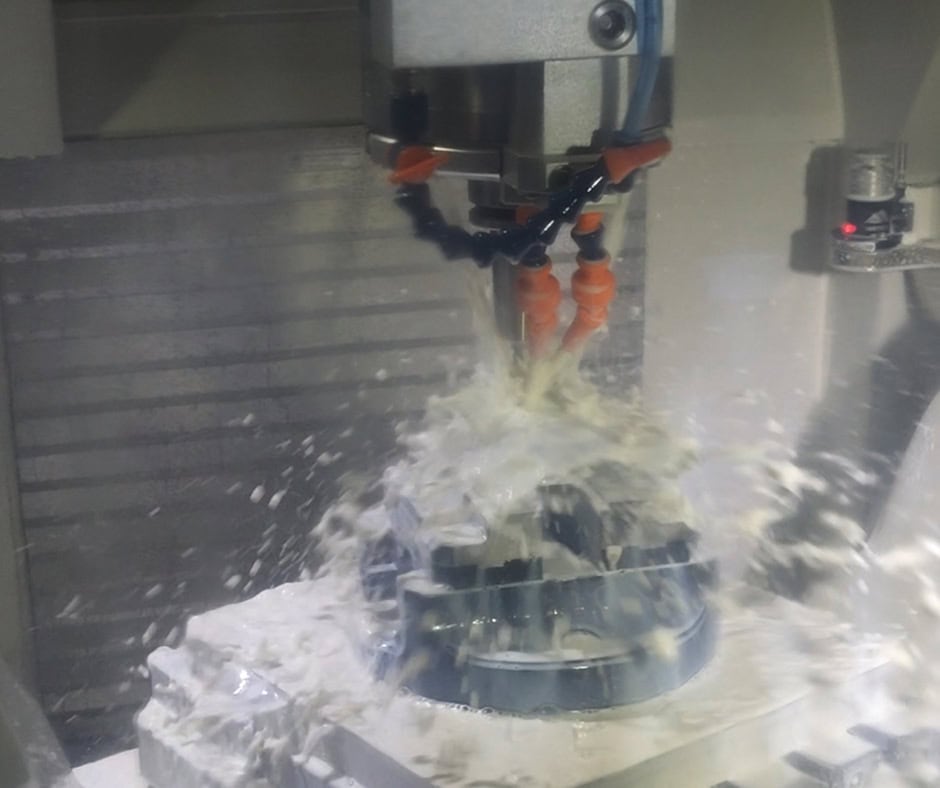
Although aluminum dissipates heat well, coolant or air blast is often used to prevent surface smearing and maintain dimensional accuracy.
Dimensional Stability:
When working with 6061-T651, stress relief reduces distortion during machining, especially in thin-wall parts.
Experience shows that correct fixturing and balanced cutting strategies are critical to achieving tight tolerances in lightweight aluminum structures.
Typical Applications & Industries
Machining aluminum 6061 is widely used across multiple industries:
1. Aerospace & Aviation
Used for brackets, structural supports, and lightweight frames due to its strength-to-weight ratio.
2. Automotive
Applied in suspension components, housings, and custom performance parts where weight reduction is important.
3. Industrial Equipment
Common for machine bases, fixtures, tooling plates, and structural frames.
4. Electronics
Used for enclosures and heat-dissipating components because of its thermal conductivity.
5. Marine Applications
Suitable for parts exposed to moderate moisture environments due to corrosion resistance.
Its versatility makes it one of the most commonly specified aluminum alloys for machined components.
Cost, Forms & Procurement Considerations
Several factors influence the cost of machining aluminum 6061:
1. Material Form
6061 is available as:
•Plate
•Sheet
•Bar
•Rod
•Tube
•Extrusion profiles
Plate and thick sections generally cost more than standard bars due to material weight and processing.
2. Temper Condition
T6 and T651 are more commonly stocked and competitively priced. Special tempers may increase cost and lead time.
3. Volume & Complexity
Higher production volumes reduce unit cost.
Complex geometries increase machining time and tooling requirements.
4. Surface Treatment
Processes such as anodizing, hard anodizing, or powder coating add cost but improve corrosion resistance and aesthetics.
5. Certification & Standards
Material traceability, mill certificates, and compliance with ASTM or aerospace standards may increase procurement cost.
When sourcing 6061 for machining projects, buyers should confirm alloy grade, temper, dimensional tolerance, and required certification before placing an order.
FAQs About Machining Aluminum 6061
1. Is 6061 aluminum good for machining?
Yes. 6061 is considered one of the most machinable aluminum alloys, offering good surface finish and predictable cutting performance.
2. What is the difference between 6061-T6 and 6061-O?
6061-T6 is heat-treated for higher strength, while 6061-O is annealed and softer. T6 is commonly used for structural machined parts.
3. Can 6061 aluminum be welded after machining?
Yes. 6061 has good weldability, although welding may reduce strength in the heat-affected zone unless re-heat-treated.
4. Does 6061 aluminum corrode easily?
It has good corrosion resistance in most atmospheric and industrial environments, especially when anodized.
5. Is 6061 stronger than pure aluminum?
Yes. The addition of magnesium and silicon significantly increases strength compared to commercially pure aluminum.