How Trading Companies Start Without a Factory
Many successful CNC machining businesses began not as manufacturers, but as trading companies. You don’t need expensive equipment or a workshop full of machines to enter the industry. What you do need is the ability to connect the right customers with the right suppliers—and manage projects with accuracy and professionalism.
This article explains how trading companies can start a CNC machining business from scratch, even without owning a factory.
Table of Contents
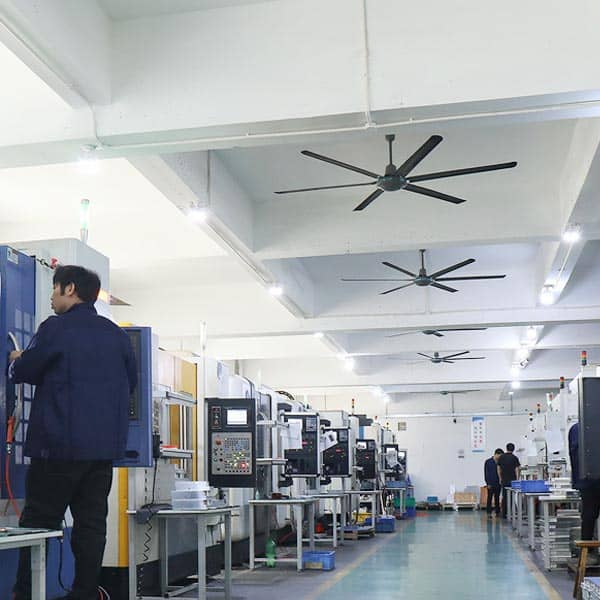
1. Build a Network of Reliable CNC Suppliers
The foundation of any trading-based machining business is a strong supplier network.
You should partner with:
Small and mid-size CNC workshops
Factories with stable quality and predictable lead times
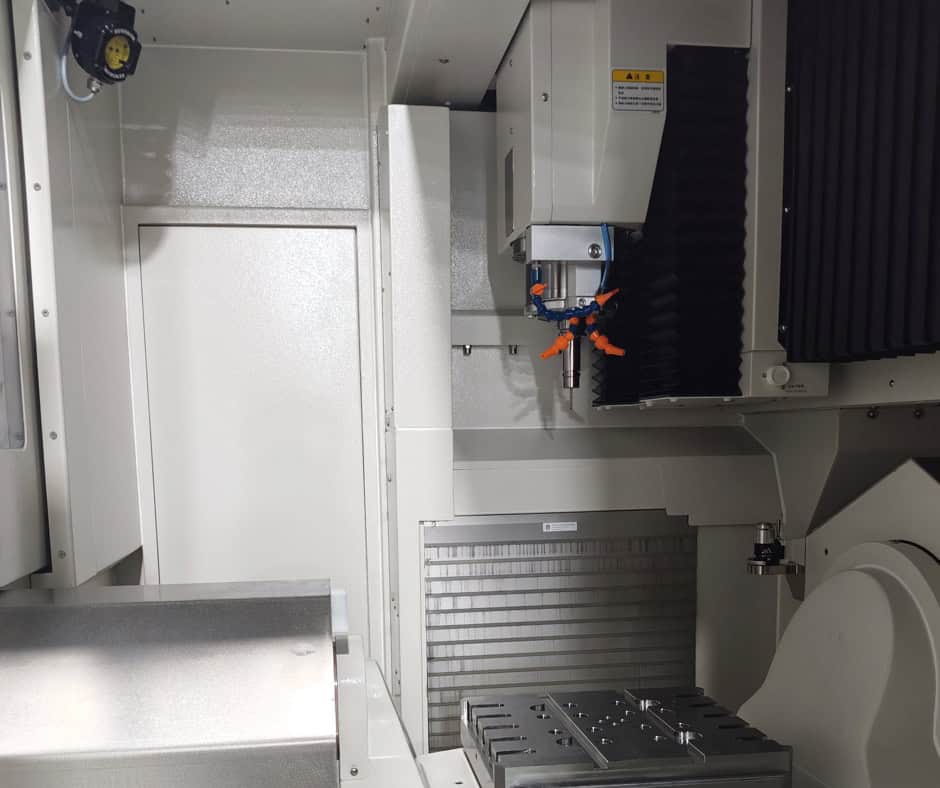
Specialist shops for 5-axis, turning, prototyping, or surface finishing
Good suppliers give you:
Consistent machining quality
Flexible MOQ
Transparent costs
Support for urgent orders or engineering questions
A strong supplier network allows you to cover a wide range of materials, finishes, tolerances, and industries—without investing in your own machines.
2. Create a Professional Business Profile and Simple Website
You don’t need a complicated website to start. A clean, trustworthy presence is enough as long as it clearly explains:
What services you offer
What industries you support
Your strengths in communication and project management
Contact information
Most buyers care more about responsiveness, clarity, and reliability than fancy graphics. A simple site can do the job if it presents you as a serious, stable partner.
3. Understand the Basics of CNC Machining
You don’t need to be an engineer, but you should know:
Common materials (aluminum, steel, stainless steel, brass, plastics)
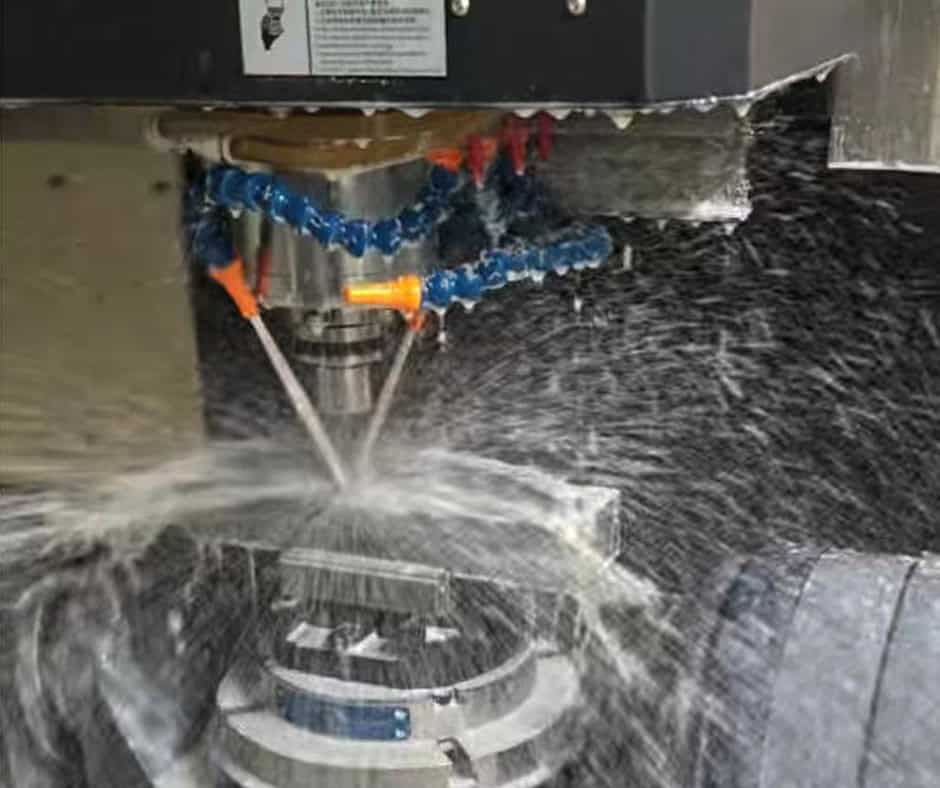
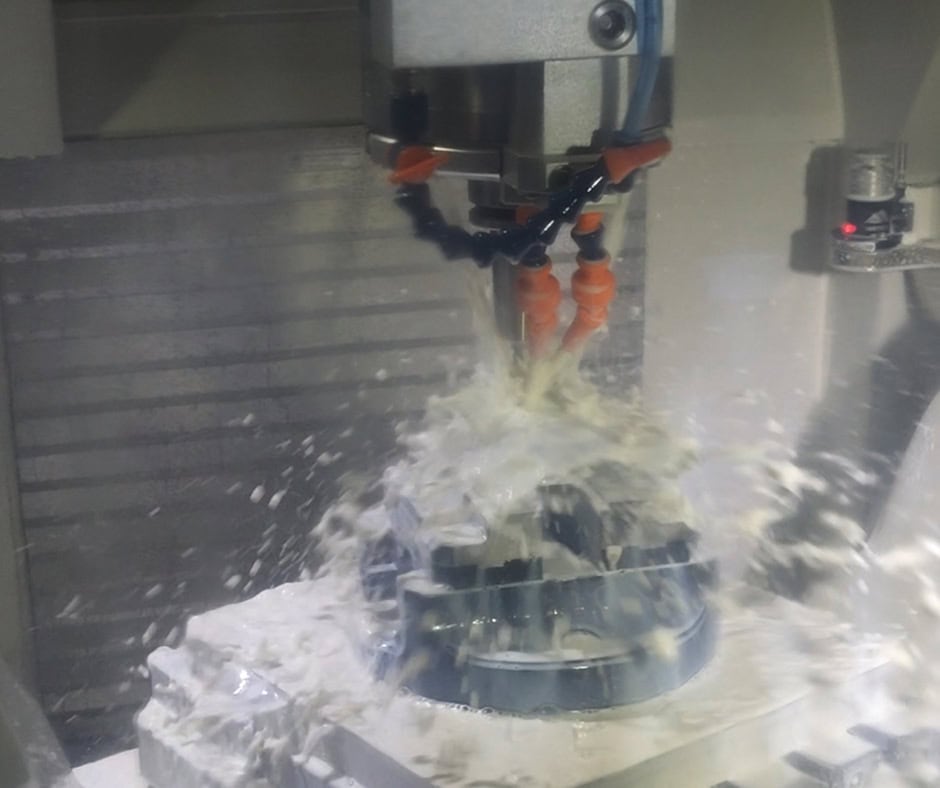
Basic machining methods (milling, turning, drilling, 5-axis machining)
Tolerance levels and how they affect cost
Common finishes (anodizing, polishing, powder coating, plating)
How to read simple drawings and interpret GD&T symbols
The goal is not to perform the machining yourself, but to communicate confidently with both clients and suppliers. When you understand the fundamentals, your quotations become more accurate and your project decisions more reliable.
4. Communicate Clearly With Clients
Communication is the biggest advantage trading companies have over many factories. Clients value:
Fast replies
Clear explanations
Transparent timelines
Regular progress updates
Honest feedback when a design needs adjustment
Good communication builds trust, and trust leads to long-term orders – even large ones. Many customers continue working with trading companies for years because project management is smooth and predictable.
5. Why Trading Companies Can Succeed Without Machines
Starting without a factory actually has some advantages:
Lower risk: No investment in equipment or maintenance
More flexibility: You can choose the best supplier for each project
Wide capabilities: Multiple partners = broader machining range
Scalability: You grow by adding customers, not machines
When customers trust your communication, quality control, and consistency, they don’t mind that you don’t own the machines. What matters is that you deliver parts that meet requirements—on time and without excuses.
6. Conclusion
You don’t need a factory to start a CNC machining business. What you really need is:
Reliable suppliers
A professional online presence
Basic machining knowledge
Strong communication with clients
These four elements form the foundation of a successful trading-based CNC service. With them, you can manage projects smoothly, build customer relationships, and grow your business step by step – without owning a single machine.