Grade 5 titanium, also known as Ti-6Al-4V, is the most widely used titanium alloy in the world. It is valued for its high strength-to-weight ratio, excellent corrosion resistance, and reliable performance in demanding environments. From aerospace structures to medical implants and precision CNC machined parts, Grade 5 titanium has become the industry standard for high-performance applications.
This guide explains what Grade 5 titanium is, how it compares with other titanium grades, and what engineers, designers, and buyers should know when selecting or machining Ti-6Al-4V.
Table of Contents
What Is Grade 5 Titanium?
Grade 5 titanium is an alpha-beta titanium alloy composed primarily of titanium, with approximately 6% aluminum and 4% vanadium. This alloying system significantly improves strength while maintaining good corrosion resistance and reasonable processability.
You may encounter Grade 5 titanium under different names, all referring to the same material:
•Ti-6Al-4V or Ti 6Al 4V
•Titanium Grade 5 (ASTM designation)
•Ti64 (common shorthand)
•TC4 (Chinese GB standard equivalent)
•Ti-6Al-4V ELI (medical-grade variant with extra-low interstitials)
Despite the different naming conventions, these designations share the same core composition and mechanical behavior when supplied to equivalent standards.

Why Grade 5 Titanium Is So Widely Used
The popularity of Grade 5 titanium comes from its balanced material profile. It offers much higher strength than commercially pure titanium while remaining significantly lighter than steel.
Key advantages include:
•High tensile and yield strength
•Low density compared to steel
•Excellent resistance to corrosion and oxidation
•Good fatigue performance
•Stable properties across a wide temperature range
These characteristics make Ti-6Al-4V suitable for safety-critical and weight-sensitive designs.
Mechanical and Physical Properties of Grade 5 Titanium
Understanding material properties is essential for correct design and manufacturing decisions.
Typical Properties of Titanium Grade 5 (Ti-6Al-4V)
| Property | Typical Value | Design Relevance |
| Density | ~4.43 g/cm³ | Lightweight structural designs |
| Tensile Strength | 900–1200 MPa | Load-bearing applications |
| Yield Strength | ~830–1100 MPa | Structural safety margin |
| Elastic Modulus | ~110 GPa | Higher flexibility than steel |
| Hardness | ~36 HRC | Wear resistance |
| Thermal Conductivity | ~6.7 W/m·K | Heat buildup during machining |
Yield strength of Grade 5 titanium (MPa) is one of the key reasons it replaces steel in aerospace and automotive applications while reducing overall weight.
Grade 5 Titanium vs Other Titanium Grades
Grade 2 vs Grade 5 Titanium
A common comparison is Grade 2 titanium vs Grade 5:
Grade 2 titanium
•Commercially pure
•Excellent corrosion resistance
•Very good formability and weldability
•Lower strength
Grade 5 titanium
•Much higher strength
•Heat treatable
•Better for structural and high-stress parts
•Reduced formability compared to Grade 2
If strength and performance matter most, Grade 5 is the better choice. If ease of forming and corrosion resistance are the priority, Grade 2 may be sufficient.
Grade 5 vs Grade 9 Titanium
Grade 9 (Ti-3Al-2.5V) offers a middle ground, often used for tubing and frames. However, Grade 5 provides superior strength and is preferred for critical components.
Common Product Forms of Grade 5 Titanium
Grade 5 titanium is available in many industrial forms, including:
•Grade 5 titanium sheet and plate
•Grade 5 titanium bar and rod
•Grade 5 titanium tube and tubing
•Grade 5 titanium round bar and flat bar
•Forgings and precision machined components
Standards such as AMS 4911, ASTM B265, and ASTM F136 (medical) define quality and consistency across these forms.
Machining Grade 5 Titanium: What to Know
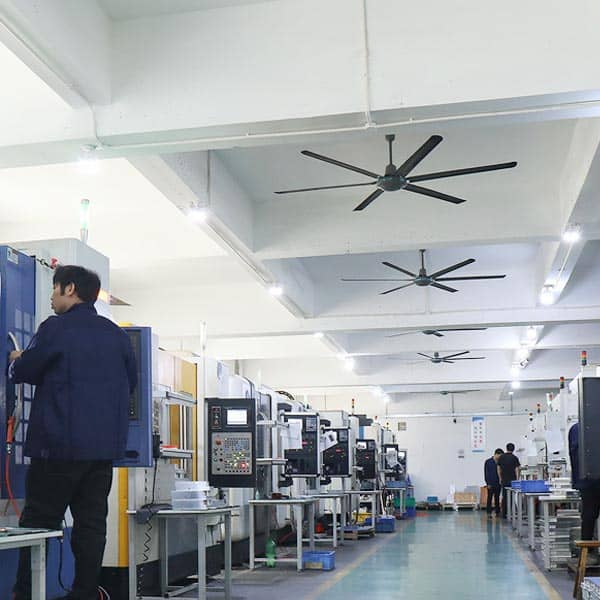
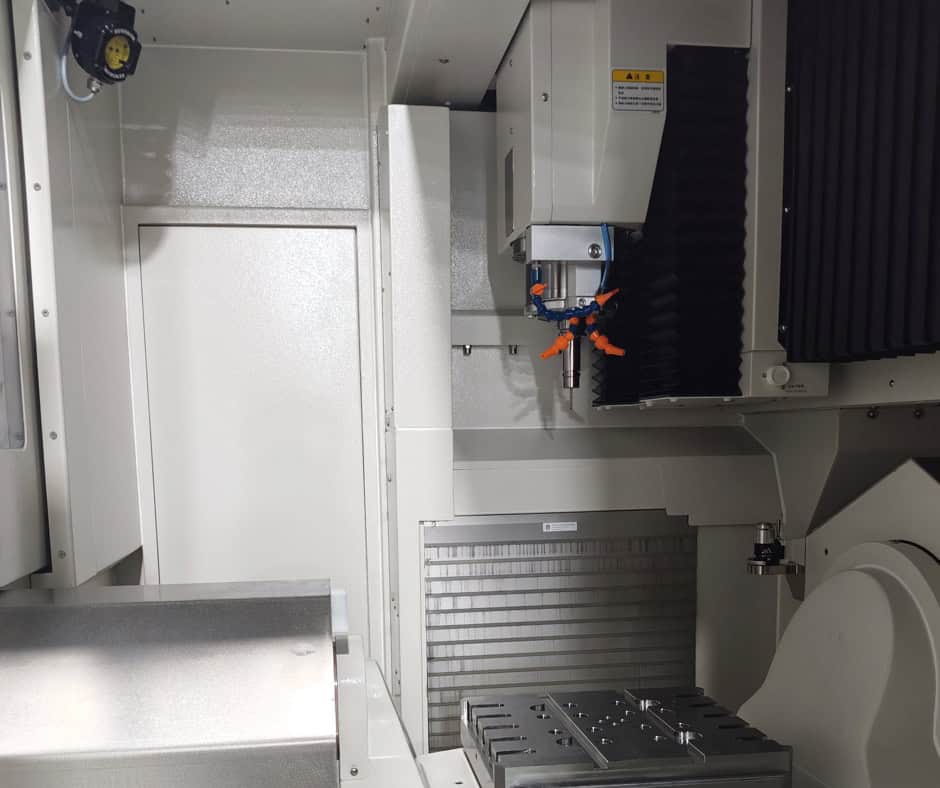
Machining Ti-6Al-4V requires experience and process control. Its low thermal conductivity causes heat to concentrate at the cutting edge, accelerating tool wear.
Best practices include:
•Use sharp, coated carbide tools (TiAlN or similar)
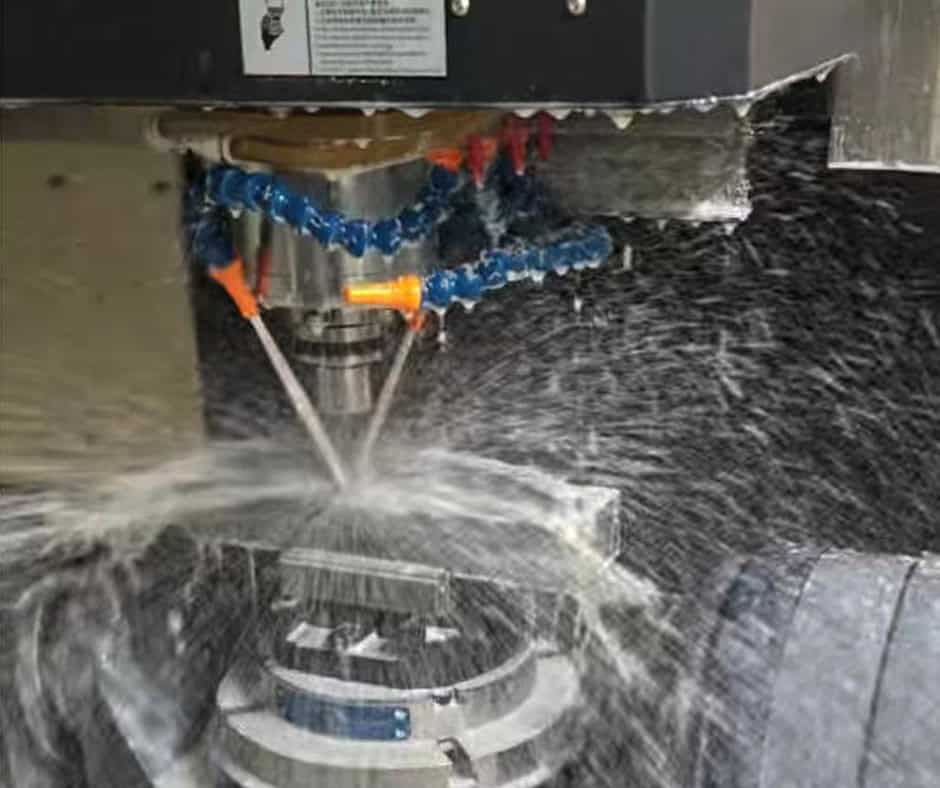
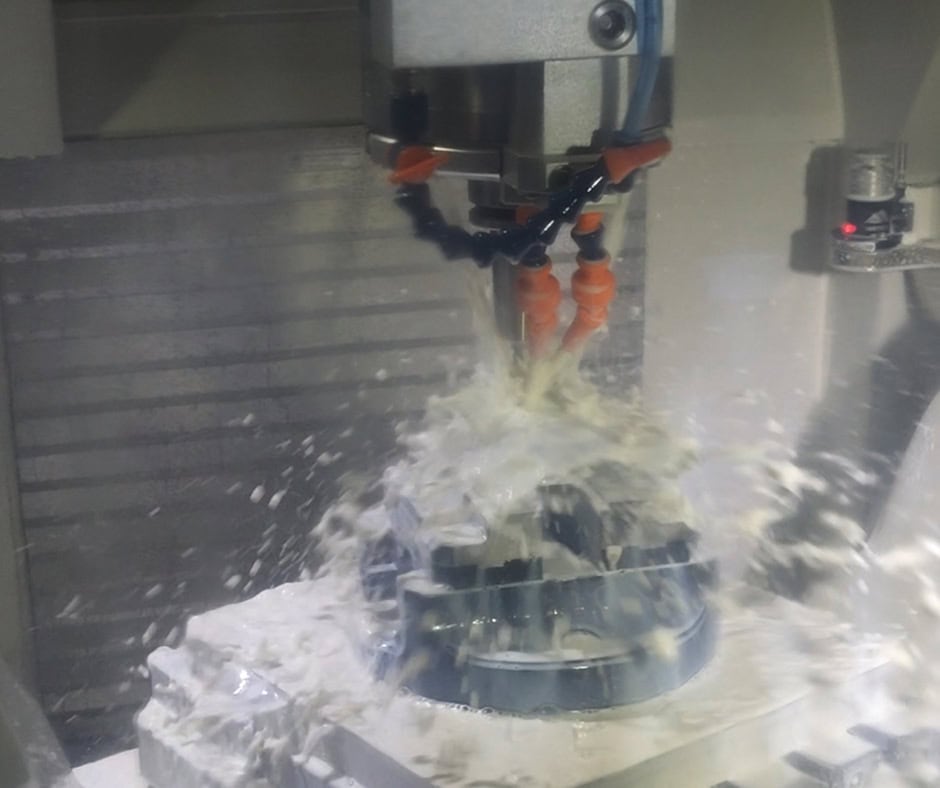
•Apply high-pressure coolant to control heat
•Maintain rigid fixturing to prevent vibration
•Avoid dwell time to reduce work hardening
•Use optimized toolpaths for consistent chip load
With proper CNC machining strategies, Grade 5 titanium can achieve tight tolerances and excellent surface finishes.
Welding Considerations for Ti-6Al-4V
Welding Grade 5 titanium is feasible but requires strict contamination control.
Key points:
•Use high-purity argon shielding
•Clean all surfaces and filler materials thoroughly
•Maintain shielding until weld cools below oxidation risk
•Monitor weld color as a quality indicator
Proper welding preserves the alloy’s mechanical properties and corrosion resistance.
Heat Treatment and Performance Control
Grade 5 titanium can be heat treated to adjust strength and toughness. Common processes include:
•Stress relief annealing after machining or welding
•Solution treatment and aging for higher strength
•Hot isostatic pressing (HIP) for additive manufacturing parts
Heat treatment influences microstructure and fatigue performance, especially in aerospace and medical applications.
Typical Applications of Grade 5 Titanium
Because of its balanced properties, Grade 5 titanium is widely used in:
•Aerospace structures and engine components
•Medical implants and surgical instruments
•High-performance automotive parts
•Energy and offshore equipment
•Precision CNC machined components
When failure is not an option, Ti-6Al-4V is often the material of choice.
Is Grade 5 Titanium the Strongest?
Grade 5 titanium is not the absolute strongest titanium alloy, but it offers the best overall balance of strength, weight, corrosion resistance, availability, and cost. This balance explains why it dominates real-world engineering applications.
Final Thoughts
Grade 5 titanium (Ti-6Al-4V) remains the benchmark titanium alloy for demanding applications. Its high yield strength, excellent corrosion resistance, and proven manufacturing performance make it a reliable choice for engineers and manufacturers worldwide.
Whether you are comparing Grade 2 vs Grade 5 titanium, selecting materials for CNC machining, or sourcing titanium sheet, bar, or tube, understanding Ti-6Al-4V properties helps ensure safe, efficient, and cost-effective designs.