Communicating Technical Requirements in CNC Machining Services
Clear technical communication is the foundation of successful CNC machining projects. Drawings, tolerances, materials, and finishing requirements must be understood by both customers and suppliers to avoid mistakes, delays, or unnecessary costs. As a CNC service provider, developing basic knowledge of machining and GD&T (Geometric Dimensioning & Tolerancing) dramatically improves your accuracy and credibility.
This guide explains why technical communication matters and how learning fundamental machining concepts helps you handle projects with confidence.
Table of Contents
1. Why Technical Communication Is Crucial
CNC machining involves numerous variables—each affecting cost, quality, and feasibility. Misunderstanding even one detail can lead to:
Incorrect tolerances
Wrong material selection
Unachievable surface finish
Machining delays or rework
Higher costs for both sides
Frustration between customers and suppliers
When you communicate clearly, you create smoother workflows, improve customer satisfaction, and reduce the risk of errors.
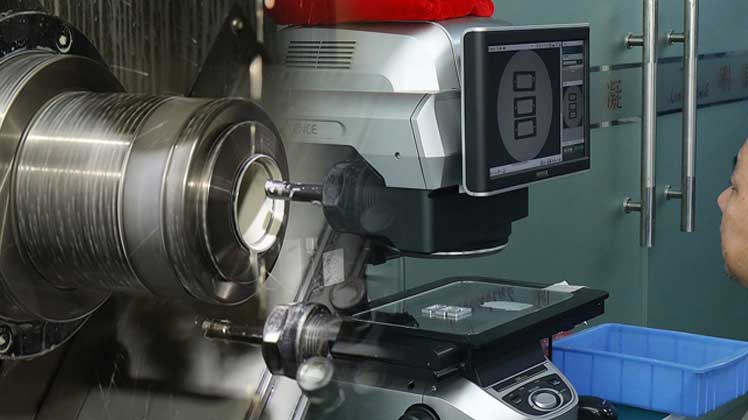
2. Learn Basic Machining Knowledge
You don’t need to be an engineer or machinist—but you should understand the basics. This helps bridge communication between customers who describe their needs and suppliers who execute the work.
Key concepts to learn:
Difference between milling, turning, drilling, tapping
How CNC machines hold tolerances
Limits of 3-axis, 4-axis, and 5-axis capabilities
How materials behave (aluminum vs. steel vs. plastics)
Common surface finishing methods
Benefits for your communication:
You can judge whether a design is practical
You understand why some tolerances are expensive
You know when to ask for additional information
You can explain limitations or risks clearly to customers
A basic understanding of machining makes conversations more professional and precise.
3. Use GD&T to Confirm Achievable Tolerances
GD&T is the language of precision engineering. You don’t need to master every symbol, but learning the fundamentals helps you determine what is achievable and what needs clarification.
GD&T elements worth learning:
Position
Flatness
Perpendicularity
Concentricity
Parallelism
Datum references
How GD&T improves communication:
Helps you identify unrealistic tolerances
Allows you to confirm supplier capability
Ensures you quote more accurately
Reduces misunderstanding about critical dimensions
For example, a simple change from ±0.01 mm to a GD&T positional tolerance may cut machining cost significantly—and prevent disputes later.
4. Clarify Unclear or Incomplete Drawings
Not all customers provide perfect drawings. Some are missing dimensions, tolerances, chamfers, thread details, or surface finish instructions. Instead of making assumptions, always confirm.
What to check:
Missing or contradictory tolerances
Ambiguous notes
Conflicting dimensions
Unspecified threads or hole types
Missing material or surface finish information
How to ask effectively:
Be polite, specific, and solution-oriented.
Example:
“Could you confirm whether the thread on hole A is M6x1.0 or UNC? We want to ensure accurate machining.”
Clear communication prevents rework and protects the relationship.
5. Reduce Misunderstandings Between Customers and Suppliers
Your role is often the bridge connecting customers and CNC shops. Good technical communication prevents unnecessary friction.
Best practices:
Summarize key technical points in writing
Use simple charts or sketches when needed
Confirm tolerance expectations before production
Share supplier questions with customers promptly
Use consistent terminology across messages
When both sides understand each other’s needs and limitations, projects move forward smoothly and efficiently.
6.Conclusion: Technical Knowledge Strengthens Your Service
By learning basic machining concepts and GD&T, you can communicate technical requirements confidently and accurately. This helps you:
Confirm achievable tolerances
Clarify unclear drawings
Avoid costly misunderstandings
Provide more professional service
Build long-term trust with customers and suppliers
Strong technical communication is not just a skill—it’s a competitive advantage in the CNC machining industry.