What Is a Column Clamp Plate?
A column clamp plate is a precision-machined mechanical component used to securely fasten, position, or reinforce cylindrical columns, guide rods, support posts, or structural shafts within an assembly. It is commonly manufactured from stainless steel or aluminum to provide the strength, dimensional stability, and corrosion resistance required in industrial equipment.
Unlike a simple mounting bracket, a column clamp plate is designed with accurately machined holes, clamping slots, or fastening features that distribute clamping force evenly around a column. This helps prevent movement, misalignment, or vibration while protecting the surface of the clamped component.
For a part measuring 46 × 100 × 25 mm and machined from stainless steel, precision CNC machining ensures accurate dimensions, flat contact surfaces, and reliable fit during assembly. These components are widely used in automation equipment, machine tools, laboratory instruments, and custom mechanical systems where positioning accuracy is essential.
Table of Contents
Common Names, Industry Terminology, and Related Standards
Depending on the equipment manufacturer or application, a column clamp plate may be described using different names. While the terminology varies, the function is generally the same—providing a secure mechanical interface for holding cylindrical structural members.
Common industry terms include:
Column Clamp Plate
Column Mounting Plate
Guide Rod Clamp
Support Column Clamp
Shaft Clamping Plate
Rod Holding Plate
Clamp Block (for certain designs)
Column Fixing Plate
Although these names are often interchangeable, slight design differences may exist. For example:
Guide rod clamp usually refers to linear motion systems.
Shaft clamp often describes rotating shaft applications.
Clamp block may refer to a thicker one-piece clamping structure rather than a flat plate.
Unlike standardized fasteners, column clamp plates usually follow customer-specific drawings rather than universal dimensional standards. However, their design and manufacturing commonly reference international standards such as:
ISO 2768 – General machining tolerances
ISO 286 – Limits and fits for precision bores and shafts
ISO 1302 – Surface texture specifications
ASTM A240 – Stainless steel plate material requirements
ASTM A276 – Stainless steel bar specifications used for machining
In CNC manufacturing, engineering drawings typically define dimensions, tolerances, surface finish, and inspection requirements instead of relying on standardized product sizes.
Performance Characteristics That Matter in Real Applications
The effectiveness of a column clamp plate depends on both the material properties and machining accuracy. Several characteristics directly influence its long-term performance.
High Structural Strength
Stainless steel provides excellent mechanical strength, allowing the clamp plate to maintain stable clamping force without permanent deformation. This is especially important in equipment subjected to continuous loading or vibration.
Excellent Corrosion Resistance
Many industrial environments expose components to moisture, cleaning chemicals, or outdoor conditions. Stainless steel naturally resists corrosion, helping maintain appearance and functionality while reducing maintenance requirements.
Precision Dimensional Accuracy
The flatness, bore diameter, hole position, and perpendicularity of the machined surfaces determine how accurately the column is located. Tight machining tolerances improve assembly consistency and reduce alignment errors.
Stable Clamping Performance
Properly designed clamp geometry distributes force evenly around the column instead of concentrating stress at a single point. This minimizes surface damage while providing reliable holding strength.
Good Wear Resistance
Repeated installation and adjustment can gradually wear contacting surfaces. Stainless steel offers good resistance to abrasion, extending the service life of frequently adjusted fixtures.
Surface Finish Quality
Smooth machined surfaces improve contact between mating components and reduce friction during installation. Surface treatments such as polishing or passivation can further enhance corrosion resistance.
Long-Term Reliability
A well-machined stainless steel clamp plate maintains its dimensional stability over years of operation, making it suitable for precision equipment requiring consistent positioning.
Column Clamp Plate vs Shaft Clamp Block
Although both components secure cylindrical parts, they are designed for different applications and mechanical requirements.
A column clamp plate is generally intended to mount or secure fixed support columns, guide rods, or structural members within equipment frames. Its primary objective is accurate positioning and structural stability.
A shaft clamp block, by comparison, is commonly used on rotating shafts or linear motion shafts where compact installation and repeated adjustment are required.
Performance
Column clamp plates emphasize rigidity, flat mounting surfaces, and accurate alignment. Shaft clamp blocks often prioritize quick installation and ease of adjustment.
Manufacturing
Clamp plates are frequently CNC milled from stainless steel or aluminum plate stock, while shaft clamp blocks may be machined from solid billets or produced as standardized catalog components.
Cost
Custom column clamp plates generally cost more than standard shaft clamps because they are manufactured according to customer drawings, tolerances, and assembly requirements.
Typical Applications
Choose a column clamp plate when:
Building custom automation equipment
Mounting structural guide columns
Maintaining precise assembly alignment
Supporting heavy mechanical structures
Choose a shaft clamp block when:
Clamping standard linear shafts
Building modular mechanical systems
Frequent repositioning is required
Standard commercial components are preferred
Selecting the correct component depends primarily on whether the cylindrical member functions as a structural support or a rotating/linear motion shaft.
CNC Machining and Manufacturing Considerations
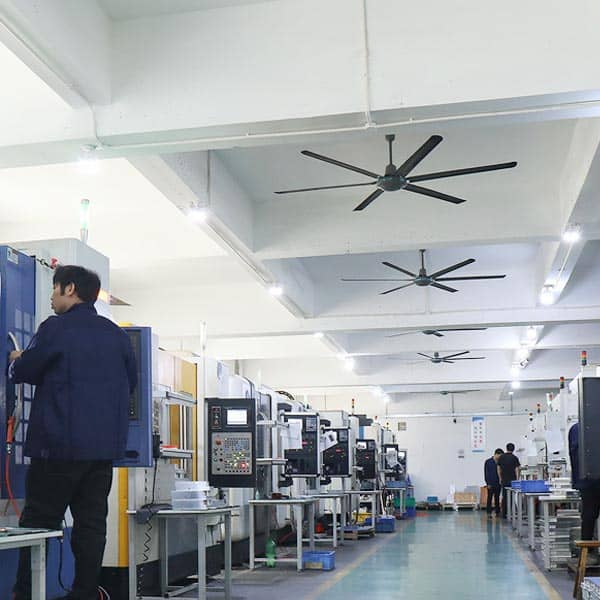
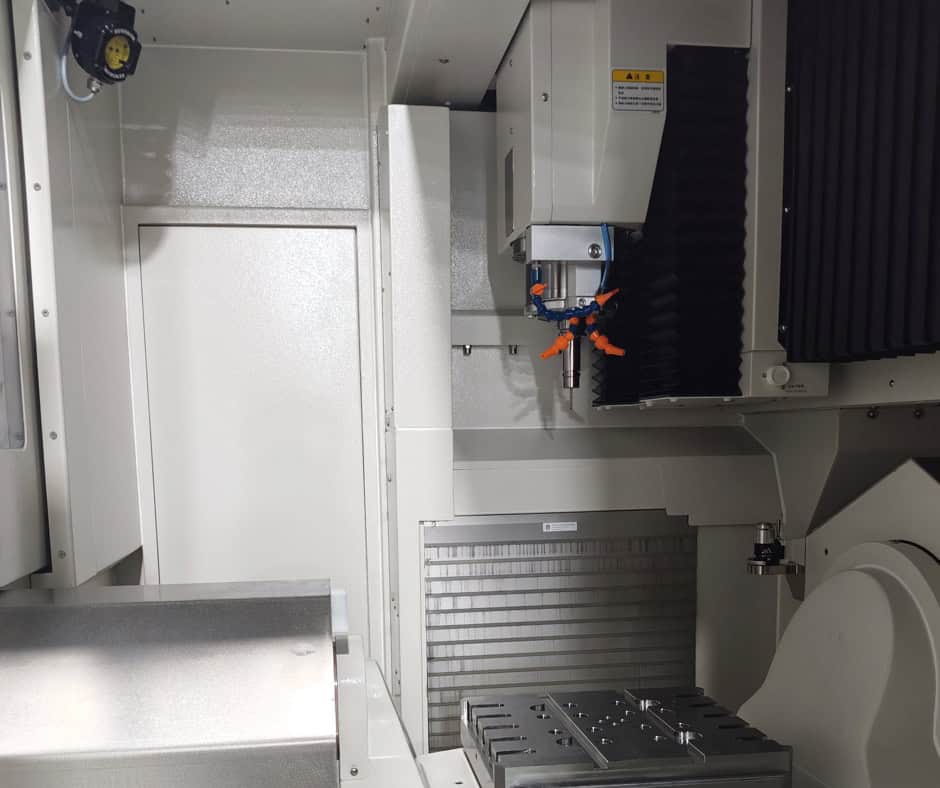
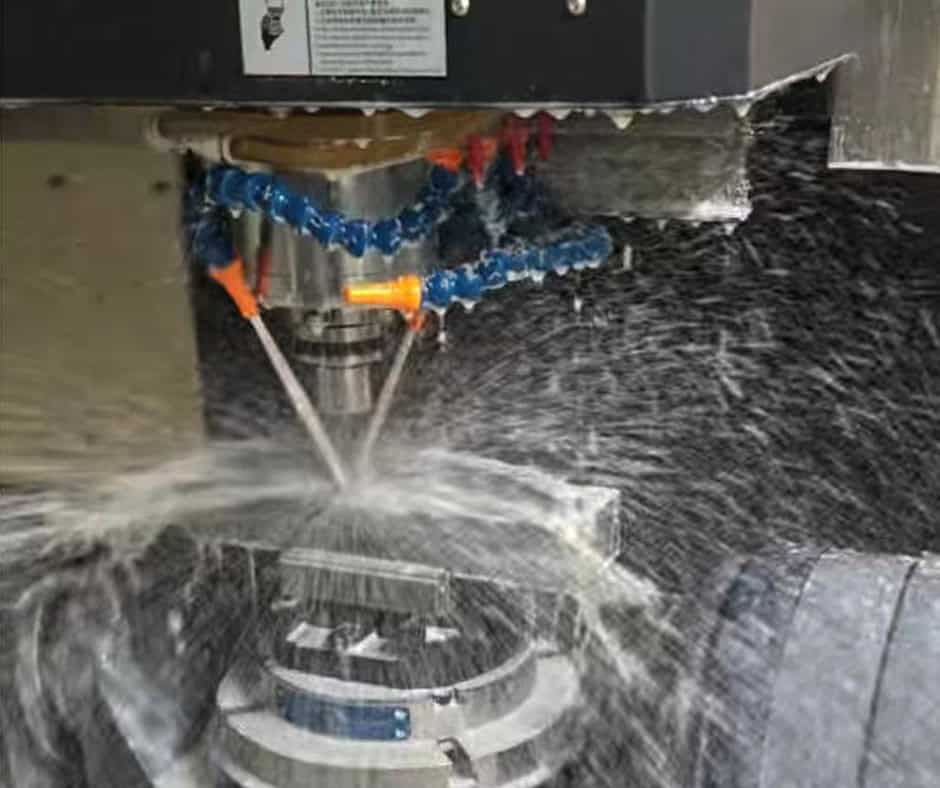
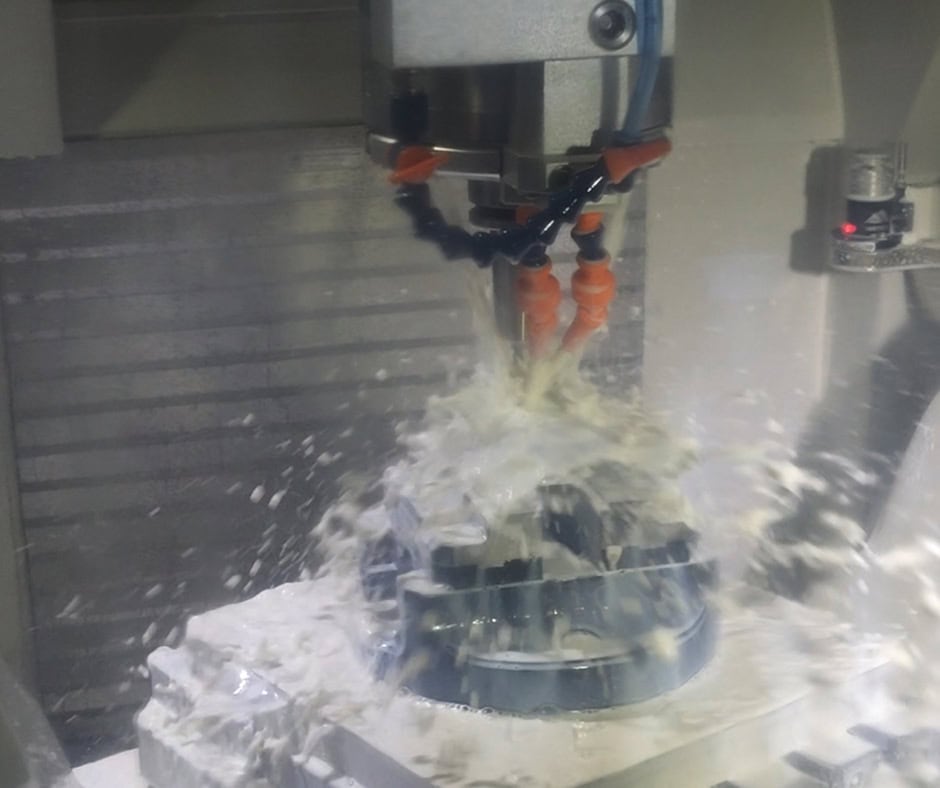
Most stainless steel column clamp plates are manufactured using CNC milling combined with drilling, boring, tapping, and finishing operations.
Material selection often begins with stainless steel grades such as 304 or 316, depending on corrosion resistance requirements. The raw stock is cut slightly oversized before precision machining.
In practice, maintaining hole position accuracy is one of the most important manufacturing challenges. Multiple mounting holes and clamping bores must align precisely with mating components to ensure proper assembly.
When working with stainless steel, cutting parameters require careful optimization because the material tends to generate heat and work harden during machining. Sharp cutting tools, appropriate coolant, and controlled feed rates help achieve better surface quality while extending tool life.
Flatness control is another critical consideration. Uneven contact surfaces can reduce clamping force or introduce unwanted stress into the assembly.
After machining, manufacturers typically perform:
Deburring of all edges
Surface cleaning
Dimensional inspection
Thread verification
Flatness measurement
Visual quality inspection
For applications requiring enhanced corrosion resistance, passivation may be applied after machining to improve the natural protective oxide layer.
Where Column Clamp Plates Are Commonly Used
Because of their strength and positioning accuracy, column clamp plates are used across many industries.
Industrial Automation
They secure guide columns, sensor brackets, pneumatic assemblies, and robotic equipment while maintaining precise alignment.
Machine Tools
Machining centers, inspection fixtures, and custom tooling use clamp plates to support structural members with minimal movement.
Laboratory Equipment
Scientific instruments require rigid positioning of support rods to ensure measurement accuracy and repeatable operation.
Packaging Machinery
Column clamp plates help maintain frame stability under continuous production cycles and repetitive mechanical motion.
Medical Equipment
Precision mechanical assemblies rely on accurately machined clamp plates to support moving mechanisms and structural components.
Semiconductor and Electronics Manufacturing
Clean manufacturing environments often require stainless steel components because of their corrosion resistance, dimensional stability, and ease of cleaning.
Factors That Influence Cost and Purchasing Decisions
The cost of a column clamp plate depends on several manufacturing variables rather than the material alone.
Material Grade
Stainless steel 316 generally costs more than 304 because of its improved corrosion resistance. Higher-performance alloys further increase material expense.
Machining Complexity
Features such as deep pockets, precision bores, threaded holes, tight tolerances, or multiple setups require additional machining time and inspection.
Quantity
Prototype production has higher unit costs because machine setup and programming are distributed across fewer parts. Larger production batches reduce per-piece machining costs.
Tolerance Requirements
Closer dimensional tolerances often require additional finishing operations, precision inspection, and slower machining speeds.
Surface Finish
Polishing, passivation, bead blasting, or special surface roughness requirements add manufacturing time and processing cost.
Inspection and Certification
Requests for material certificates, dimensional inspection reports, or CMM verification increase quality assurance costs but provide additional confidence for critical applications.
Common Supply Forms
Column clamp plates are typically supplied as:
Fully machined finished components
Prototype samples
Small-batch production parts
Custom OEM components manufactured from engineering drawings
Providing complete CAD files, tolerance requirements, material specifications, and assembly information during quotation helps manufacturers evaluate production feasibility and prepare more accurate pricing.
Frequently Asked Questions About Column Clamp Plates
What is the main purpose of a column clamp plate?
A column clamp plate securely holds cylindrical columns, guide rods, or structural supports in place. It improves assembly stability, alignment accuracy, and resistance to vibration.
Why is stainless steel commonly used for column clamp plates?
Stainless steel combines high mechanical strength with excellent corrosion resistance. It also maintains dimensional stability and performs well in demanding industrial environments.
Can a column clamp plate be customized?
Yes. Most column clamp plates are custom-machined according to engineering drawings. Dimensions, hole patterns, material grades, tolerances, and surface finishes can all be tailored to the application.
What machining processes are typically used?
CNC milling is the primary manufacturing process, followed by drilling, tapping, boring, deburring, and inspection. Additional finishing processes such as passivation or polishing may also be applied when required.
What information should be provided when requesting a quotation?
Manufacturers typically require 2D drawings or 3D CAD files, material specifications, quantity, tolerance requirements, surface finish expectations, and any inspection or certification requirements. Providing complete technical information helps reduce quotation time and avoids production misunderstandings.