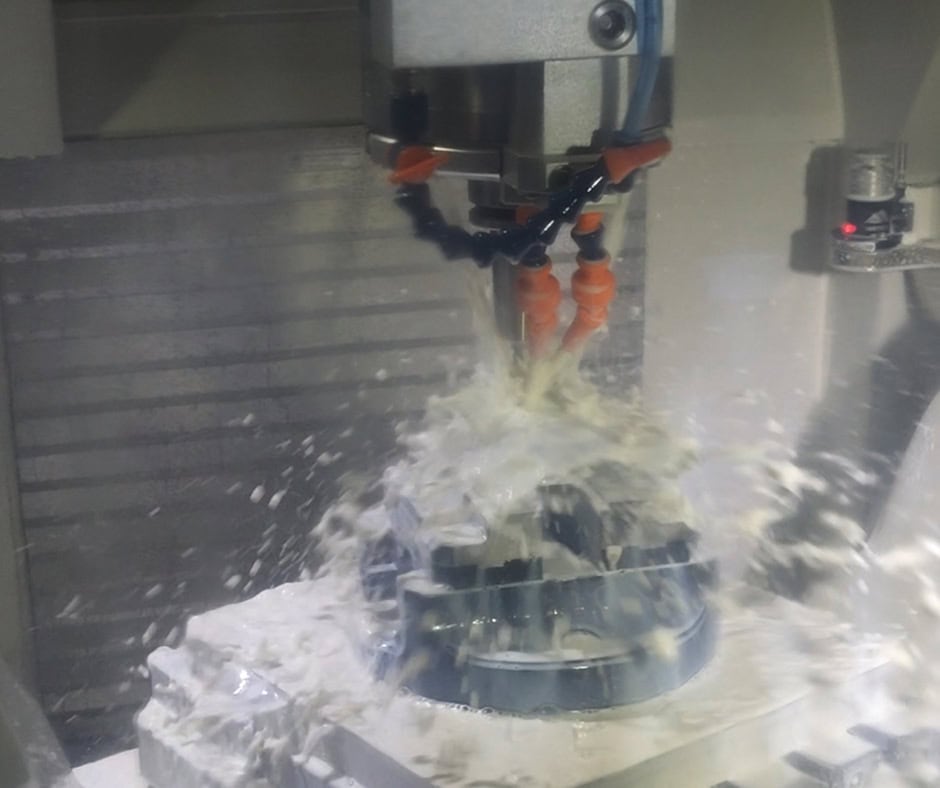
CNC Production Time: How Long Does CNC Machining Really Take?
When planning a CNC machining project, one of the first questions customers ask is:
“How long will production take?”
Lead time is a key factor in product development, supply chain management, and production planning. While CNC machining is known for fast turnaround, the actual schedule still depends on part complexity, material, quantity, and finishing requirements.
This guide breaks down typical CNC machining lead times and explains the main factors that influence production speed.
Table of Contents
1. Prototype CNC Machining Lead Time: 2–7 Days
Prototypes are usually the fastest to produce because quantities are small and the goal is rapid validation.
Why prototypes are quicker:
Only 1–5 pieces
Simple setup
Faster programming and fixture preparation
Limited surface finishing
Priority scheduling for development projects
For simple aluminum parts, prototypes can often be completed within 2–3 days.
More complex multi-axis parts or components requiring anodizing, polishing, or tight tolerances may take up to 7 days.
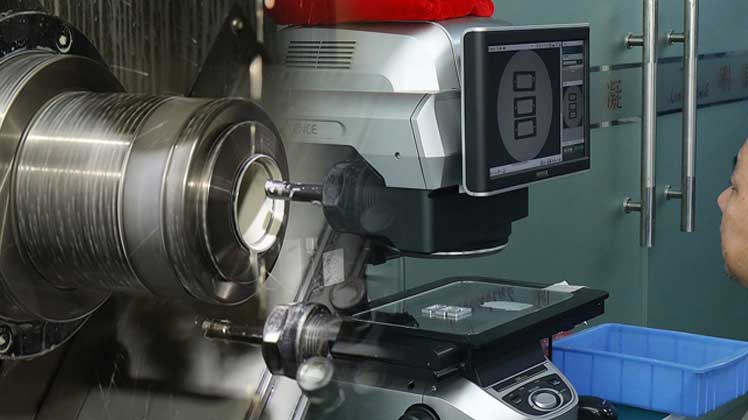
2. Mass Production Lead Time: 7–20 Days
For larger production runs, CNC machining lead time becomes more dependent on quantity, consistency, and quality checks.
Typical mass production timeline:
Small batches (20–100 pcs): 7–12 days
Medium batches (100–500 pcs): 10–15 days
Large batches (500+ pcs): 15–20 days
This range can vary depending on how many processes the part requires.
What adds time in mass production:
Multiple setups for different operations
Tooling and fixture optimization
In-process inspections for repeatability
Surface finishing (anodizing, plating, powder coating, etc.)
Packaging and logistics coordination
Despite these steps, CNC machining remains one of the fastest ways to produce metal and plastic parts at scale.
3. What Factors Can Change Lead Time?
Several real-world factors can extend or reduce CNC delivery time:
Part Complexity
More faces, deeper pockets, thin walls, or 5-axis machining = longer programming and machining time.
Material Type
Soft materials like aluminum machine quickly, while harder materials like stainless steel or titanium require slower cutting speeds.
Surface Finishing
Anodizing, grinding, plating, bead blasting, and painting can add 1–5 days depending on the process.
Quantity
More parts = longer run time, but sometimes faster per-unit speed due to optimized setups.
Quality Requirements
Tight tolerances, CMM inspection, and detailed measurements add extra verification steps.
4. How We Ensure Reliable Lead Times
At SzCrealink, we use structured workflow management to keep production on schedule:
Real-time production tracking
Parallel machining on multiple machines
Dedicated prototype and mass-production lines
Fast quoting and DFM review
Integrated finishing partners
100% inspection for critical dimensions
This allows us to deliver consistent lead times whether you need a single prototype or a full batch production run.
Final Thoughts
CNC machining is fast, flexible, and efficient.
In general:
Prototypes take 2–7 days
Mass production takes 7–20 days
Understanding what affects lead time – complexity, quantity, material, and finishing – helps you plan your project more accurately and avoid delays.