What Is CNC Machining vs. Die Casting?
In modern manufacturing, CNC machining and die casting are two widely used processes for producing metal parts with different performance and cost requirements. CNC machining is a subtractive method that removes material from a solid block to create precise components, while die casting is a forming process where molten metal is injected into a mold to produce near-net-shape parts.
Both methods are essential in industries such as automotive, electronics, and industrial equipment, but they differ significantly in precision, scalability, and production efficiency.
Table of Contents
Industry Terms, Standards & Common Definitions
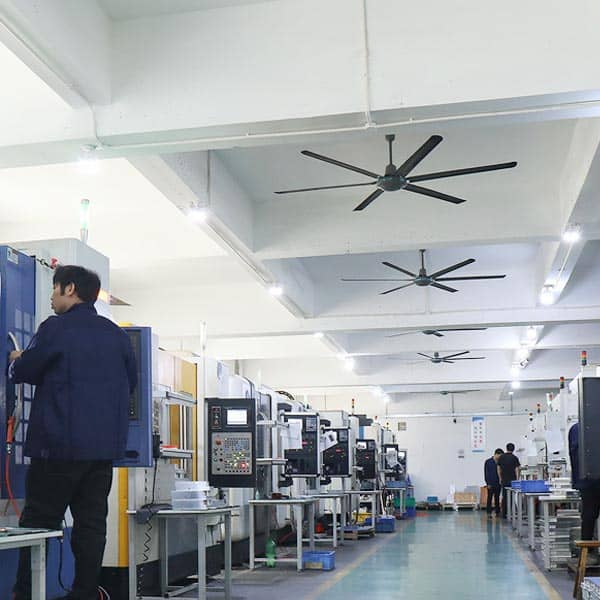
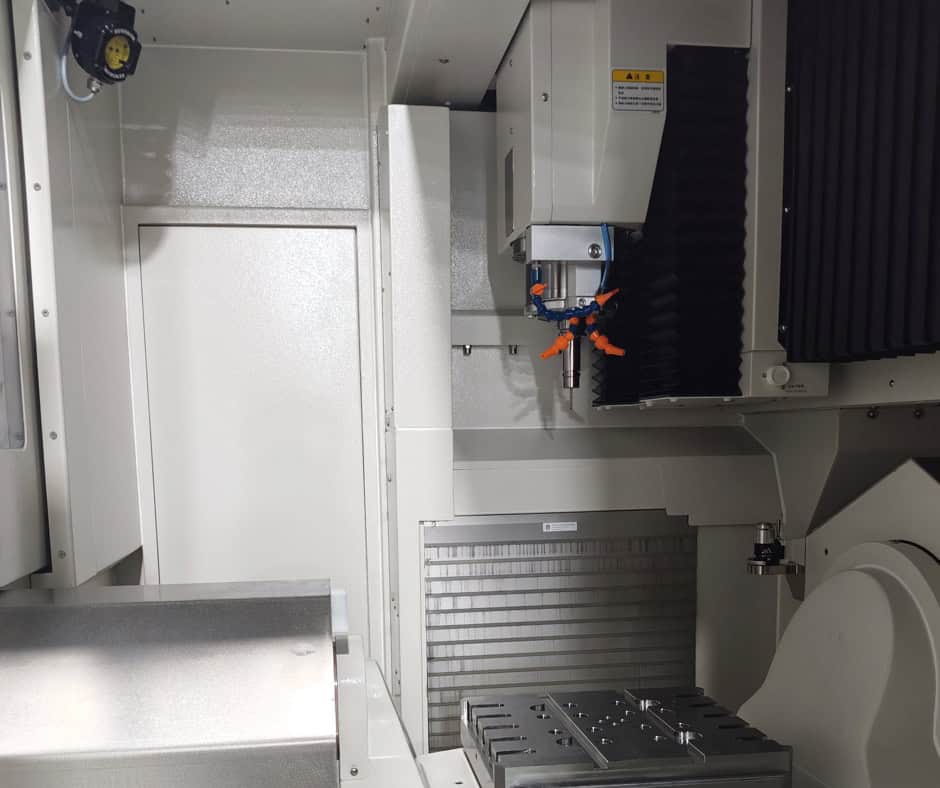
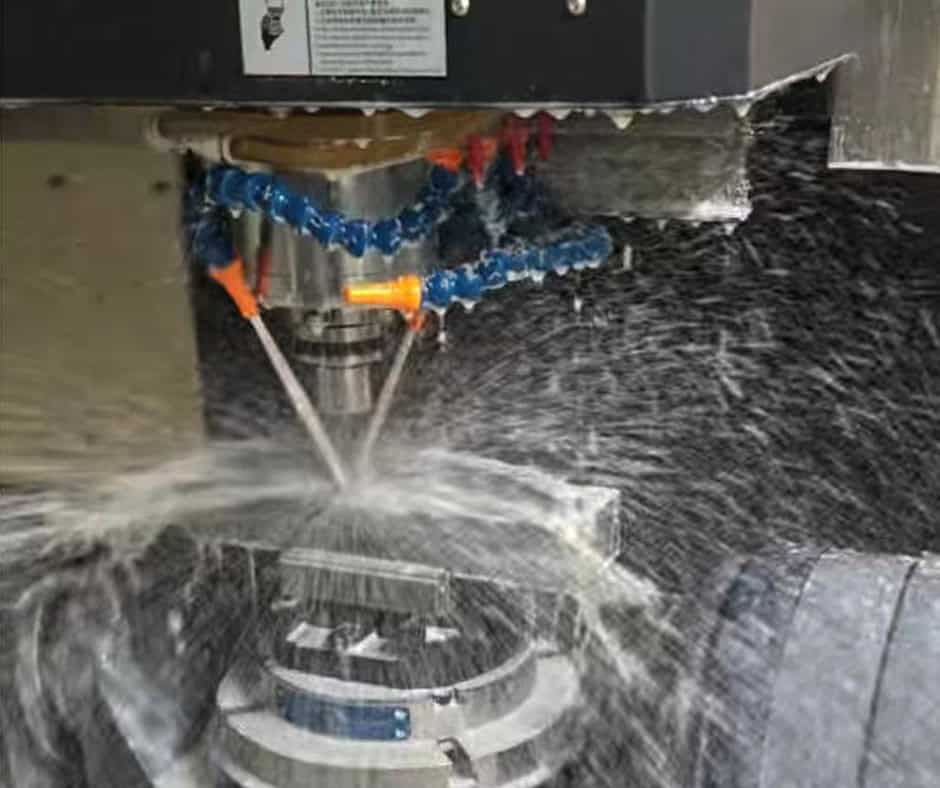
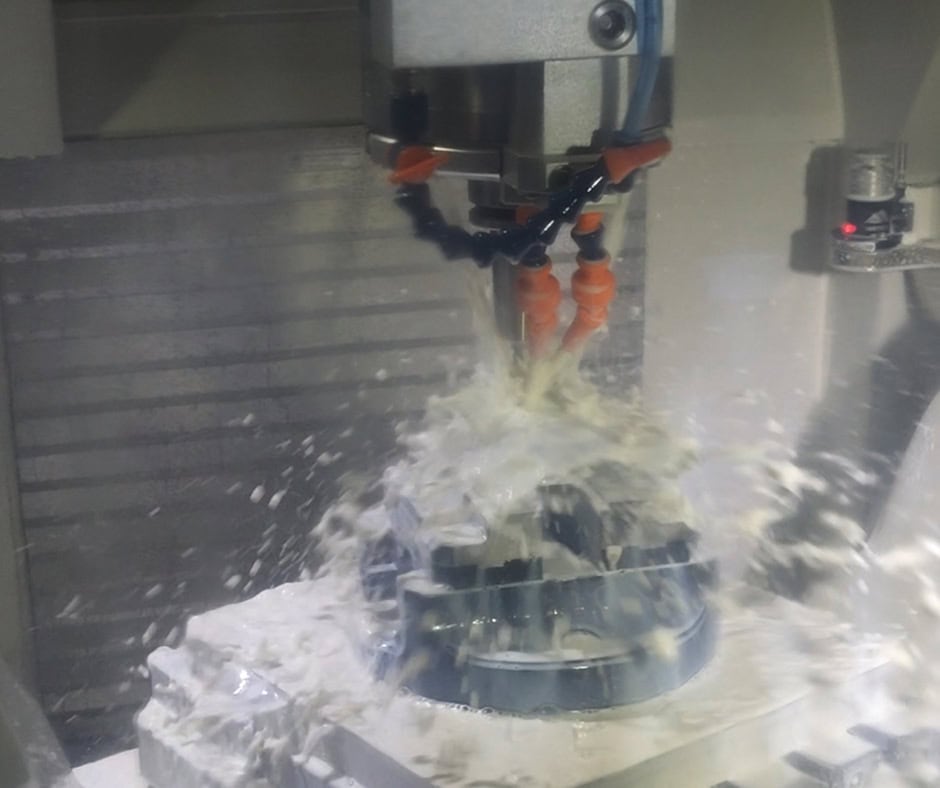
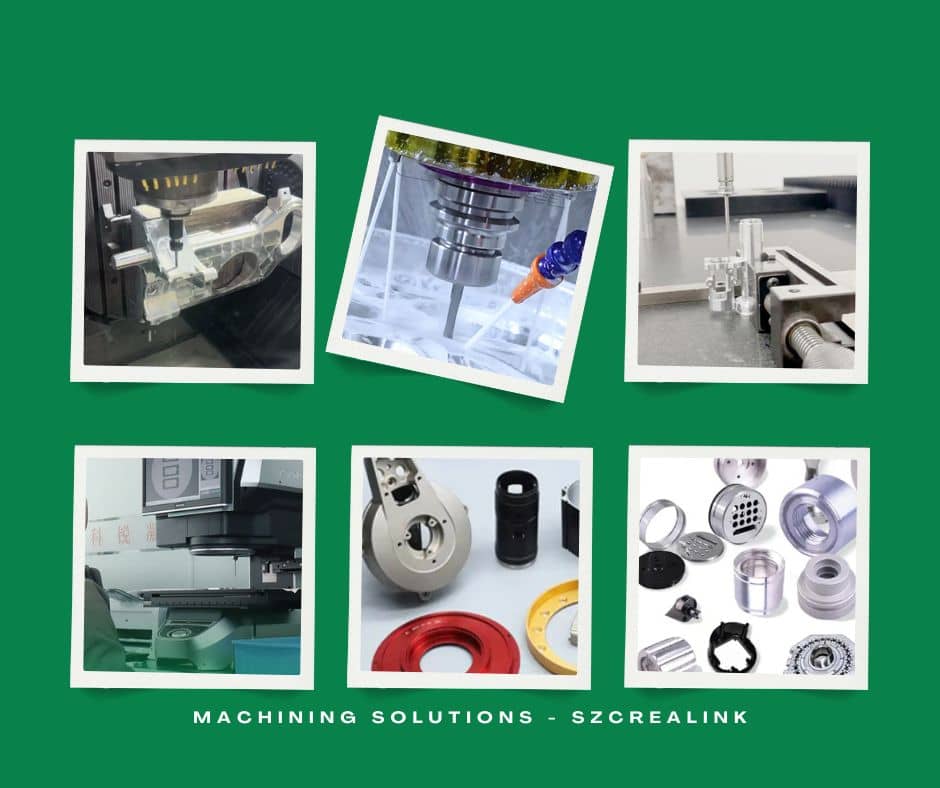
CNC machining is often referred to as precision machining, subtractive manufacturing, or multi-axis machining, especially when using advanced 4-axis or 5-axis equipment. It includes processes such as milling, turning, drilling, and grinding.
Die casting is commonly known as high-pressure die casting (HPDC) or low-pressure die casting (LPDC), depending on the process. It is also grouped under metal casting or near-net-shape manufacturing.
Relevant standards include:
•ISO 9001 for quality management
•ASTM standards for metal materials and casting properties
•ISO 8062 for dimensional tolerances in castings
•NADCA standards for die casting processes
These terms describe manufacturing methods rather than material differences, although each process supports specific material types and grades.
Key Properties & Performance Characteristics
Choosing between CNC machining and die casting depends on several important performance factors:
Precision and Tolerance
CNC machining offers very tight tolerances and high dimensional accuracy, making it ideal for precision components. Die casting provides good consistency but usually requires secondary machining for critical dimensions.
Surface Finish
CNC-machined parts typically have smoother and more controlled surface finishes. Die casting can produce good surface quality directly from the mold, but may show parting lines or porosity.
Mechanical Strength
CNC machining uses solid material, resulting in higher structural integrity. Die casting parts may contain internal porosity, which can affect strength in demanding applications.
Production Efficiency
Die casting is highly efficient for mass production, producing large volumes quickly once the mold is ready. CNC machining is slower per unit but more flexible.
Design Complexity
Die casting allows complex shapes and thin walls in a single process. CNC machining can handle complex geometries but may require multiple setups.
CNC Machining vs. Die Casting: Core Differences and Selection Guide
The main difference is precision and flexibility versus high-volume efficiency and lower unit cost.
CNC machining is better suited for:
•Low to medium production volumes
•High-precision and tight tolerance parts
•Prototyping and custom components
•Strong, load-bearing parts
Die casting is more suitable for:
•High-volume production
•Complex shapes with thin walls
•Cost-sensitive projects at scale
•Non-critical internal structures
In many projects, die casting is used to produce the basic shape, followed by CNC machining for finishing critical features.
Manufacturing & Processing Considerations
In practical production, several factors influence the choice between these two processes:
Tooling Investment
Die casting requires expensive molds, which are justified only for large production runs. CNC machining does not require dedicated tooling, making it more flexible.
Material Limitations
Die casting is typically limited to non-ferrous metals like aluminum, zinc, and magnesium. CNC machining supports a wider range of materials, including steel, stainless steel, and plastics.
Post-Processing Needs
Die cast parts often require trimming, machining, or surface finishing. CNC machining can achieve final dimensions directly.
Lead Time
CNC machining offers faster startup since no molds are needed. Die casting has longer initial lead times due to mold design and fabrication.
Quality Control
In practice, CNC machining provides more predictable quality, while die casting requires careful control of porosity and mold conditions.
Typical Applications & Industry Use
Both processes are widely used across industries:
Automotive Industry
•Die casting: engine housings, transmission cases
•CNC machining: precision engine components and prototypes
Electronics Industry
•Die casting: enclosures and heat sinks
•CNC machining: high-precision connectors and custom parts
Industrial Equipment
•Die casting: structural components and frames
•CNC machining: shafts, gears, and critical assemblies
Consumer Products
•Die casting: large-volume metal parts
•CNC machining: high-end or customized components
Cost Factors & Procurement Considerations
Cost decisions depend on multiple variables:
Production Volume
Die casting becomes cost-effective at high volumes due to lower per-unit cost. CNC machining is better for low-volume production.
Tooling Cost
Die casting requires high upfront mold investment. CNC machining has minimal setup cost.
Material Selection
Material type affects both processes differently, with CNC machining offering more flexibility.
Complexity of Design
Highly complex designs may increase machining time but can be efficiently handled by die casting.
Lead Time Requirements
CNC machining is ideal for urgent projects, while die casting is better for long-term production planning.
Common product forms include machined parts, cast components, and hybrid parts combining both processes.
FAQs About CNC Machining vs. Die Casting
1. Which process is more accurate?
CNC machining provides higher precision and tighter tolerances compared to die casting.
2. Is die casting cheaper than CNC machining?
For large production volumes, die casting is usually more cost-effective. For small batches, CNC machining is more economical.
3. Can die casting replace CNC machining?
Not completely. Many die-cast parts still require CNC machining for finishing and critical features.
4. What materials are suitable for each process?
Die casting is mainly used for aluminum, zinc, and magnesium. CNC machining supports a broader range, including steel and plastics.
5. How do I choose the right method?
Consider production volume, precision requirements, material, and budget. Often, a combination of both processes delivers the best results.