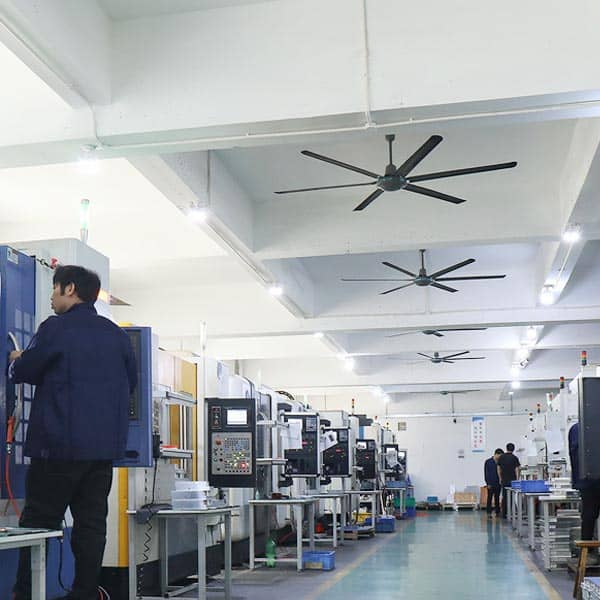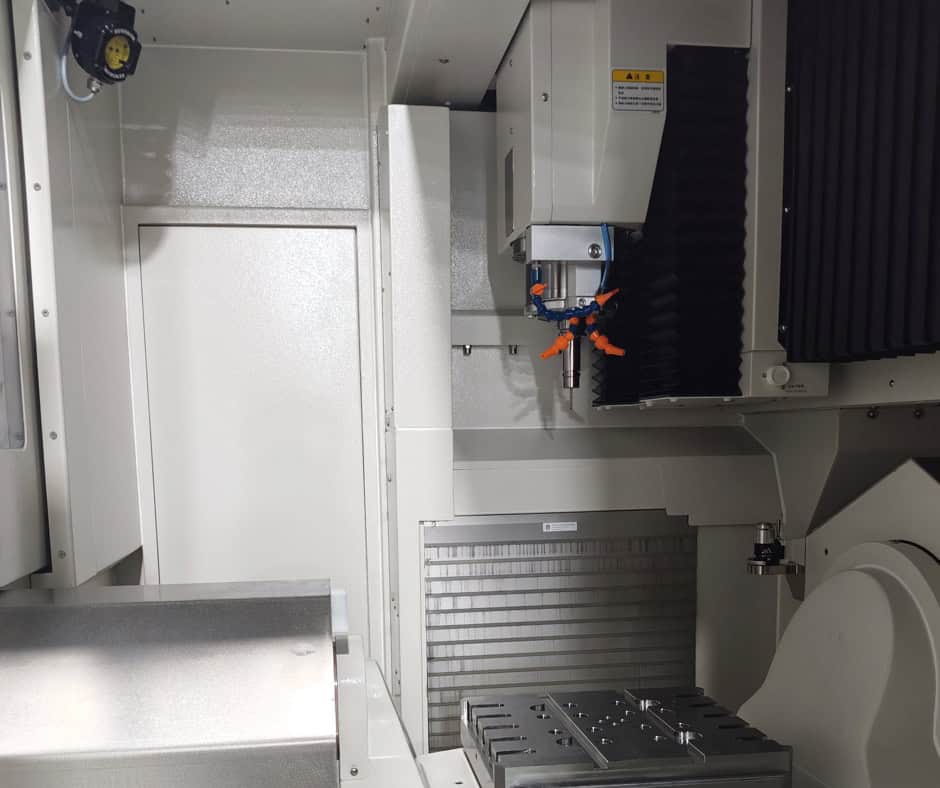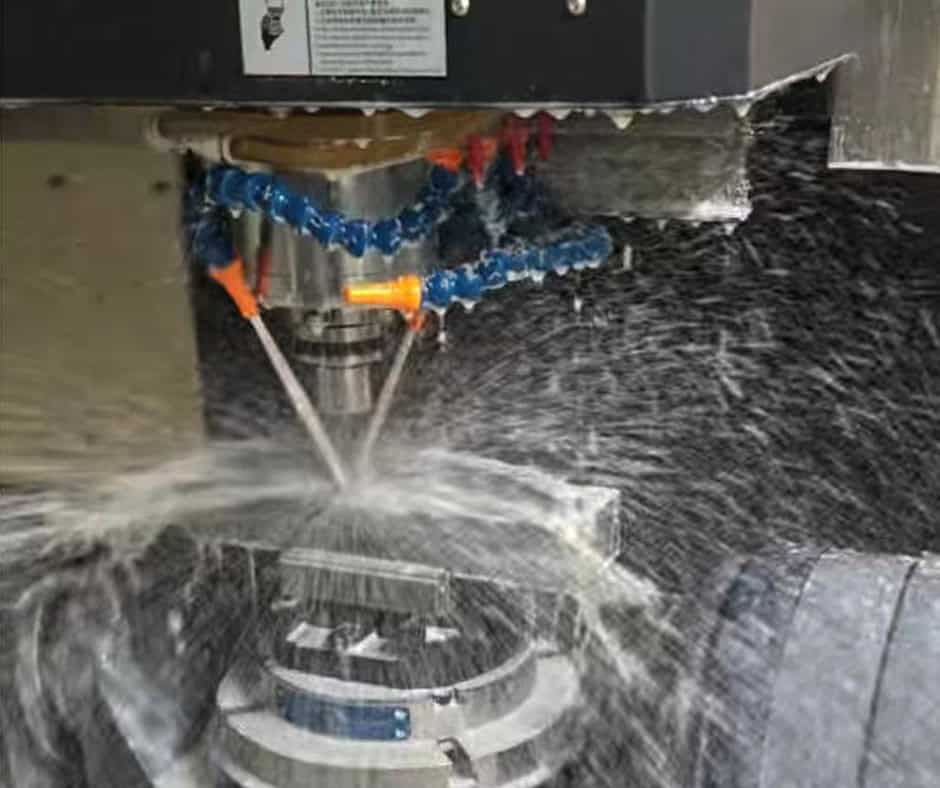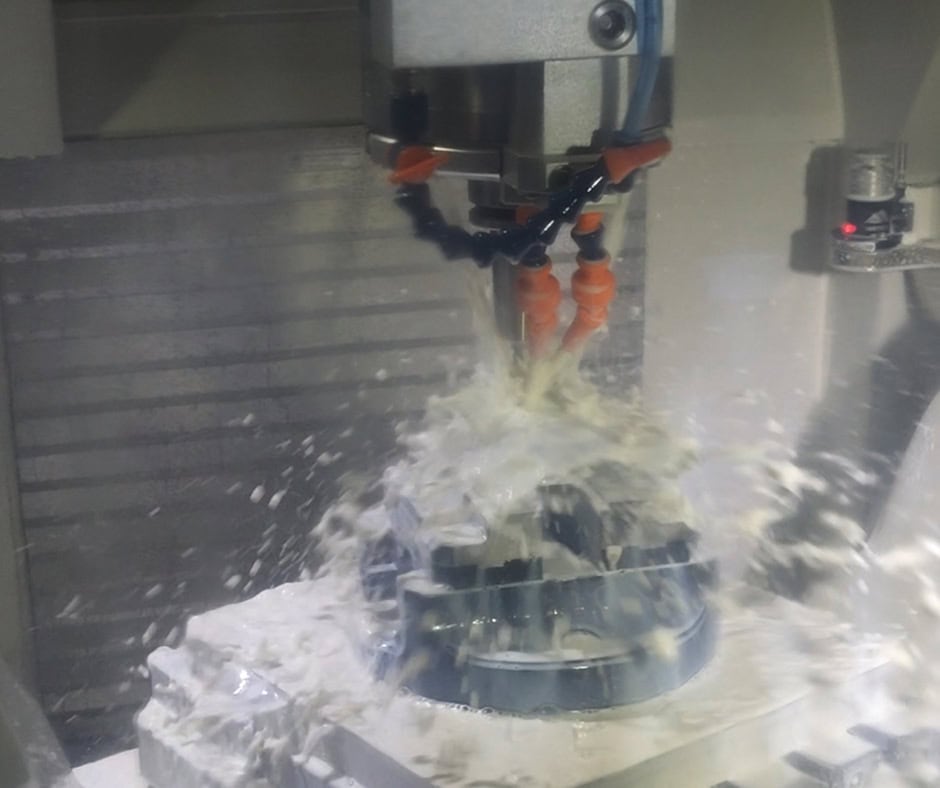
What Is CNC Machining vs. 3D Printing for Water & Wastewater?
In the water and wastewater industry, CNC machining and 3D printing are two widely used manufacturing methods for producing functional components. CNC machining is a subtractive process that removes material to achieve precise dimensions, while 3D printing builds parts layer by layer using additive manufacturing techniques.
Both technologies serve different purposes in water treatment systems, and the choice depends on factors such as accuracy requirements, material performance, production volume, and cost efficiency.
Table of Contents
Industry Terms, Standards & Common Naming
CNC machining and 3D printing are known by different terms across industries, which can sometimes cause confusion.
CNC Machining is also referred to as:
•Computer Numerical Control machining
•Precision machining
•Subtractive manufacturing
Relevant standards include:
•ISO 2768 (general tolerances)
•ISO 9001 (quality management)
•ASTM standards for metals and machining
3D Printing is commonly called:
•Additive manufacturing (AM)
•Rapid prototyping
•Layered manufacturing
Relevant standards include:
•ISO/ASTM 52900 (additive manufacturing terminology)
•ASTM F2792
These terms usually describe the same processes, though naming may vary depending on region or technical context.
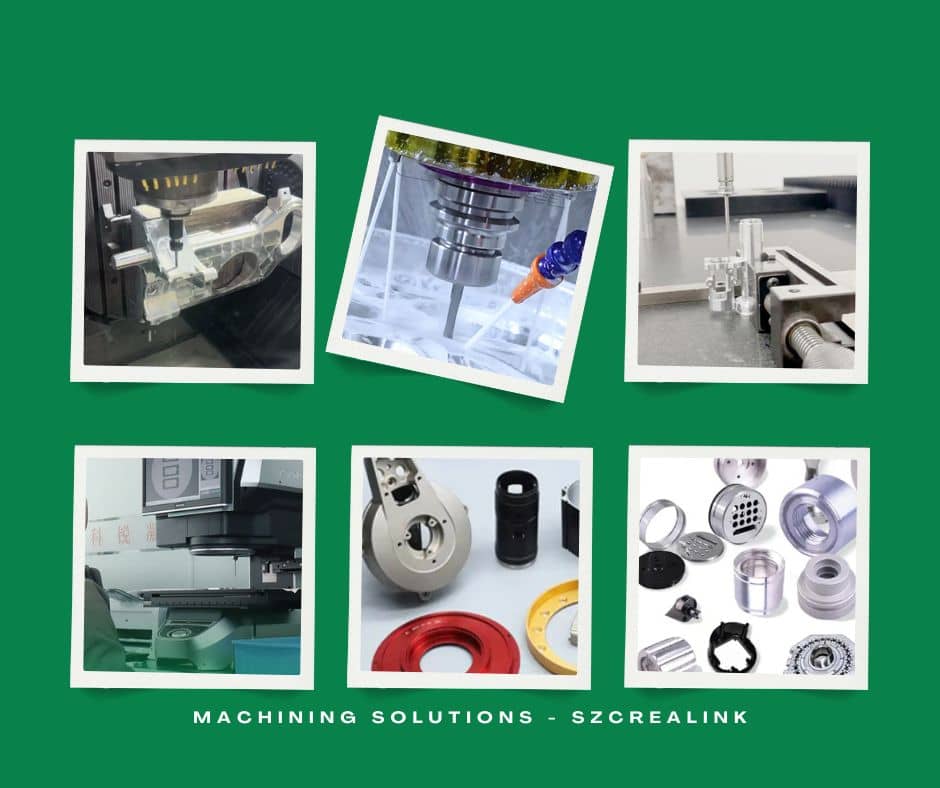
Key Properties & Performance Characteristics
When selecting a manufacturing method for water and wastewater components, performance characteristics are critical.
CNC Machining
•High Precision
CNC machining can achieve tight tolerances, making it ideal for valves, seals, and pump components where accuracy is essential.
•Material Strength & Durability
It preserves the original properties of metals such as stainless steel and aluminum, ensuring long service life in harsh environments.
•Excellent Surface Finish
Smooth surfaces help reduce fluid resistance and minimize contamination buildup.
3D Printing
•Complex Geometry Capability
Suitable for producing intricate internal channels and optimized fluid flow designs.
•Fast Prototyping
Enables rapid development and testing of new designs.
•Material Limitations
While improving, printed materials may not match the strength and corrosion resistance of machined metals.
These differences directly impact system performance, maintenance cycles, and operational reliability.
CNC Machining vs. 3D Printing: Which One Should You Choose?
The main difference lies in performance versus flexibility.
CNC machining is better suited for high-strength, high-precision applications, while 3D printing excels in design flexibility and rapid iteration.
Performance
CNC machining provides superior strength and durability, especially for pressure-bearing components.
3D printing offers flexibility but may have weaker mechanical properties.
Cost
3D printing is cost-effective for low-volume or prototype production.
CNC machining becomes more economical for medium to large batches.
Processing
CNC requires programming and setup but delivers consistent results.
3D printing requires minimal setup and is faster for design changes.
Application Guidance
•Choose CNC machining for valves, flanges, pump housings, and critical sealing parts
•Choose 3D printing for prototypes, custom designs, or non-critical components
Manufacturing & Processing Considerations
In real-world production, both methods present unique challenges.
CNC Machining in Practice
•Cutting parameters must be carefully controlled when machining corrosion-resistant metals
•Sealing surfaces and dimensional accuracy are critical in water systems
Multi-axis machining improves consistency and reduces setup time
3D Printing in Practice
•Build orientation affects part strength and performance
•Post-processing (polishing, coating) is often required
•Material selection is crucial for corrosion resistance and durability
In many cases, companies combine both methods—using 3D printing for prototyping and CNC machining for final production.
Typical Applications & Industry Use Cases
Both manufacturing methods are widely used across water-related industries.
Water Treatment Equipment
•CNC machining: pumps, valves, connectors
•3D printing: flow optimization components
Wastewater Systems
•CNC machining: corrosion-resistant structural parts
•3D printing: testing models and custom fittings
Industrial Water Systems
•CNC machining: high-pressure pipe components
•3D printing: low-volume custom parts
Environmental Engineering
•CNC machining: final production components
•3D printing: design validation and prototyping
These applications highlight the complementary roles of both technologies.
Cost Factors & Procurement Considerations
When sourcing parts, several factors influence the overall cost.
Key Cost Drivers
•Material type (stainless steel, aluminum, engineering plastics)
•Part complexity and tolerance requirements
•Production volume
•Surface finishing and corrosion protection
•Certification and quality standards
Common Product Forms
•CNC machining: milled parts, turned parts, precision assemblies
•3D printing: prototypes, small-batch customized parts
Procurement Advice
•Clearly define the operating environment (corrosion, pressure, temperature)
•Provide detailed drawings or 3D models
•Specify tolerance and inspection requirements early
Choosing the right manufacturing method can significantly reduce long-term operational costs.
FAQs About CNC Machining vs. 3D Printing for Water & Wastewater
1. Which method is better for water treatment equipment?
CNC machining is generally preferred for critical components due to its strength and precision. 3D printing is better suited for prototypes or non-critical parts.
2. Can 3D printed parts be used in wastewater systems?
Yes, but mainly for testing or low-load applications. For harsh environments, CNC-machined metal parts are more reliable.
3. Is CNC machining more corrosion-resistant?
Yes, because it uses fully dense materials like stainless steel, which maintain their original corrosion resistance.
4. Which method offers faster delivery?
3D printing is faster for small batches and prototypes, while CNC machining is more efficient for repeat production.
5. Can both technologies be combined?
Yes. Many manufacturers use 3D printing for design validation and CNC machining for final production.