What Does CNC Machining vs. 3D Printing Mean in Power Generation?
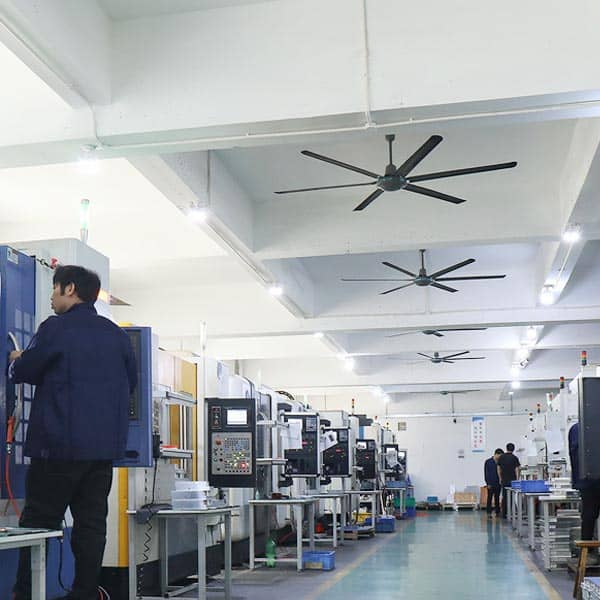
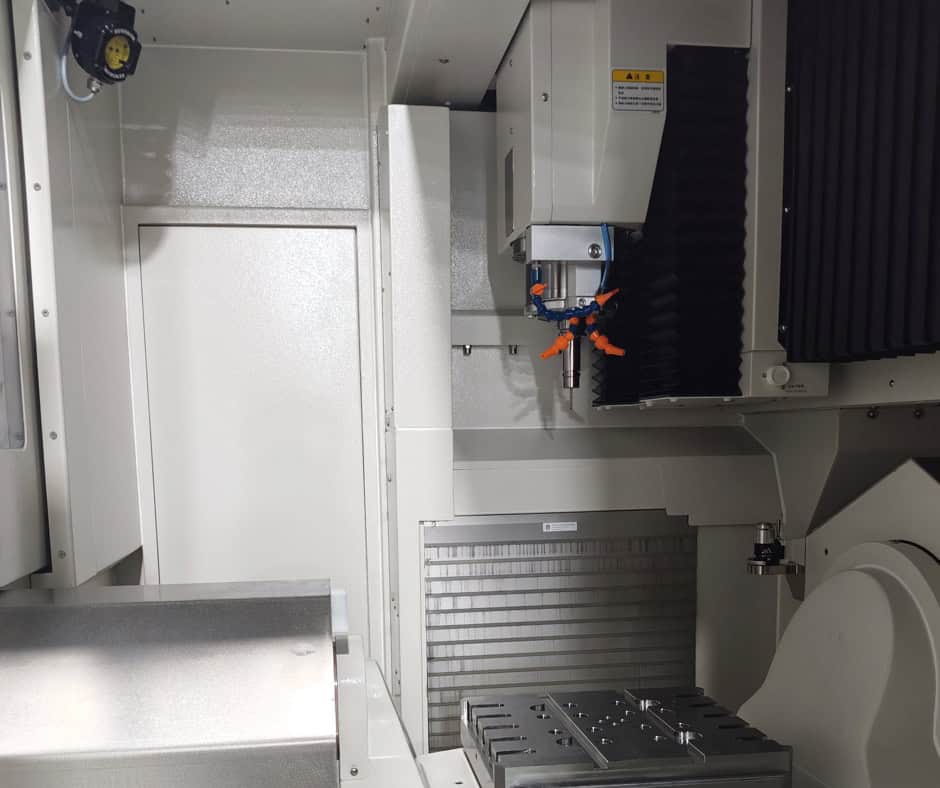
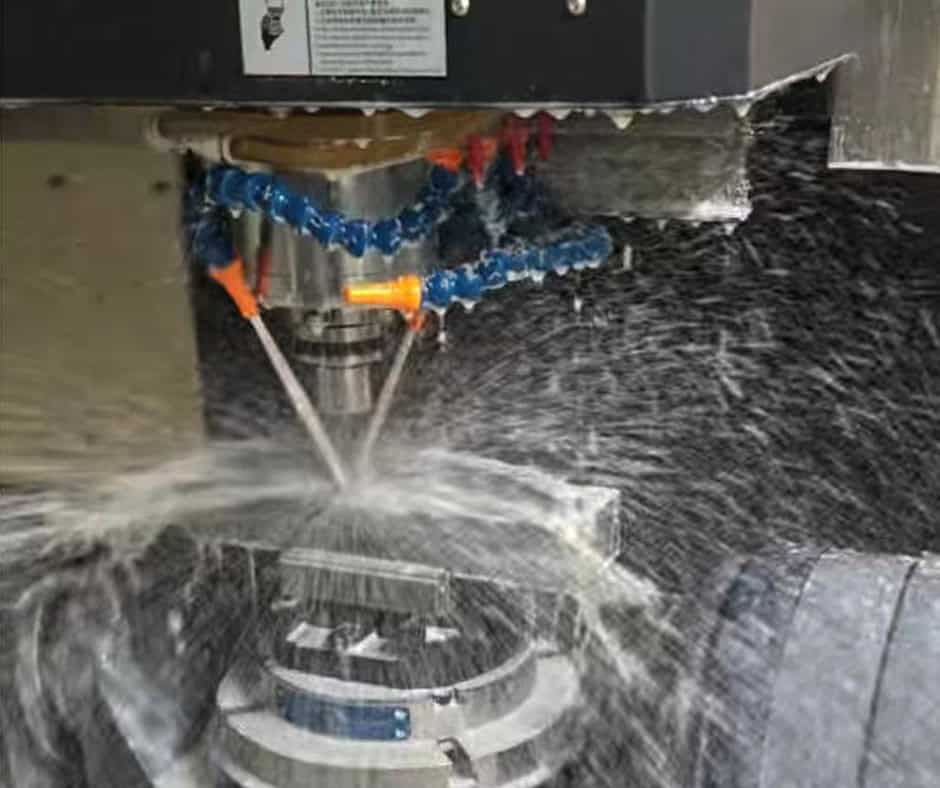
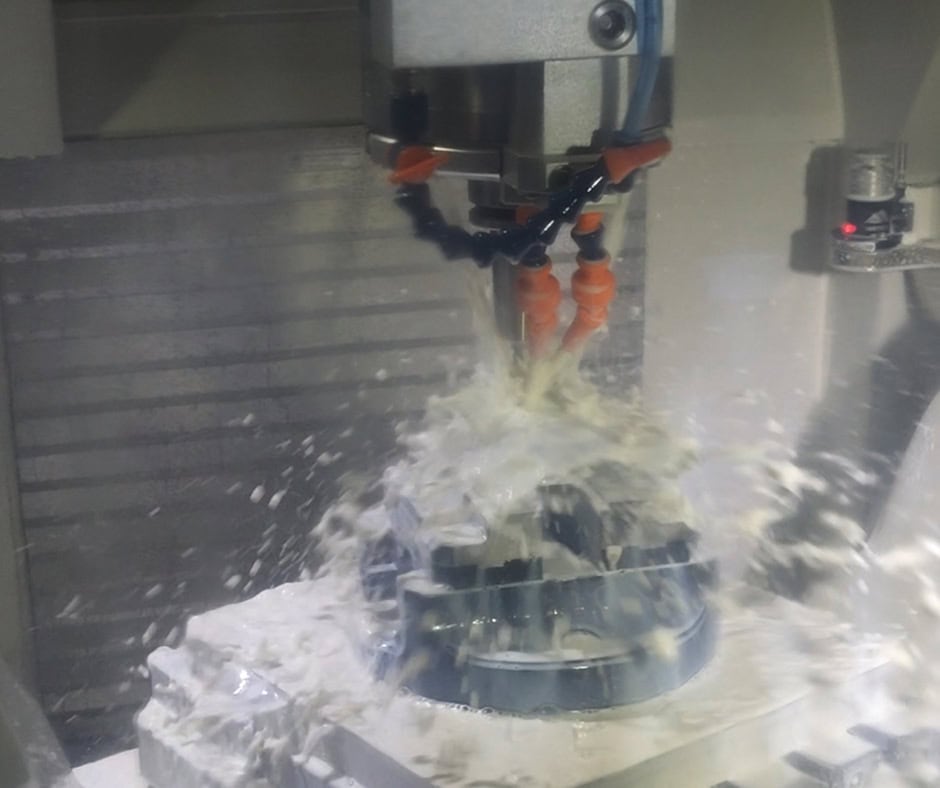
In the power generation industry, CNC machining and 3D printing represent two distinct manufacturing approaches used to produce critical components such as turbine parts, housings, and structural elements. CNC machining is a subtractive process that removes material from solid blocks to achieve precise shapes, while 3D printing builds parts layer by layer from digital models.
Both technologies are widely used in power systems, but they differ significantly in terms of precision, material performance, scalability, and cost. Understanding these differences helps engineers and procurement teams choose the right process for specific applications.
Table of Contents
Industry Terminology and Standards in Power Manufacturing
In technical discussions, CNC machining is often referred to as subtractive manufacturing, precision machining, or multi-axis machining, especially when involving 4-axis or 5-axis systems. 3D printing is commonly called additive manufacturing (AM) and includes methods such as Selective Laser Melting (SLM), Direct Metal Laser Sintering (DMLS), and Fused Deposition Modeling (FDM).
In power generation, both processes must comply with strict international standards. These may include:
•ISO 9001 for quality management systems
•ASME standards for pressure vessels and piping
•ASTM standards for material properties and additive manufacturing processes
•ISO/ASTM 52900 for additive manufacturing terminology
Although the naming varies, these terms generally describe different manufacturing approaches rather than different material grades.
Key Performance Characteristics for Power Generation Components
When selecting between CNC machining and 3D printing, several performance factors are critical in power generation environments:
Mechanical Strength
CNC-machined parts typically offer higher and more consistent mechanical strength due to their solid material structure. This is essential for load-bearing components like turbine shafts or valve bodies.
Thermal Resistance
Power generation systems often operate under high temperatures. CNC machining supports a wide range of heat-resistant metals such as stainless steel, titanium, and superalloys, ensuring stable performance.
Dimensional Accuracy
CNC machining provides tight tolerances, often within microns, making it ideal for precision-critical components. 3D printing may require post-processing to achieve similar accuracy.
Surface Finish
Machined parts usually have smoother finishes, which is important for sealing surfaces and fluid dynamics. 3D printed parts often require additional finishing.
Design Flexibility
3D printing excels in producing complex geometries, including internal channels and lattice structures, which are difficult or impossible with traditional machining.
CNC Machining vs. 3D Printing: Which Is Better for Power Generation?
The core difference lies in precision and reliability versus design flexibility and speed.
CNC machining is generally preferred for:
•High-load and high-stress components
•Tight tolerance requirements
•Large-scale production
•Proven, standardized parts
3D printing is more suitable for:
•Rapid prototyping and design validation
•Complex internal geometries
•Low-volume or customized components
•Lightweight structural optimization
In practice, power generation companies often use both technologies together—3D printing for early-stage development and CNC machining for final production.
Manufacturing Considerations in Real Projects
In real-world power generation projects, manufacturing decisions are rarely based on theory alone.
Material Selection Challenges
When working with high-temperature alloys, CNC machining requires specialized tooling and controlled cutting conditions. Tool wear and heat management must be carefully addressed.
Post-Processing Requirements
3D printed parts often need heat treatment, machining, or polishing to meet performance standards. This adds time and cost.
Tolerance Control
In practice, CNC machining is used when strict tolerances are non-negotiable, such as sealing interfaces in pumps or turbines.
Production Efficiency
For large production runs, CNC machining offers better repeatability and lower per-unit cost. 3D printing becomes less efficient as volume increases.
Applications in the Power Generation Industry
Both technologies are widely used across different segments of the power sector:
Thermal Power Systems
•Turbine blades, shafts, and housings (CNC machining)
•Prototype cooling channels (3D printing)
Renewable Energy (Wind, Solar)
•Structural brackets and mechanical components (CNC machining)
•Lightweight optimized parts (3D printing)
Hydropower
•Valve bodies and flow control components (CNC machining)
•Custom repair parts (3D printing)
Nuclear Power
•Safety-critical precision components (primarily CNC machining)
•Specialized tooling and mockups (3D printing)
Cost Factors and Procurement Considerations
The cost of manufacturing in power generation depends on multiple variables:
Material Costs
High-performance alloys significantly impact pricing, especially for CNC machining.
Production Volume
CNC machining becomes more cost-effective at scale, while 3D printing is better suited for small batches.
Complexity of Design
Complex geometries increase CNC machining time and cost but may be more efficient with 3D printing.
Certification Requirements
Parts used in power systems often require strict certification, increasing inspection and documentation costs.
Lead Time
3D printing can reduce lead times for prototypes, while CNC machining is more efficient for repeat production.
Common product forms include machined blocks, precision assemblies, printed prototypes, and hybrid components combining both methods.
FAQs About CNC Machining vs. 3D Printing for Power Generation
1. Which process is more reliable for critical power components?
CNC machining is generally more reliable for critical components because it uses solid materials and provides consistent mechanical properties. It is widely accepted in safety-critical applications.
2. Can 3D printing replace CNC machining in power generation?
Not entirely. While 3D printing is useful for prototyping and complex designs, CNC machining remains essential for high-strength, high-precision production parts.
3. Is 3D printing faster than CNC machining?
For prototypes and small batches, 3D printing can be faster. However, for large production runs, CNC machining is usually more efficient.
4. What materials are commonly used in these processes?
CNC machining supports metals like aluminum, stainless steel, and titanium. 3D printing can use similar metals as well as polymers, but material properties may vary.
5. How do I choose the right process for my project?
Consider factors such as required precision, production volume, material properties, and cost. In many cases, combining both technologies provides the best results.