What Is CNC Machining vs. 3D Printing for Pharmaceutical & Food/Beverage?
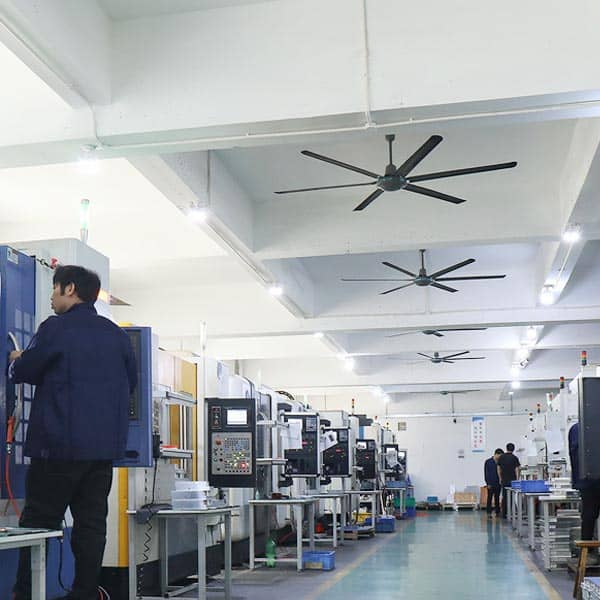
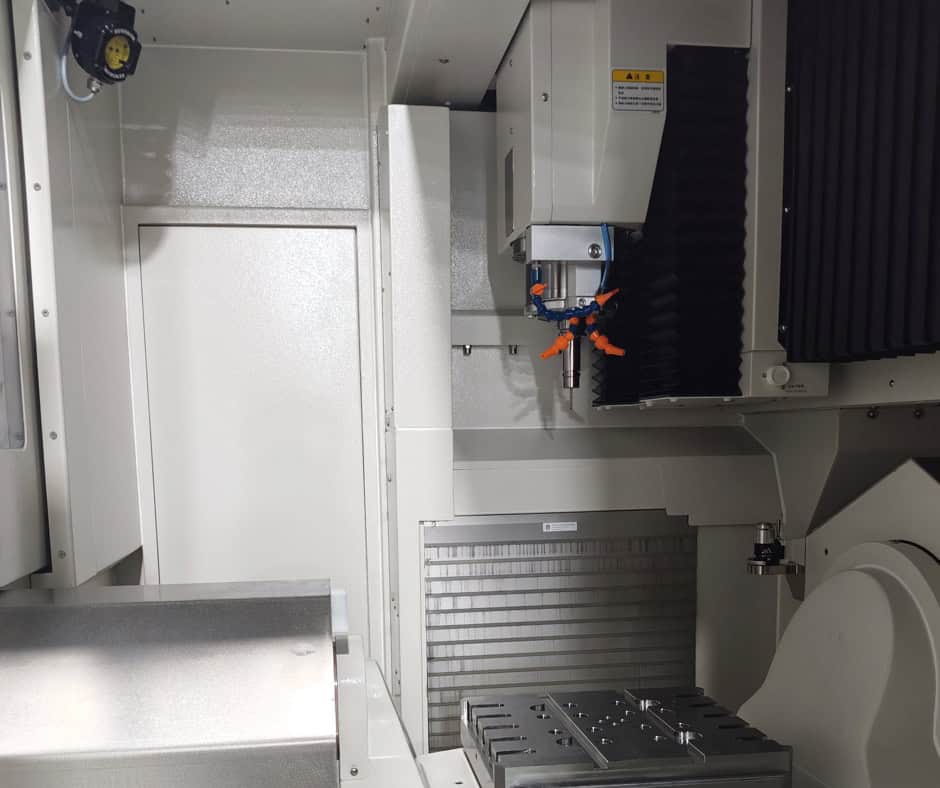
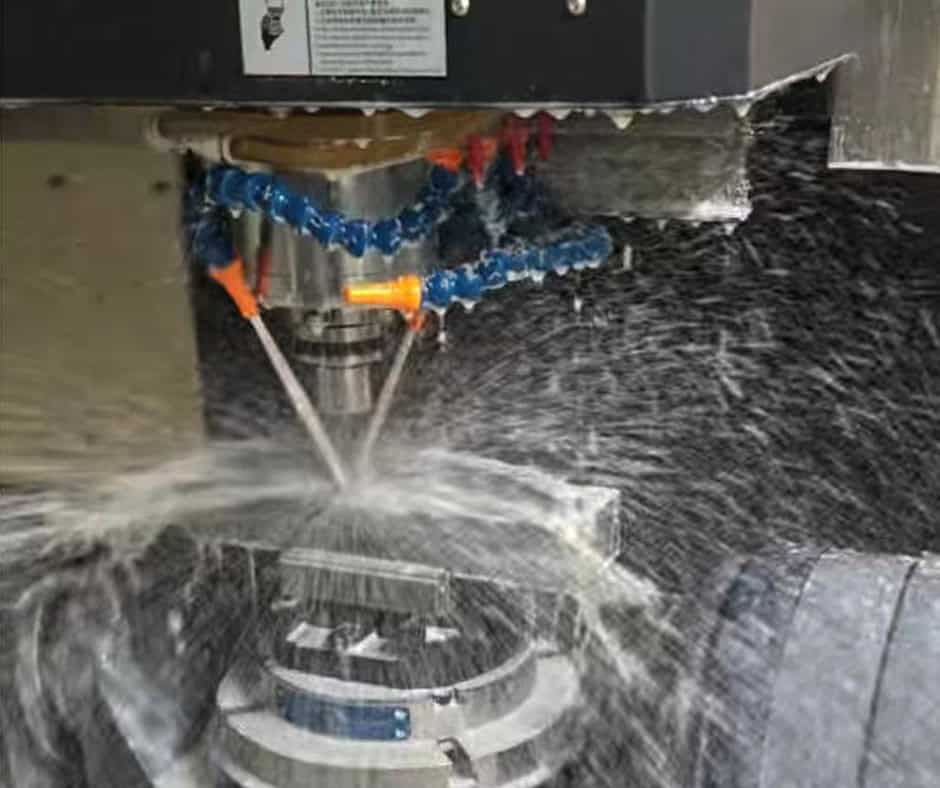
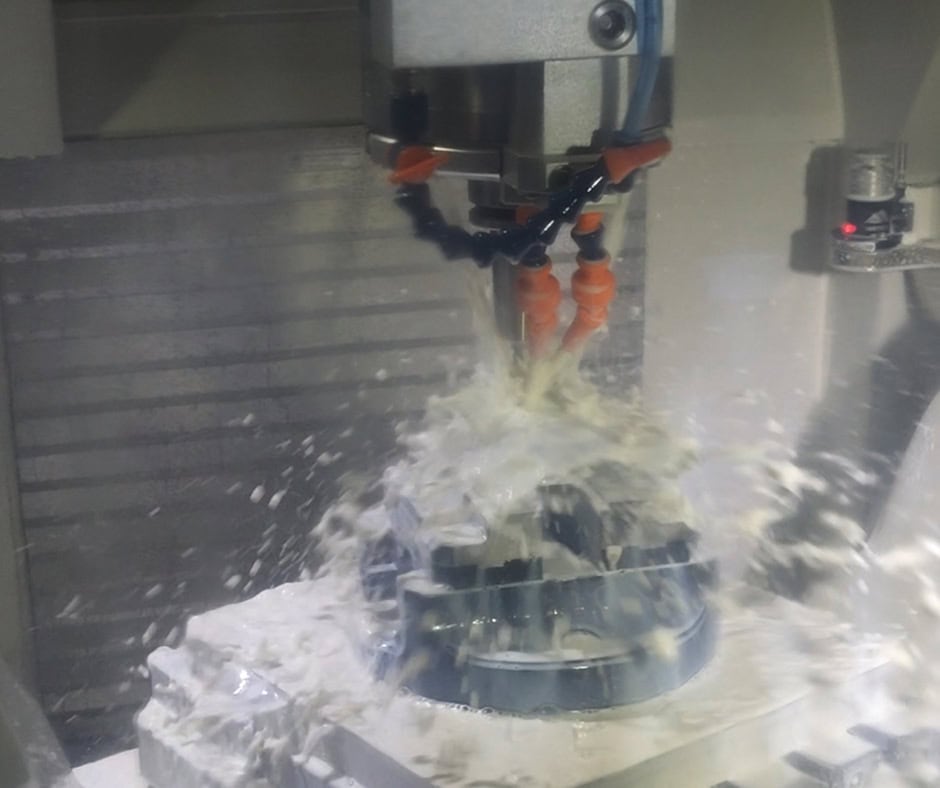
In pharmaceutical and food & beverage industries, CNC machining and 3D printing are two manufacturing methods used to produce components that must meet strict hygiene, safety, and precision requirements. CNC machining removes material from solid blocks to create accurate, smooth-surface parts, while 3D printing builds components layer by layer from digital models.
Both processes are applied in equipment manufacturing, prototyping, and custom part production, but they differ significantly in surface quality, material compliance, and suitability for regulated environments.
Table of Contents
Industry Terms, Standards, and Common Naming
In these industries, CNC machining is often referred to as precision machining, subtractive manufacturing, or sanitary machining, especially when used for hygienic equipment. 3D printing is commonly known as additive manufacturing (AM) and includes processes such as SLA, SLS, and DMLS.
Strict regulatory standards apply, including:
•FDA (Food and Drug Administration) requirements for food-contact materials
•ISO 13485 for medical device manufacturing
•EHEDG (European Hygienic Engineering & Design Group) guidelines
•ASTM and ISO standards for materials and additive processes
Different terms usually describe processes rather than different materials, but compliance requirements can vary depending on the application.
Key Properties & Performance Characteristics
When selecting a manufacturing method for hygienic industries, several key factors must be considered:
Surface Finish & Cleanability
CNC machining provides smooth, polished surfaces that reduce bacterial buildup, which is critical for sanitary environments. 3D printed parts often have rougher surfaces and may require post-processing.
Material Compliance
CNC machining supports certified food-grade and medical-grade metals such as stainless steel (e.g., 316L). 3D printing materials may have limitations in certification and traceability.
Precision & Tolerance
CNC machining offers high dimensional accuracy, ensuring proper sealing and assembly in critical systems like pumps and valves. 3D printing may require secondary machining for tight tolerances.
Chemical Resistance
Parts used in pharmaceutical and food processing must withstand cleaning agents and sterilization. CNC-machined metals typically perform better under repeated exposure.
Design Flexibility
3D printing allows complex internal geometries and rapid design changes, which is useful for prototyping and custom tooling.
CNC Machining vs. 3D Printing: Which Fits Better?
The main difference is compliance and surface quality versus design flexibility and speed.
CNC machining is preferred for:
•Food-contact and pharmaceutical-grade components
•High-precision assemblies
•Long-term production parts
•Applications requiring certified materials
3D printing is suitable for:
•Rapid prototyping and testing
•Non-contact components or tooling
•Complex geometries not feasible with machining
•Low-volume custom parts
In regulated industries, CNC machining is often the final production method, while 3D printing supports development and innovation stages.
Manufacturing & Processing Considerations
In practice, manufacturing for these industries involves strict process control.
Surface Treatment Requirements
When working with stainless steel, polishing and passivation are often required after CNC machining to meet hygiene standards.
Post-Processing for 3D Printing
3D printed parts usually need sanding, coating, or machining to improve surface quality and meet cleanliness requirements.
Material Handling
Traceability of materials is critical. CNC machining allows easier verification of certified raw materials compared to some additive processes.
Cleaning and Sterilization Compatibility
Components must withstand repeated cleaning cycles. CNC-machined parts generally offer better durability under harsh cleaning conditions.
Typical Applications & Industry Use
Both manufacturing methods serve different roles across pharmaceutical and food sectors:
Pharmaceutical Industry
•CNC machining: precision components for filling machines, valves, and reactors
•3D printing: prototype devices, custom fixtures, and R&D components
Food & Beverage Industry
•CNC machining: hygienic fittings, processing equipment parts, and pipelines
•3D printing: molds, tooling, and design validation models
Packaging Equipment
•CNC machining: durable mechanical components
•3D printing: custom guides and low-load parts
Cost Factors and Procurement Considerations
Several factors influence cost and sourcing decisions:
Material Grade
Certified food-grade or medical-grade materials increase cost, especially for CNC machining.
Production Volume
CNC machining becomes more cost-effective at higher volumes, while 3D printing is efficient for small batches.
Post-Processing Needs
Additional finishing steps for 3D printing can increase overall cost.
Compliance & Certification
Meeting FDA or ISO standards adds inspection and documentation costs.
Lead Time
3D printing offers faster turnaround for prototypes, while CNC machining is more efficient for repeat production.
Common product forms include precision-machined components, custom fittings, printed prototypes, and hybrid parts.
FAQs About CNC Machining vs. 3D Printing for Pharmaceutical & Food/Beverage
1. Which method is better for food-safe components?
CNC machining is generally preferred because it supports certified food-grade materials and produces smooth, cleanable surfaces.
2. Can 3D printed parts be used in pharmaceutical applications?
Yes, but mostly for prototyping or non-contact parts. For critical components, CNC machining is usually required to meet compliance standards.
3. Why is surface finish important in these industries?
A smooth surface prevents contamination and bacterial growth, making cleaning and sterilization more effective.
4. Is 3D printing more cost-effective?
It can be for small quantities and prototypes. However, for large-scale production, CNC machining is usually more economical.
5. How do I choose between the two processes?
Consider hygiene requirements, material certification, precision needs, and production volume. In many cases, both methods are used together during different stages of development.