What Is CNC Machining vs. 3D Printing for Oil & Gas?
In the oil and gas industry, CNC machining and 3D printing are two manufacturing approaches used to produce components that must operate under extreme pressure, temperature, and corrosive environments. CNC machining removes material from solid metal blocks to create highly precise and durable parts, while 3D printing builds components layer by layer, often used for rapid prototyping or complex geometries.
Both technologies serve different roles in oil and gas applications, with CNC machining typically preferred for critical components and 3D printing supporting design flexibility and early-stage development.
Table of Contents
Industry Terms, Standards, and Technical Definitions
In oil and gas manufacturing, CNC machining is often referred to as precision machining, subtractive manufacturing, or metal machining. Common processes include milling, turning, and multi-axis machining. These are governed by standards such as ISO 9001 (quality management), API standards (American Petroleum Institute specifications), and ASME codes for pressure systems.
3D printing is also known as additive manufacturing (AM). Technologies such as DMLS (Direct Metal Laser Sintering) and SLS (Selective Laser Sintering) are used for metal and polymer components. Industry standards like ISO/ASTM 52900 define additive manufacturing terminology and processes.
These terms may overlap in discussions, but CNC machining and 3D printing are fundamentally different in production method, material behavior, and end-use reliability.
Key Properties and Performance Characteristics
Selecting the right process in oil and gas depends on how parts perform in harsh environments.
Mechanical Strength and Reliability
CNC machined parts are made from solid materials, offering consistent strength and structural integrity.
3D printed parts may have weaker interlayer bonding, which can affect performance under high stress.
This is critical for components exposed to pressure, vibration, and mechanical loads.
Corrosion and Temperature Resistance
CNC machining supports a wide range of high-performance alloys such as stainless steel, Inconel, and titanium.
3D printing also supports some advanced materials, but availability and consistency can be limited.
Material performance is essential for offshore and downhole environments.
Dimensional Accuracy
CNC machining achieves tight tolerances, often required for sealing surfaces and threaded connections.
3D printing may require post-processing to meet similar precision levels.
Precision directly affects safety and operational efficiency.
Design Complexity
3D printing enables complex internal structures and lightweight designs.
CNC machining is limited by tool access but ensures higher structural reliability.
Complexity is useful for prototyping but less critical for heavy-duty components.
Production Consistency
CNC machining delivers repeatable results across large production runs.
3D printing can vary depending on machine setup and process control.
Consistency is vital for standardized oil and gas components.
CNC Machining vs. 3D Printing: Which Fits Oil & Gas Needs?
The main difference lies in performance vs. flexibility.
CNC machining is the preferred choice for:
•Pressure-bearing components
•Valve bodies and fittings
•Downhole tools
•Structural and safety-critical parts
3D printing is better suited for:
•Rapid prototyping
•Design validation
•Complex non-critical components
•Low-volume custom parts
In oil and gas, where safety and reliability are priorities, CNC machining is generally used for final production, while 3D printing supports innovation and development.
Manufacturing and Processing Considerations
CNC Machining in Practice
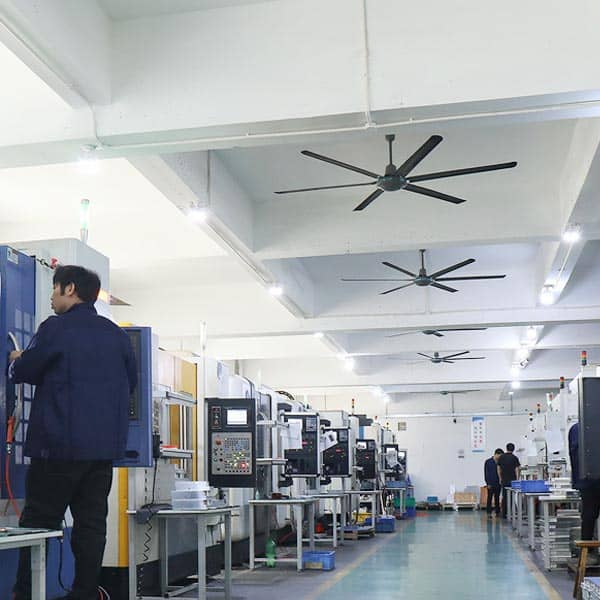
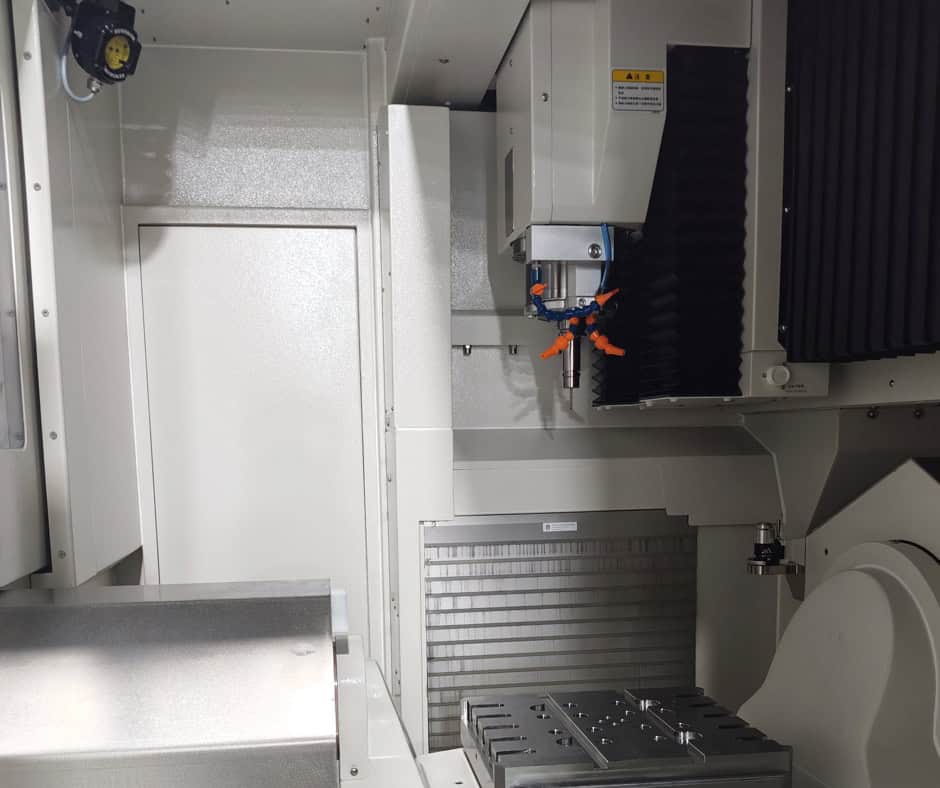
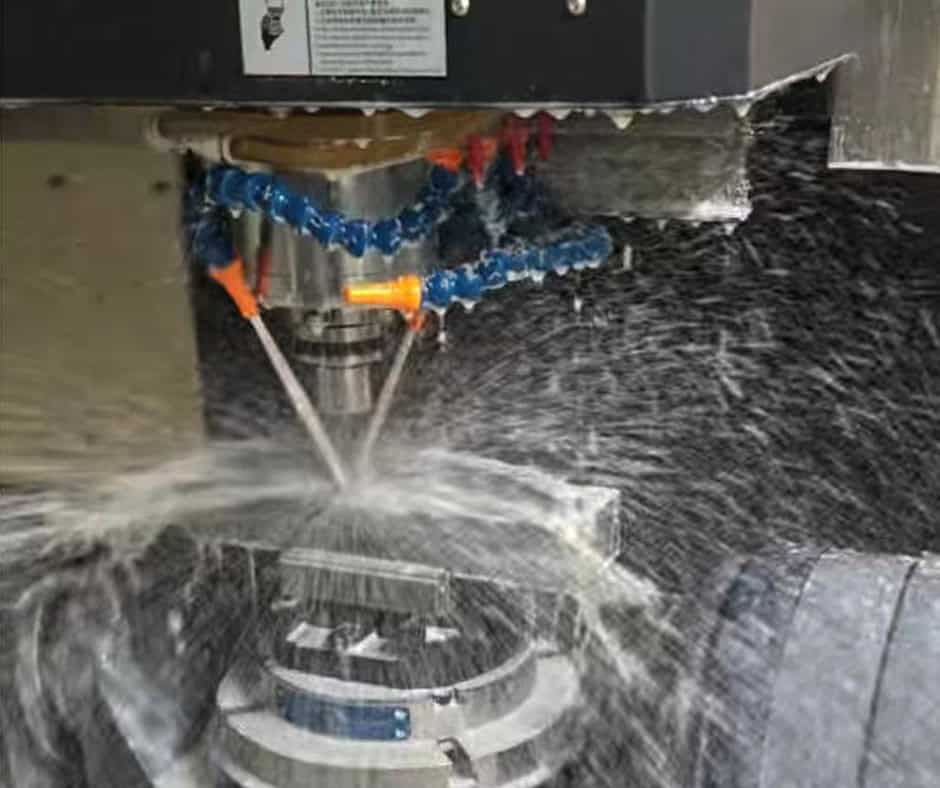
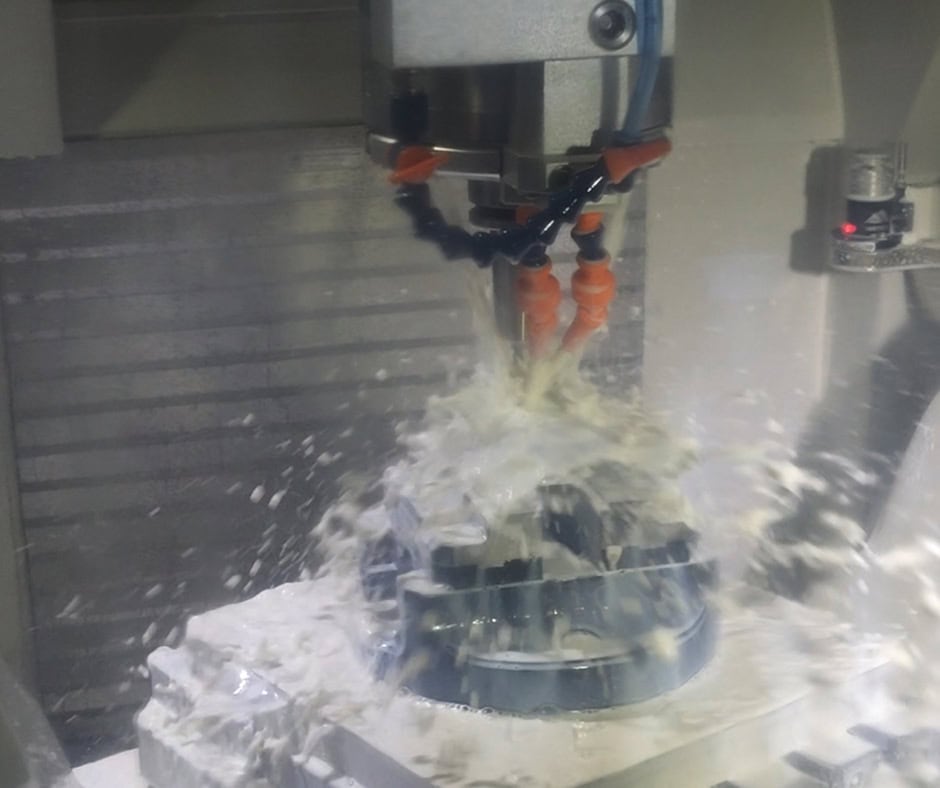
When working with oil and gas components, machining often involves hard materials and strict tolerances. In practice, tool wear, heat generation, and machining stability must be carefully managed. Specialized tooling and coolant strategies are commonly used.
3D Printing in Practice
3D printing requires attention to build orientation, support structures, and post-processing. In practice, achieving consistent mechanical properties can be challenging, especially for metal parts used in demanding environments.
Common Challenges
•CNC machining: higher material waste, longer setup time
•3D printing: limited material certification, surface finishing requirements
Understanding these challenges helps improve production outcomes and reduce risk.
Applications in Oil & Gas Industry
Valve and Fluid Control Systems
CNC machining is widely used for valve bodies, connectors, and sealing components due to its precision and strength.
Drilling and Downhole Tools
Components used in drilling operations require high durability, making CNC machining the primary method.
Pipeline and Pressure Systems
Machined parts ensure tight tolerances and leak-proof performance in high-pressure systems.
Equipment Prototyping
3D printing is useful for testing new designs before committing to full-scale production.
Maintenance and Spare Parts
3D printing can be used for quick replacement of non-critical components, reducing downtime.
Cost Factors and Procurement Insights
CNC Machining Cost Factors
•Material type (e.g., corrosion-resistant alloys)
•Machining complexity and tolerance
•Production volume
•Tooling and setup requirements
CNC machining becomes more cost-effective for medium to large production runs.
3D Printing Cost Factors
•Printing technology and material
•Build time and part size
•Post-processing requirements
3D printing is generally more economical for prototypes and small batches.
Procurement Considerations
For oil and gas buyers, the selection should focus on:
•Certification requirements (API, ISO)
•Material traceability
•Performance reliability
Choosing the right process depends on whether the priority is performance, speed, or cost efficiency.
FAQs About CNC Machining vs. 3D Printing for Oil & Gas
1. Why is CNC machining preferred in oil and gas applications?
CNC machining provides high strength, precision, and reliability, which are essential for components operating under extreme conditions such as high pressure and temperature.
2. Can 3D printing be used for critical oil and gas parts?
In most cases, 3D printing is not used for critical load-bearing components. It is more commonly applied in prototyping or non-critical applications.
3. Which process offers better material performance?
CNC machining typically offers better material consistency because it uses solid, certified materials with known properties.
4. Is 3D printing faster than CNC machining?
3D printing can be faster for prototypes and simple parts, but CNC machining is more efficient for repeat production and high-precision components.
5. How do I choose between CNC machining and 3D printing?
The choice depends on the application. For functional, high-strength parts, CNC machining is recommended. For design testing or complex geometries, 3D printing is a suitable option.