What Is CNC Machining vs. 3D Printing for Mining & Metallurgy?
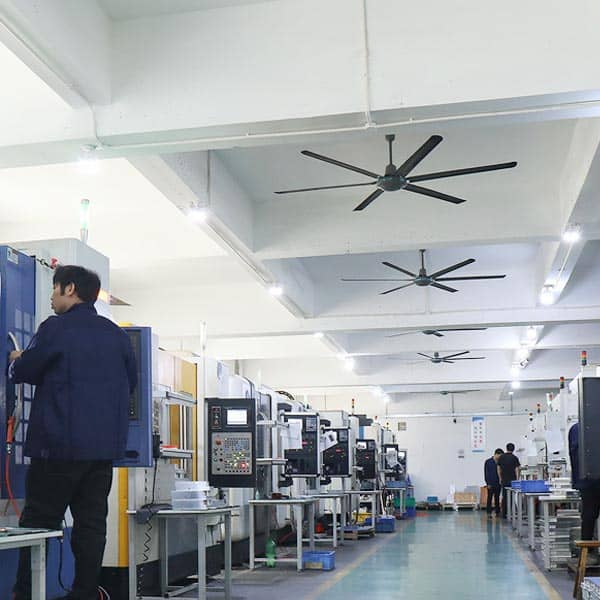
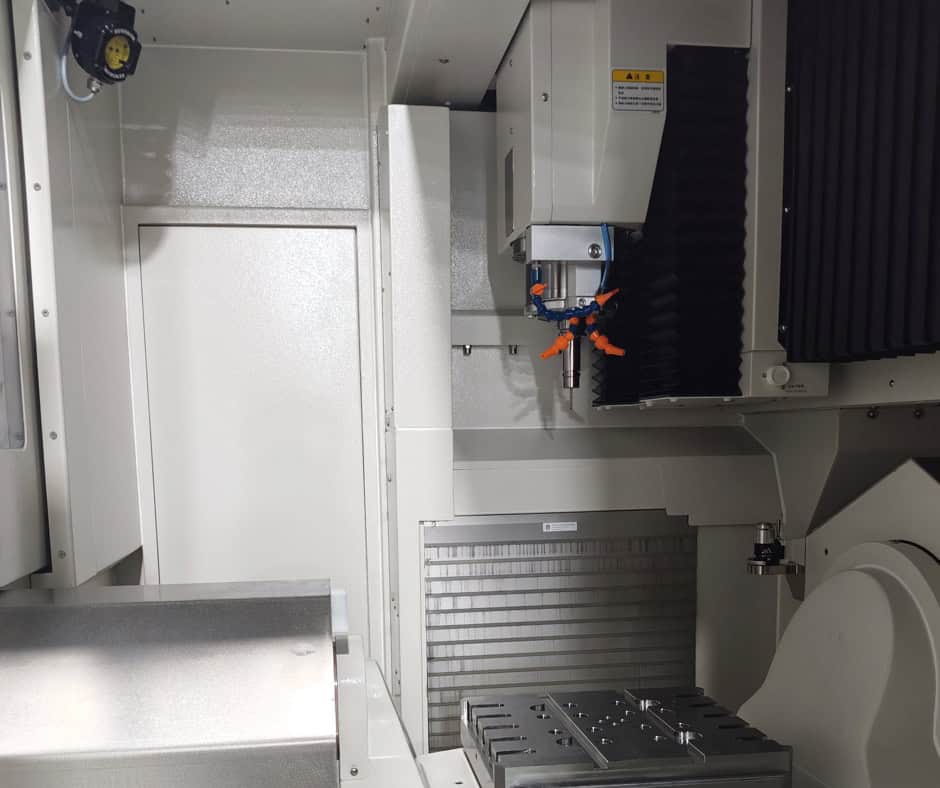
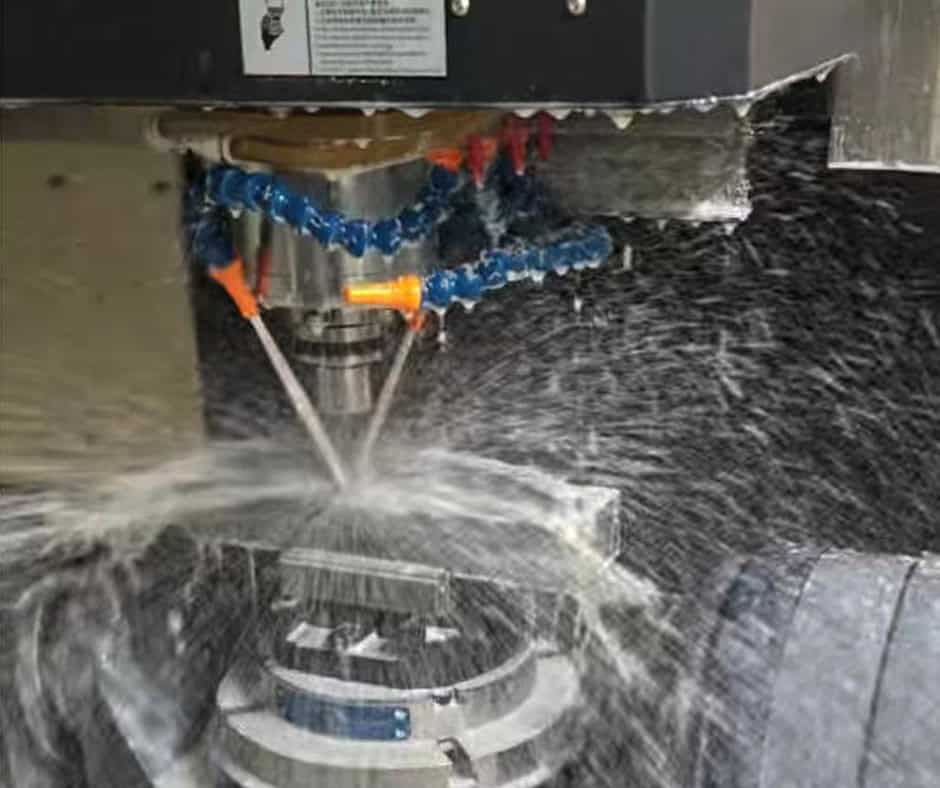
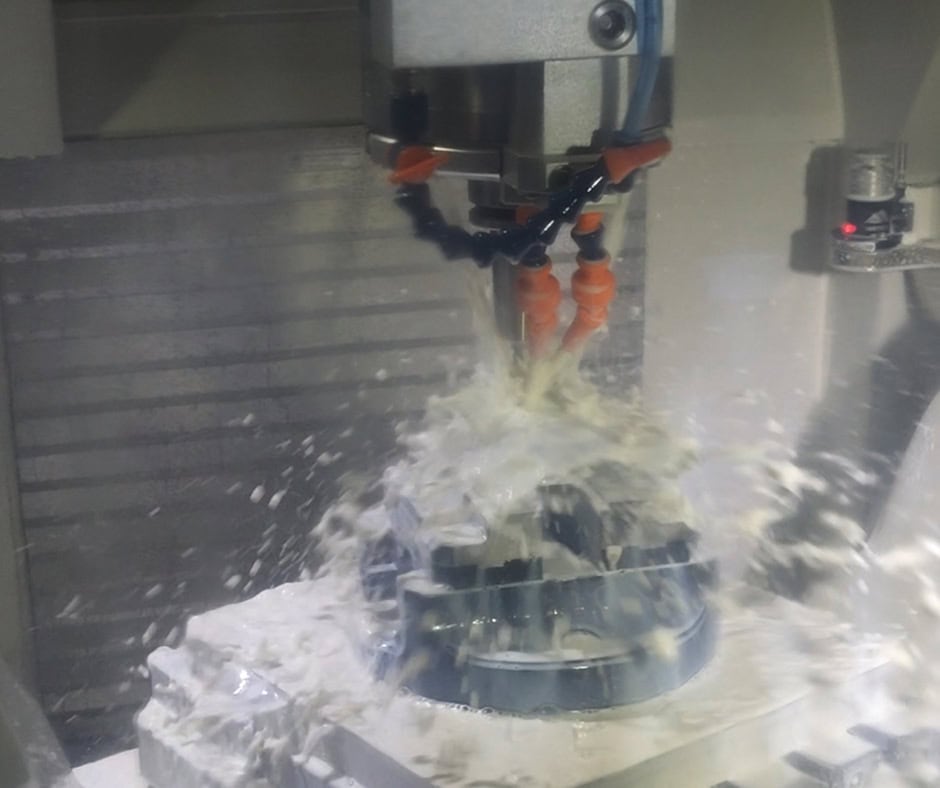
In mining and metallurgy, CNC machining and 3D printing are two manufacturing methods used to produce durable components for harsh operating environments. CNC machining is a subtractive process that removes material from solid metal blocks to create precise and strong parts, while 3D printing builds components layer by layer from digital designs.
Both technologies support equipment manufacturing, repair, and prototyping, but they differ in strength, cost efficiency, and suitability for heavy-duty applications.
Table of Contents
Technical Terms, Standards, and Industry Naming
In this sector, CNC machining is often referred to as heavy-duty machining, precision machining, or subtractive manufacturing, especially when dealing with large metal components. 3D printing is commonly known as additive manufacturing (AM), including technologies such as DMLS, SLM, and WAAM (Wire Arc Additive Manufacturing).
Relevant standards include:
•ISO 9001 for quality management
•ASTM standards for metals and additive manufacturing
•ISO/ASTM 52900 for additive manufacturing terminology
•DIN and GB standards for metallurgical materials
These terms describe manufacturing processes rather than material grades, though material standards are critical in mining applications.
Key Properties & Performance Characteristics
For mining and metallurgy, performance requirements are particularly demanding:
Mechanical Strength & Durability
CNC machining produces parts with high structural integrity, essential for load-bearing and high-impact components like crushers and drill parts.
Wear Resistance
Machined components made from hardened steels or alloys offer superior resistance to abrasion, which is critical in mining environments.
Heat and Corrosion Resistance
Parts must withstand high temperatures and corrosive materials. CNC machining supports a wide range of treated metals for such conditions.
Dimensional Accuracy
Precise tolerances are important for assembly and equipment efficiency. CNC machining ensures consistent accuracy across batches.
Design Complexity
3D printing allows the creation of complex geometries, such as internal channels or lightweight structures, which can improve performance in certain cases.
CNC Machining vs. 3D Printing: Which Is More Suitable?
The key difference is strength and reliability versus flexibility and speed.
CNC machining is ideal for:
•Heavy-load and high-impact components
•Long-term use in harsh environments
•Large-scale production
•Standardized industrial parts
3D printing is better suited for:
•Rapid prototyping and design testing
•Custom or low-volume parts
•Complex geometries not achievable by machining
•Emergency spare parts with shorter lead times
In mining operations, CNC machining is typically used for final production, while 3D printing supports maintenance and innovation.
Manufacturing & Processing Considerations
In real mining and metallurgical applications, several practical factors influence manufacturing decisions:
Material Machinability
When working with hardened alloys, CNC machining requires specialized cutting tools and controlled speeds to reduce tool wear.
Post-Processing Needs
3D printed metal parts often require heat treatment and machining to improve strength and surface finish.
Equipment Size and Capability
Large mining components may exceed the build size of most 3D printers, making CNC machining more practical.
Repair and Replacement
In practice, 3D printing is sometimes used to quickly produce replacement parts or repair components, reducing downtime.
Typical Applications & Industry Use
Both manufacturing methods are applied across mining and metallurgy:
Mining Equipment
•CNC machining: crusher components, drill parts, shafts, and housings
•3D printing: prototype parts and emergency spares
Metallurgical Processing
•CNC machining: rollers, molds, and high-temperature components
•3D printing: custom tooling and experimental designs
Material Handling Systems
•CNC machining: conveyor parts, brackets, and structural components
•3D printing: lightweight or customized auxiliary parts
Cost Factors and Procurement Considerations
Cost in mining manufacturing depends on several factors:
Material Type
High-strength alloys and wear-resistant materials increase machining costs.
Production Volume
CNC machining becomes more cost-effective for large quantities, while 3D printing is suitable for small batches.
Part Size and Complexity
Large or simple parts favor CNC machining, while complex geometries may benefit from 3D printing.
Post-Processing Requirements
Additional finishing steps for 3D printing can increase total cost.
Lead Time
3D printing offers faster turnaround for prototypes or urgent replacements, while CNC machining is more efficient for repeat production.
Common product forms include machined heavy components, wear-resistant parts, printed prototypes, and hybrid solutions.
FAQs About CNC Machining vs. 3D Printing for Mining & Metallurgy
1. Which method is more durable for mining equipment?
CNC machining is generally more durable because it uses solid, high-strength materials and produces parts with consistent mechanical properties.
2. Can 3D printing be used for heavy-duty mining parts?
It can be used for certain applications, but most heavy-load components still rely on CNC machining due to strength and reliability requirements.
3. Is 3D printing useful for maintenance in mining?
Yes, it can quickly produce spare parts or prototypes, helping reduce equipment downtime.
4. How do material choices differ between the two methods?
CNC machining supports a wider range of hardened and treated metals, while 3D printing materials may have limitations depending on the process.
5. What is the best approach for cost efficiency?
For large production runs and critical parts, CNC machining is usually more cost-effective. For small batches or complex designs, 3D printing can offer advantages.