What Is CNC Machining vs. 3D Printing for Machinery Manufacturing?
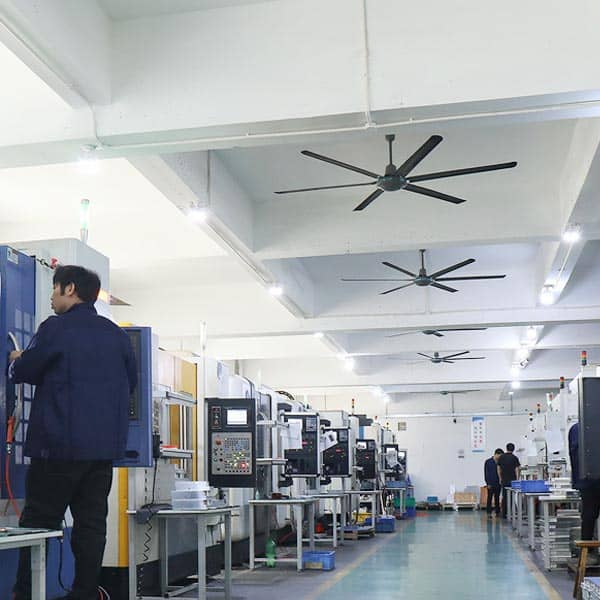
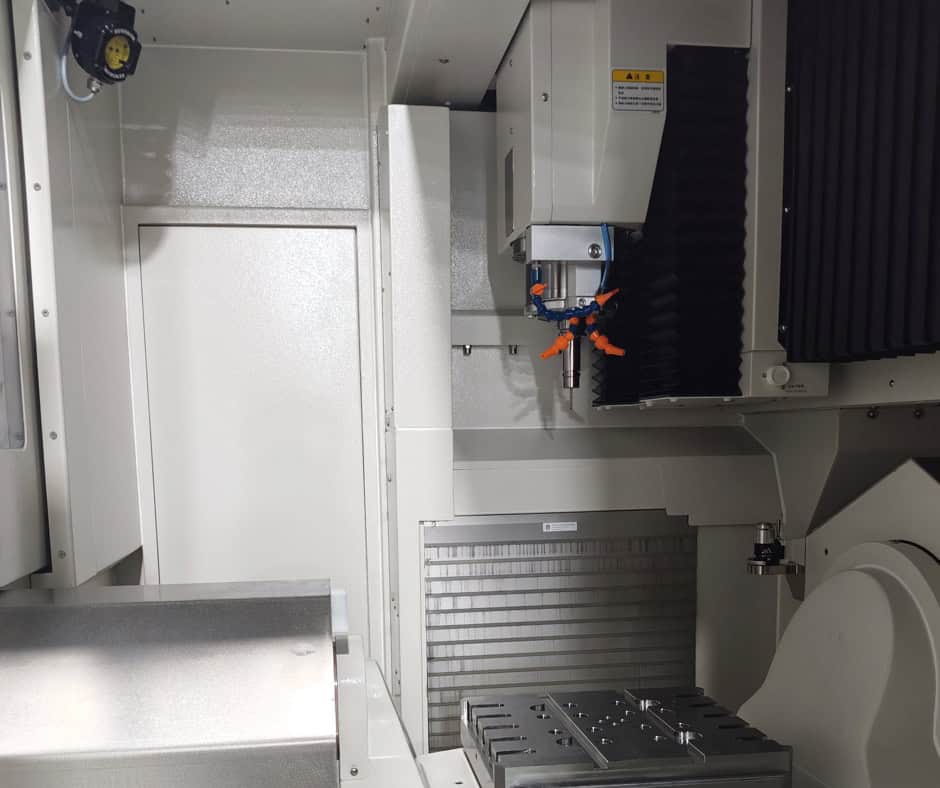
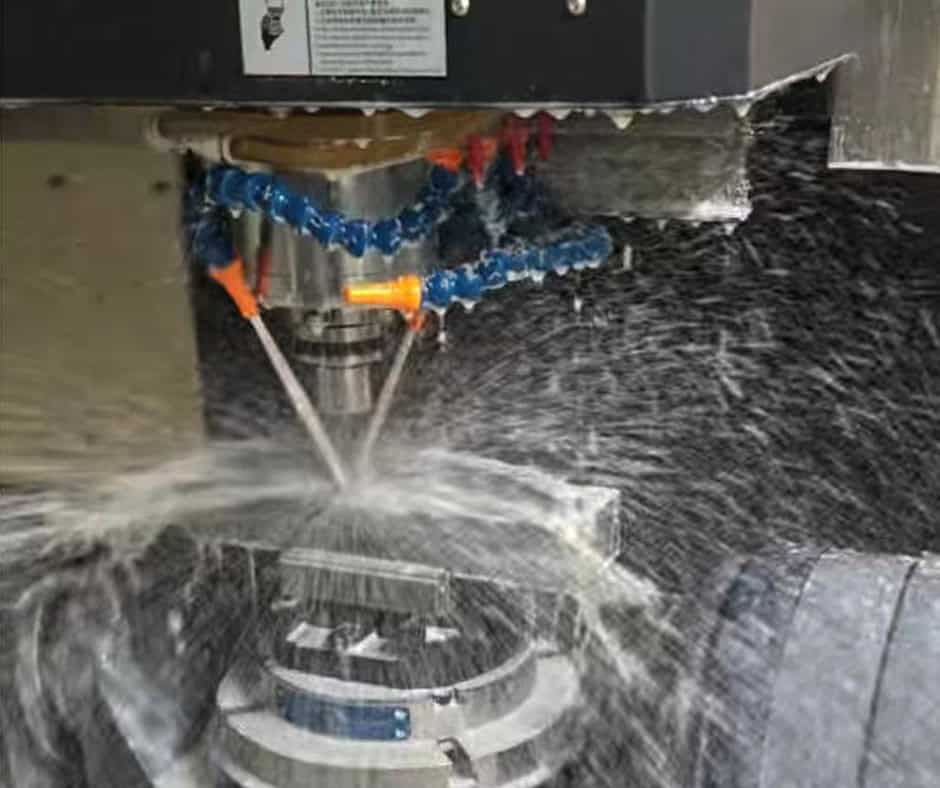
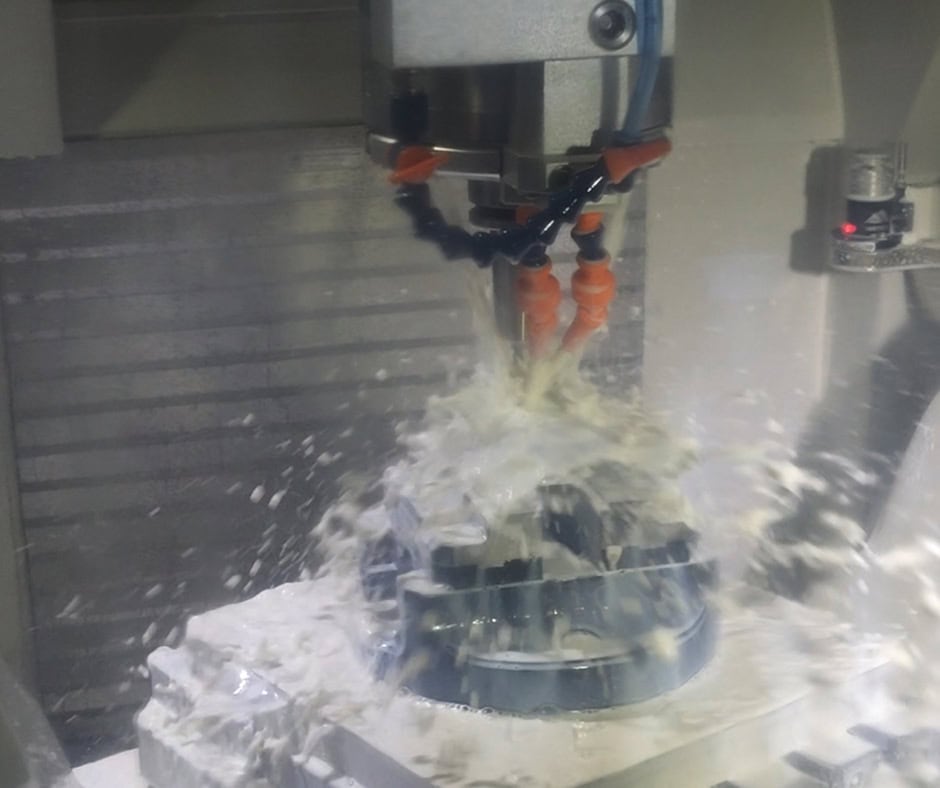
In machinery manufacturing, CNC machining and 3D printing are two widely used production methods for creating parts and components. CNC machining is a subtractive process that removes material from a solid block to achieve precise shapes, while 3D printing is an additive process that builds parts layer by layer from digital models.
Both technologies are used for producing functional components, prototypes, and tooling, but they differ significantly in terms of precision, material performance, production speed, and cost efficiency. Choosing between them depends on the specific requirements of the machinery application.
Table of Contents
Terminology, Standards, and Industry Definitions
In industrial contexts, CNC machining is often referred to as precision machining, subtractive manufacturing, or computer-controlled machining. Common processes include CNC milling, CNC turning, and multi-axis machining. These processes follow standards such as ISO 2768 (general tolerances), ISO 9001 (quality management), and ASME Y14.5 (geometric dimensioning and tolerancing).
3D printing is also known as additive manufacturing (AM). It includes technologies such as FDM (Fused Deposition Modeling), SLA (Stereolithography), and SLS (Selective Laser Sintering). Relevant standards include ISO/ASTM 52900, which defines additive manufacturing terminology.
While both CNC machining and 3D printing are used to produce parts, they are not interchangeable processes. CNC machining is typically used for high-precision and structural components, whereas 3D printing is more common in prototyping and complex geometries.
Key Properties and Performance Differences
When selecting between CNC machining and 3D printing for machinery manufacturing, several performance factors must be considered:
Dimensional Accuracy
•CNC machining offers high precision, often within ±0.01 mm or better
•3D printing generally has lower accuracy and may require post-processing
This matters for machinery components where tight tolerances are critical for assembly and function.
Surface Finish
•CNC machining produces smooth and consistent surface finishes
•3D printed parts often require additional finishing
Surface quality is important for sealing surfaces, moving parts, and visual components.
Material Strength
•CNC machining uses solid materials with consistent mechanical properties
•3D printed parts may have anisotropic strength due to layer bonding
This directly impacts durability and load-bearing capacity in machinery.
Design Flexibility
•3D printing allows complex internal structures and geometries
•CNC machining is limited by tool access and cutting paths
This is beneficial when producing lightweight or complex parts.
Production Speed
•CNC machining is efficient for repeat production
•3D printing is faster for one-off prototypes
The choice depends on whether the focus is development or production.
CNC Machining vs. 3D Printing: Which Should You Choose?
The core difference is that CNC machining focuses on precision and material performance, while 3D printing emphasizes design flexibility and rapid prototyping.
CNC machining is better suited for:
•High-precision mechanical parts
•Load-bearing components
•Medium to high-volume production
•Metal parts with strict tolerances
3D printing is more suitable for:
•Rapid prototyping
•Complex geometries
•Low-volume or one-off parts
•Lightweight structures
In practice, many manufacturers use both technologies together—3D printing for early design validation and CNC machining for final production.
Manufacturing Methods and Practical Considerations
In machinery manufacturing, both processes involve different workflows and challenges.
CNC Machining Considerations
When working with CNC machining, engineers must consider tool paths, cutting speeds, and fixture design. In practice, achieving tight tolerances requires careful planning and experienced operators. Material hardness and part geometry can also affect machining time and cost.
3D Printing Considerations
For 3D printing, factors such as layer thickness, build orientation, and support structures play a key role. In practice, improper orientation can lead to weak points or poor surface quality. Post-processing steps such as sanding or heat treatment are often required.
Common Challenges
•CNC machining: tool wear, material waste, setup time
•3D printing: dimensional variation, surface roughness, limited material properties
Understanding these factors helps improve production efficiency and part quality.
Applications in Machinery Manufacturing
Both CNC machining and 3D printing are widely used across machinery-related industries.
Industrial Machinery
CNC machining is used for gears, shafts, housings, and precision assemblies due to its accuracy and strength.
Automation & Robotics
3D printing is often used for prototyping robotic components, while CNC machining produces final structural parts.
Fluid Control & Valves
CNC machining is preferred for valve bodies and sealing components where tight tolerances are essential.
Energy & Heavy Equipment
Machined metal parts are critical in oil & gas, power generation, and mining equipment due to durability requirements.
Custom Tooling
3D printing is useful for jigs, fixtures, and design testing, reducing development time.
Cost Factors and Procurement Considerations
Cost evaluation depends on several variables rather than a single factor.
CNC Machining Cost Drivers
•Material type (e.g., aluminum, stainless steel)
•Machining complexity
•Tolerance requirements
•Production volume
•Setup and tooling costs
CNC machining becomes more cost-effective as production volume increases.
3D Printing Cost Drivers
•Printing technology used
•Material type (plastic vs metal)
•Part size and build time
•Post-processing requirements
3D printing is often more cost-efficient for small batches and prototypes.
Procurement Advice
For buyers, it is important to match the manufacturing method with the project stage:
•Use 3D printing for early design validation
•Use CNC machining for final production and functional parts
FAQs About CNC Machining vs. 3D Printing for Machinery Manufacturing
1. Which is more accurate, CNC machining or 3D printing?
CNC machining is generally more accurate, achieving tighter tolerances suitable for mechanical assemblies. 3D printing accuracy depends on the technology used and often requires post-processing.
2. Is 3D printing strong enough for machinery parts?
3D printed parts can be strong enough for certain applications, especially with advanced materials. However, for high-load or critical components, CNC machined parts are usually preferred.
3. When should I choose CNC machining over 3D printing?
Choose CNC machining when you need high precision, strong materials, and consistent quality for production parts. It is ideal for functional and load-bearing components.
4. Can CNC machining and 3D printing be used together?
Yes, many manufacturers use 3D printing for prototyping and CNC machining for final production. This combination improves development speed and product quality.
5. Which process is more cost-effective?
3D printing is more cost-effective for small quantities and prototypes, while CNC machining becomes more economical for larger production runs and high-performance parts.