Defining the Manufacturing Divide in Automation
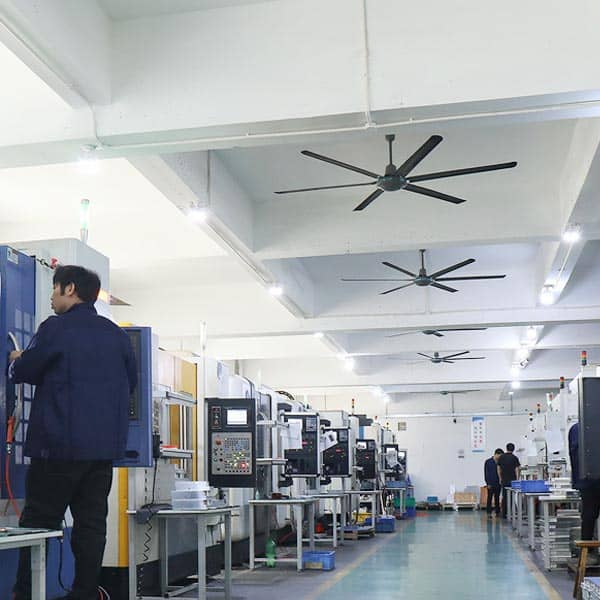
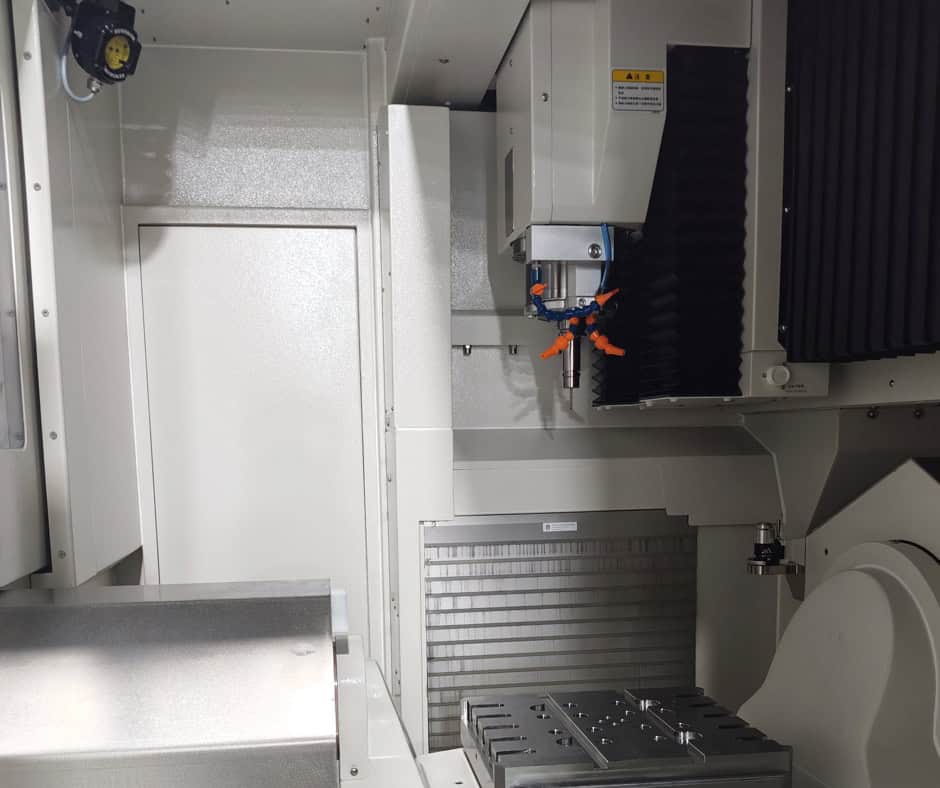
In the realm of industrial automation, the choice between CNC Machining and 3D Printing represents a fundamental decision between subtractive precision and additive flexibility. CNC (Computer Numerical Control) Machining is a subtractive manufacturing process where pre-programmed computer software dictates the movement of factory tools and machinery to cut away material from a solid block, achieving tight tolerances and superior surface finishes essential for high-speed robotic joints. Conversely, 3D Printing (Additive Manufacturing) builds parts layer-by-layer from digital models, allowing for complex internal geometries and rapid iteration that traditional cutting tools cannot achieve, making it ideal for custom end-effectors and lightweight housings. Understanding the distinct capabilities of each method is critical for engineers aiming to optimize robot performance, lifecycle costs, and time-to-market.
Table of Contents
Terminology, Standards, and Industry Designations
Navigating the technical landscape requires clarity on terminology, as these processes are often referred to by various names across different engineering disciplines. CNC Machining is frequently synonymous with subtractive manufacturing, milling, or turning, and its quality is often governed by standards such as ISO 2768 (general tolerances) or ASME Y14.5 (geometric dimensioning and tolerancing). On the other hand, 3D Printing is broadly categorized under Additive Manufacturing (AM), with specific technologies like FDM (Fused Deposition Modeling), SLA (Stereolithography), and SLS (Selective Laser Sintering) defined by standards like ASTM F2792 and ISO/ASTM 52900. It is crucial to note that while both produce “parts,” they are not interchangeable; a “CNC-milled aluminum bracket” and a “3D-printed nylon bracket” serve different structural roles despite potentially identical CAD designs. Confusing these terms in procurement specifications can lead to significant performance failures in automated systems.
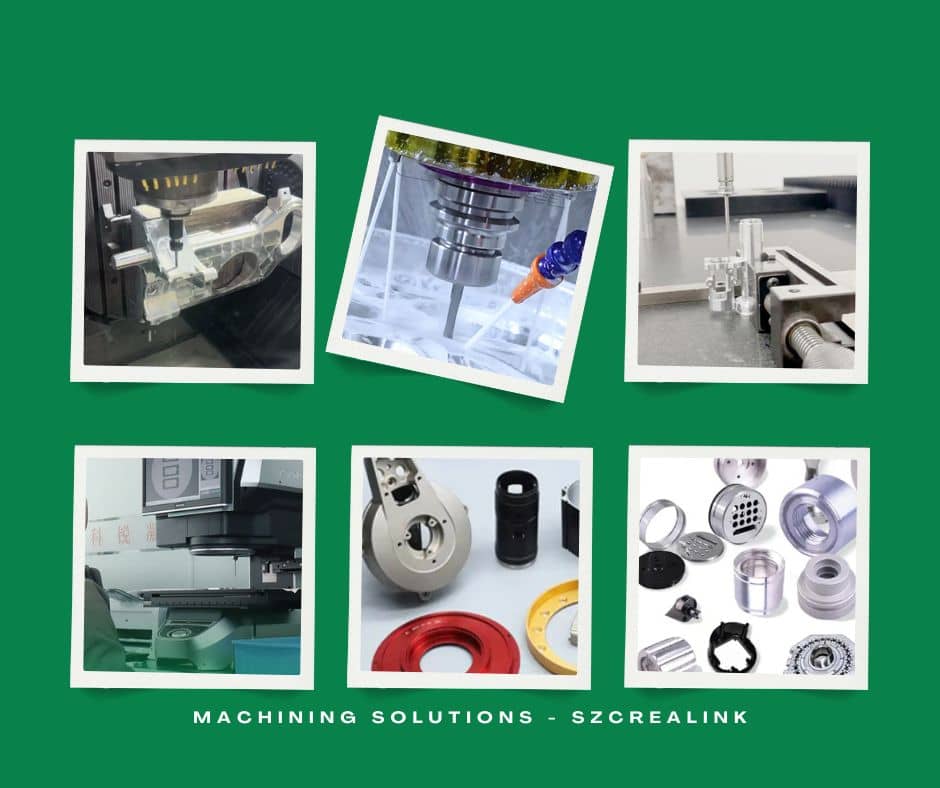
Core Performance Characteristics: Precision, Strength, and Speed
When selecting a manufacturing method for automation components, three key performance pillars dictate the decision: mechanical integrity, dimensional accuracy, and production agility.
•Mechanical Strength & Isotropy: CNC parts are carved from solid billets of metal or plastic, retaining the parent material’s isotropic properties (uniform strength in all directions). This is vital for robot arms subjected to high torque and vibration. In contrast, 3D printed parts can exhibit anisotropic behavior, meaning they may be weaker along the layer lines (Z-axis), which is a critical consideration for load-bearing joints.
•Dimensional Accuracy & Surface Finish: CNC machining consistently achieves tolerances within ±0.005 mm, providing the smooth surface finishes required for bearing seats and sealing surfaces without post-processing. While high-end industrial 3D printers are improving, they typically hold tolerances around ±0.1 mm to ±0.2 mm and often require secondary machining or smoothing for moving interfaces.
•Geometric Complexity & Weight: 3D printing excels where CNC fails, enabling the creation of internal lattice structures that reduce weight by up to 50% without sacrificing stiffness—a key factor for increasing robot speed and reducing energy consumption. CNC is limited by tool access; if a cutting tool cannot reach an area, that geometry cannot be machined.
CNC Machining vs. 3D Printing: Making the Right Call
The core difference lies in the trade-off between material performance/precision (CNC) and design freedom/speed (3D Printing).
CNC Machining is the superior choice when the application demands high structural integrity, tight tolerances for mating parts, or excellent thermal/electrical conductivity. It is the standard for producing robot gearboxes, motor mounts, and linear guide rails where even micron-level deviations cause wear or failure. However, it involves higher setup costs and material waste, making it less economical for very low-volume prototypes or highly complex, hollow structures.
3D Printing shines in scenarios requiring rapid prototyping, customization, and part consolidation. It is ideal for creating custom grippers (end-effectors) tailored to specific products on a conveyor belt, cable management brackets with complex routing, and lightweight drone frames for inspection robots. The cost per part remains relatively constant regardless of complexity, whereas CNC costs skyrocket with geometric intricacy.
Decision Guide:
•Choose CNC for: High-load structural components, parts requiring metal-to-metal fits, and production runs of 10+ units where unit cost drops significantly.
•Choose 3D Printing for: Prototypes, custom low-volume tooling, parts with internal channels or lattices, and urgent replacements where lead time is critical.
Manufacturing Realities and Processing Challenges
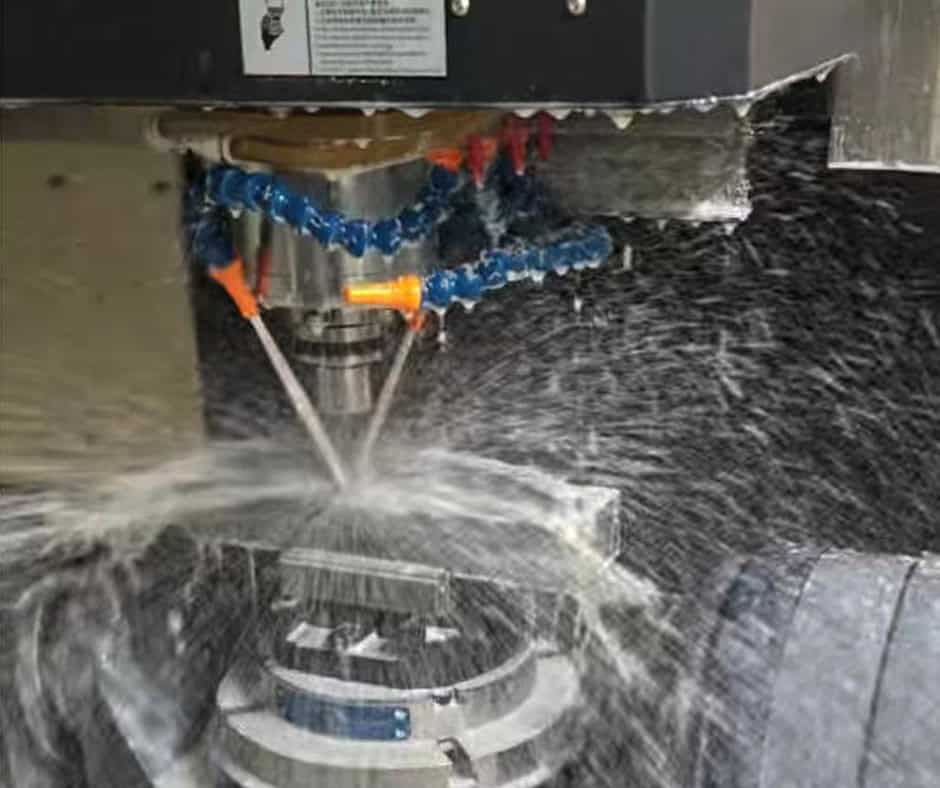
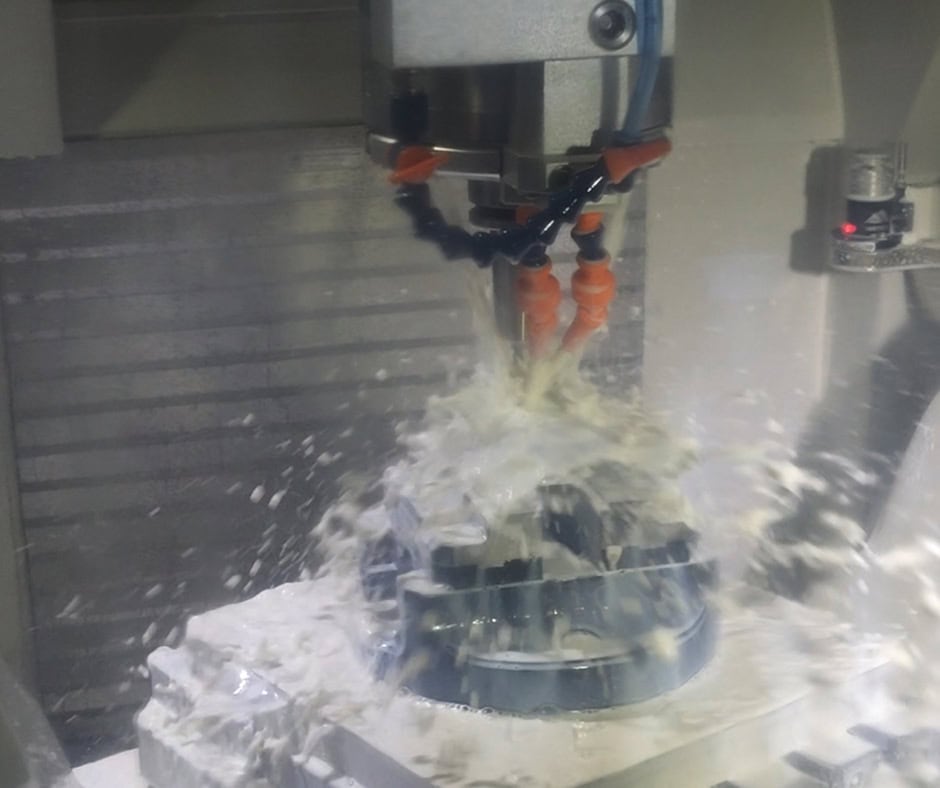
In practice, working with these technologies involves navigating specific fabrication hurdles that go beyond theoretical capabilities. With CNC Machining, the primary challenge is fixturing and tool access. Complex parts may require multiple setups and custom fixtures to hold the workpiece, increasing labor time and potential alignment errors. Experienced machinists must also account for tool deflection and heat generation, which can warp thin-walled automation components if not managed with proper coolant strategies and cutting speeds.
For 3D Printing, the challenges shift to orientation and support structures. The angle at which a part is printed determines its strength and surface quality; poor orientation can lead to delamination under stress. Support materials, necessary for overhanging features, must be removed manually or chemically, which can leave surface artifacts on critical mating faces. Furthermore, warping due to thermal contraction is common in large plastic prints, often requiring heated chambers or specialized adhesion techniques to ensure dimensional stability. A hybrid approach is increasingly common in advanced automation shops: 3D printing a near-net shape to save material and time, followed by CNC finishing on critical interfaces.
Applications Across the Automation Spectrum
The deployment of these manufacturing methods varies significantly across different functions within industrial automation:
•Robotic End-Effectors (Grippers): 3D printing dominates here, allowing engineers to create lightweight, conformal grippers that match the exact shape of irregular objects, reducing robot payload requirements.
•Motion Control Components: CNC machining is indispensable for lead screws, ball nut housings, and encoder mounts where micron-level precision ensures smooth, backlash-free motion.
•Safety Guarding & Enclosures: For custom safety cages around collaborative robots (cobots), 3D printing offers rapid design iterations to fit unique cell layouts, while CNC is used for the heavy-duty mounting plates that anchor these guards to the floor.
•Sensor Mounts & Cable Carriers: Complex cable management systems with integrated clips and swivels are often 3D printed to reduce assembly time, whereas the sensors themselves rely on CNC-machined housings for environmental protection and heat dissipation.
Cost Drivers and Procurement Strategy
Understanding the cost structure is essential for effective budgeting and procurement. For CNC Machining, the primary cost drivers are machine time, setup complexity, and material waste. High-performance alloys (like stainless steel or titanium) increase material costs, and complex geometries that require 5-axis machines or multiple setups significantly raise the price per unit. However, economies of scale apply; once the program is proven, the marginal cost per additional unit drops sharply.
For 3D Printing, costs are driven by print volume, material type, and post-processing labor. Unlike CNC, the complexity of the part has little impact on the price; a solid block and a complex lattice of the same bounding box cost roughly the same to print. Material costs for specialized engineering polymers (like PEEK or ULTEM) can be high. Procurement strategies should focus on volume: for batches under 10-20 units, 3D printing is often more cost-effective due to zero tooling costs. For hundreds or thousands of units, CNC becomes the economically viable option. Buyers should also factor in certification costs; CNC parts for critical safety applications often require material traceability reports (Mill Certs), which adds administrative overhead.
Frequently Asked Questions
1. Can 3D printed parts replace CNC machined parts in high-speed robots?
Generally, no for critical moving joints. While 3D printed parts are great for housings and grippers, they often lack the isotropic strength and tight tolerances required for high-speed, high-load bearings and gears found in robot arms.
2. Which method is faster for getting a prototype robot part?
3D printing is almost always faster for single prototypes, often delivering parts within 24-48 hours without the need for programming toolpaths or setting up fixtures, which can take days in CNC machining.
3. Is CNC machining too expensive for low-volume automation projects?
Not necessarily. For simple geometries or when using standard stock sizes, CNC can be competitive even for low volumes. Additionally, the superior durability of CNC parts may lower long-term maintenance costs compared to wearing 3D printed components.
4. What materials are best suited for each process in automation?
CNC excels with metals (Aluminum 6061/7075, Stainless Steel, Brass) and engineering plastics (Delrin, PEEK). 3D printing is best for polymers (ABS, Nylon, Polycarbonate, Resins) and increasingly for metals (Titanium, Aluminum) though metal 3D printing remains costly.
5. Can I combine both methods for a single robot component?
Yes, this is a growing trend. Engineers often 3D print the complex, lightweight body of a component and then use CNC to machine precise mounting holes or bearing seats, leveraging the strengths of both technologies.