Understanding CNC Machining and 3D Printing in Chemical & Petrochemical Applications
In chemical and petrochemical environments, manufacturing methods must meet strict requirements for durability, corrosion resistance, and precision. CNC machining and 3D printing are two widely used technologies for producing components used in these demanding conditions.
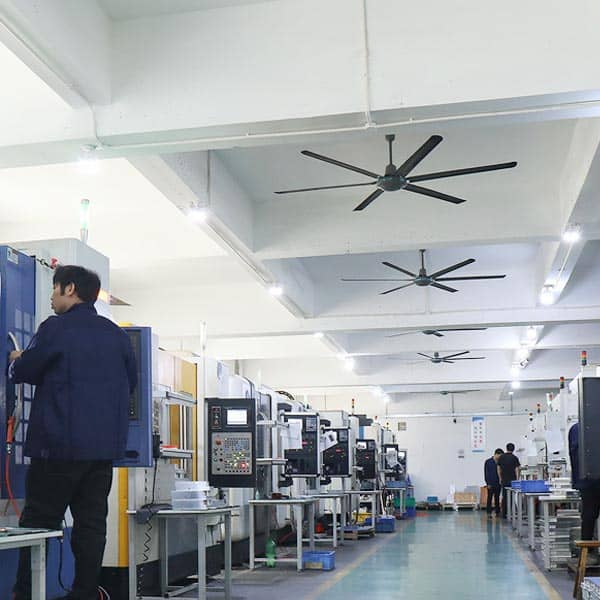
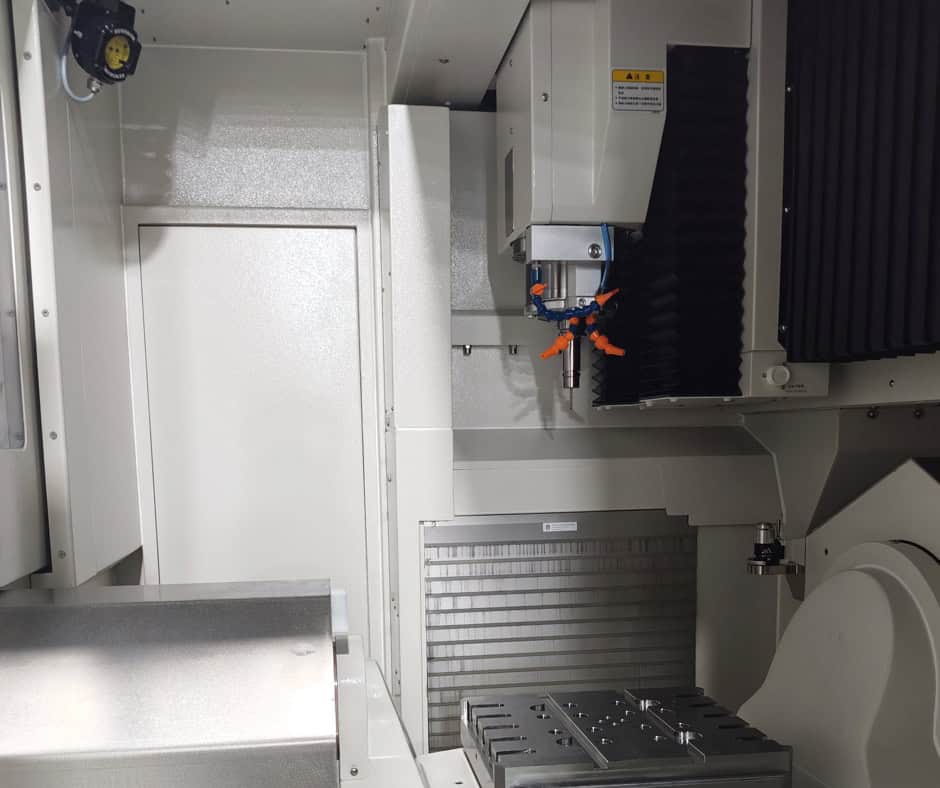
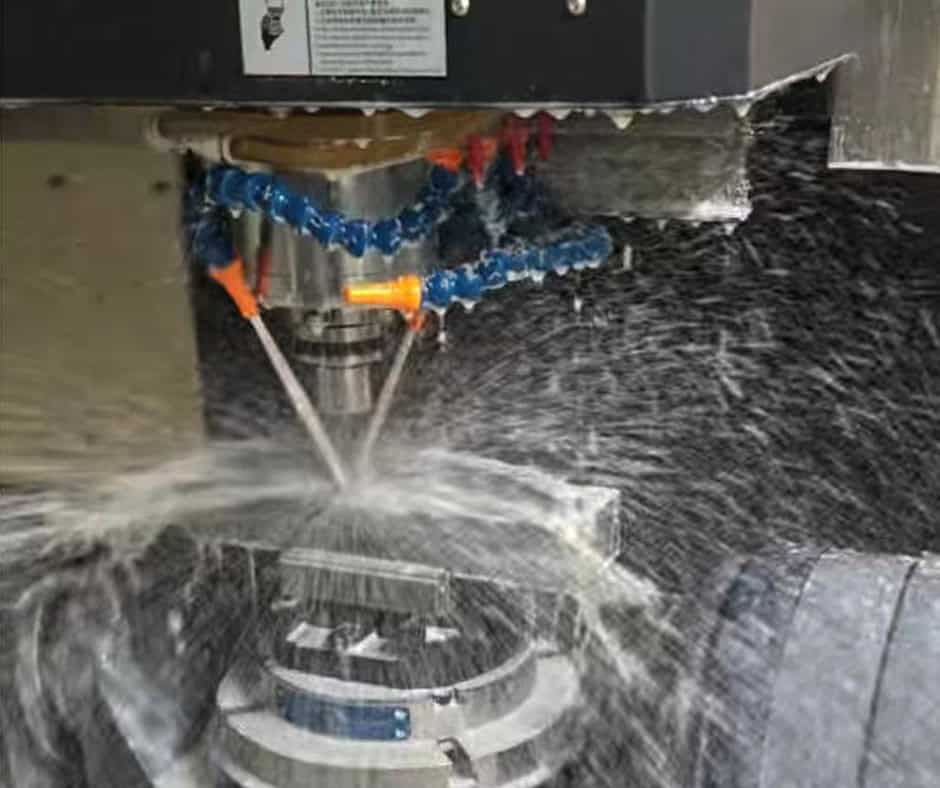
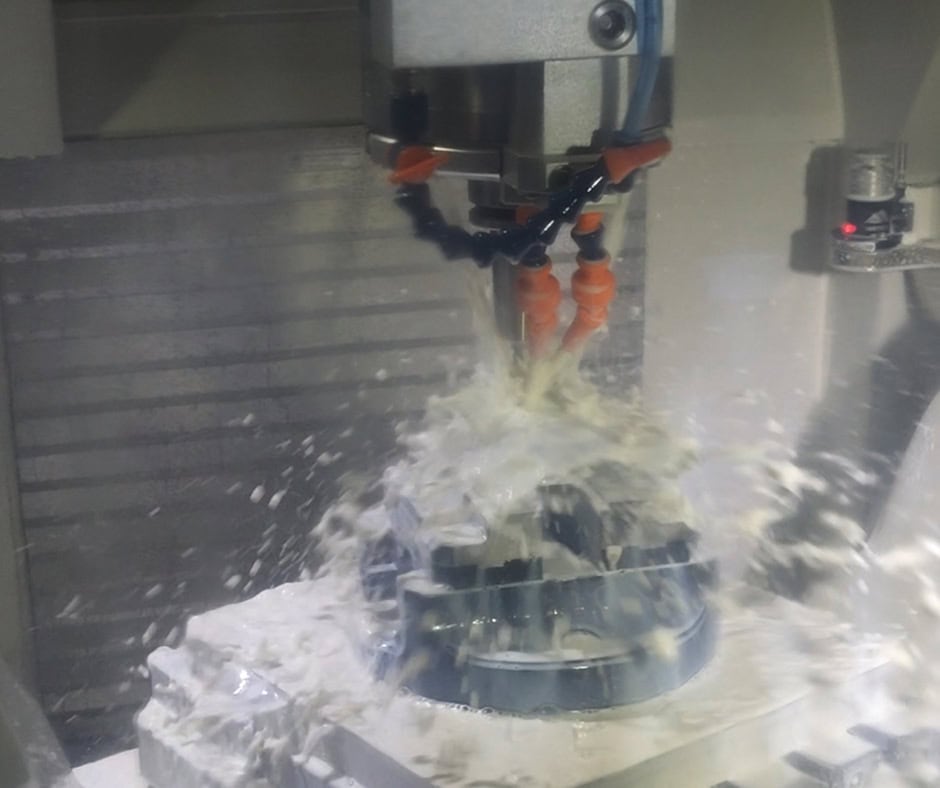
CNC machining is a subtractive process that removes material from solid blocks to create high-precision parts, while 3D printing is an additive process that builds components layer by layer. Both methods are used to produce parts such as valves, pump components, and fluid control systems, but they differ significantly in performance, cost, and application suitability.
Table of Contents
Industry Terminology, Standards, and Technical Definitions
In industrial practice, CNC machining is often referred to as precision machining, subtractive manufacturing, or multi-axis machining, depending on the complexity and equipment used. 3D printing is also known as additive manufacturing (AM), rapid prototyping, or layer manufacturing.
For the chemical and petrochemical sectors, both processes must comply with international standards such as:
•ASTM (material and process standards)
•ISO (quality management and manufacturing processes)
•ASME (pressure vessel and piping standards)
Different terms do not indicate different technologies but may reflect variations in processes, materials, or applications. For example, metal 3D printing (like SLM or DMLS) differs significantly from plastic-based printing in terms of performance and use cases.
Key Performance Characteristics in Harsh Industrial Environments
When selecting between CNC machining and 3D printing, performance characteristics are critical:
•Mechanical Strength
CNC machined parts typically offer superior strength and structural integrity, making them suitable for high-pressure and load-bearing applications such as pipelines and valves.
•Corrosion Resistance
Both methods can use corrosion-resistant materials like stainless steel or specialized alloys. However, CNC machining provides more consistent material properties due to solid stock usage.
•Thermal Stability
Components used in petrochemical environments often face high temperatures. CNC machining supports a wider range of heat-resistant metals compared to most 3D printing materials.
•Dimensional Accuracy
CNC machining achieves tighter tolerances, which is essential for sealing surfaces and precision assemblies.
•Design Flexibility
3D printing excels in producing complex geometries, especially internal channels or lightweight structures that are difficult to machine.
These properties directly impact safety, reliability, and maintenance cycles in industrial operations.
CNC Machining vs. 3D Printing: Which Is Better for Chemical Applications?
The main difference lies in reliability versus flexibility.
CNC machining is the preferred choice for critical components that require high strength, tight tolerances, and long-term durability. It is widely used for pressure-bearing parts, sealing components, and structural elements.
3D printing, on the other hand, is more suitable for rapid prototyping, custom geometries, and non-critical components. It reduces lead time during design validation and allows faster iteration.
In terms of cost, CNC machining is more economical for medium to large production runs, while 3D printing is cost-effective for low-volume or highly customized parts.
In practice, CNC machining is chosen when safety and performance are priorities, whereas 3D printing is selected for speed and design flexibility.
Manufacturing Considerations in Real-World Chemical Processing
In chemical and petrochemical manufacturing, production decisions go beyond theory.
In practice, CNC machining is often used for metals like stainless steel, duplex alloys, and titanium. These materials are difficult to process but essential for corrosion resistance. Machining requires careful control of cutting parameters to avoid tool wear and maintain surface integrity.
When working with 3D printing, challenges include material limitations, porosity, and post-processing requirements. For example, printed metal parts often require heat treatment or surface finishing to meet industry standards.
Another important factor is certification. CNC machined parts are easier to validate and certify for critical applications, while 3D printed components may face stricter qualification processes.
Applications Across Chemical & Petrochemical Industries
Both technologies are widely used, but their applications differ:
•Oil & Gas and Petrochemical Plants
CNC machining is used for valves, flanges, pump housings, and pressure components due to its reliability.
•Chemical Processing Equipment
Precision parts like seals, connectors, and flow control components are typically CNC machined for accuracy and durability.
•Maintenance and Repair (MRO)
3D printing is useful for quickly producing replacement parts or temporary solutions when original components are unavailable.
•Custom Equipment Design
3D printing enables rapid prototyping of complex fluid channels or experimental components.
•Laboratory and Testing Equipment
Both methods are used depending on the required precision and complexity.
Each method supports different stages of the product lifecycle, from design to production and maintenance.
Cost Drivers and Procurement Considerations
Several factors influence the cost of CNC machining and 3D printing:
•Material Type
High-performance alloys significantly increase cost, especially in CNC machining.
•Part Complexity
Complex geometries increase machining time but may favor 3D printing.
•Production Volume
CNC machining becomes more cost-effective as volume increases, while 3D printing suits low-volume production.
•Post-Processing Requirements
Surface finishing, heat treatment, and inspection add to overall cost.
•Certification and Quality Requirements
Parts used in chemical industries often require strict compliance, affecting both cost and lead time.
Common product forms include machined blocks, turned parts, printed prototypes, and hybrid components combining both technologies.
FAQs About CNC Machining vs. 3D Printing in Chemical & Petrochemical
1. Which process is more reliable for critical chemical equipment?
CNC machining is generally more reliable due to its consistent material properties and high precision. It is preferred for pressure-bearing and safety-critical components.
2. Can 3D printed parts be used in petrochemical environments?
Yes, but mostly for non-critical applications or prototyping. Metal 3D printing can be used, but it often requires additional validation and post-processing.
3. Is CNC machining more expensive than 3D printing?
It depends on volume and complexity. CNC machining is cost-effective for larger batches, while 3D printing is better for small quantities or complex designs.
4. What materials are commonly used in these industries?
Common materials include stainless steel, titanium, and corrosion-resistant alloys. 3D printing also uses specialized powders and engineering plastics.
5. How do I choose the right process for my project?
Consider factors such as performance requirements, budget, lead time, and certification needs. For critical parts, CNC machining is usually the safer option.