CNC Machining Services Cost Overview
Understanding the cost structure behind CNC machining services is essential for anyone running, sourcing, or managing a manufacturing business. Whether you are a factory or a trading company, a clear overview of pricing helps you quote accurately, stay competitive, and maintain healthy margins. This article breaks down the major factors that influence machining cost and explains how industry players typically price their services.
Table of Contents
1. The Foundation of CNC Machining Costs
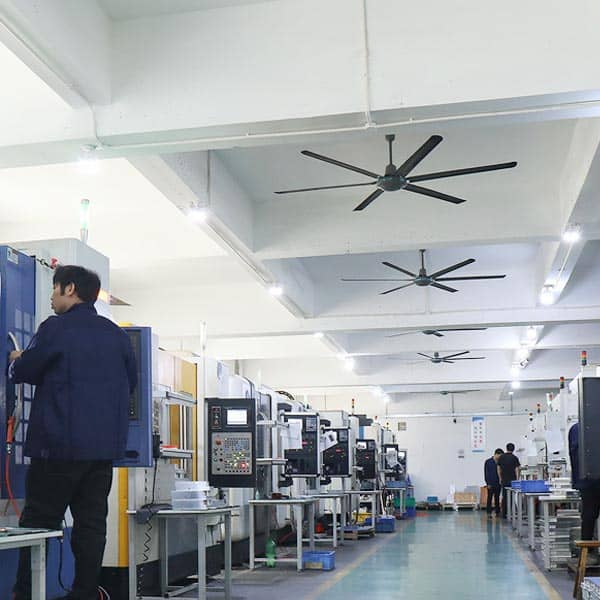
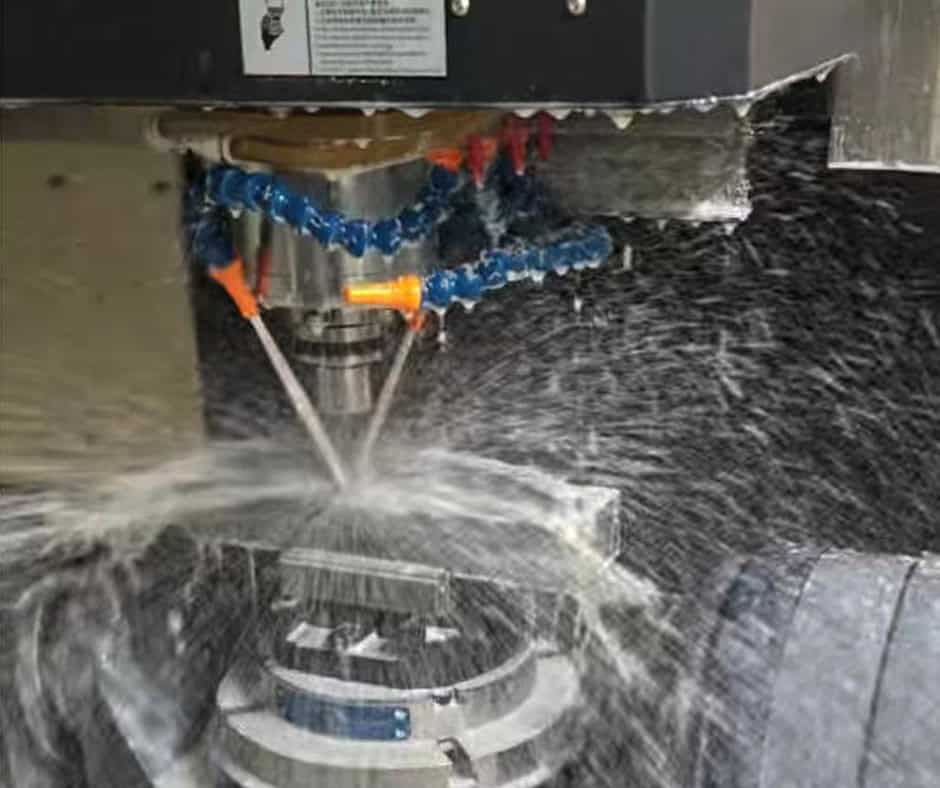
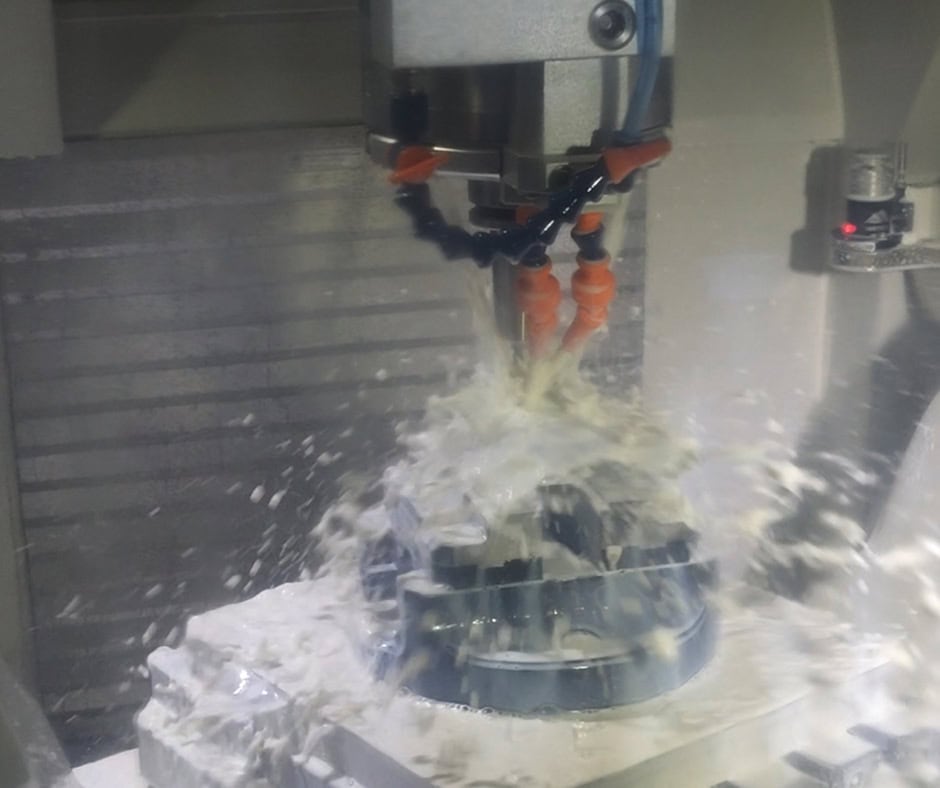
Unlike mass-production methods such as injection molding, CNC machining is a process where cost is closely tied to machine time. The longer a component stays on the machine, the higher the cost. However, machining time is only part of the story – material, complexity, tooling, and finishing all contribute to the final price.
2. Key Factors That Influence CNC Machining Pricing
2.1 Machining Time
Machining time is usually the largest cost component.
It depends on:
Cutting speed and toolpath strategy
Number of setups
Tolerances and required accuracy
Manual labor involved in inspection or rework
Parts with deep pockets, thin walls, or tight tolerances may take significantly longer to produce, and that time directly increases the overall cost.
2.2 Material Selection
Material cost includes both raw material price and machinability.
For example:
Aluminum alloys (6061, 6082, 7075) are easy to cut and cost-efficient.
Stainless steel requires slower cutting speeds and wears tools faster.
Titanium, copper, and tool steels often multiply machining time due to hardness or heat generation.
Plastics are cheaper but may require careful fixturing to prevent deformation.
In short, the same design can cost two to three times more depending on the material specified.
2.3 Part Complexity
Complexity affects cost through:
The number of machining faces
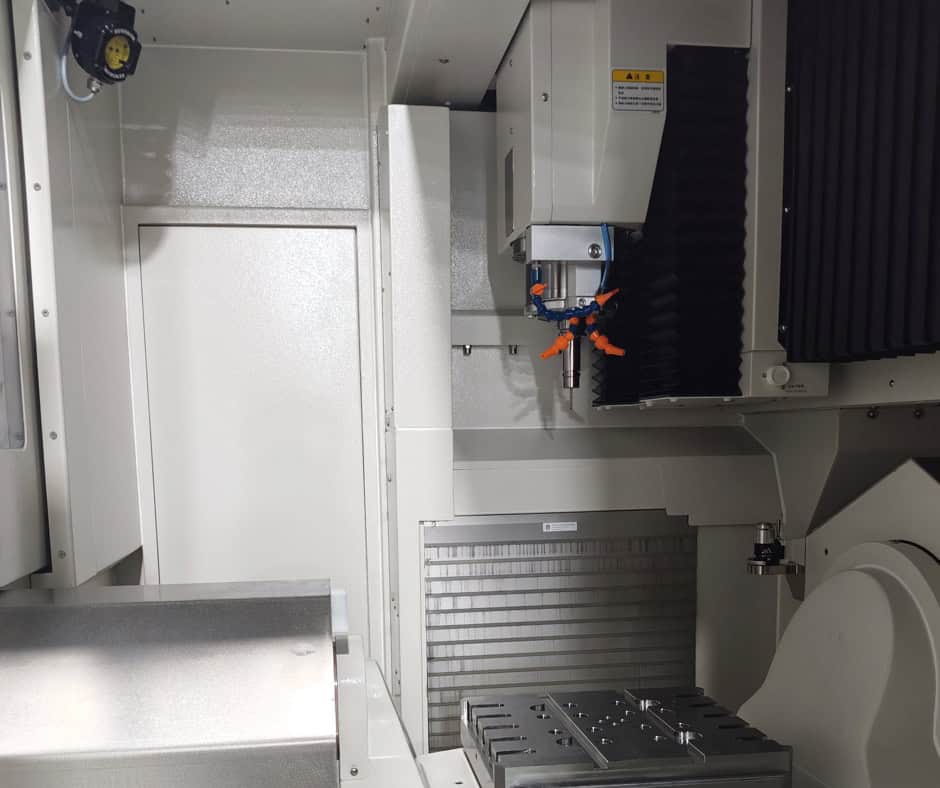
Required 3-axis, 4-axis, or 5-axis operations
Undercuts that require special tooling
Small features that take extra micro-machining time
Additional fixturing or custom jigs
A simple bracket might need a single fixture setup, while a precision aerospace component could require multiple fixtures and orientation changes – each adding time and cost.
2.4 Surface Finishing
Finishing processes such as:
Anodizing
Powder coating
Sandblasting
Polishing
Heat treatment
These steps often require extra handling, batch processing, and quality control. While each individual finish may not seem expensive, together they can become a significant part of the overall quotation.
2.5 Quantity and Production Strategy
CNC machining is ideal for low to medium-volume production. Pricing per unit usually decreases when:
Tooling and programming cost is amortized
Setup frequency is reduced
Material can be purchased in larger batches
However, the cost curve remains flatter compared to mass production, as machining still requires the same precision and cycle time per piece.
3. How Trading Companies Price CNC Machining Services
In the global machining business, trading companies play an important role by integrating sourcing, communication, and quality control. Their pricing model is generally straightforward:
Typical margin: 10%–30%, depending on project size, risk, and service scope.
Higher margins may apply when:
Design assistance is required
Suppliers need close monitoring
Materials or tolerances involve higher risk
End customers require detailed documentation or compliance
Lower margins are common for repeat orders or straightforward components.
4. What Buyers Should Expect From a Transparent Quotation
A professional CNC machining quotation typically includes:
Material grade and cost
Machine type (3-axis/4-axis/5-axis)
Estimated machining hours
Finishing details
Tolerance requirements
Inspection/quality control cost
Packaging and logistics options
Clear breakdowns not only build trust but also help customers optimize their design to reduce unnecessary cost.
5. Conclusion
CNC machining pricing is influenced by a combination of time, material, complexity, finishing, and production scale. For trading companies, adding a 10–30% profit margin is standard practice in the market, reflecting the value of project management and risk control.
Understanding these cost drivers allows businesses to quote accurately, communicate clearly with customers, and maintain a competitive advantage in the global machining industry.