CNC Machining Materials Explained
To help you make informed decisions, this guide breaks down the most commonly used metals and plastics in CNC machining – what they are, why they’re used, and when to choose each.
Table of Contents
1. Metals Used in CNC Machining
Metals remain the top choice for applications that require high strength, heat resistance, electrical conductivity, or long-term durability.
1.1 Aluminum
Advantages:
Excellent strength-to-weight ratio
Fast machining speeds
Natural corrosion resistance
Ideal for anodizing
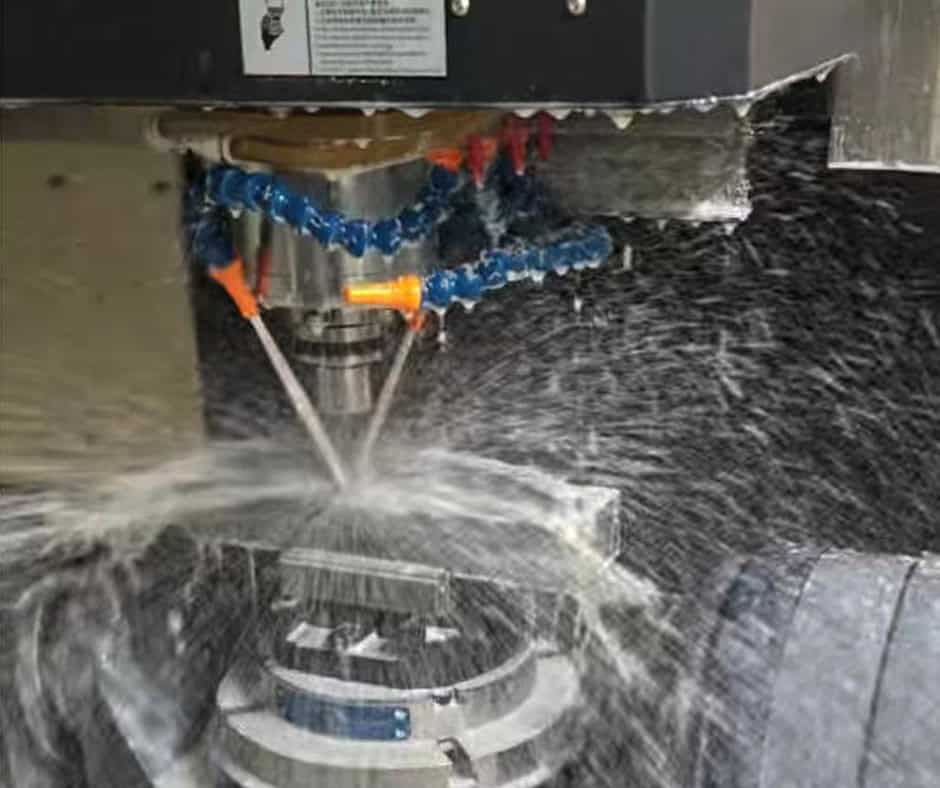
Why choose it: Aluminum is the most widely used CNC metal thanks to its balance of cost, machinability, and performance.
1.2 Stainless Steel
Best for: Medical devices, food-grade equipment, high-strength components
Advantages:
High corrosion and heat resistance
Strong and durable
Good appearance
Suitable for harsh environments
Why choose it: When reliability and wear resistance matter, stainless steel is a top choice.
1.3 Carbon Steel
Best for: Structural parts, mechanical components, industrial tools
Advantages:
High strength and toughness
Lower cost than stainless steel
Excellent for hardened or heat-treated parts
Why choose it: Carbon steel is ideal for durable, function-first components where appearance is secondary.
1.4 Brass
Advantages:
Excellent machinability
Corrosion resistance
Smooth surface finish
Electrical conductivity
Why choose it: Brass cuts cleanly and offers a premium appearance, making it great for both mechanical and aesthetic applications.
1.5 Copper
Advantages:
Outstanding electrical and thermal conductivity
Antibacterial properties
Good corrosion resistance
Why choose it: Copper is chosen when conductivity and thermal performance are critical.
1.6 Titanium
Advantages:
Very high strength-to-weight ratio
Excellent corrosion resistance
Biocompatible
Why choose it: Titanium is the go-to material for high-performance applications, though it is more challenging and costly to machine.
2. Plastics Used in CNC Machining
2.1 ABS
Advantages:
Low cost
Easy to machine
Good toughness
Why choose it: ABS is perfect for quick, affordable prototypes with good strength.
2.2 POM (Acetal/Delrin)
Advantages:
Low friction
High stiffness
Excellent dimensional stability
Why choose it: POM is ideal for precision components that require smooth movement.
2.3 PC (Polycarbonate)
Advantages:
High strength
Heat resistance
Optical clarity
Why choose it: PC works well when you need tough, transparent, or protective components.
2.4 Nylon
Advantages:
High toughness
Good abrasion resistance
Low friction
Why choose it: Nylon shines in applications with repetitive motion or sliding surfaces.
2.5 PE (Polyethylene)
Best for: Lightweight parts, chemical-resistant components
Advantages:
Very low weight
Good chemical resistance
Low moisture absorption
Why choose it: Great for tanks, spacers, and simple functional parts.
2.6 PEEK
Best for: Aerospace, medical, and high-temperature engineering
Advantages:
Exceptional heat resistance
Very high strength
Chemical resistance
Biocompatible
Why choose it: PEEK is the premium choice for high-performance plastic parts.
2.7 Acrylic (PMMA)
Best for: Transparent covers, displays, optical parts
Advantages:
Excellent clarity
Good hardness
Easy finishing and polishing
Why choose it: Acrylic is the cost-effective alternative to glass for transparent CNC parts.
Final Thoughts
Material selection determines how your CNC-machined part performs, looks, and lasts. Whether you need strength, flexibility, chemical resistance, or premium appearance, both metals and plastics offer solutions tailored to your application.
Choosing the right material – and the right manufacturing partner – ensures your project meets its functional, aesthetic, and budget requirements.