What Is C45 Steel?
C45 steel is a medium-carbon steel grade widely used in mechanical engineering and general industrial manufacturing. It typically contains around 0.45% carbon, which provides a balance between strength, hardness, and machinability.
Unlike low-carbon steels, C45 steel can be heat treated to improve its mechanical properties, making it suitable for shafts, gears, bolts, and structural components that require higher strength. It is commonly supplied in normalized or hot-rolled condition and is valued for its versatility in both machining and heat treatment applications.
Table of Contents
Naming, Standards & Common Terms
C45 steel is defined under European standards and has several international equivalents.
Common Designations
•EN C45 (1.0503)
•DIN C45
•ISO C45
•AISI 1045 (U.S. equivalent)
•SAE 1045
•JIS S45C (Japanese equivalent)
Relevant Standards
EN 10083-2 – Quenched and tempered steels
ASTM A29 – Carbon steel bars
DIN 17200 – Heat-treatable steels
Although C45, 1045, and S45C are considered equivalent grades, minor variations in chemical composition and mechanical properties may exist depending on the standard and supplier.
C45 steel should not be confused with low-carbon grades such as C20 or high-carbon steels like C60, which differ significantly in hardness and heat treatment capability.
Key Properties & Performance Characteristics
C45 steel is selected for its balanced strength and processing flexibility.
Moderate to High Strength
Higher carbon content increases tensile strength compared to mild steel.
Why it matters:
Suitable for load-bearing shafts and machine components.
Heat Treatable
Can be quenched and tempered to increase hardness.
Why it matters:
Allows customization of mechanical properties based on application requirements.
Good Machinability
Machines well in normalized condition.
Why it matters:
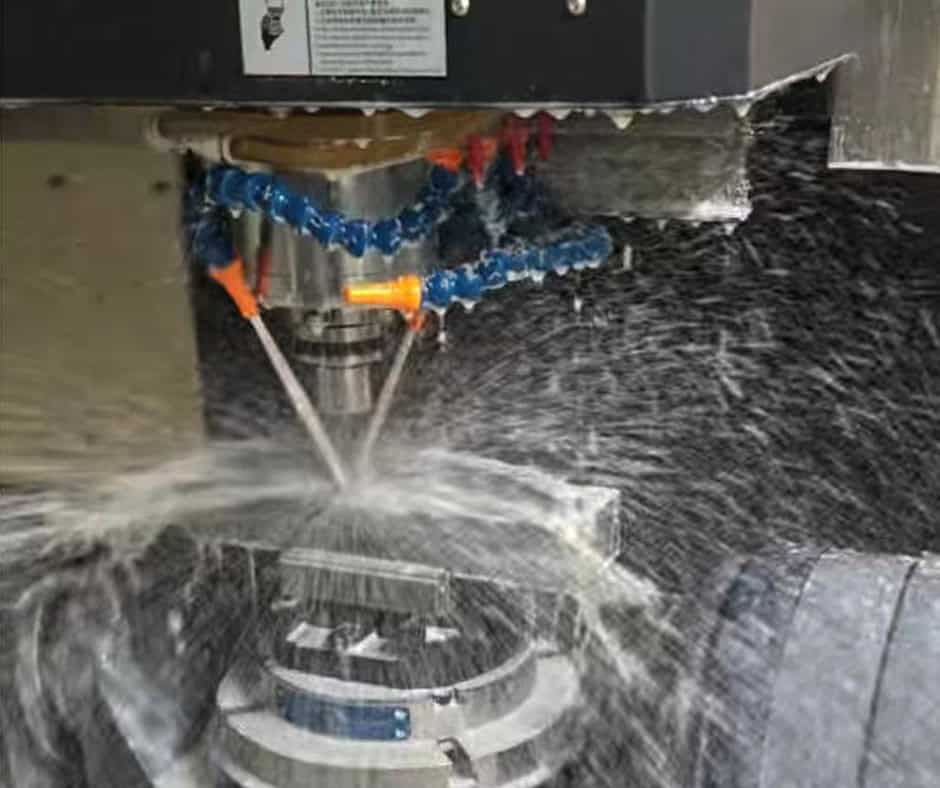
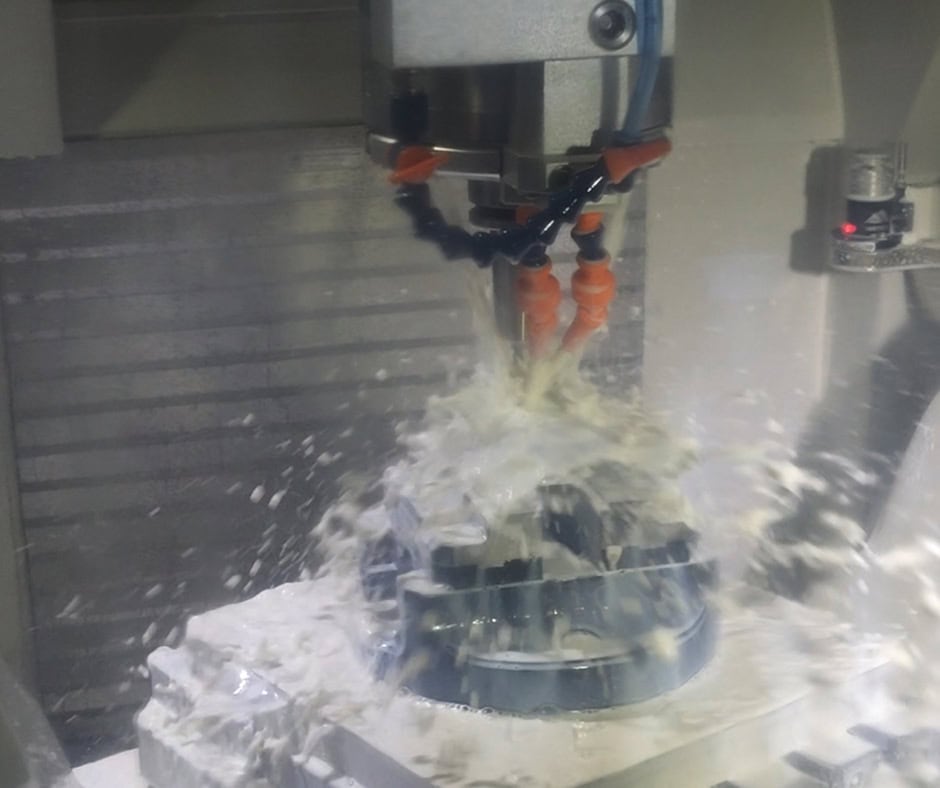
Efficient for CNC machining and precision component manufacturing.
Wear Resistance
Improved surface hardness after heat treatment.
Why it matters:
Useful for parts subjected to friction and mechanical contact.
Limited Corrosion Resistance
As a carbon steel, it is prone to rust without protective coating.
Why it matters:
Surface treatment or painting may be required in exposed environments.
C45 Steel vs 1045 Steel
C45 steel and 1045 steel are generally considered equivalent under European and American standards.
Composition
Both contain approximately 0.45% carbon.
Mechanical Performance
Similar tensile strength and hardenability when heat treated under comparable conditions.
Application Scope
Both are used for shafts, gears, and mechanical components.
Cost
Pricing differences usually depend on regional availability rather than performance differences.
In most engineering applications, selecting between C45 and 1045 depends on local standard requirements rather than technical differences.
Manufacturing, Processing & Practical Considerations
C45 steel offers flexibility in machining and heat treatment.
Machining
In practice, C45 machines efficiently in normalized condition. However, after quenching and tempering, hardness increases and machining becomes more difficult.
Heat Treatment
Typical processes include:
•Normalizing
•Quenching
•Tempering
Proper temperature control is essential to avoid cracking during quenching.
Welding
Welding is possible but requires preheating due to medium carbon content to prevent cracking.
Surface Hardening
Can be induction hardened for improved surface wear resistance while maintaining a tough core.
Selecting the correct heat treatment condition is critical for achieving desired mechanical performance.
Typical Applications & Industries
C45 steel is widely used across mechanical and structural industries.
Mechanical Engineering
Shafts, axles, pins, and gears requiring moderate strength.
Automotive
Engine components and transmission parts.
Industrial Machinery
Couplings, spindles, and machine frames.
Construction Equipment
Load-bearing mechanical components.
Its balance of strength, machinability, and heat treatment capability makes it suitable for general-purpose mechanical parts.
Cost, Forms & Procurement Considerations
Several factors influence C45 steel procurement decisions.
Product Forms
Common supply forms include:
•Round bar
•Flat bar
•Plate
•Forged components
Heat Treatment Condition
Quenched and tempered material typically costs more than normalized or hot-rolled steel.
Order Volume
Bulk purchasing reduces per-unit cost.
Certification
Material test certificates may be required for industrial or automotive use.
C45 steel is generally more affordable than alloy steels while offering improved strength over mild steel, making it a cost-effective engineering material.
FAQs About C45 Steel
1. Is C45 steel the same as 1045 steel?
Yes, C45 and 1045 are considered equivalent grades under European and American standards.
2. Can C45 steel be hardened?
Yes. It can be quenched and tempered to increase hardness and strength.
3. Is C45 steel weldable?
It can be welded, but preheating is recommended to reduce the risk of cracking.
4. Does C45 steel rust?
Yes. As a carbon steel, it requires protective coating in corrosive environments.
5. What is C45 steel used for?
It is commonly used for shafts, gears, axles, and mechanical components requiring moderate to high strength.