Business Positioning for CNC Machining Services
In the CNC machining industry, technical skills and machine capabilities are essential—but they are only part of what determines business success. A more strategic factor is business positioning: how you define your service focus, the type of customers you serve, and the value you promise. Clear positioning helps customers quickly understand whether you are the right supplier for their project, while also giving your team direction for marketing, investment, and long-term planning.
Most CNC service providers fall into one or more of the following categories:
Prototype machining
Small-batch production
Fully customized machining
Assembly + machining solution provider
Each path comes with its own advantages, customer types, and operational requirements. You can focus on one specialization—or combine them to build a broader service offering.
Table of Contents
1. Prototype Machining: Speed and Flexibility First
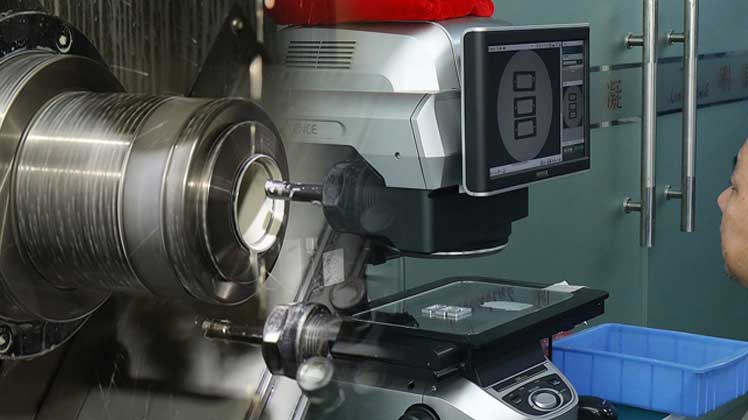
Prototype machining focuses on producing early-stage product samples, engineering test pieces, and one-off precision parts. Customers in this segment prioritize responsiveness and accuracy above everything else.
Core characteristics of this positioning:
Extremely fast turnaround
High tolerance precision
Ability to manage frequent design changes
Strong communication with engineers and designers
Customer types:
Startups, R&D teams, product design companies, robotics developers, and industries where rapid iteration is common.
Why choose this positioning?
Prototype machining generates high-margin orders and builds early trust. Many long-term production projects begin with a successful prototype collaboration.
2. Small-Batch Production: Stable Quality and Repeatability
Small-batch production serves customers who have verified their designs and now need consistent, repeatable manufacturing without committing to mass-production molds.
Key advantages:
Consistent tolerance control
Predictable lead times
Better cost-performance ratio than single prototypes
Smooth workflow for recurring orders
Customer types:
Scaling hardware companies, aftermarket parts brands, industrial machine makers, and businesses producing multiple product variations.
Why choose this positioning?
Small batches offer reliable revenue and long-term partnerships—customers often reorder every few weeks or months.
3. Fully Customized Parts: High-Complexity, High-Value Work
A fully customized parts provider specializes in low-volume, precision-critical, or technically challenging machining tasks.
This positioning highlights your ability to:
Work with complex geometries or deep cavities
Handle exotic materials (titanium, Inconel, engineering plastics, etc.)
Operate advanced multi-axis machining centers
Provide detailed engineering support
Customer types:
Aerospace contractors, automotive R&D, medical device companies, industrial automation, and specialty equipment manufacturers.
Why choose this positioning?
This segment commands premium pricing. Customers value your engineering expertise as much as the final part itself.
4. Assembly + Machining Solution Provider: One-Stop Manufacturing
Instead of providing only CNC parts, some companies position themselves as total solution providers—offering machining, sourcing, assembly, inspection, and packaging under one umbrella.
Strengths of this positioning:
Simplifies the supply chain for customers
Reduces their workload on procurement and coordination
Increases the value of each project
Strengthens long-term retention
Customer types:
Automation integrators, equipment manufacturers, consumer electronics brands, and companies needing ready-to-install modules.
Why choose this positioning?
You evolve from a part supplier into a manufacturing partner—making the relationship more stable and profitable.
5. Choosing Your Position—or Combining Them
Most CNC companies eventually blend multiple positioning strategies. Your choice should depend on:
Machine capability
Team skill level
Customer type
Market demand
Operational strengths
Common and effective combinations include:
✔ Prototype Machining + Small-Batch Production
Ideal for supporting customers from early-stage development through small-scale commercialization.
✔ Custom Parts + Assembly Solutions
A strong choice for high-value industries requiring integrated components.
✔ Full-Service Model (Prototype → Production → Assembly)
Premium positioning for companies aiming to become long-term strategic suppliers.
The key is consistency. Customers should clearly understand your strengths from your website, quotations, and communication style.
6.Conclusion: Positioning Shapes Your Long-Term Success
Business positioning is not simply a description of what you can do—it’s the foundation of how you compete in the CNC machining market. Whether you emphasize rapid prototyping, reliable small-batch production, technically demanding custom parts, or comprehensive assembly solutions, your positioning should reflect your capabilities and the needs of your ideal customers.
Clear positioning helps customers recognize your value quickly, increases trust, and guides your company toward sustainable growth.