What Is AISI 304 Stainless Steel?
AISI 304 stainless steel is one of the most widely used austenitic stainless steels in engineering and manufacturing. It belongs to the 300-series stainless steel family and is primarily composed of iron with significant amounts of chromium and nickel, which provide excellent corrosion resistance and good mechanical properties.
In practical terms, AISI 304 stainless steel is valued for its balance of strength, formability, weldability, and resistance to oxidation and corrosion. Because of these characteristics, it is commonly used in food processing equipment, chemical containers, architectural components, and many precision-machined parts across multiple industries.
Table of Contents
Industry Designations and Equivalent Standards
AISI 304 stainless steel is known by several different names depending on the international standard or regional specification being used. Although the material composition is essentially the same, the designation can vary across standards organizations.
Common equivalent standards include:
•ASTM A240 / ASTM A276 – Type 304
•UNS S30400 (Unified Numbering System)
•EN 1.4301 (European standard)
•JIS SUS304 (Japanese Industrial Standard)
•ISO X5CrNi18-10
These different designations refer to the same base material with similar chemical composition and performance characteristics. In most industrial contexts, AISI 304, SUS304, and EN 1.4301 are considered equivalent grades.
It is also important to distinguish AISI 304 from closely related materials such as 304L or 304H, which differ mainly in carbon content and are used in specialized applications requiring improved weldability or high-temperature performance.
Key Properties and Performance Characteristics
AISI 304 stainless steel is popular because it offers a balanced combination of mechanical strength, corrosion resistance, and manufacturability.
Corrosion Resistance
The high chromium content (around 18–20%) forms a passive oxide layer that protects the metal from rust and many chemical environments. This makes it suitable for food processing, water handling, and general outdoor use.
Mechanical Strength
Although not a hardened steel, AISI 304 provides good tensile strength and toughness. It maintains structural integrity under moderate mechanical loads and impact conditions.
Excellent Formability
AISI 304 can be easily formed into complex shapes through bending, stamping, and deep drawing processes. This property is valuable in manufacturing components such as tanks, panels, and housings.
Weldability
This grade welds well with most conventional welding methods without requiring extensive post-treatment, which simplifies fabrication.
Temperature Resistance
AISI 304 performs well in both low-temperature and moderately high-temperature environments, maintaining good oxidation resistance up to around 870°C in intermittent service.
AISI 304 vs AISI 316 Stainless Steel
AISI 304 and AISI 316 are both austenitic stainless steels and share many similarities, but their performance differs in certain environments.
The primary difference is that AISI 316 contains molybdenum, which significantly improves resistance to chlorides and harsh chemical environments. Because of this, 316 stainless steel performs better in marine or highly corrosive industrial settings.
From a cost perspective, AISI 304 is generally more economical because it does not contain molybdenum. For applications involving general corrosion resistance, structural components, and indoor environments, 304 is usually the preferred option.
In contrast, engineers often choose AISI 316 for environments involving saltwater, aggressive chemicals, or pharmaceutical processing equipment.
Manufacturing and Machining Considerations
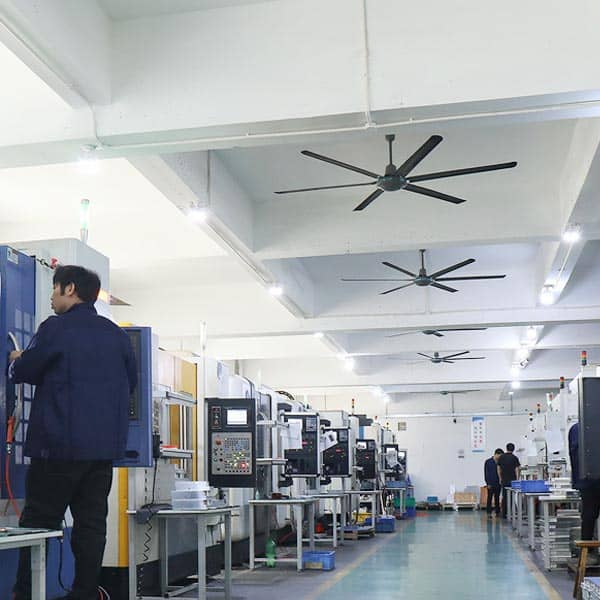
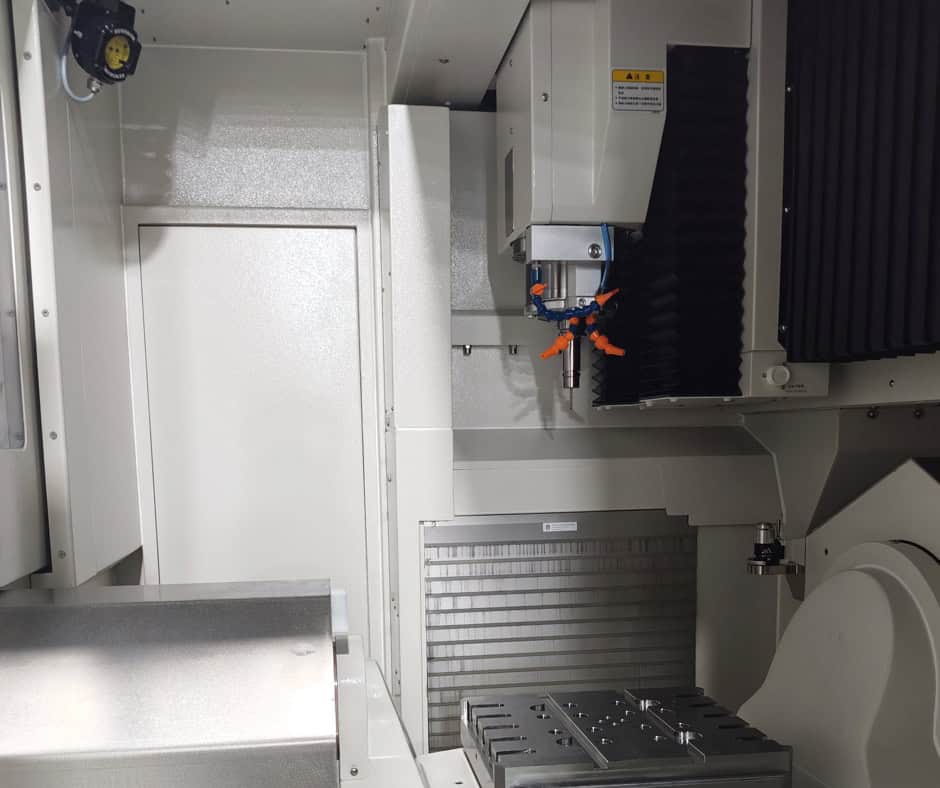
AISI 304 stainless steel is widely used in fabrication and machining, but it requires specific process considerations due to its material characteristics.
Machining Behavior
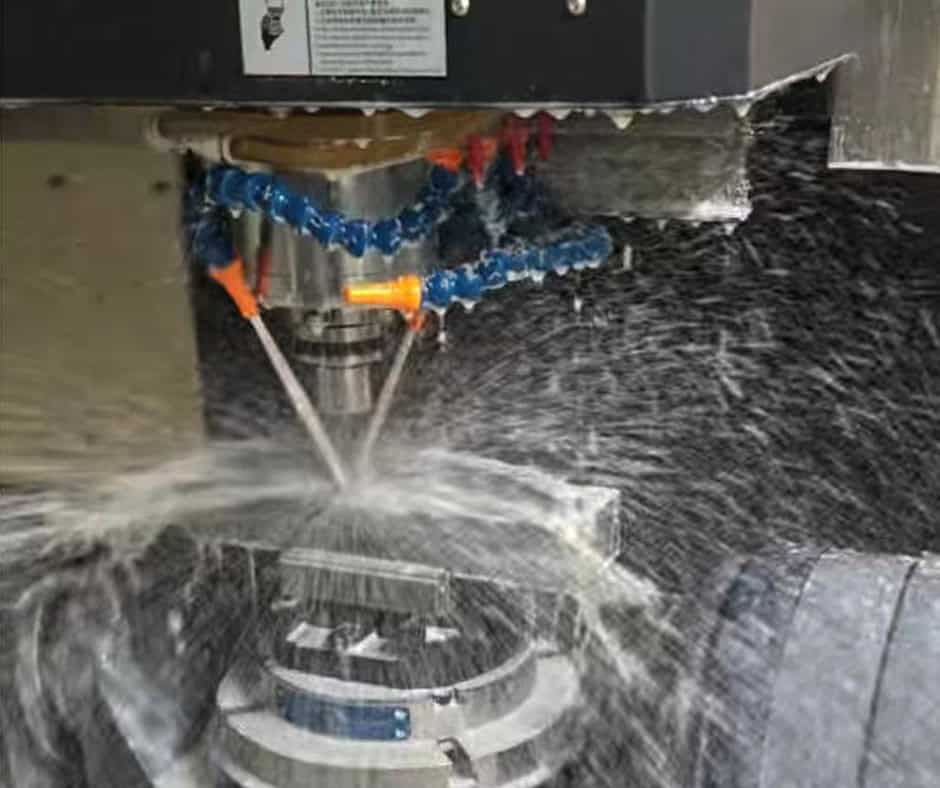
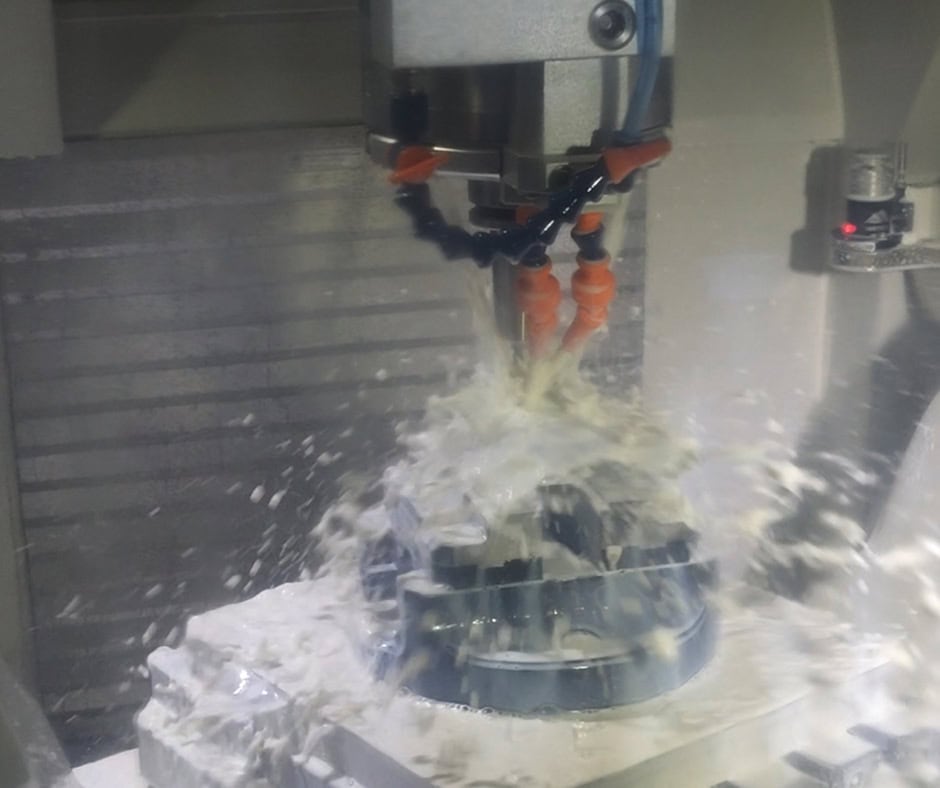
AISI 304 tends to work-harden during machining operations. In practice, this means cutting tools must remain sharp and cutting speeds should be carefully controlled to prevent excessive tool wear.
Forming Processes
Cold forming operations such as bending, rolling, and stamping are commonly used with this material. Its ductility allows it to be shaped into complex parts without cracking.
Welding
Most standard welding processes, including TIG and MIG welding, are suitable for AISI 304. Proper heat control is important to avoid distortion or excessive grain growth.
Surface Finishing
Surface treatments such as polishing, brushing, or passivation are often applied to enhance corrosion resistance and aesthetic appearance.
Typical Applications and Industry Use
AISI 304 stainless steel is used across a wide range of industries due to its versatility and reliability.
Food and Beverage Industry
Food processing machinery, kitchen equipment, and storage tanks frequently use AISI 304 because it resists corrosion and is easy to clean.
Chemical Processing Equipment
Many containers, pipelines, and heat exchangers are made from this material when exposure to moderate chemicals is expected.
Architecture and Construction
Handrails, decorative panels, and structural fittings often utilize AISI 304 for its durability and visual appearance.
Automotive and Transportation
Components such as exhaust parts, brackets, and fasteners may use AISI 304 where corrosion resistance is required.
Medical and Laboratory Equipment
The hygienic properties of stainless steel make it suitable for instruments, sterilization equipment, and laboratory fixtures.
Cost Factors and Material Procurement
The cost of AISI 304 stainless steel depends on several practical factors related to material supply and processing.
Raw Material Prices
Fluctuations in the global prices of nickel and chromium directly affect the cost of stainless steel production.
Material Form
AISI 304 is available in multiple forms such as sheets, plates, bars, tubes, pipes, and machining billets. Each form has different manufacturing and processing costs.
Processing Requirements
Additional operations like precision machining, surface finishing, or heat treatment can increase the overall cost of a component.
Order Volume
Large production runs generally reduce the per-unit price due to economies of scale.
Certification and Quality Standards
Certain industries require specific certifications or material traceability, which can also influence procurement costs.
FAQs About AISI 304 Stainless Steel
1. Is AISI 304 stainless steel rust-proof?
AISI 304 stainless steel has strong corrosion resistance due to its chromium content, which forms a protective oxide layer. However, it is not completely rust-proof under extreme conditions such as high chloride exposure or prolonged moisture without maintenance.
2. What is the difference between 304 and 304L stainless steel?
The main difference lies in the carbon content. 304L contains lower carbon, which reduces the risk of carbide precipitation during welding and improves corrosion resistance in welded structures.
3. Is AISI 304 stainless steel magnetic?
In its annealed condition, AISI 304 is generally non-magnetic because it is an austenitic stainless steel. However, cold working processes can introduce slight magnetic properties.
4. Can AISI 304 stainless steel be machined easily?
It can be machined, but it tends to work-harden during cutting. Proper tooling, controlled speeds, and adequate lubrication are important to maintain machining efficiency.
5. Where is AISI 304 stainless steel most commonly used?
It is widely used in kitchen equipment, food processing systems, chemical containers, construction components, and general industrial machinery where corrosion resistance and durability are required.